
6 things in Chinese that are harder to learn than they seem

Learning Chinese can be an exciting yet challenging journey, especially when certain elements prove more difficult than they first appear. While beginners often focus on tones or characters, other subtle aspects of the language can trip up even dedicated learners. From mastering the nuances of measure words to navigating the complexities of sentence particles, Chinese has hidden hurdles that require patience and practice. This article explores six seemingly simple aspects of Chinese that are harder to learn than they seem, shedding light on common pitfalls and offering insights to help learners overcome them. Whether you're a beginner or advanced student, understanding these challenges can make your language-learning experience smoother and more effective.
6 Things in Chinese That Are Harder to Learn Than They Seem
1. The Four Tones of Mandarin
One of the most challenging aspects of learning Chinese is mastering the four tones. While they may seem simple at first, mispronouncing a tone can completely change the meaning of a word. For example, the syllable ma can mean mother (妈, first tone), hemp (麻, second tone), horse (马, third tone), or scold (骂, fourth tone). Many learners struggle with distinguishing and reproducing these tones accurately in conversation.
| Tone | Example | Meaning |
|---|---|---|
| First (Flat) | mā (妈) | Mother |
| Second (Rising) | má (麻) | Hemp |
| Third (Falling-Rising) | mǎ (马) | Horse |
| Fourth (Falling) | mà (骂) | Scold |
2. Chinese Characters (Hanzi)
Unlike alphabetic languages, Chinese uses logographic characters, each representing a word or a concept. Memorizing thousands of characters is daunting, especially since many look similar or have multiple meanings. Additionally, stroke order and radicals add another layer of complexity.
See AlsoHow to learn Chinese pronunciation as a beginner| Character | Pinyin | Meaning |
|---|---|---|
| 爱 | ài | Love |
| 好 | hǎo | Good |
| 难 | nán | Difficult |
3. Measure Words (Classifiers)
In Chinese, measure words are mandatory when counting nouns. Each noun category has a specific measure word, and using the wrong one sounds unnatural. For example, 一本书 (yī běn shū, one book) uses 本, while 一只猫 (yī zhī māo, one cat) uses 只.
| Measure Word | Usage | Example |
|---|---|---|
| 本 (běn) | Books, notebooks | 一本书 (a book) |
| 只 (zhī) | Animals, one of a pair | 一只猫 (a cat) |
4. Word Order and Grammar Nuances
While Chinese grammar is often considered simpler than that of European languages, word order and sentence structure can be tricky. Time expressions, for instance, usually come before the verb, unlike in English. Additionally, the lack of verb conjugations doesn’t eliminate grammatical subtleties.
| Chinese Structure | English Equivalent |
|---|---|
| 我昨天去了商店 (Wǒ zuótiān qùle shāngdiàn) | I went to the store yesterday. |
5. Homophones and Polysemous Words
Chinese has many homophones—words that sound the same but have different meanings and characters. For example, shì can mean yes (是), city (市), or thing (事). Context is crucial, but beginners often struggle with ambiguity in spoken language.
See AlsoHow to Approach Chinese Grammar| Pinyin | Character | Meaning |
|---|---|---|
| shì | 是 | To be |
| shì | 市 | City |
6. Regional Accents and Dialects
Mandarin is the official language, but regional accents and dialects like Cantonese, Shanghainese, or Hokkien can differ drastically. Even within Mandarin, pronunciation variations (e.g., Beijing vs. Taiwan accents) can confuse learners.
| Dialect | Region |
|---|---|
| Cantonese | Hong Kong, Guangdong |
| Hokkien | Fujian, Taiwan |
What is the most difficult thing in learning Chinese?

The Complexity of Chinese Characters
One of the most challenging aspects of learning Chinese is mastering its writing system. Unlike alphabetic languages, Chinese uses logograms, where each character represents a word or concept. This requires memorizing thousands of unique characters, each with its own stroke order and meaning.
See AlsoChinese Measure Words and How to Use Them- Stroke order: Characters must be written in a specific sequence, which can be unintuitive for beginners.
- Homophones: Many characters share the same pronunciation but have different meanings, adding to the confusion.
- Lack of phonetic clues: Unlike languages with alphabets, characters often don’t provide hints about their pronunciation.
Tonal Pronunciation
Another major hurdle is the tonal nature of Mandarin Chinese. The meaning of a word can change entirely based on the tone used, making accurate pronunciation critical.
- Four main tones: Mandarin has four distinct tones (plus a neutral tone), each altering the meaning of a syllable.
- Tone shifts: Tones can change in context due to rules like tone sandhi, complicating spoken fluency.
- Listening comprehension: Distinguishing tones in fast-paced conversations can be difficult for non-native speakers.
Grammar and Sentence Structure
While Chinese grammar is often considered simpler than that of many European languages, its unique structures can still pose challenges.
- No verb conjugation: Verbs don’t change form for tense, requiring context or additional words to indicate time.
- Measure words: Nouns require specific classifiers (e.g., 一本书 for one book), which vary by object type.
- Topic-comment structure: Sentences often prioritize topic over subject-verb-object order, which can feel unnatural.
Cultural Context and Idioms
Understanding Chinese requires familiarity with its cultural nuances, including idioms, proverbs, and historical references.
See AlsoHow to find more time to practise Chinese listening- Chengyu: Four-character idioms often derive from ancient stories, making them hard to decipher without background knowledge.
- Politeness levels: Social hierarchy influences word choice, especially in formal or business settings.
- Regional references: Jokes or metaphors may rely on cultural knowledge unfamiliar to outsiders.
Listening and Speaking Fluency
Achieving fluency in spoken Chinese demands extensive practice due to its rapid speech patterns and dialectal variations.
- Speed of speech: Native speakers often talk quickly, blending syllables and tones.
- Regional accents: Dialects like Cantonese or Shanghainese differ significantly from standard Mandarin.
- Lack of cognates: Few words resemble those in Indo-European languages, limiting shortcuts for vocabulary acquisition.
What are the difficulties of learning Chinese?

The Complexity of Chinese Characters
Learning Chinese characters is one of the biggest hurdles for learners. Unlike alphabetic languages, Chinese relies on thousands of unique characters, each with its own meaning and pronunciation. Memorizing them requires significant time and effort.
- Stroke order must be learned correctly to write characters accurately.
- Many characters look similar, leading to confusion (e.g., 未 vs. 末).
- Characters often combine radicals and phonetic components, adding complexity.
Tonal Pronunciation Challenges
Mandarin Chinese is a tonal language, meaning the pitch or intonation of a word changes its meaning. Mispronouncing tones can lead to misunderstandings.
- There are four main tones plus a neutral tone, each altering word meaning.
- Words with the same spelling but different tones (e.g., mā vs. mà) can mean entirely different things.
- Non-native speakers often struggle to distinguish and reproduce tones accurately.
Grammar Differences from English
While Chinese grammar is simpler in some ways (no verb conjugations), it has unique structures that can be confusing.
- Word order is critical (e.g., time phrases come before the verb).
- No plural forms or articles (like a or the), which can feel unnatural.
- Use of measure words (e.g., 一本书, one book) is mandatory and varies by noun.
Limited Exposure to Authentic Contexts
Many learners lack opportunities to practice Chinese in real-life situations, slowing progress.
- Fewer Chinese speakers in non-Asian countries reduce immersion chances.
- Media (TV, books) often use formal or literary language, unlike daily speech.
- Regional dialects (e.g., Cantonese) differ greatly from standard Mandarin.
Cultural Nuances and Idiomatic Expressions
Understanding Chinese culture is essential for mastering the language, as many phrases rely on cultural context.
- Idioms (成语) are deeply rooted in history and hard to decipher literally.
- Politeness and indirect communication styles differ from Western norms.
- Social hierarchies influence word choice (e.g., formal vs. informal address).
What are the 4 skills of Chinese?
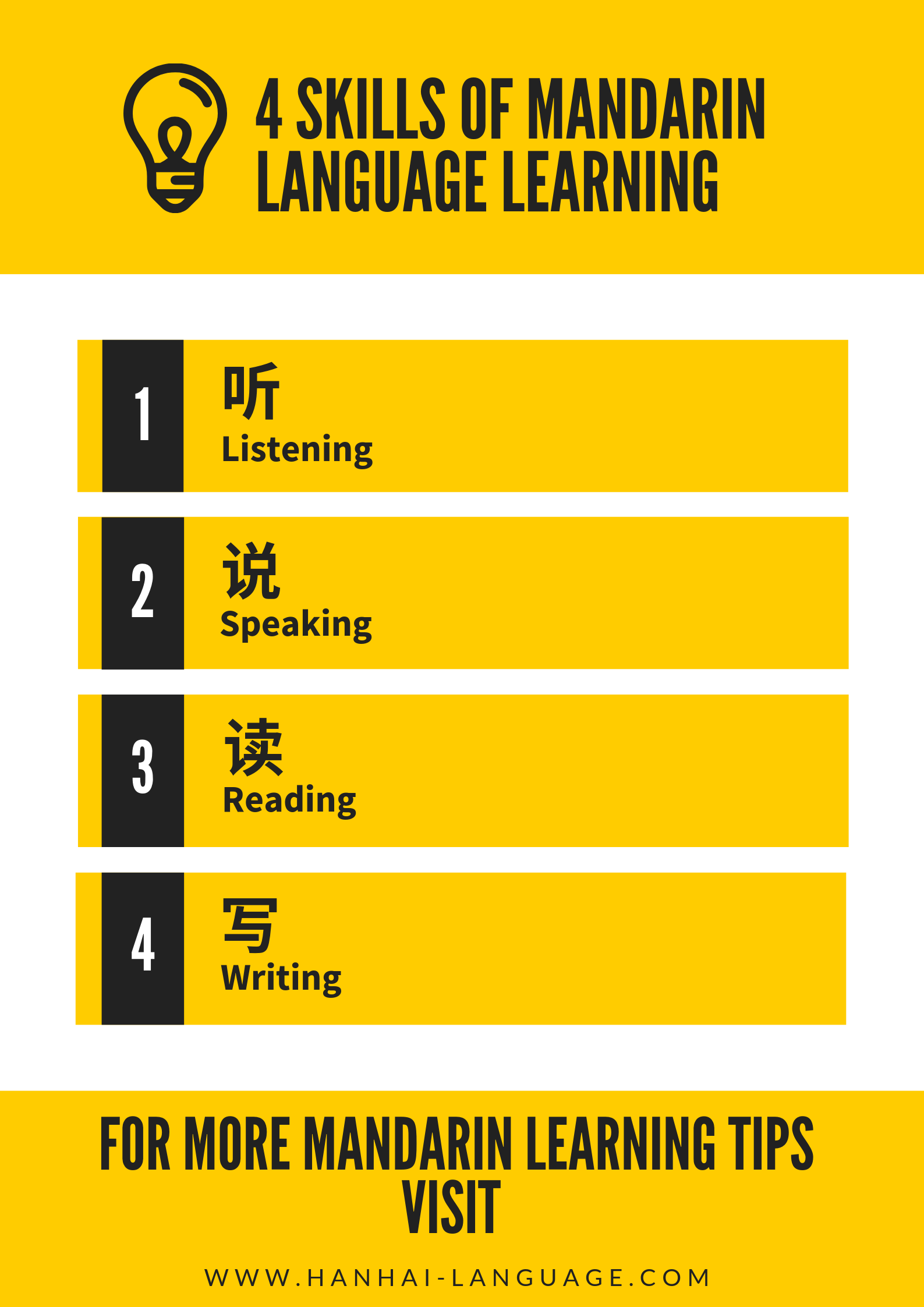
The Four Core Skills of Learning Chinese
The four essential skills for mastering Chinese are listening, speaking, reading, and writing. These skills form the foundation of language proficiency and are interconnected, enabling effective communication and comprehension.
- Listening: Understanding spoken Chinese, including tones and pronunciation.
- Speaking: Producing accurate sounds, tones, and conversational fluency.
- Reading: Recognizing characters, vocabulary, and sentence structures.
- Writing: Forming characters correctly and composing coherent texts.
1. Listening: The Gateway to Understanding Chinese
Listening is crucial for grasping the nuances of Chinese, especially its tonal nature. It involves decoding sounds, intonation, and context to comprehend conversations, media, or instructions.
- Tonal recognition: Mandarin has four tones; mishearing them changes word meanings.
- Contextual clues: Identifying keywords aids understanding even with limited vocabulary.
- Active practice: Engaging with podcasts, songs, or native speakers sharpens this skill.
2. Speaking: Mastering Pronunciation and Fluency
Speaking requires precision in tones, rhythm, and word choice to convey meaning clearly. Regular practice builds confidence and reduces errors in real-time communication.
- Tone accuracy: Mispronouncing tones (e.g., mā vs. mà) leads to confusion.
- Sentence flow: Mimicking native speech patterns improves natural delivery.
- Vocabulary use: Expanding word banks enables expressive and varied dialogue.
3. Reading: Decoding Chinese Characters and Texts
Reading involves recognizing characters, understanding grammar, and inferring meaning from context. It’s vital for accessing written materials, from menus to literature.
- Character recognition: Learning radicals and common components speeds up reading.
- Contextual understanding: Guessing unfamiliar words through surrounding text.
- Speed development: Regular reading enhances familiarity and comprehension.
4. Writing: From Stroke Order to Composition
Writing in Chinese demands knowledge of stroke order, character structure, and grammar rules. It reinforces memory and aids in formal communication.
- Stroke precision: Correct order ensures legibility and balance in characters.
- Character composition: Combining radicals and components to form words.
- Grammar application: Structuring sentences logically for clarity.
How to Balance the Four Skills Effectively
Integrating all four skills ensures well-rounded proficiency. Prioritize practice methods that overlap, like reading aloud or transcribing spoken dialogues.
- Integrated exercises: Combine listening with speaking (e.g., shadowing audio).
- Contextual learning: Use reading materials to inspire writing practice.
- Feedback loops: Correct errors in writing or speaking through peer reviews.
What language is harder than Chinese?
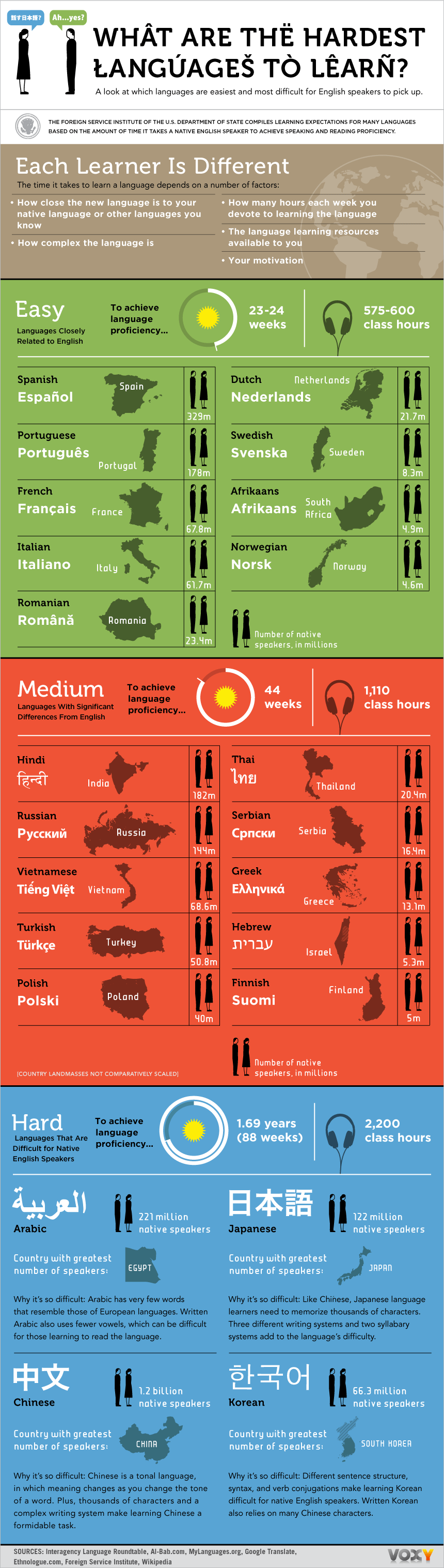
What Makes Arabic Harder Than Chinese?
Arabic is often considered harder than Chinese due to its complex grammar, intricate writing system, and pronunciation challenges. Here’s why:
- Script: Arabic uses a right-to-left script with letters that change shape depending on their position in a word.
- Grammar: The language has a rich system of verb conjugations, gendered nouns, and dual forms.
- Dialects: Modern Standard Arabic differs significantly from regional dialects, making practical usage difficult.
Why Is Japanese More Difficult Than Chinese?
Japanese surpasses Chinese in difficulty for learners due to its multiple writing systems and nuanced politeness levels. Key challenges include:
- Kanji, Hiragana, Katakana: Mastering three scripts, including borrowed Chinese characters (Kanji), adds complexity.
- Politeness Levels: Keigo (honorific speech) requires adjusting verb forms based on social context.
- Grammar Structure: Sentence order and particles differ significantly from English or Chinese.
Is Hungarian Harder to Learn Than Chinese?
Hungarian’s non-Indo-European roots and agglutinative nature make it exceptionally tough. Major hurdles:
- Agglutination: Words are formed by stringing suffixes together, creating long, complex terms.
- Cases: The language has 18 grammatical cases, far more than Chinese.
- Vocabulary: Limited overlap with English or Romance languages.
How Does Russian Compare to Chinese in Difficulty?
Russian’s Cyrillic alphabet and grammatical gender system pose unique challenges. Key differences:
- Alphabet: Cyrillic requires learning new characters, though fewer than Chinese.
- Cases: Six grammatical cases affect nouns, pronouns, and adjectives.
- Pronunciation: Stress patterns and consonant clusters are tricky for non-natives.
What Makes Korean More Challenging Than Chinese?
Korean’s honorific system and sentence structure elevate its difficulty. Notable aspects:
- Honorifics: Verb endings change based on the speaker’s relationship to the listener.
- Sentence Order: Subject-Object-Verb structure contrasts with English or Chinese.
- Phonetics: Distinguishing between similar-sounding consonants can be tough.
Frequently Asked Questions (FAQ)
Why are Chinese tones so difficult to master?
Tones are one of the most challenging aspects of learning Chinese because they change the meaning of words entirely. While Mandarin has only four main tones (plus a neutral tone), the subtle differences in pitch and inflection can be hard for non-native speakers to distinguish and reproduce accurately. Mispronouncing a tone can lead to misunderstandings, as the same syllable with different tones can mean completely different things. For example, mā (mother) versus mà (scold). Even advanced learners sometimes struggle with tones in fast-paced conversations or regional accents.
What makes Chinese characters harder to learn than expected?
Unlike alphabetic languages, Chinese uses a logographic writing system, where each character represents a word or a meaningful part of a word. Memorizing thousands of characters, along with their correct stroke order and pronunciation, is a daunting task. Additionally, many characters look similar but have entirely different meanings, such as 日 (sun) and 目 (eye). The lack of phonetic clues in many characters makes them even harder to recall, requiring constant repetition and contextual learning.
Why is Chinese grammar deceptively tricky?
While Chinese grammar is often considered simpler than that of many European languages due to the absence of verb conjugations and tenses, it has its own complexities. Word order and particles play a crucial role in meaning, and small mistakes can alter the message entirely. For example, placing 了 (le) in the wrong position can change the aspect of a sentence. Additionally, the use of measure words (like 个 for general objects or 只 for animals) adds another layer of difficulty, as they must be memorized for each noun.
How does Chinese culture influence the language's difficulty?
Chinese is deeply intertwined with its culture, making certain expressions and idioms (成语 chéngyǔ) hard to grasp without cultural context. Many phrases reference historical events, legends, or classical literature, which can be obscure to learners. For example, 对牛弹琴 (playing the lute to a cow) means wasting effort on an unreceptive audience. Additionally, polite forms and indirect speech are common in Chinese communication, requiring learners to understand nuanced social hierarchies and etiquette to avoid sounding rude or abrupt.
Leave a Reply
Related Posts