
Approaches to reading in Chinese

Reading Chinese texts presents unique challenges and opportunities due to the language's logographic writing system and rich cultural context. Unlike alphabetic languages, Chinese relies on characters that convey meaning and sound, requiring distinct strategies for comprehension. This article explores various approaches to reading in Chinese, from traditional character memorization to modern techniques like contextual learning and digital tools. Whether for beginners or advanced learners, understanding these methods can enhance fluency and cultural appreciation. By examining both time-tested practices and innovative solutions, readers can discover the most effective ways to navigate Chinese texts, unlocking deeper engagement with one of the world's oldest and most influential languages.
Effective Approaches to Reading in Chinese
Reading in Chinese can be challenging due to its logographic writing system and lack of phonetic clues. However, employing the right strategies can significantly improve comprehension and fluency. Below are five key approaches to enhance your Chinese reading skills.
1. Understanding Chinese Characters and Radicals
Chinese characters are composed of radicals, which often provide clues about meaning and pronunciation. Learning common radicals helps in deciphering unfamiliar characters and speeds up reading. For example, the radical 氵 (water) appears in characters like 河 (river) and 海 (sea).
See Also6 things in Chinese that are harder to learn than they seem| Radical | Meaning | Example Characters |
|---|---|---|
| 言 (讠) | Speech | 说 (speak), 话 (words) |
| 心 (忄) | Heart/Mind | 想 (think), 情 (emotion) |
2. Building Vocabulary Through Context
Instead of memorizing isolated words, learn vocabulary in context by reading short passages or dialogues. This method improves retention and helps grasp grammatical structures. Tools like graded readers or news articles with pinyin annotations are highly effective.
| Resource Type | Example | Benefit |
|---|---|---|
| Graded Readers | Mandarin Companion | Simplified texts for beginners |
| News with Pinyin | The Chairman's Bao | Current events with annotations |
3. Practicing Skimming and Scanning
Skimming (reading quickly for main ideas) and scanning (searching for specific details) are essential for efficient reading. These techniques are particularly useful for longer texts or exam preparation.
| Technique | When to Use | Example |
|---|---|---|
| Skimming | Getting the gist of an article | Reading headlines & first sentences |
| Scanning | Finding dates/names | Looking for keywords in a contract |
4. Using Technology to Aid Reading
Digital tools like Pleco or Hanping Reader provide instant translations and stroke-order animations. Browser extensions (e.g., Zhongwen Popup Dictionary) help by hovering over characters for definitions.
See AlsoWhich words you should learn and where to find them| Tool | Function | Best For |
|---|---|---|
| Pleco | Dictionary & Flashcards | Offline learning |
| Zhongwen Popup | Instant definitions | Web browsing |
5. Engaging with Authentic Materials
Reading native-level content (books, blogs, subtitles) exposes learners to natural phrasing and cultural nuances. Start with simpler materials like children's books before progressing to novels.
| Material Type | Difficulty Level | Example |
|---|---|---|
| Children's Books | Beginner | The Monkey King adaptations |
| Web Novels | Advanced | Wuxia/Xianxia genres |
What are the 5 approaches to reading?
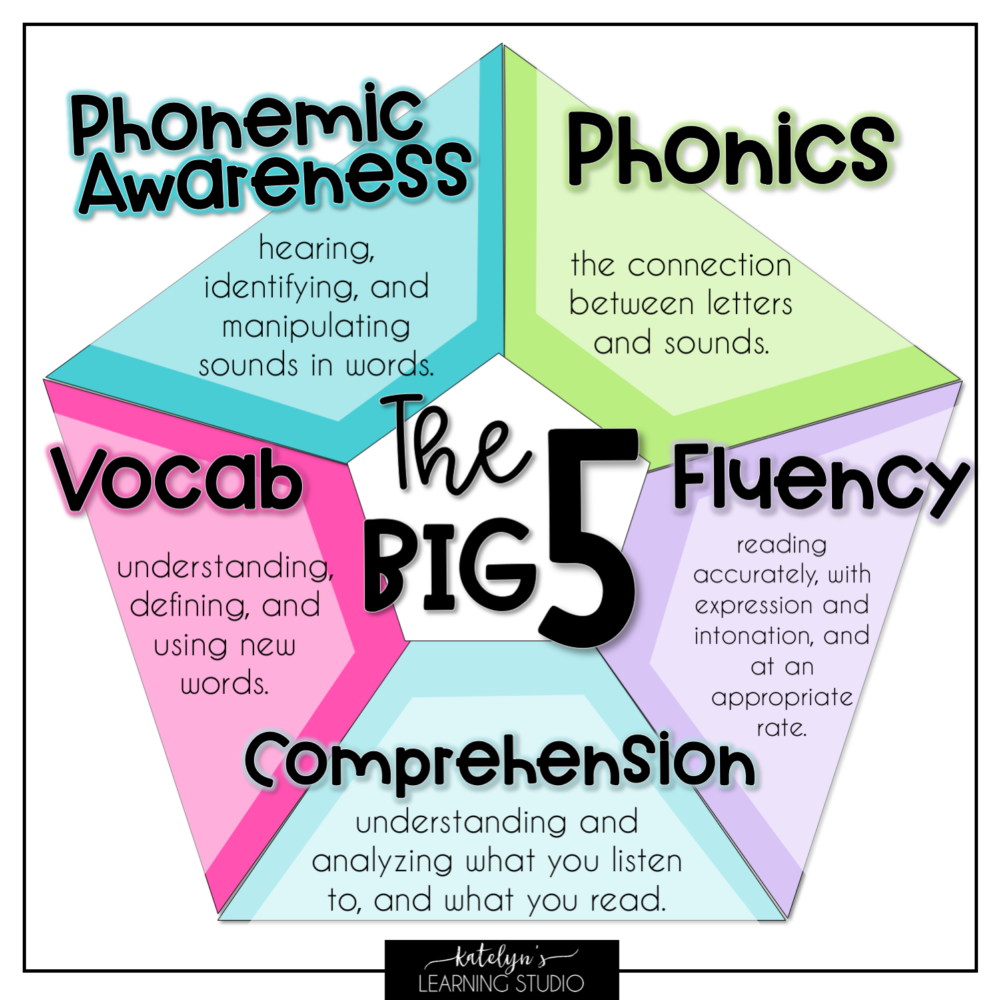
The Phonics Approach
The phonics approach focuses on the relationship between sounds and their corresponding letters or letter groups. This method helps learners decode words by sounding them out.
See AlsoThe best Chinese reading practice for beginners- Letter-sound correspondence: Teaches how letters represent specific sounds.
- Blending: Combines individual sounds to form complete words.
- Segmenting: Breaks words into individual sounds for easier decoding.
The Whole Language Approach
The whole language approach emphasizes reading for meaning rather than focusing on individual components like phonics. It encourages immersion in authentic texts.
- Contextual learning: Words are learned within meaningful sentences and stories.
- Predictive skills: Readers use context clues to guess unfamiliar words.
- Literacy-rich environment: Encourages exposure to diverse reading materials.
The Sight Word Approach
The sight word approach involves memorizing high-frequency words that appear often in texts but may not follow standard phonetic rules.
- Instant recognition: Aims for automatic recall of common words.
- Repetition: Uses flashcards and repeated exposure for retention.
- Irregular words: Focuses on words like the or said that can't be sounded out easily.
The Language Experience Approach
The language experience approach connects reading with personal experiences, making it more relatable for learners.
See AlsoChinese listening practice with 锵锵三人行- Personal narratives: Uses the learner's own stories as reading material.
- Dictation: The teacher writes down the learner's spoken words.
- Scaffolded learning: Gradually increases complexity based on the learner's progress.
The Balanced Literacy Approach
The balanced literacy approach combines elements of phonics, whole language, and other methods to create a comprehensive reading strategy.
- Integrated instruction: Blends decoding, comprehension, and fluency.
- Guided reading: Small-group sessions tailored to skill levels.
- Independent reading: Encourages self-selected books for practice.
What are the approaches to learning Chinese?
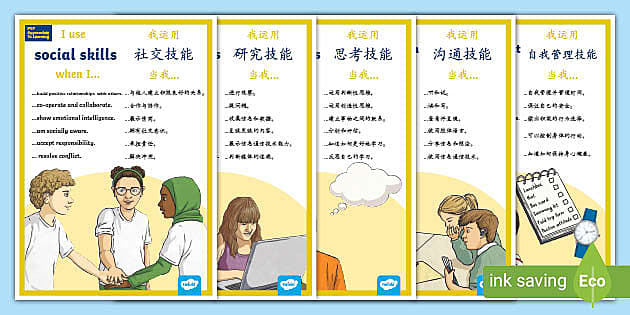
Traditional Classroom Learning
One of the most structured ways to learn Chinese is through traditional classroom settings. This method provides a systematic curriculum, direct interaction with teachers, and peer support. Here are some key aspects:
See AlsoBenchmarking progress in Chinese to stay motivated- Structured lessons: Follows a step-by-step syllabus covering grammar, vocabulary, and pronunciation.
- Immediate feedback: Teachers correct mistakes in real-time, improving accuracy.
- Group activities: Practice speaking and listening with classmates enhances conversational skills.
Online Courses and Apps
Digital platforms offer flexible and accessible ways to learn Chinese. These tools often include interactive exercises, gamification, and progress tracking. Key features include:
- Self-paced learning: Study anytime, anywhere with apps like Duolingo or HelloChinese.
- Multimedia resources: Videos, audio clips, and quizzes reinforce learning.
- Affordability: Many apps offer free or low-cost options compared to traditional classes.
Immersion Programs
Immersing yourself in a Chinese-speaking environment accelerates fluency. This approach forces learners to use the language daily. Highlights include:
- Cultural exposure: Living in China or Taiwan helps understand context and idioms.
- Real-life practice: Daily interactions improve listening and speaking rapidly.
- Intensive learning: Short-term programs often yield fast progress.
Private Tutoring
One-on-one tutoring provides personalized attention tailored to individual goals. Benefits include:
- Customized lessons: Focus on specific weaknesses or interests, like business Chinese.
- Flexible scheduling: Sessions can be adjusted to fit the learner's availability.
- Higher engagement: Direct interaction keeps motivation levels high.
Self-Study with Books and Media
Independent learners can use textbooks, podcasts, and TV shows to master Chinese. Advantages of this method are:
- Low-cost resources: Free or inexpensive materials like YouTube channels or library books.
- Learn at your own pace: No pressure to keep up with a class.
- Diverse content: Movies, music, and news expose learners to different dialects and slang.
What way do they read in China?
Traditional Chinese Reading Direction
In traditional Chinese writing, the text is read from top to bottom and right to left. This format was historically used in books, newspapers, and calligraphy.
- Vertical columns are arranged from right to left.
- Each column contains characters written top to bottom.
- This style is still seen in classical literature and artistic works.
Modern Horizontal Reading Direction
Modern Chinese texts, especially in mainland China, are primarily written and read left to right in horizontal lines, influenced by Western conventions.
- Books and digital media mostly use this format.
- This shift began in the 20th century for standardization.
- It aligns with global writing systems for ease of learning.
Regional Variations in Reading Direction
Some regions, like Taiwan and Hong Kong, occasionally retain traditional vertical reading in formal or cultural contexts.
- Newspapers may mix vertical and horizontal layouts.
- Calligraphy and religious texts often follow the old style.
- Younger generations are more accustomed to horizontal reading.
Digital and Printed Media Preferences
Digital content in China predominantly uses horizontal text for readability on screens, while some printed materials preserve vertical formats.
- Websites and apps follow left-to-right reading.
- E-books may offer both formats for user preference.
- Signage varies depending on cultural or practical needs.
Educational Influence on Reading Habits
Schools in China teach horizontal writing as the standard, reinforcing its dominance in daily communication.
- Textbooks and exams use left-to-right text.
- Students learn traditional characters in vertical contexts separately.
- The education system prioritizes modern conventions for efficiency.
What is the most commonly used method for beginning language learners to read Chinese?
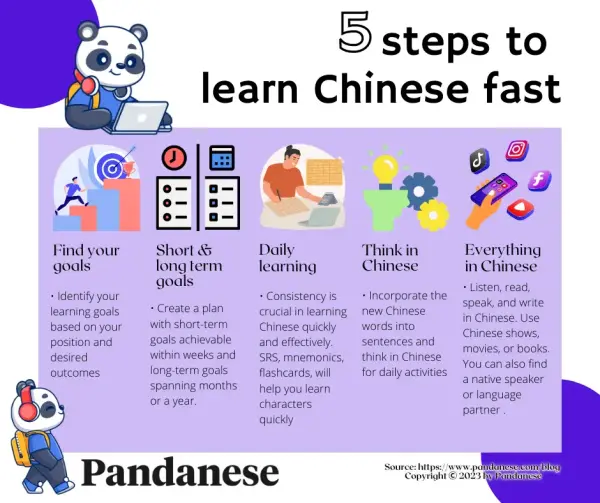
Pinyin: The Foundation for Reading Chinese
The most commonly used method for beginning language learners to read Chinese is Pinyin, a romanization system that uses the Latin alphabet to represent Mandarin sounds. This helps learners associate characters with pronunciation before mastering the characters themselves.
- Pinyin breaks down characters into syllables, making pronunciation accessible.
- It includes tone marks to teach the four Mandarin tones, crucial for accurate speech.
- Many textbooks and apps use Pinyin alongside characters for gradual learning.
Graded Readers for Progressive Learning
Graded readers are tailored books that introduce Chinese characters and vocabulary in stages, matching the learner’s proficiency level.
- They start with high-frequency characters and gradually increase complexity.
- Many include Pinyin annotations and English translations for context.
- Some series focus on HSK vocabulary, aligning with standardized tests.
Flashcards for Character Recognition
Using flashcards is a popular technique to memorize Chinese characters, often paired with spaced repetition systems (SRS) for efficiency.
- Tools like Anki or Pleco offer digital flashcards with audio and stroke order.
- Focus on radicals (character components) to understand character construction.
- Repetition reinforces visual recognition and meaning recall.
Mobile Apps for Interactive Practice
Apps like Duolingo, HelloChinese, and Skritter gamify learning Chinese characters and reading.
- They combine Pinyin, audio, and character writing exercises.
- Interactive quizzes test reading comprehension in context.
- Progress tracking helps learners stay motivated.
Learning Radicals and Character Components
Understanding radicals and character components simplifies deciphering new characters.
- Radicals often hint at a character’s meaning or pronunciation.
- Breaking characters into parts aids memory retention.
- Resources like Kanji Study or textbooks teach radicals systematically.
Frequently Asked Questions (FAQ)
What are the most effective approaches to reading in Chinese for beginners?
For beginners, the most effective approaches to reading in Chinese involve building a strong foundation in basic characters and vocabulary. Starting with high-frequency characters (like those in the HSK 1 list) and practicing them in context is crucial. Using graded readers or children's books can help reinforce recognition without overwhelming learners. Additionally, pairing reading with pinyin (phonetic transcription) can aid pronunciation while gradually transitioning to characters-only texts. Consistency and repetition are key—tools like flashcards (Anki, Pleco) can help retain characters long-term.
How can I improve my reading speed in Chinese?
Improving reading speed in Chinese requires a combination of extensive reading and targeted practice. First, ensure you have a solid grasp of common characters and grammar patterns to reduce pauses for decoding. Reading simplified materials (news articles, blogs) at or slightly above your level helps build fluency. Techniques like skimming for main ideas and scanning for keywords can also accelerate comprehension. Over time, exposure to diverse texts will naturally increase speed, but avoid sacrificing understanding for pace—comprehension should remain the priority.
What role does context play in understanding Chinese texts?
Context is essential for understanding Chinese texts due to the language's high reliance on inference and minimal word boundaries. Unlike alphabetic languages, Chinese characters often carry multiple meanings, so surrounding sentences or cultural references clarify intent. For example, the character 行 can mean okay, walk, or capable depending on context. Leveraging topic familiarity (e.g., reading about hobbies) or using bilingual dictionaries with example sentences can bridge gaps. Advanced learners benefit from recognizing collocations—common character pairings—to decode meaning faster.
Should I focus on traditional or simplified Chinese characters for reading?
The choice between traditional and simplified characters depends on your goals. Simplified characters (used in mainland China, Singapore) are easier to learn initially due to fewer strokes, making them practical for beginners or those focusing on mainland resources. Traditional characters (used in Taiwan, Hong Kong, Macau) retain more etymological detail and are valuable for historical texts or cultural studies. Many learners start with simplified and later transition to traditional, as recognizing one set often aids in deciphering the other. Prioritize the variant aligned with your target region or learning objectives.
Leave a Reply
Related Posts