
Duolingo Progress Report: Track Your Language Learning Journey


Tracking your language learning progress is essential for staying motivated and achieving your goals. Duolingo, one of the most popular language-learning platforms, offers a comprehensive Progress Report feature that allows users to monitor their journey effectively. This tool provides insights into daily streaks, completed lessons, and skill mastery, helping learners visualize their growth over time. Whether you're a beginner or an advanced learner, the Progress Report serves as a personalized roadmap, highlighting achievements and areas for improvement. By leveraging this feature, users can set realistic targets, celebrate milestones, and maintain consistency in their language-learning endeavors. Discover how Duolingo’s Progress Report can transform your learning experience.
Duolingo Progress Report: Track Your Language Learning Journey
What is a Duolingo Progress Report?
The Duolingo Progress Report is a feature designed to help users monitor their language learning journey. It provides detailed insights into your daily activities, streaks, and overall progress. This tool is essential for anyone looking to stay motivated and track their improvement over time.
How to Access Your Progress Report
To access your Progress Report, simply log into your Duolingo account and navigate to the Profile section. Here, you will find a comprehensive overview of your learning statistics, including your current streak, XP points, and completed lessons. This feature is available on both the mobile app and desktop version.
See AlsoListen more than once: How the replay button can help you learn more ChineseKey Features of the Progress Report
The Progress Report includes several key features:
- Daily Streaks: Tracks the number of consecutive days you've used Duolingo.
- XP Points: Shows the total experience points earned.
- Completed Lessons: Lists the number of lessons finished.
- Skill Levels: Displays your proficiency in different language skills.
Benefits of Using the Progress Report
Using the Progress Report offers numerous benefits:
- Motivation: Seeing your progress can boost your motivation to continue learning.
- Accountability: Helps you stay accountable by tracking your daily activities.
- Goal Setting: Allows you to set and achieve specific language learning goals.
Tips for Maximizing Your Progress Report
To get the most out of your Progress Report, consider the following tips:
- Consistency: Aim to maintain a daily streak by practicing regularly.
- Variety: Engage with different types of lessons to improve various language skills.
- Review: Regularly review your progress to identify areas for improvement.
| Feature | Description |
|---|---|
| Daily Streaks | Tracks consecutive days of activity |
| XP Points | Total experience points earned |
| Completed Lessons | Number of lessons finished |
| Skill Levels | Proficiency in different language skills |
How do you track progress on Duolingo?

How to Track Daily Progress on Duolingo
Tracking your daily progress on Duolingo is essential for maintaining consistency and achieving your language-learning goals. Here are some ways to monitor your daily activity:
- Daily Streaks: Duolingo tracks your consecutive days of learning, encouraging you to maintain a streak by completing at least one lesson daily.
- XP Points: Earn XP (experience points) for each completed lesson, which helps you measure your daily effort and progress.
- Daily Goals: Set personalized daily goals (casual, regular, serious, or insane) to ensure you stay on track with your learning pace.
Using the Progress Quiz to Measure Learning
Duolingo offers a Progress Quiz feature to assess your language proficiency and track improvement over time. Here’s how it works:
See AlsoLearn to read Chinese… with ease?- Access the Quiz: Navigate to the More tab and select Progress Quiz to test your skills.
- Skill Assessment: The quiz evaluates your vocabulary, grammar, and comprehension, providing a score that reflects your current level.
- Track Improvement: Retake the quiz periodically to compare scores and see how much you’ve improved.
Monitoring Skill Levels and Crowns
Duolingo uses a crown system to track your mastery of individual skills. Here’s how to monitor your progress:
- Skill Levels: Each skill has five levels, represented by crowns. Completing lessons advances you to higher levels.
- Color Coding: Skills change color as you progress, making it easy to identify which ones need more practice.
- Review Weak Skills: Use the Practice feature to strengthen skills with fewer crowns and reinforce your learning.
Tracking Progress Through the Leaderboard
The Leaderboard is a gamified feature that allows you to compare your progress with other learners. Here’s how to use it effectively:
- Weekly Rankings: Earn XP to climb the leaderboard and compete with others in your league.
- Motivation: Use the leaderboard as motivation to complete more lessons and earn higher rankings.
- League Promotions: Advance to higher leagues (e.g., Silver, Gold, Diamond) by consistently earning XP and staying active.
Analyzing Progress with Duolingo Plus Features
Duolingo Plus offers additional tools to track your progress more effectively. Here’s what you can do with a Plus subscription:
- Mistakes Review: Access a detailed breakdown of your errors to identify areas for improvement.
- Unlimited Hearts: Practice without interruptions, allowing you to focus on tracking and improving your skills.
- Offline Progress: Sync your progress across devices, ensuring your learning data is always up-to-date.
How can I track my language learning progress?

Setting Clear Language Learning Goals
To effectively track your language learning progress, it is essential to set clear and measurable goals. These goals should be specific, achievable, and time-bound. For example:
- Short-term goals: Learn 50 new vocabulary words in a week.
- Medium-term goals: Hold a 5-minute conversation in the target language within a month.
- Long-term goals: Achieve fluency in reading and writing within a year.
Using Language Learning Apps and Tools
Language learning apps and tools can provide structured tracking of your progress. Many apps offer features like:
- Progress dashboards: Visualize your learning milestones and achievements.
- Skill assessments: Test your proficiency in grammar, vocabulary, and speaking.
- Daily streaks: Track consistency and motivate you to practice daily.
Maintaining a Language Journal
A language journal is a personal way to document your learning journey. It helps you reflect on your progress and identify areas for improvement. Consider:
- Recording new vocabulary: Write down words and phrases you learn daily.
- Tracking mistakes: Note errors and how you corrected them.
- Reflecting on experiences: Write about conversations or cultural insights gained.
Taking Regular Language Proficiency Tests
Proficiency tests provide an objective measure of your language skills. They help you understand your current level and set future goals. Examples include:
- Standardized tests: Such as TOEFL, IELTS, or DELE for specific languages.
- Online quizzes: Many websites offer free tests for different proficiency levels.
- Self-assessment: Use the CEFR (Common European Framework of Reference) to evaluate your skills.
Seeking Feedback from Native Speakers
Interacting with native speakers provides real-world feedback on your language abilities. This can be done through:
- Language exchange partners: Practice speaking and receive constructive criticism.
- Online communities: Join forums or social media groups to share and receive feedback.
- Professional tutors: Work with a tutor to get personalized guidance and corrections.
What level of Duolingo is considered fluent?
What Does Fluency Mean in the Context of Duolingo?
Fluency on Duolingo is often misunderstood. The platform focuses on building basic to intermediate language skills, but it does not claim to make users fully fluent. Fluency typically implies the ability to speak, read, write, and understand a language with ease in real-world situations. Duolingo's levels, such as completing the entire course tree, can help users reach a conversational level, but true fluency usually requires additional practice, immersion, and exposure to native speakers.
- Fluency involves more than just vocabulary and grammar.
- Duolingo helps build a foundation for fluency but is not sufficient alone.
- Real-world practice is essential to achieve advanced proficiency.
How Far Can Duolingo Take You in Language Learning?
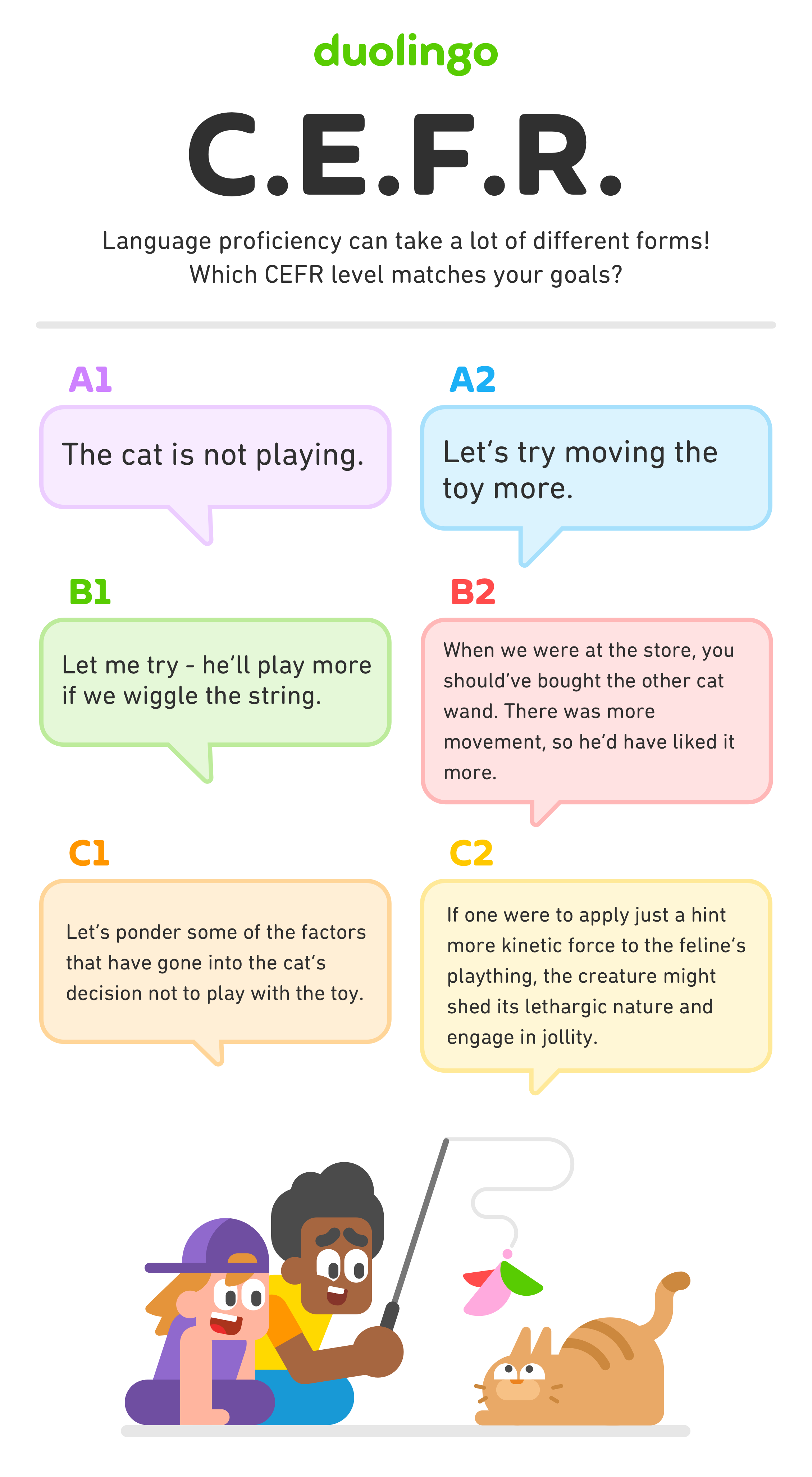
Duolingo can take you to an upper-intermediate level in many languages, depending on the course. Completing all levels and lessons in a language tree can provide a solid understanding of grammar, vocabulary, and sentence structure. However, this level of proficiency is often considered B1 or B2 on the Common European Framework of Reference for Languages (CEFR), which is not equivalent to full fluency (C1 or C2).
- Duolingo's courses are designed to reach B1/B2 levels.
- Advanced fluency requires additional resources beyond Duolingo.
- Consistent practice and immersion are key to progressing further.
What Are the Limitations of Duolingo for Achieving Fluency?
While Duolingo is an excellent tool for beginners and intermediate learners, it has limitations when it comes to achieving fluency. The platform lacks real-life conversation practice, cultural context, and advanced vocabulary. Additionally, Duolingo's exercises are often repetitive and may not prepare users for the complexities of native speech or writing.
- Limited focus on speaking and listening skills.
- Insufficient exposure to cultural nuances.
- Repetitive exercises may not challenge advanced learners.
What Level of Duolingo is Equivalent to Conversational Fluency?
Completing a Duolingo course tree can help users achieve conversational fluency, which means being able to hold basic conversations and understand everyday language. This level is often equivalent to a B1 CEFR level, where users can communicate in familiar contexts but may struggle with more complex topics or fast-paced native conversations.
- Conversational fluency is achievable with consistent Duolingo use.
- Users can handle basic interactions and simple topics.
- Advanced conversations require additional practice.
How to Supplement Duolingo for Full Fluency?
To achieve full fluency, Duolingo should be supplemented with other resources. Engaging in language exchanges, watching movies or TV shows in the target language, reading books, and practicing with native speakers are essential steps. Additionally, using advanced language learning apps or taking formal classes can help bridge the gap between Duolingo's upper-intermediate level and true fluency.
- Use language exchange platforms for real conversation practice.
- Immerse yourself in native media like movies, podcasts, and books.
- Consider formal classes or tutoring for advanced proficiency.
How to get a Duolingo report?
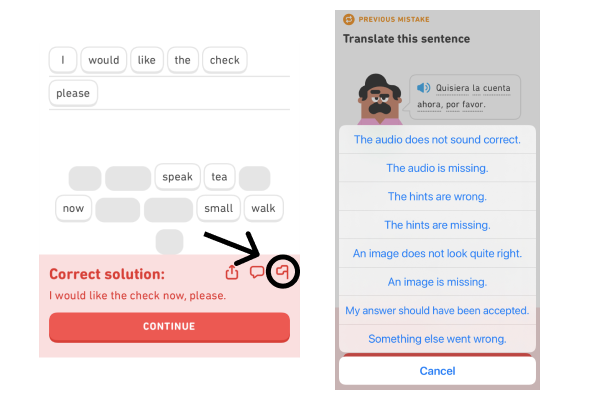
How to Access Your Duolingo Report via the Website
To access your Duolingo report through the website, follow these steps:
- Log in to your Duolingo account on the official website.
- Navigate to your profile page by clicking on your profile icon in the top-right corner.
- Select the Progress tab to view your learning statistics and achievements.
- Scroll down to find the option to download or view your detailed report.
How to Get a Duolingo Report on the Mobile App
If you prefer using the Duolingo mobile app, here’s how to get your report:
- Open the Duolingo app on your smartphone or tablet.
- Tap on the profile icon located at the bottom-right corner of the screen.
- Go to the Progress section to see your learning data.
- Look for the export or share option to generate your report.
Understanding the Data in Your Duolingo Report
Your Duolingo report contains valuable insights into your learning journey. Here’s what you’ll find:
- Streaks: The number of consecutive days you’ve practiced.
- XP: Total experience points earned over time.
- Skills Completed: A breakdown of the lessons and levels you’ve mastered.
- Time Spent: The total time dedicated to learning on Duolingo.
How to Export Your Duolingo Report
Exporting your Duolingo report is simple and can be done in a few steps:
- Access your Progress section on the website or app.
- Click or tap on the export button (usually represented by a download icon).
- Choose your preferred format, such as PDF or CSV.
- Save the file to your device or share it directly via email.
Why You Should Regularly Check Your Duolingo Report
Regularly reviewing your Duolingo report can help you stay motivated and track your progress effectively. Here’s why it’s beneficial:
- Identify strengths and weaknesses in your learning.
- Set realistic goals based on your performance data.
- Monitor your consistency and improve your study habits.
- Celebrate milestones and achievements to stay motivated.
Frequently Asked Questions From our Community
What is the Duolingo Progress Report?
The Duolingo Progress Report is a feature designed to help users track their language learning journey over time. It provides detailed insights into your daily, weekly, and monthly progress, including metrics like streaks, XP earned, and lessons completed. This tool allows you to visualize your achievements and identify areas where you might need to focus more effort, making it easier to stay motivated and consistent in your learning.
How can I access my Duolingo Progress Report?
To access your Duolingo Progress Report, log in to your Duolingo account on the app or website. Navigate to your profile or dashboard, where you will find a section dedicated to your progress. Here, you can view detailed statistics about your learning habits, such as the number of days you’ve practiced, your current streak, and how much XP you’ve accumulated. The report is updated in real-time, so you can always see your latest achievements.
What information does the Duolingo Progress Report include?
The Duolingo Progress Report includes a variety of metrics to help you understand your language learning journey. Key details include your daily and weekly XP, the number of lessons completed, your current streak, and your overall time spent learning. Additionally, it may highlight milestones you’ve reached, such as completing a specific level or achieving a certain number of consecutive days of practice. This comprehensive overview helps you stay on track and celebrate your progress.
Yes, you can share your Duolingo Progress Report with friends, family, or on social media. Duolingo offers options to export or share your progress directly from the app or website. This feature is great for motivating others or showcasing your achievements. Sharing your progress can also create a sense of accountability, encouraging you to maintain your learning streak and continue improving your language skills.
Leave a Reply
Related Posts