
Can too much guidance make you learn less Chinese?

Learning Chinese can be a challenging yet rewarding journey, but the approach to guidance plays a crucial role in progress. While structured lessons and constant corrections may seem beneficial, excessive hand-holding could hinder true language acquisition. Over-reliance on external support may reduce opportunities for independent thinking, problem-solving, and natural immersion—key elements in mastering Mandarin. This article explores whether too much guidance can slow down learning by limiting exposure to real-world language use and diminishing self-motivation. By examining the balance between instruction and autonomy, we uncover how learners can optimize their study methods to achieve fluency more effectively.
Can Too Much Guidance Hinder Your Chinese Learning Progress?
The Role of Guidance in Language Acquisition
While guidance is essential for beginners, excessive reliance on structured lessons can limit independent thinking. Learners may become passive, waiting for explanations instead of actively engaging with the language. A balance between instruction and self-discovery is key.
Over-Dependence on Teachers or Apps
Relying too heavily on teachers or language apps can reduce opportunities for real-world practice. Without experimenting or making mistakes, learners miss critical problem-solving moments that solidify knowledge.
See AlsoLanguage Exchange: How to Find a Partner?Reduced Retention Through Spoon-Feeding
When information is overly simplified or repeated, memory retention may suffer. The brain retains knowledge better when it struggles to decode meaning naturally, rather than receiving pre-digested answers.
The Importance of Struggle in Learning
Struggle fosters deeper cognitive connections. Limited guidance forces learners to internalize patterns, enhancing long-term fluency. Too much help can shortcut this vital process.
Finding the Right Balance
Effective learning combines structured guidance with autonomous exploration. For example, mixing textbook study with immersive activities like watching Chinese media or conversing with natives.
See AlsoHow and why to learn and teach Chinese through games| Factor | Too Much Guidance | Balanced Approach |
|---|---|---|
| Retention | Lower due to passive learning | Higher through active engagement |
| Confidence | Dependent on external help | Built via self-reliance |
| Adaptability | Limited in real-world scenarios | Stronger through experimentation |
What makes learning Chinese so difficult?

The Complexity of Chinese Characters
Learning Chinese characters is one of the biggest hurdles for learners. Unlike alphabetic languages, Chinese relies on thousands of unique characters, each with its own meaning and pronunciation. Memorizing them requires significant time and effort.
- Stroke order must be learned precisely to write characters correctly.
- Many characters look similar but have completely different meanings, leading to confusion.
- There is no phonetic consistency, meaning pronunciation must often be memorized individually.
Tonal Nature of the Language
Mandarin Chinese is a tonal language, meaning the pitch or intonation of a word can change its meaning entirely. This is unfamiliar to speakers of non-tonal languages and can be challenging to master.
See AlsoTop 5 Best Podcasts for Learning Chinese in 2025- There are four main tones (plus a neutral tone), each altering word meaning.
- Mispronouncing a tone can lead to misunderstandings (e.g., mā vs. mà).
- Listening comprehension requires distinguishing subtle tonal differences in fast speech.
Lack of Cognates with Western Languages
Unlike European languages, Chinese shares very few cognates with English or other Western languages, making vocabulary acquisition more difficult.
- Most words must be learned from scratch without familiar roots.
- There are few loanwords from English, unlike in Japanese or Korean.
- Conceptual differences (e.g., measure words) add another layer of complexity.
Grammar Structure Differences
While Chinese grammar is often considered simpler than that of many European languages, its differences can still pose challenges.
- No verb conjugations, but particles (like le or ma) change sentence meaning.
- Word order is strict but differs from English (e.g., time phrases come before the verb).
- Context heavily influences meaning, making literal translations unreliable.
Listening and Speaking Challenges
Developing fluency in spoken Chinese requires overcoming unique auditory and pronunciation barriers.
See Also5 websites to help answer your questions about Chinese- Fast speech and regional accents can make comprehension difficult.
- Homophones (words with the same sound but different meanings) are common.
- Mastering pinyin (Romanization) helps but doesn’t fully prepare learners for natural speech.
What difficulties do you have in learning Chinese?

Complexity of Chinese Characters
Learning Chinese characters is one of the biggest challenges due to their complexity and sheer number. Unlike alphabetic languages, each character represents a unique meaning and pronunciation, requiring memorization of strokes, radicals, and structure.
- Thousands of characters: Mastering even basic literacy requires knowing 2,000–3,000 characters.
- Stroke order: Incorrect stroke order can make writing illegible or slow.
- Homophones: Many characters share the same pronunciation but differ in meaning.
Tonal Pronunciation
Mandarin Chinese relies heavily on tones, which can completely change the meaning of a word. Non-native speakers often struggle to distinguish or reproduce these tones accurately.
See AlsoBest 10 Free Chinese Reading Materials for Beginners to Learn to Read Mandarin- Four main tones: Flat, rising, falling-rising, and falling tones must be mastered.
- Context reliance: Mispronouncing a tone can lead to misunderstandings.
- Lack of tonal markers: Pinyin includes tone marks, but real-world texts often omit them.
Grammar Structure Differences
Chinese grammar differs significantly from Indo-European languages, lacking verb conjugations, tenses, and plural forms, which can be confusing for learners.
- No verb conjugation: Verbs remain the same regardless of tense or subject.
- Word order importance: Meaning changes based on sentence structure.
- Measure words: Required when counting nouns, adding an extra layer of complexity.
Listening and Speaking Challenges
Fast-paced spoken Chinese and regional accents make comprehension difficult, especially for beginners.
- Native speed: Conversations often feel too rapid to follow.
- Dialect variations: Regional accents and slang can differ from standard Mandarin.
- Lack of phonetic hints: Characters don’t directly indicate pronunciation.
Cultural Context and Idioms
Understanding Chinese idioms (chengyu) and cultural references requires deep familiarity with history and traditions.
- Four-character idioms: Often derived from ancient stories or classical texts.
- Indirect expressions: Politeness and context shape communication.
- Historical references: Many phrases allude to events or literature unfamiliar to learners.
Can I learn Chinese in 5 years?
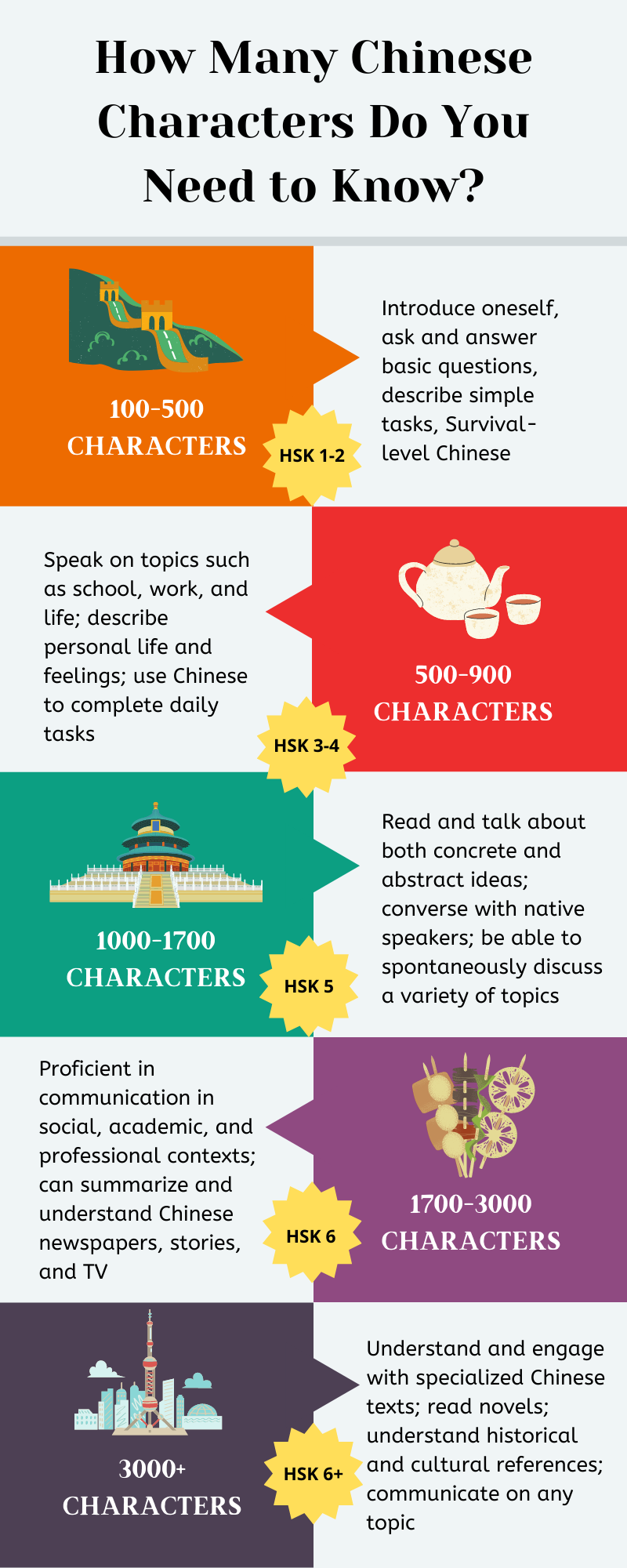
Is 5 Years Enough to Achieve Fluency in Chinese?
Yes, 5 years is a realistic timeframe to achieve fluency in Chinese, depending on your dedication and study methods. Here’s why:
- Consistent practice: Daily study and immersion accelerate learning.
- Structured curriculum: Following a well-designed program ensures balanced progress in reading, writing, speaking, and listening.
- Immersion opportunities: Engaging with native speakers or living in a Chinese-speaking environment boosts proficiency.
What Factors Influence Learning Chinese in 5 Years?
Several key factors determine whether you can master Chinese within this timeframe:
- Time investment: At least 1-2 hours of daily study is recommended.
- Learning style: Combining textbooks, apps, and conversational practice yields better results.
- Motivation: Clear goals (e.g., work, travel) help sustain long-term effort.
How Should I Structure My Chinese Learning Over 5 Years?
A structured approach ensures steady progress. Consider this breakdown:
- Year 1-2: Focus on basic vocabulary, grammar, and Pinyin.
- Year 3-4: Expand to intermediate conversations and character recognition.
- Year 5: Refine advanced fluency, including idioms and cultural nuances.
Can I Learn Chinese Faster Than 5 Years?
Yes, with intensive effort, you can shorten the timeline. Here’s how:
- Full immersion: Studying or working in a Chinese-speaking country.
- Private tutoring: Personalized lessons target weaknesses efficiently.
- Language apps: Tools like Anki or HelloTalk reinforce daily practice.
What Are the Biggest Challenges When Learning Chinese in 5 Years?
Overcoming these common hurdles is crucial for success:
- Tones: Mandarin’s tonal nature requires precise pronunciation practice.
- Characters: Memorizing 3,000+ characters demands systematic study.
- Consistency: Avoiding burnout by balancing study with real-world usage.
Frequently Asked Questions (FAQ)
Can excessive guidance hinder my progress in learning Chinese?
Excessive guidance can sometimes slow down your learning process by making you overly reliant on external help. While structured lessons and feedback are valuable, over-dependence on teachers or tools may prevent you from developing critical thinking and problem-solving skills. For example, if every mistake is immediately corrected for you, you might not internalize the reasoning behind the corrections. Balancing guidance with independent practice is key to mastering Chinese effectively.
How does too much guidance affect long-term retention in Chinese?
Long-term retention thrives when learners actively engage with the material, but excessive guidance can reduce this engagement. If you're constantly given answers or translations without struggling through challenges, your brain may not form strong neural connections. Research shows that productive struggle enhances memory, so occasional difficulties in learning Chinese can actually be beneficial. Aim for a mix of guided instruction and self-directed exploration.
What are the signs that I’m receiving too much guidance in learning Chinese?
Signs include relying heavily on translations, feeling lost without a teacher’s input, or rarely attempting to construct sentences independently. If you find yourself avoiding real-world practice—like conversations with native speakers—because you fear mistakes, it may indicate over-guidance. Another red flag is lack of confidence in your abilities when left to your own devices. Adjust your learning approach to include more autonomous activities.
How can I reduce dependency on guidance while still learning Chinese effectively?
Start by gradually increasing self-study time—use resources like flashcards, podcasts, or graded readers to practice independently. Engage in active recall by testing yourself instead of waiting for corrections. Join language exchange groups to practice speaking without constant feedback. Finally, embrace mistakes as part of the process; they’re opportunities for deeper learning. A balanced approach will build both skills and confidence.
Leave a Reply
Related Posts