
Top 10 Cities with the Longest Subway Lines in China

China boasts one of the most extensive and rapidly expanding subway networks in the world, serving millions of passengers daily. As urban populations grow, cities continue to invest in metro infrastructure to ease congestion and improve connectivity. This article explores the top 10 Chinese cities with the longest subway lines, highlighting their impressive rail systems and the scale of their underground transit networks. From Beijing’s historic routes to Shanghai’s sprawling web of tracks, these cities showcase engineering marvels that keep their bustling metropolises moving efficiently. Whether for daily commutes or tourist exploration, these subway systems play a vital role in shaping modern urban life in China.
Top 10 Cities with the Longest Subway Lines in China
1. Shanghai: The Undisputed Leader in Subway Length
Shanghai boasts the longest subway system in China, with over 800 kilometers of operational track. The city's rapid expansion and dense population have driven the need for an extensive metro network. Key lines like Line 2 and Line 11 are among the busiest, connecting major business and residential districts.
| City | Total Length (km) | Number of Lines |
|---|---|---|
| Shanghai | 802 | 19 |
2. Beijing: A Close Second with Rapid Expansion
Beijing's subway system, spanning over 780 kilometers, is the second-longest in China. The network serves as a critical transportation backbone for the capital, with lines like Line 10 forming one of the world's longest circular routes. Ongoing expansions aim to alleviate congestion in this megacity.
See AlsoHow and why to learn and teach Chinese through games| City | Total Length (km) | Number of Lines |
|---|---|---|
| Beijing | 783 | 27 |
3. Guangzhou: A Growing Network in Southern China
Guangzhou's metro system exceeds 600 kilometers, making it the third-longest in China. The city's Line 3 is one of the busiest, linking the airport to downtown. Its efficient design supports the Pearl River Delta's economic hub.
| City | Total Length (km) | Number of Lines |
|---|---|---|
| Guangzhou | 621 | 16 |
4. Chengdu: Western China's Subway Powerhouse
Chengdu's subway has rapidly grown to over 500 kilometers, serving as a key transit system in Southwest China. Line 7 and Line 10 facilitate seamless travel across this sprawling metropolis, which is a major tech and cultural center.
| City | Total Length (km) | Number of Lines |
|---|---|---|
| Chengdu | 518 | 13 |
5. Shenzhen: A Modern Metro for a Tech Hub
Shenzhen's subway, covering over 400 kilometers, reflects the city's rapid urbanization. Lines like Line 11, connecting the airport to the business district, highlight its efficiency. The system supports Shenzhen's role as a global technology and innovation hub.
See AlsoTop 5 Best Podcasts for Learning Chinese in 2025| City | Total Length (km) | Number of Lines |
|---|---|---|
| Shenzhen | 431 | 12 |
Which city in China has the most subway lines?
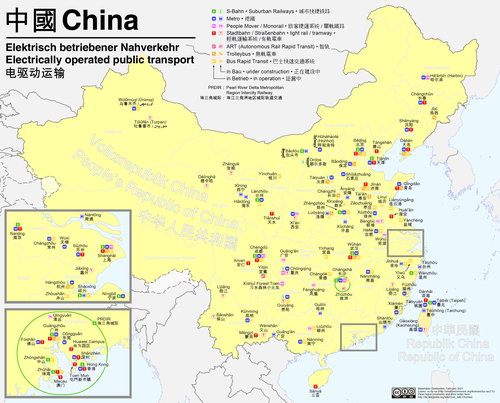
The city in China with the most subway lines is Shanghai, boasting an extensive and rapidly expanding metro network. As of the latest data, Shanghai's metro system operates 20 lines, covering over 800 kilometers of track, making it the largest in China and one of the most extensive in the world.
Shanghai Metro: The Largest Subway Network in China
Shanghai's metro system is the most extensive in China, with 20 operational lines and continuous expansion plans. Key features include:
See AlsoHow to best use flashcards to learn Chinese- Line 2 and Line 10 are among the busiest, connecting major commercial and residential areas.
- The system serves over 10 million passengers daily, highlighting its critical role in urban mobility.
- Integration with other transit systems, such as buses and high-speed rail, enhances connectivity.
Beijing Metro: A Close Second in Subway Line Count
Beijing follows closely with 19 subway lines, making it the second-largest metro network in China. Notable aspects include:
- Line 1 and Line 10 form the backbone of the system, linking key districts.
- The network spans over 700 kilometers, serving millions of commuters daily.
- Future expansions aim to alleviate congestion in the rapidly growing capital.
Guangzhou Metro: A Major Subway Hub in Southern China
Guangzhou ranks third with 16 subway lines, playing a vital role in the Pearl River Delta region. Key highlights:
- Line 3 is one of the longest, stretching across the city's core.
- The metro integrates with intercity rail, facilitating regional travel.
- Advanced features like automated trains improve efficiency.
Shenzhen Metro: Rapid Growth in Subway Infrastructure
Shenzhen's metro system has expanded rapidly, now operating 16 lines. Important details include:
See AlsoHow to Prepare for HSK with Chinese Reading Materials- Line 11 is an express route, significantly reducing travel time.
- The network supports the city's tech-driven economy by connecting business hubs.
- Future projects aim to extend coverage to suburban areas.
Other Chinese Cities with Expanding Subway Systems
Cities like Chengdu, Nanjing, and Wuhan are also developing extensive metro networks. Key points:
- Chengdu has 13 lines, with plans to become a major transit hub in Western China.
- Nanjing features 10 lines, integrating historical and modern districts.
- Wuhan utilizes its metro to connect the Three Towns across the Yangtze River.
Which is the longest metro system in China?

The longest metro system in China is the Shanghai Metro, spanning over 831 kilometers as of 2023. It is not only the largest in China but also the longest in the world by route length, surpassing other major systems like Beijing and Guangzhou.
History and Development of the Shanghai Metro
The Shanghai Metro began operations in 1993 with a single line. Since then, it has expanded rapidly to accommodate the city's growing population and urbanization.
- 1993: Line 1 opened, covering 16.1 km.
- 2000s: Expansion accelerated with multiple lines added.
- 2023: Reached 831 km with 20 lines and 508 stations.
Key Features of the Shanghai Metro
The Shanghai Metro is known for its efficiency, modernity, and extensive coverage.
- Automated lines: Some routes use driverless technology.
- High capacity: Handles over 10 million passengers daily.
- Integration: Connects with buses, trains, and airports.
Comparison with Other Major Chinese Metro Systems
While Shanghai leads, other cities also have vast networks:
- Beijing Subway: Second longest at 807 km.
- Guangzhou Metro: Third with 621 km.
- Chengdu Metro: Rapidly expanding, now over 558 km.
Technological Advancements in the Shanghai Metro
The system incorporates cutting-edge technology for smooth operations:
- Smart ticketing: Contactless payments via mobile apps.
- Energy efficiency: Uses regenerative braking systems.
- Safety systems: Advanced surveillance and AI monitoring.
Future Expansion Plans of the Shanghai Metro
The network continues to grow with ambitious projects:
- New lines: Additional routes planned to reach 1,000 km by 2030.
- Intercity links: Better connections to neighboring cities.
- Sustainability goals: Increased use of renewable energy.
Which city has the longest subway line?

The city with the longest subway line in the world is Shanghai, China, with its Shanghai Metro Line 11 stretching approximately 82.4 kilometers (51.2 miles). This line connects the city's eastern and western regions, serving both urban and suburban areas with 39 stations.
What Makes Shanghai Metro Line 11 the Longest?
The Shanghai Metro Line 11 holds the record due to its extensive route, covering both densely populated urban zones and distant suburban areas. Key factors contributing to its length include:
- Geographical coverage: It spans from the northwest to the southeast of Shanghai.
- High passenger demand: Serves major residential and commercial hubs.
- Integration with other lines: Connects with multiple metro lines for seamless travel.
How Does Shanghai Metro Line 11 Compare to Other Major Subway Systems?
While other cities have extensive metro networks, Shanghai Metro Line 11 surpasses them in single-line length. For comparison:
- Beijing Subway Line 10: Approximately 57.1 km (35.5 miles).
- London Underground's Central Line: Roughly 74 km (46 miles).
- New York City's A Train: About 48 km (30 miles).
What Are the Key Stations on Shanghai Metro Line 11?
The line features several strategic stations that enhance its functionality:
- Disney Resort Station: Connects to Shanghai Disneyland.
- Xujiahui Station: A major commercial and transport hub.
- Jiading North Station: Serves a rapidly developing suburban area.
How Does the Length of Shanghai Metro Line 11 Impact Commuters?
The extended length of the line offers both advantages and challenges:
- Reduced transfer needs: Passengers can travel long distances without switching lines.
- Longer travel times: End-to-end trips can take over 90 minutes.
- Higher operational costs: Maintenance and energy consumption are significant.
Are There Plans to Extend Shanghai Metro Line 11 Further?
Shanghai authorities continue expanding the metro system, with potential extensions for Line 11:
- New suburban connections: Plans to link more distant areas.
- Increased station count: Additional stops to improve accessibility.
- Technological upgrades: Automation and energy-efficient trains.
What is the largest metro city in China?
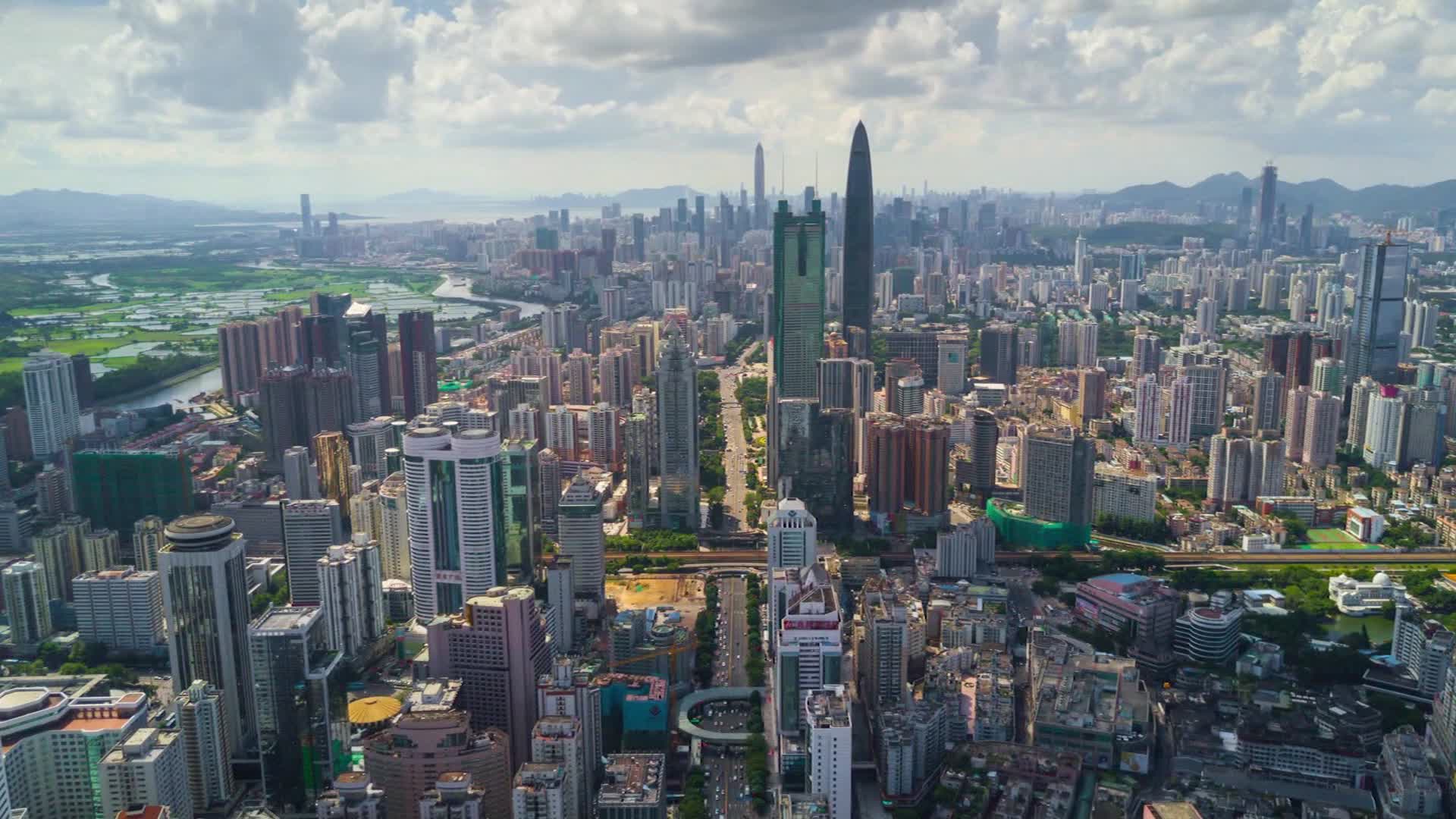
The largest metro city in China is Shanghai, which is also one of the most populous and economically significant cities in the world. With a population exceeding 26 million in its metropolitan area, Shanghai serves as a global financial hub and a major center for commerce, culture, and transportation.
What Makes Shanghai the Largest Metro City in China?
Shanghai's status as the largest metro city in China is due to several factors:
- Population size: It has the highest urban population among Chinese cities.
- Economic influence: It contributes significantly to China's GDP.
- Infrastructure: It boasts an extensive public transport network, including the world's longest metro system.
How Does Shanghai Compare to Other Major Chinese Cities?
Shanghai surpasses other major Chinese cities in multiple aspects:
- Beijing: While Beijing is the political capital, Shanghai leads in economic output.
- Guangzhou: Guangzhou is a key trade hub, but Shanghai has a larger metro population.
- Shenzhen: Shenzhen is a tech powerhouse, yet Shanghai remains the financial epicenter.
What Are the Key Economic Drivers of Shanghai?
Shanghai's economy thrives due to:
- Financial sector: Home to the Shanghai Stock Exchange.
- International trade: Hosts the world's busiest container port.
- Manufacturing & technology: A major base for automotive and tech industries.
What Infrastructure Supports Shanghai's Metro Growth?
The city's infrastructure includes:
- Metro system: Over 800 km of tracks, the longest globally.
- Airports: Pudong and Hongqiao airports handle millions of passengers annually.
- Road networks: Extensive highways and bridges connect the city efficiently.
How Does Shanghai's Population Density Affect Its Metro Status?
Shanghai's high population density impacts its metro status in several ways:
- Urban sprawl: Continuous expansion to accommodate growth.
- Housing demand: Skyrocketing real estate prices.
- Public services: Heavy reliance on efficient metro and bus systems.
Frequently Asked Questions (FAQ)
Which city in China has the longest subway system?
Shanghai currently boasts the longest subway system in China, with an extensive network spanning over 800 kilometers. The system serves millions of passengers daily and continues to expand, reinforcing Shanghai's status as a global transportation hub. Its efficiency and coverage make it a benchmark for urban rail transit in the country.
How does Beijing's subway system compare to Shanghai's in terms of length?
While Beijing operates the second-longest subway system in China, it is only slightly shorter than Shanghai's, covering approximately 780 kilometers. Beijing's subway is renowned for its dense network, serving key political, cultural, and economic centers. Despite its slightly smaller size, it handles a higher passenger volume due to the city's larger population.
Which other Chinese cities feature in the top 10 longest subway lines?
Beyond Shanghai and Beijing, other major cities with extensive subway networks include Guangzhou, Chengdu, Shenzhen, Wuhan, Chongqing, Nanjing, Hangzhou, and Tianjin. These cities have rapidly developed their metro systems to accommodate urban growth and traffic congestion, with some networks exceeding 300 kilometers in length.
Why are subway systems in China expanding so rapidly?
The rapid expansion of subway systems in China is driven by urbanization, population density, and government efforts to promote sustainable transportation. Cities are investing heavily in metro infrastructure to reduce traffic congestion and lower carbon emissions. Additionally, subway systems support economic development by improving connectivity between business districts and residential areas.
Leave a Reply
Related Posts