
Reading manga in Chinese for more than just pleasure

Reading manga in Chinese offers more than just entertainment; it’s a powerful tool for language learning and cultural immersion. For students and enthusiasts, engaging with Chinese manga provides exposure to colloquial expressions, slang, and everyday dialogue that textbooks often overlook. The visual context aids comprehension, making it easier to grasp new vocabulary and sentence structures. Beyond language skills, manga also reflects contemporary Chinese society, offering insights into trends, humor, and social dynamics. Whether you're a beginner or advanced learner, incorporating manga into your study routine can make the process more enjoyable and effective. This article explores how reading Chinese manga can enhance both linguistic proficiency and cultural understanding.
Reading Manga in Chinese: Beyond Entertainment
1. Enhancing Language Skills Through Chinese Manga
Reading manga in Chinese is an effective way to improve language proficiency. The combination of visual context and written dialogue helps learners grasp vocabulary, grammar, and cultural nuances. Unlike textbooks, manga presents informal speech and slang, offering a more natural learning experience.
| Benefit | Description |
|---|---|
| Vocabulary Expansion | Exposure to diverse terms, including colloquialisms. |
| Grammar Practice | Understanding sentence structures in context. |
| Cultural Insight | Learning societal norms and humor. |
2. Understanding Chinese Culture and Society
Chinese manga often reflects cultural values, historical references, and social issues. By reading these stories, you gain a deeper appreciation of traditions, festivals, and everyday life in Chinese-speaking communities.
See AlsoDuolingo Languages Available: Full Course List 2025| Cultural Element | Example in Manga |
|---|---|
| Festivals | Chinese New Year celebrations in stories. |
| Folklore | Mythological creatures like dragons. |
| Modern Issues | Urbanization and generational conflicts. |
3. Boosting Cognitive and Analytical Skills
Reading manga in Chinese challenges the brain to decode both language and imagery. This dual engagement enhances memory retention, pattern recognition, and critical thinking.
| Cognitive Skill | How Manga Helps |
|---|---|
| Memory | Associating words with visuals improves recall. |
| Analysis | Interpreting plot twists and character motives. |
| Focus | Following complex narratives strengthens attention. |
4. Building a Competitive Edge in Career and Academia
Proficiency in Chinese manga can be a unique skill for careers in translation, publishing, or cultural studies. Academically, it supports research in Asian literature and media studies.
| Field | Application |
|---|---|
| Translation | Localizing manga for global audiences. |
| Education | Teaching Chinese through engaging content. |
| Research | Studying pop culture trends. |
Engaging with Chinese manga connects you to global communities of fans, creators, and scholars. Participating in discussions or forums can lead to collaborations and friendships.
See AlsoHow to best use flashcards to learn Chinese| Network Type | Opportunity |
|---|---|
| Fan Groups | Joining online or offline communities. |
| Professional | Connecting with translators or publishers. |
| Academic | Attending conferences on Asian media. |
Where can I read Chinese manhua legally?

Official Manhua Platforms
Several official platforms offer legal access to Chinese manhua, often with translations in multiple languages. These platforms collaborate directly with creators or publishers to ensure content is licensed. Here are some top options:
- Webnovel (by Qidian) – Hosts a variety of translated manhua alongside novels.
- Bilibili Comics – A popular platform offering licensed manhua, including exclusive titles.
- Tapas – Features a selection of free and premium Chinese manhua.
Subscription-Based Services
For readers who prefer ad-free and high-quality translations, subscription-based services are ideal. These platforms often provide early access to chapters.
See AlsoPleco (App Review) - Update On The Chinese Dictionary- MangaToon – Offers a mix of free and paid manhua with frequent updates.
- Lezhin Comics – Includes Chinese manhua in its diverse catalog, available via subscription.
- Tappytoon – Focuses on licensed Asian comics, including Chinese titles.
Publisher Websites
Some Chinese publishers host their own platforms, providing direct support to creators. These sites often have the latest releases.
- Tencent Comics – One of the largest publishers with an extensive manhua library.
- Kuaikan Manhua – Specializes in mobile-friendly manhua with official translations.
- Manman App – A dedicated app for Chinese manhua enthusiasts.
Aggregator Sites with Licensed Content
Certain aggregator sites partner with publishers to distribute legal manhua. These platforms curate content from multiple sources.
- MangaDex (when hosting licensed works) – Some Chinese manhua are officially uploaded.
- Comic Walker – Offers free, legal manhua in multiple languages.
- Global Comix – A growing library of licensed Chinese comics.
Mobile Apps for Manhua
Many readers prefer mobile apps for convenience. These apps often include features like offline reading.
- Webcomics – Features a large collection of Chinese manhua in English.
- Toomics – Provides premium manhua with a subscription model.
- INKR Comics – A newer app with licensed Chinese titles.
What is the Chinese version of manga called?

The Chinese version of manga is called manhua. It refers to comics or graphic novels originating from China, often characterized by unique art styles and storytelling influenced by Chinese culture and history.
What is Manhua?
Manhua is the term used for Chinese comics or graphic novels, similar to Japanese manga or Korean manhwa. It encompasses a wide range of genres, from action and romance to historical and fantasy. Key features of manhua include:
- Art style: Often blends traditional Chinese aesthetics with modern techniques.
- Cultural themes: Frequently incorporates Chinese mythology, history, and societal issues.
- Format: Published in print or digitally, with many serialized online.
How Does Manhua Differ from Manga?
While manhua and manga share similarities, they have distinct differences:
- Origin: Manhua is from China, while manga is from Japan.
- Art style: Manhua often features more detailed backgrounds and vibrant colors.
- Storytelling: Manhua tends to focus more on Chinese cultural narratives.
Popular Genres in Manhua
Manhua covers diverse genres, appealing to a broad audience. Some of the most popular include:
- Wuxia: Martial arts adventures with heroic protagonists.
- Xianxia: Fantasy stories involving cultivation and immortality.
- Romance: Often set in modern or historical contexts.
Where to Read Manhua?
Manhua is widely available through various platforms, both free and paid. Here are some common sources:
- Webcomic sites: Platforms like Webnovel or Tapas host many manhua series.
- Official publishers: Companies like Tencent Comics release licensed manhua.
- Mobile apps: Apps such as Bilibili Comics offer manhua in multiple languages.
Famous Manhua Titles
Several manhua series have gained international recognition. Notable examples include:
- The King's Avatar: A popular esports-themed manhua.
- Battle Through the Heavens: A xianxia cultivation story.
- Song of the Long March: A historical drama with strong female leads.
How to read manga and enjoy it?
Choosing the Right Manga for Your Taste
To fully enjoy manga, start by selecting a genre that aligns with your interests. Research popular titles or ask for recommendations from fellow readers. Consider the following steps:
- Explore genres: Shonen (action), Shojo (romance), Seinen (mature), or Josei (drama) cater to different audiences.
- Read synopses: Check summaries to gauge if the plot appeals to you.
- Sample chapters: Many platforms offer free previews to test the art style and storytelling.
Understanding Manga Reading Direction
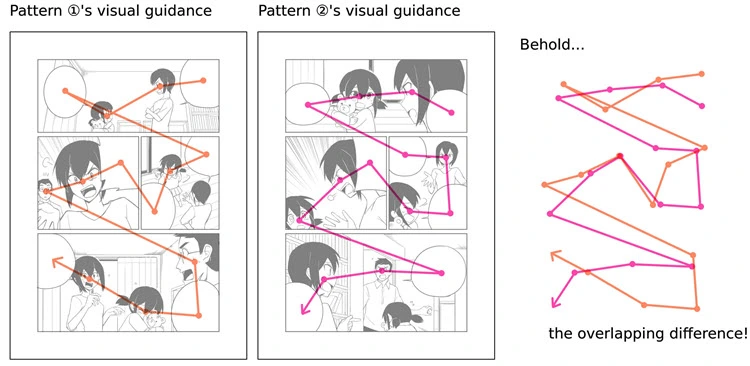
Traditional manga is read from right to left, which can be confusing for beginners. Follow these guidelines:
- Start at the back: The cover is often on what Western readers consider the last page.
- Panels flow right-to-left: Read dialogue and artwork in this order.
- Check for localization: Some publishers flip the artwork for Western audiences.
Enhancing Your Reading Experience
Immerse yourself in the story by creating an ideal environment. Here’s how:
- Find a quiet space: Minimize distractions to focus on the narrative.
- Adjust lighting: Ensure proper illumination to avoid eye strain.
- Use bookmarks: Track your progress, especially for long series.
Appreciating Art and Storytelling
Manga combines visuals and text for a unique experience. Pay attention to:
- Art details: Expressions, backgrounds, and panel layouts enhance emotions.
- Pacing: Notice how silence or action sequences drive the plot.
- Symbolism: Recurring motifs or visual metaphors add depth.
Joining the Manga Community
Engage with other fans to deepen your enjoyment. Consider these steps:
- Join forums: Discuss theories and recommendations on sites like MyAnimeList.
- Attend events: Conventions or local meetups connect you with enthusiasts.
- Support creators Purchase official releases to sustain the industry.
Do Chinese people read manga?
Is Manga Popular Among Chinese Readers?
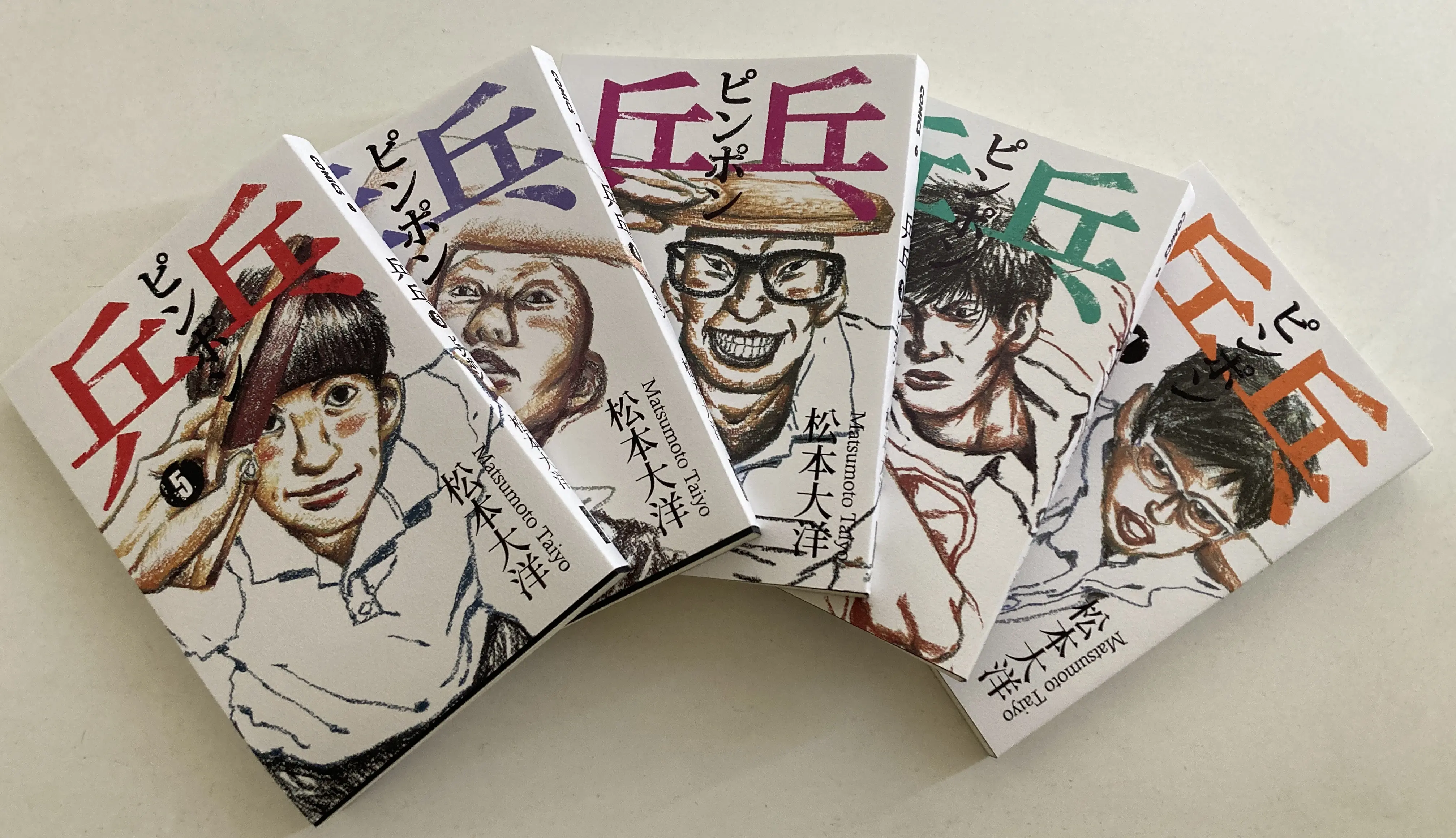
Yes, manga is widely popular in China, particularly among younger generations. Many Chinese readers enjoy Japanese manga due to its diverse genres and engaging storytelling. Here are some key reasons for its popularity:
- Cultural proximity: Japanese and Chinese cultures share similarities, making manga relatable.
- Accessibility: Digital platforms like Bilibili Comics and Tencent Manga provide easy access.
- Influence of anime: Many manga series are adapted into anime, increasing their appeal.
Where Do Chinese People Read Manga?
Chinese readers access manga through multiple platforms, both legal and unofficial. The rise of digital reading has made it more convenient than ever. Here are the most common sources:
- Official platforms: Bilibili, Tencent Manga, and Manhua apps offer licensed translations.
- Scanlation groups: Unofficial translations are shared on forums and social media.
- Physical copies: Bookstores and e-commerce sites sell imported or translated volumes.
Do Chinese Readers Prefer Manga Over Manhua?
While manga has a strong following, manhua (Chinese comics) is also growing in popularity. Preferences vary depending on the reader's tastes. Here are some factors influencing their choices:
- Genre variety: Manga offers more established genres like shonen and seinen.
- Art style: Some prefer manga's distinct aesthetic over manhua's evolving styles.
- Localization: Manhua often features Chinese cultural themes, resonating with domestic readers.
How Does the Chinese Government Regulate Manga?
The Chinese government imposes strict regulations on foreign media, including manga. Content must comply with censorship laws. Here’s how this affects manga consumption:
- Licensing restrictions: Only approved titles are officially available.
- Content edits: Sensitive themes may be removed or altered.
- Digital monitoring: Authorities block unauthorized distribution.
What Are the Most Popular Manga Genres in China?
Chinese readers enjoy a wide range of manga genres, with some standing out more than others. The following are the most sought-after categories:
- Shonen: Action-packed series like One Piece and Naruto dominate.
- Romance: Titles like Fruits Basket attract a large female audience.
- Isekai: Fantasy worlds with reincarnation themes are gaining traction.
Frequently Asked Questions (FAQ)
Why should I read manga in Chinese if I'm not fluent in the language?
Reading manga in Chinese can be an excellent way to improve your language skills while enjoying engaging stories. Unlike textbooks, manga provides visual context through illustrations, making it easier to infer meanings even if you don't understand every word. Additionally, the informal dialogue and colloquial expressions found in manga expose you to real-life language usage, helping you sound more natural in conversations. Over time, this method can boost vocabulary retention and grammar comprehension in a fun, low-pressure way.
How can reading manga in Chinese enhance my cultural understanding?
Manga often reflects cultural nuances, traditions, and societal norms unique to Chinese-speaking communities. By immersing yourself in these stories, you gain insights into everyday life, humor, and values that textbooks might overlook. For example, certain phrases or jokes may carry cultural significance that deepens your appreciation of the language. Moreover, many manga explore historical events or folklore, offering a richer perspective on China's heritage. This cultural context makes your learning journey more meaningful and engaging.
What strategies can I use to learn effectively while reading Chinese manga?
To maximize learning, start with simpler manga aimed at younger audiences, as they use basic vocabulary and shorter sentences. Keep a dictionary or translation app handy to look up unfamiliar words, but avoid translating every single term—focus on key phrases instead. Another strategy is to reread chapters multiple times to reinforce comprehension. You can also take notes on recurring words or grammar patterns. Over time, challenge yourself with more complex series to expand your proficiency naturally.
Are there specific genres of Chinese manga that are better for language learners?
Yes, certain genres tend to be more accessible for learners. Slice-of-life and comedy manga often feature everyday conversations and relatable scenarios, making them ideal for beginners. On the other hand, historical or fantasy manga may include archaic terms or specialized vocabulary, which can be challenging but rewarding for advanced learners. If your goal is practical language use, prioritize genres with modern settings and dialogue-heavy content. Ultimately, choosing a genre you enjoy will keep you motivated throughout the learning process.
Leave a Reply
Related Posts