
Memorising dictionaries to boost Chinese reading ability

Memorising dictionaries is often seen as a daunting task, yet it holds surprising potential for enhancing Chinese reading proficiency. Chinese characters, with their intricate strokes and multiple meanings, require a strong foundational vocabulary to navigate texts fluently. By systematically memorising high-frequency words and their contextual usage, learners can significantly improve comprehension speed and accuracy. This method not only expands lexical knowledge but also deepens understanding of character combinations and grammatical structures. While unconventional, dictionary memorisation bridges the gap between basic vocabulary and advanced literacy, making it a valuable strategy for serious learners. This article explores its benefits, practical techniques, and how to integrate it effectively into language study.
- Memorising Dictionaries to Boost Chinese Reading Ability: A Strategic Approach
- How can I improve my reading skills in Chinese?
- Can you learn a language by memorizing the dictionary?
- How can I memorize Chinese words better?
- How to get better at reading and writing Chinese?
-
Frequently Asked Questions (FAQ)
- Is memorising dictionaries an effective way to improve Chinese reading skills?
- How many words should I memorise daily to see progress in Chinese reading?
- What are the best techniques for memorising Chinese dictionary entries efficiently?
- Can memorising dictionaries alone make me fluent in reading Chinese?
Memorising Dictionaries to Boost Chinese Reading Ability: A Strategic Approach
The Role of Vocabulary in Chinese Reading Comprehension
Expanding your vocabulary is essential for improving Chinese reading skills. Unlike alphabetic languages, Chinese relies heavily on characters and compound words, making memorisation a key factor. By systematically learning words from a dictionary, you expose yourself to a broader range of contexts and usages, which enhances comprehension.
| Key Aspect | Impact on Reading |
|---|---|
| Character Recognition | Faster decoding of texts |
| Word Frequency | Better grasp of common terms |
| Contextual Understanding | Improved inference of meanings |
Effective Techniques for Memorising Chinese Dictionaries
Memorising an entire dictionary may seem overwhelming, but structured techniques can make it manageable. Spaced repetition, mnemonics, and chunking are proven methods. For example, grouping words by radicals or themes helps reinforce memory. Additionally, using flashcards (digital or physical) ensures consistent review.
See AlsoKickstart your Chinese character learning with the 100 most common radicals| Technique | Benefit |
|---|---|
| Spaced Repetition | Long-term retention |
| Mnemonics | Easier recall |
| Chunking | Efficient learning |
Common Pitfalls When Memorising Chinese Words
Many learners struggle due to inefficient methods or lack of consistency. Overloading with rare characters or neglecting pronunciation can hinder progress. Another mistake is focusing solely on isolated words without sentence examples, which limits practical application.
| Pitfall | Solution |
|---|---|
| Ignoring Context | Study example sentences |
| Skipping Review | Schedule regular revisions |
| Overemphasis on Rare Words | Prioritise high-frequency terms |
How Dictionary Memorisation Enhances Reading Speed
A strong vocabulary base reduces the need for constant look-ups, allowing smoother reading flow. Recognising characters and phrases instantly improves processing speed. Over time, this leads to effortless comprehension of complex texts.
| Factor | Effect on Speed |
|---|---|
| Familiarity with Characters | Faster recognition |
| Reduced Look-ups | Uninterrupted reading |
| Pattern Recognition | Quick understanding |
Balancing Dictionary Study with Real-World Reading
While memorising dictionaries is helpful, applying knowledge in authentic materials is crucial. Reading news articles, books, or subtitles reinforces learned words. This balance ensures practical usage and prevents rote memorisation from becoming ineffective.
See AlsoLearn Chinese Through Weather Forecasts| Activity | Benefit |
|---|---|
| Reading Books | Contextual exposure |
| News Articles | Current vocabulary |
| Subtitles | Listening + reading synergy |
How can I improve my reading skills in Chinese?

Start with Basic Chinese Characters and Vocabulary
To build a strong foundation, begin by learning basic Chinese characters and high-frequency vocabulary. Focus on characters that appear frequently in daily life and texts. Here’s how:
- Use flashcards or apps like Anki or Pleco to memorize characters and their meanings.
- Practice writing characters repeatedly to reinforce recognition and recall.
- Learn radicals, the building blocks of characters, to understand their structure and meaning.
Read Graded Chinese Readers
Graded readers are tailored to different proficiency levels and help you progress systematically. Here’s how to use them effectively:
See AlsoMapping the terra incognita of Chinese vocabulary- Choose books matching your current level (e.g., HSK 1-6) to avoid frustration.
- Highlight unknown words and review them later to expand your vocabulary.
- Re-read passages to improve fluency and comprehension over time.
Incorporate Authentic Chinese Materials
Expose yourself to real-world content like news articles, blogs, or social media. Here’s how:
- Follow Chinese news platforms (e.g., BBC Chinese or Xinhua) for formal language.
- Read Chinese forums like Zhihu to encounter colloquial expressions.
- Use browser extensions like Zhongwen Popup Dictionary to translate unfamiliar words instantly.
Practice Active Reading Techniques
Engage with the text actively to deepen understanding. Try these methods:
- Summarize paragraphs in your own words to check comprehension.
- Ask questions about the content to stay focused and critical.
- Annotate texts with notes or translations to reinforce learning.
Join a Chinese Reading Group or Class
Learning with others can boost motivation and accountability. Consider these steps:
- Find online communities (e.g., Reddit’s r/ChineseLanguage) for recommendations and support.
- Enroll in a course focusing on reading skills, such as those on Coursera or iTalki.
- Participate in book clubs where members discuss Chinese texts and share insights.
Can you learn a language by memorizing the dictionary?

The Limitations of Memorizing a Dictionary for Language Learning
Memorizing a dictionary alone is insufficient for mastering a language. While it may expand your vocabulary, it lacks critical elements like grammar, context, and usage. Here’s why:
- No grammar rules: Dictionaries don’t teach sentence structure or verb conjugations.
- Lack of context: Words often have multiple meanings depending on usage.
- No practice: Memorization doesn’t develop speaking, listening, or writing skills.
The Role of Vocabulary in Language Acquisition
A strong vocabulary is essential, but it’s only one piece of the puzzle. Here’s how it fits into language learning:
- Foundation: Words are building blocks, but they need structure (grammar) to form sentences.
- Comprehension: Recognizing words helps in reading and listening but not in producing language.
- Active vs. passive: Memorized words often remain passive unless used in practice.
Why Context Matters More Than Rote Memorization
Learning words in isolation ignores how they function in real communication. Key points include:
- Idiomatic expressions: Many phrases don’t translate literally.
- Cultural nuances: Words carry cultural connotations not found in dictionaries.
- Collocations: Words often appear in specific combinations (e.g., make a decision).
The Importance of Practical Application in Language Learning
Memorization without application leads to limited fluency. Essential practices include:
- Conversation: Speaking with natives reinforces word usage.
- Writing exercises: Constructing sentences helps internalize grammar and vocabulary.
- Listening practice: Exposure to spoken language improves comprehension and pronunciation.
Alternative Strategies to Complement Dictionary Memorization
To learn effectively, combine dictionary use with other methods:
- Language apps: Tools like Duolingo or Anki integrate vocabulary with grammar.
- Immersion: Surround yourself with the language through media or travel.
- Language partners: Practice with native speakers for real-world feedback.
How can I memorize Chinese words better?
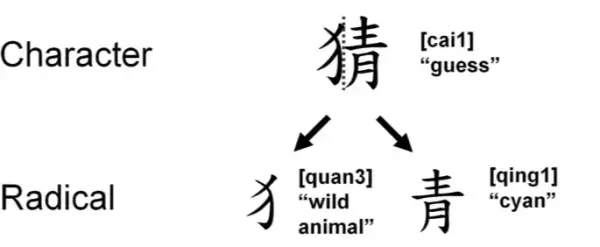
Use Mnemonics to Associate Characters with Meanings
Mnemonics are a powerful tool for memorizing Chinese characters by linking them to familiar images or stories. Since Chinese characters are often pictographic or ideographic, creating mental associations can make them easier to recall.
- Break down characters into smaller components and assign meanings to each part.
- Create vivid stories or images that connect the character's shape to its meaning.
- Use apps like Skritter or Anki to reinforce mnemonic-based learning.
Practice Writing Characters Regularly
Writing Chinese characters by hand reinforces muscle memory and helps internalize their structure. Repetition is key to long-term retention.
- Write each character multiple times, focusing on stroke order.
- Use grid paper to maintain proper proportions and spacing.
- Review old characters while learning new ones to prevent forgetting.
Leverage Spaced Repetition Systems (SRS)
Spaced repetition is a scientifically proven method to optimize memorization by reviewing words at increasing intervals.
- Use apps like Anki or Pleco to schedule reviews based on memory strength.
- Focus on difficult characters more frequently until they stick.
- Combine SRS with audio to reinforce pronunciation and recognition.
Learn Characters in Context
Memorizing Chinese words in isolation is less effective than learning them within sentences or phrases.
- Read short texts or dialogues to see characters used naturally.
- Watch Chinese media with subtitles to connect words to real-life usage.
- Practice writing sentences using new vocabulary to reinforce understanding.
Engage Multiple Senses for Better Retention
Incorporating visual, auditory, and kinesthetic learning methods can enhance memory.
- Listen to native speakers and repeat words aloud to improve pronunciation.
- Use flashcards with images and audio for multisensory learning.
- Trace characters in the air or on surfaces to engage muscle memory.
How to get better at reading and writing Chinese?
Build a Strong Foundation in Chinese Characters
To improve your reading and writing skills in Chinese, start by mastering the basics of Chinese characters (Hanzi). Focus on radicals, strokes, and common character components to understand how characters are constructed. Use spaced repetition systems (SRS) like Anki to memorize characters efficiently.
- Learn radicals: Understanding the building blocks of characters helps in recognizing and memorizing them.
- Practice stroke order: Writing characters correctly improves retention and readability.
- Use flashcards: Tools like Anki or Pleco can reinforce character recognition.
Expand Your Vocabulary Systematically
A rich vocabulary is essential for reading comprehension and writing fluency. Focus on high-frequency words and phrases first, then gradually move to more advanced terms. Contextual learning through sentences or stories is highly effective.
- Prioritize common words: Start with the most frequently used characters and words.
- Learn in context: Study words within sentences or short paragraphs to understand usage.
- Review regularly: Consistent practice prevents forgetting and reinforces memory.
Practice Reading Daily with Graded Materials
Regular reading practice is crucial for improving comprehension and speed. Begin with graded readers or children's books, then progress to newspapers, blogs, or novels as your skills advance.
- Start simple: Use materials designed for learners, like HSK-level readers.
- Highlight unknown words: Look them up and add them to your vocabulary list.
- Read aloud: This improves pronunciation and reinforces character recognition.
Write Regularly and Seek Feedback
Writing in Chinese requires consistent practice. Begin with short sentences, then move to paragraphs and essays. Feedback from native speakers or teachers is invaluable for correcting mistakes.
- Keep a journal: Write daily entries to practice forming sentences.
- Copy texts: Handwriting passages from books improves character recall.
- Use language exchange platforms: Websites like HelloTalk or iTalki connect you with native speakers for corrections.
Immerse Yourself in Chinese Media
Exposure to authentic materials like TV shows, movies, podcasts, and news accelerates learning. This helps you grasp natural phrasing, idioms, and cultural nuances.
- Watch Chinese TV: Use subtitles initially, then gradually remove them.
- Listen to podcasts: Improves listening skills and exposes you to spoken language patterns.
- Follow Chinese social media: Platforms like Weibo or Zhihu provide real-life language usage.
Frequently Asked Questions (FAQ)
Is memorising dictionaries an effective way to improve Chinese reading skills?
Memorising dictionaries can be a double-edged sword when it comes to improving Chinese reading ability. On one hand, it helps learners quickly expand their vocabulary, which is essential for understanding written texts. However, simply memorising words without context can lead to superficial retention and difficulty in applying them naturally. To maximise effectiveness, learners should combine dictionary memorisation with extensive reading and practical usage in sentences.
How many words should I memorise daily to see progress in Chinese reading?
The ideal number of words to memorise daily depends on your learning pace and retention ability. A moderate goal of 10-20 words per day is often recommended, as it balances progress with sustainability. However, quality matters more than quantity—focus on understanding usage, pronunciation, and common collocations rather than just rote memorisation. Regular review sessions are crucial to reinforce long-term retention.
What are the best techniques for memorising Chinese dictionary entries efficiently?
To memorise Chinese dictionary entries efficiently, use mnemonics, spaced repetition systems (SRS) like Anki, and visual associations for characters. Breaking down compound words into their individual characters can also aid comprehension. Additionally, practice writing characters by hand to reinforce memory. Pairing memorisation with real-world exposure, such as reading news articles or books, helps solidify understanding and application.
Can memorising dictionaries alone make me fluent in reading Chinese?
While memorising dictionaries significantly boosts vocabulary, it is not sufficient alone for achieving fluency in reading Chinese. Fluency requires contextual understanding, familiarity with grammar patterns, and exposure to diverse texts. Supplement dictionary study with reading practice, listening exercises, and conversation to develop a well-rounded command of the language. Over-reliance on memorisation may hinder natural comprehension and speed.
Leave a Reply
Related Posts