
Why learning Chinese through music is underrated

Learning Chinese is often seen as a daunting task, with its complex characters and tonal pronunciation. However, one highly effective yet underrated method is through music. Songs provide a natural way to absorb vocabulary, grammar, and tones while making the process enjoyable. The rhythm and repetition in lyrics help reinforce memory, and melodies make tones easier to grasp. Beyond textbooks, music exposes learners to cultural nuances and colloquial expressions. Whether it’s pop, folk, or classical, Chinese music bridges the gap between study and real-world usage. For anyone struggling with traditional methods, turning to music could be the key to unlocking fluency in a fun and engaging way.
Why Learning Chinese Through Music Is an Underrated Method
Learning Chinese through music is often overlooked, yet it offers a dynamic and engaging way to absorb the language naturally. Songs combine rhythm, pronunciation, and cultural context, making them an excellent tool for language acquisition. Unlike traditional methods, music helps learners internalize tones, vocabulary, and sentence structures effortlessly while keeping the process enjoyable.
The Power of Repetition in Language Retention
Music naturally incorporates repetition, reinforcing vocabulary and phrases without monotony. Catchy choruses and verses allow learners to memorize words and grammatical patterns subconsciously. Studies show that repetitive listening enhances long-term memory, making songs an ideal supplement to textbooks.
See AlsoWhich Chinese language course should you take?| Benefit | How Music Helps |
|---|---|
| Vocabulary Retention | Repeated exposure to words in lyrics |
| Grammar Patterns | Natural usage in song structures |
| Pronunciation | Mimicking native singers' articulation |
Mastering Chinese Tones Through Melody
Chinese is a tonal language, and music inherently trains the ear to distinguish pitch variations. Melodies align with the four tones, helping learners associate sounds with meanings more intuitively. Singing along improves tonal accuracy, reducing common pronunciation errors.
| Tone | Musical Connection |
|---|---|
| First Tone (High) | Sustained high notes in melodies |
| Second Tone (Rising) | Ascending musical phrases |
Cultural Context and Idiomatic Expressions
Music exposes learners to cultural nuances and colloquial phrases often absent in textbooks. Lyrics reflect everyday speech, slang, and poetic expressions, providing deeper insight into how native speakers communicate.
| Element | Learning Advantage |
|---|---|
| Idioms | Common sayings used creatively |
| Metaphors | Cultural references in lyrics |
Enhanced Listening Comprehension Skills
Songs challenge learners to parse fast-paced speech and varied accents, improving overall listening skills. Unlike scripted dialogues, music trains the brain to process natural flow and rhythm, crucial for real-world conversations.
See AlsoThe new HSK 3.0: What you need to know| Skill | Musical Benefit |
|---|---|
| Speed Adaptation | Keeping up with rapid lyrics |
| Accent Familiarity | Exposure to regional singing styles |
Motivation and Emotional Connection
Music creates an emotional bond with the language, boosting motivation. Enjoyable melodies make practice feel less like study and more like entertainment, encouraging consistent engagement.
| Factor | Impact |
|---|---|
| Enjoyment | Sustains long-term learning interest |
| Memorability | Emotionally charged lyrics stick better |
Can I learn Chinese by listening to music?

Can Listening to Chinese Music Improve Language Skills?
Listening to Chinese music can help improve your language skills, but it should not be the only method used. Music exposes you to pronunciation, vocabulary, and cultural context. Here’s how it can help:
See AlsoImproving your Chinese while watching TV shows- Pronunciation: Songs often emphasize tones and rhythm, aiding in better tonal recognition.
- Vocabulary: Lyrics introduce common words and phrases in a memorable way.
- Listening Comprehension: Repeated exposure helps train your ear to recognize spoken Chinese.
What Are the Limitations of Learning Chinese Through Music?
While helpful, learning Chinese solely through music has limitations:
- Informal Language: Lyrics may use slang or poetic expressions not common in daily speech.
- Lack of Structure: Music doesn’t teach grammar rules systematically.
- Limited Interaction: Passive listening doesn’t develop speaking or writing skills.
How to Maximize Learning Chinese with Music?
To make the most of Chinese music for learning, follow these steps:
- Look Up Lyrics: Read along with the lyrics to connect sounds with written words.
- Repeat and Sing: Mimicking singers improves pronunciation and fluency.
- Use Subtitles: Watch music videos with subtitles for better comprehension.
What Genres of Chinese Music Are Best for Learning?
Certain genres are more effective for language learning:
See AlsoAll Duolingo Characters: Names, Stories, and Personalities- Pop Music: Uses simple, repetitive lyrics ideal for beginners.
- Ballads: Slower tempo allows clearer pronunciation.
- Children’s Songs: Basic vocabulary and clear enunciation.
Should You Combine Music with Other Learning Methods?
Yes, combining music with other methods enhances learning:
- Textbooks: Provide grammar and structured lessons.
- Language Apps: Offer interactive exercises.
- Conversation Practice: Reinforces speaking skills.
Why is Chinese music so unique?

The Influence of Traditional Chinese Instruments
Chinese music stands out due to its use of traditional instruments like the erhu, guzheng, and pipa, which produce distinct tonal qualities. These instruments contribute to the music's melodic richness and cultural depth.
See AlsoIs Learning Chinese Hard? The 5 Critical Points- The erhu, a two-stringed fiddle, creates expressive, vocal-like tones.
- The guzheng, a plucked zither, offers resonant, shimmering notes.
- The pipa, a lute, delivers rapid, percussive melodies.
Pentatonic Scale and Unique Harmonies
Chinese music often employs the pentatonic scale, giving it a harmonically distinct sound compared to Western music. This scale avoids semitones, creating an open, flowing quality.
- The five-note scale (e.g., do-re-mi-sol-la) is foundational.
- Melodies often emphasize circular phrasing rather than rigid cadences.
- Harmonies are sparse, focusing on melodic lines over chords.
Cultural and Philosophical Foundations
Chinese music reflects Confucian and Taoist principles, emphasizing balance, nature, and emotional restraint.
- Music was historically tied to rituals and moral education.
- Improvisation is rare; precision and tradition are prioritized.
- Lyrics often draw from classical poetry and folklore.
Regional Diversity and Folk Traditions
China's vast geography fosters regional styles, from the mountainous folk songs of the south to the belt-like vocals of northern opera.
- Jiangnan sizhu features silk-and-bamboo ensembles.
- Peking opera combines singing, acrobatics, and elaborate costumes.
- Minority groups, like the Mongols, contribute throat-singing techniques.
Modern Fusion and Global Influence
Contemporary Chinese music blends traditional elements with pop, rock, and electronic genres, creating a unique hybrid sound.
- Artists like Jay Chou mix Mandopop with classical motifs.
- Film scores (e.g., Crouching Tiger, Hidden Dragon) popularize Chinese instrumentation globally.
- Experimental genres incorporate AI and digital production.
What are the benefits of listening to Chinese music?
Enhancing Cultural Understanding Through Chinese Music
Listening to Chinese music provides a gateway to understanding the country's rich cultural heritage. Traditional instruments like the guzheng or erhu offer insights into China's history, while modern pop reflects contemporary societal trends.
- Exposure to traditional melodies deepens appreciation for China's artistic legacy.
- Lyrics often incorporate classical poetry, offering linguistic and philosophical insights.
- Modern genres blend East-West influences, showcasing cultural evolution.
Improving Language Skills with Chinese Music
Regularly listening to Chinese songs can significantly enhance language proficiency, especially for learners. The repetitive nature of lyrics aids vocabulary retention, while varied dialects expand linguistic awareness.
- Helps master Mandarin tones through melodic pronunciation.
- Introduces colloquial phrases not found in textbooks.
- Improves listening comprehension through diverse vocal styles.
Stress Relief and Emotional Benefits
The soothing qualities of Chinese classical music or the energetic beats of C-pop can effectively reduce stress. Music triggers emotional responses, offering both relaxation and motivation.
- Traditional guqin pieces promote mindfulness and calm.
- Upbeat Mandarin pop boosts mood and energy levels.
- Lyrics often explore universal emotions, fostering empathy.
Boosting Cognitive Abilities
Engaging with Chinese music stimulates the brain by exposing listeners to unfamiliar rhythms and scales, enhancing memory and focus.
- Encourages active listening to decipher tonal variations.
- Improves pattern recognition through complex compositions.
- Strengthens multitasking skills when following lyrics and melodies.
Connecting with Global Music Trends
Chinese artists like Jay Chou or G.E.M. dominate international charts, making their music a bridge to global pop culture while retaining unique local flavors.
- Discover cross-cultural collaborations with Western artists.
- Stay updated on Asian entertainment trends.
- Explore fusion genres like Chinese hip-hop or electronic.
Is music important in Chinese culture?
The Historical Significance of Music in Chinese Culture
Music has played a pivotal role in Chinese culture for thousands of years, dating back to ancient dynasties. It was deeply intertwined with rituals, governance, and philosophy.
- Confucian philosophy emphasized music as a tool for moral cultivation and social harmony.
- Ancient Chinese courts used music in ceremonial events to honor ancestors and deities.
- The Yuefu (imperial music bureau) was established during the Han Dynasty to preserve and standardize musical traditions.
Traditional Chinese Musical Instruments
China boasts a rich variety of traditional instruments, each with unique cultural significance and sound.
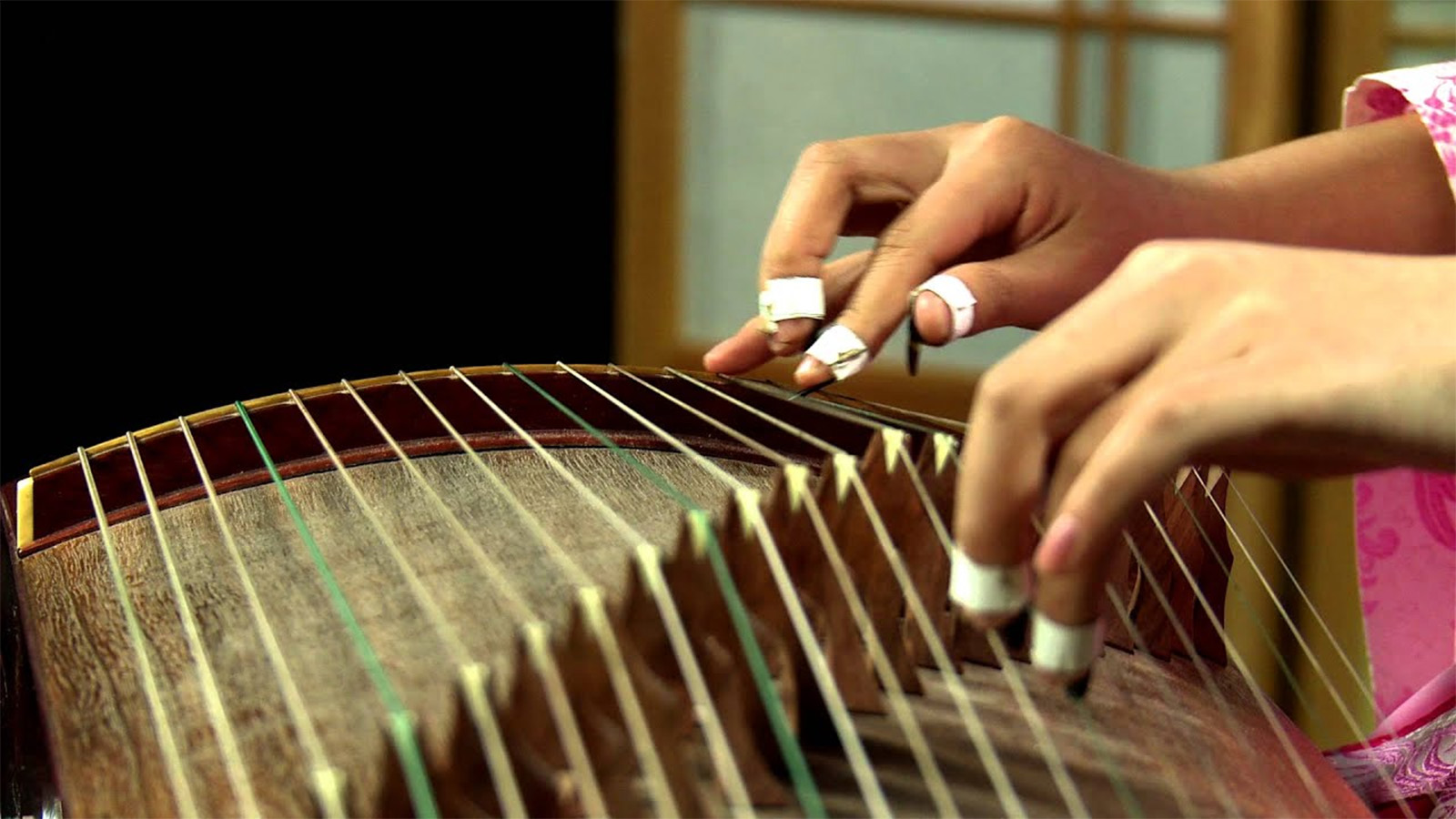
- The guzheng (zither) is one of the oldest instruments, symbolizing elegance and refinement.
- The erhu (two-stringed fiddle) is known for its melancholic and expressive tones.
- The pipa (lute) was popular in Tang Dynasty court music and storytelling.
Music in Chinese Festivals and Celebrations
Music is a central element in Chinese festivals, enhancing cultural identity and communal joy.
- During the Spring Festival, lion dances and drum performances create a lively atmosphere.
- The Mid-Autumn Festival features moon-themed songs and folk melodies.
- Opera and regional music styles are performed during Dragon Boat Festival celebrations.
The Influence of Chinese Opera
Chinese opera, such as Peking Opera, is a cornerstone of the country's musical and theatrical heritage.
- It combines music, singing, acrobatics, and elaborate costumes.
- The use of jinghu (a high-pitched fiddle) and percussion instruments defines its distinct sound.
- Opera stories often draw from historical legends and moral teachings.
Modern Chinese Music and Global Influence
Contemporary Chinese music blends traditional elements with global trends, creating a dynamic cultural exchange.
- Mandopop (Mandarin pop music) has gained international popularity with artists like Jay Chou.
- Fusion genres incorporate traditional instruments into electronic and hip-hop music.
- China's music industry is expanding, with events like the Midi Music Festival showcasing diverse styles.
Frequently Asked Questions (FAQ)
Why is learning Chinese through music considered underrated?
Learning Chinese through music is often overlooked because many people associate language acquisition with traditional methods like textbooks, flashcards, or formal classes. However, music engages multiple areas of the brain, making it a powerful tool for memorization and pronunciation. Songs naturally incorporate rhythm, repetition, and emotional connection, which help learners retain vocabulary and grammar structures more effectively. Despite these benefits, music is rarely highlighted as a primary resource in language learning curricula, leaving its potential untapped.
How does music improve Chinese pronunciation and tone recognition?
Chinese is a tonal language, meaning the pitch or intonation of a word can change its meaning. Music, with its melodic and rhythmic patterns, trains the ear to distinguish these subtle tonal differences. By singing along to songs, learners practice natural intonation and stress, which are critical for fluency. Additionally, lyrics often slow down speech, allowing learners to mimic sounds more accurately than in fast-paced conversations. This method is far more engaging than repetitive drills, yet it remains underutilized.
What types of Chinese songs are best for language learners?
For beginners, slow-tempo pop songs or children’s music are ideal because they feature simple vocabulary and clear pronunciation. As proficiency grows, learners can explore folk songs, ballads, or even rap to challenge their listening skills. Songs with repetitive choruses are particularly useful for reinforcing common phrases. However, many learners miss out on this diversity because they aren’t aware of how to curate a playlist tailored to their level, leading to missed opportunities for immersive learning.
Can music really replace traditional Chinese learning methods?
While music shouldn’t completely replace textbooks or grammar exercises, it serves as a powerful supplement that enhances retention and motivation. Traditional methods focus on rules and structure, whereas music provides contextual and emotional learning. Combining both approaches creates a balanced strategy, yet many learners rely solely on conventional techniques. By underestimating music’s role, they miss out on a fun and effective way to master Chinese.
Leave a Reply
Related Posts