
Learning to write Chinese characters through communication

Learning to write Chinese characters can seem daunting, but integrating communication into the process makes it both practical and engaging. By focusing on real-life interactions—such as writing messages, notes, or simple conversations—learners naturally reinforce stroke order, structure, and meaning. This approach shifts the emphasis from rote memorization to meaningful application, helping students retain characters more effectively. Whether through handwritten letters, digital chats, or collaborative exercises, communication bridges the gap between theory and usage. As learners connect characters to context, they develop not only writing skills but also cultural understanding. Embracing this method transforms character practice into a dynamic, interactive experience that enhances fluency and confidence.
- Mastering Chinese Characters Through Effective Communication
- What is the best way to learn to write Chinese?
- How to learn Chinese characters quickly?
- How do Chinese students learn to write?
-
Frequently Asked Questions (FAQ)
- What is the best way to learn Chinese characters through communication?
- How can I practice writing Chinese characters while communicating?
- Are there specific communication activities that help with memorizing Chinese characters?
- What challenges might I face when learning Chinese characters through communication?
Mastering Chinese Characters Through Effective Communication
The Role of Communication in Learning Chinese Characters
Learning to write Chinese characters becomes more effective when paired with communication. Engaging in conversations helps reinforce character recognition and usage in real-life contexts. By practicing writing while communicating, learners develop a deeper understanding of stroke order, radicals, and character composition. This method bridges the gap between memorization and practical application.
| Key Aspect | Benefit |
|---|---|
| Interactive Practice | Improves retention and recall |
| Contextual Learning | Enhances understanding of character usage |
| Immediate Feedback | Helps correct mistakes in real time |
Practical Techniques for Writing Characters in Conversations
Incorporating writing practice into daily conversations can be done through techniques like note-taking, messaging, or writing down spoken phrases. Using pinyin alongside characters helps learners transition smoothly. Tools like language exchange apps or writing prompts encourage active participation and reinforce learning.
See AlsoThe Cthulhu bubble and studying Chinese| Technique | Effectiveness |
|---|---|
| Note-Taking | Reinforces memory through repetition |
| Messaging | Encourages real-time character usage |
| Writing Prompts | Stimulates creative application |
Common Challenges and How to Overcome Them
Learners often face difficulties with complex characters and stroke order. Breaking characters into radicals and practicing them individually can simplify the process. Regular feedback from native speakers helps identify and correct errors early.
| Challenge | Solution |
|---|---|
| Complex Characters | Learn radicals first |
| Stroke Order | Use guided writing sheets |
| Retention | Spaced repetition techniques |
Using Technology to Enhance Character Writing Skills
Digital tools like handwriting input apps, flashcards, and language learning platforms make practicing Chinese characters more interactive. These tools provide instant feedback and gamify the learning process, keeping motivation high.
| Tool | Advantage |
|---|---|
| Handwriting Apps | Simulates real writing experience |
| Flashcards | Improves memorization |
| Learning Platforms | Offers structured lessons |
The Importance of Consistency and Real-Life Practice
Regular practice through daily communication is crucial for mastering Chinese characters. Writing journals, letters, or even shopping lists in Chinese reinforces learning. Consistency helps build muscle memory and confidence in writing.
See AlsoLearning tones in Mandarin is not optional| Activity | Impact |
|---|---|
| Journaling | Encourages regular writing |
| Letters | Improves formal writing skills |
| Shopping Lists | Practices everyday vocabulary |
What is the best way to learn to write Chinese?

Understanding Chinese Characters: The Building Blocks
To effectively learn to write Chinese, it's essential to understand the structure of Chinese characters. Each character is composed of strokes and radicals, which are the foundational elements. Start by mastering the basic strokes and their order, as this will help you write characters correctly and efficiently.
- Learn stroke order rules: Chinese characters follow specific stroke sequences, which are crucial for legibility and speed.
- Practice radicals: Radicals are the building blocks of characters and often hint at meaning or pronunciation.
- Use grid paper: Writing on grid paper helps maintain proportion and balance in your characters.
Daily Practice: Consistency is Key
Regular practice is vital for mastering Chinese writing. Dedicate time each day to writing characters, even if it's just a few. Repetition reinforces muscle memory and improves accuracy over time.
See AlsoThe Chairman’s Bao Review (2025) - Your Complete Guide- Set a daily goal: Aim to write a specific number of characters or words each day.
- Review previous work: Revisiting older practice sheets helps identify recurring mistakes.
- Use flashcards: Flashcards with characters on one side and meanings on the other can reinforce memorization.
Utilizing Technology and Resources
Modern tools can significantly enhance your learning experience. Apps, online courses, and digital dictionaries provide interactive ways to practice and refine your writing skills.
- Try writing apps: Apps like Skritter or Pleco offer stroke-by-stroke guidance and feedback.
- Watch tutorial videos: YouTube and other platforms host countless tutorials on character writing.
- Join online communities: Forums or social media groups can provide support and motivation.
Learning Through Context: Sentences and Phrases
Writing isolated characters is useful, but practicing them in context accelerates learning. Writing full sentences or short paragraphs helps you understand how characters function together.
- Copy sample sentences: Start by replicating simple sentences from textbooks or articles.
- Write diary entries: Keep a daily journal in Chinese to practice real-life usage.
- Use language exchange: Partner with a native speaker to correct your writing.
Seeking Feedback and Correction
Constructive feedback is invaluable for improvement. Whether from a teacher, tutor, or language partner, corrections help you identify and fix mistakes early.
See AlsoTwo types of pronunciation problems and what to do about them- Work with a tutor: A professional can provide personalized guidance and corrections.
- Submit writing online: Platforms like LangCorrect allow native speakers to review your work.
- Compare with native writing: Analyze how native writers form characters and mimic their style.
How to learn Chinese characters quickly?
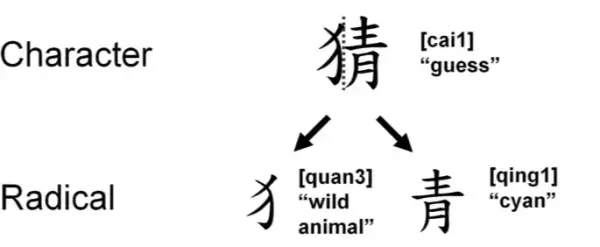
Understand the Structure of Chinese Characters
Chinese characters are composed of radicals and components, which often hint at meaning or pronunciation. Breaking them down simplifies memorization.
- Learn radicals first: Many characters share common radicals, which act as building blocks.
- Identify phonetic components: Some parts of a character indicate its pronunciation.
- Study stroke order: Writing characters correctly helps with recognition and recall.
Use Spaced Repetition Systems (SRS)
SRS tools like Anki or Pleco optimize memorization by reviewing characters at increasing intervals.
See AlsoAnalyse and balance your Chinese learning with Paul Nation’s four strands- Create flashcards: Include characters, pinyin, and meanings.
- Prioritize high-frequency characters: Focus on the most commonly used ones first.
- Review consistently: Daily practice reinforces long-term retention.
Practice Writing Characters Regularly
Writing by hand reinforces muscle memory and deepens understanding of character structure.
- Use grid paper: Maintain proper proportions and stroke alignment.
- Trace before writing: Start with tracing to familiarize yourself with strokes.
- Write in context: Use characters in sentences or phrases to solidify meaning.
Leverage Mnemonics and Stories
Associating characters with vivid mnemonics or stories makes them easier to remember.
- Create visual associations: Link characters to images or concepts.
- Use storytelling: Invent short narratives involving the character's components.
- Combine with radicals: Build mnemonics around radicals for consistency.
Immerse Yourself in Chinese Media
Exposure to characters in real-world contexts accelerates learning.
- Read graded readers: Start with simple texts and gradually increase difficulty.
- Watch subtitled content: Pair audio with character recognition.
- Use language apps: Apps like Duolingo or HelloChinese reinforce learning interactively.
How do Chinese students learn to write?
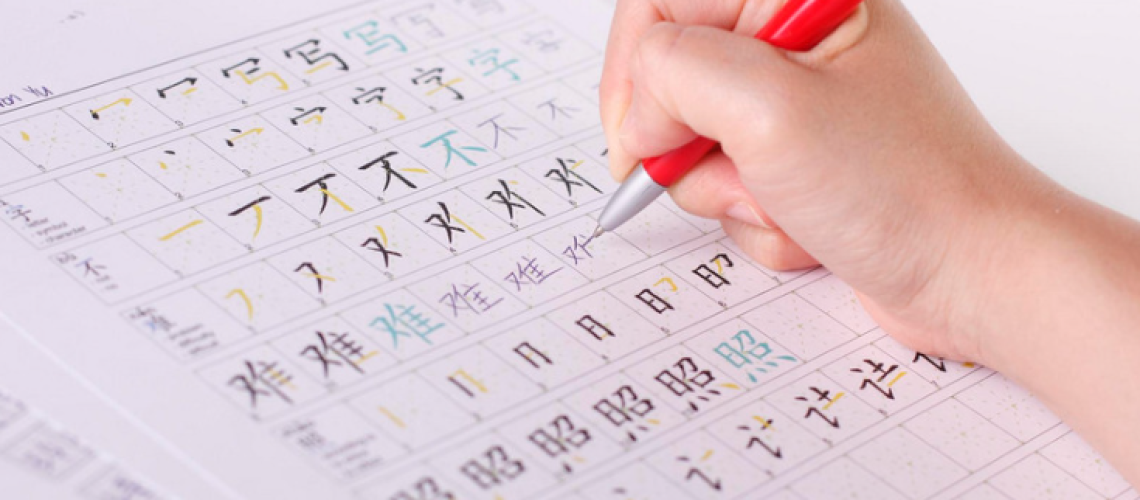
The Role of Pinyin in Learning Chinese Characters
Chinese students begin their writing journey by mastering Pinyin, a romanization system that uses the Latin alphabet to represent Mandarin sounds. This foundational step helps learners associate characters with pronunciation before tackling their complex strokes. Key aspects include:
- Phonetic guidance: Pinyin bridges the gap between spoken and written language, enabling students to sound out characters.
- Tone recognition: Students practice the four Mandarin tones through Pinyin to avoid mispronunciations.
- Transition to characters: Once familiar, learners gradually replace Pinyin with the actual characters in writing exercises.
Stroke Order and Character Structure
Writing Chinese characters requires adherence to strict stroke order rules, which are taught systematically. Students memorize the sequence and direction of strokes to ensure legibility and efficiency. Important elements include:
- Basic strokes: Learning horizontal (一), vertical (丨), and diagonal (丿) lines as building blocks.
- Radicals: Recognizing common components (e.g., 氵 for water-related characters) to decode meaning.
- Grid practice: Using squared paper to maintain proportion and balance in characters.
Repetition and Drilling Techniques
Chinese students rely heavily on repetition to internalize characters. Teachers assign extensive writing drills to reinforce memory and muscle memory. Methods include:
- Copying characters: Writing each character dozens of times in workbooks.
- Dictation tests: Weekly assessments to evaluate recall and accuracy.
- Spaced repetition: Revisiting older characters to prevent forgetting.
Integration with Reading and Vocabulary
Writing practice is closely tied to reading comprehension and vocabulary expansion. Students encounter characters in context to understand usage. Strategies involve:
- Textbook exercises: Writing sentences or paragraphs using newly learned characters.
- Storybooks: Reading graded readers to see characters in narratives.
- Flashcards: Combining character recognition with writing practice.
Technology and Modern Learning Tools
Digital tools have transformed how Chinese students learn writing. Apps and software supplement traditional methods with interactive features. Examples include:
- Handwriting input: Using touchscreens to draw characters and receive instant feedback.
- Animated stroke guides: Apps like Skritter demonstrate correct stroke order dynamically.
- Online communities: Platforms like HelloTalk for peer corrections and practice.
Frequently Asked Questions (FAQ)
What is the best way to learn Chinese characters through communication?
Learning Chinese characters through communication involves immersing yourself in real-life interactions, such as conversations, messaging, or social media exchanges. By engaging in meaningful communication, you reinforce character recognition and usage naturally. For example, chatting with native speakers or participating in language exchange programs helps you see characters in context, making them easier to remember. Additionally, using apps that combine pinyin, audio, and visual cues can enhance your understanding while keeping the learning process interactive and practical.
How can I practice writing Chinese characters while communicating?
Practicing writing Chinese characters during communication can be done by handwriting messages, taking notes, or even doodling characters while speaking. Tools like digital handwriting input on smartphones or tablets allow you to write characters directly during chats. Another effective method is to keep a language journal, where you jot down new characters encountered in conversations. Over time, this reinforces muscle memory and improves your ability to recall and write characters fluently.
Are there specific communication activities that help with memorizing Chinese characters?
Yes, certain activities can significantly boost your ability to memorize Chinese characters. For instance, participating in role-playing scenarios, such as ordering food or asking for directions, forces you to use characters in practical contexts. Watching and subtitling Chinese TV shows or videos also helps, as you associate characters with spoken words and visuals. Additionally, joining online forums or group chats focused on language learning provides repeated exposure to common characters, aiding retention.
What challenges might I face when learning Chinese characters through communication?
One common challenge is the speed of natural conversation, which can make it hard to recognize or write characters in real time. To overcome this, start with slower-paced interactions, like texting, before moving to spoken exchanges. Another issue is the complexity of characters, especially for beginners. Breaking characters into radicals and components can simplify learning. Lastly, regional variations or slang might confuse learners, so sticking to standard Mandarin initially is advisable.
Leave a Reply
Related Posts