
The virtues of learning Chinese through language exchange

Learning Chinese through language exchange offers a dynamic and immersive approach to mastering one of the world’s most spoken languages. Unlike traditional classroom settings, language exchange fosters real-world communication, allowing learners to practice Mandarin with native speakers while sharing their own language in return. This mutual exchange not only enhances linguistic skills but also deepens cultural understanding, making the learning process more engaging and effective. By engaging in conversations, correcting mistakes in real time, and building meaningful connections, learners gain confidence and fluency faster. Whether online or in person, language exchange transforms Chinese learning into a collaborative, practical, and enriching experience.
- The Benefits of Learning Chinese Through Language Exchange
- What are the advantages of learning Chinese language?
- What is the value of learning Chinese?
- What is the Chinese language exchange program?
- Why learn Mandarin instead of other languages?
-
Frequently Asked Questions (FAQ)
- What are the main benefits of learning Chinese through language exchange?
- How can I find a reliable language exchange partner for learning Chinese?
- What are the challenges of learning Chinese through language exchange, and how can I overcome them?
- How does language exchange compare to formal Chinese language classes?
The Benefits of Learning Chinese Through Language Exchange
1. Improved Pronunciation and Tone Accuracy
Learning Chinese through language exchange allows learners to practice with native speakers, which significantly enhances pronunciation and tone accuracy. Mandarin Chinese is a tonal language, meaning the meaning of a word can change based on tone. Regular interaction with native speakers helps learners master the four tones naturally.
| Benefit | Impact |
|---|---|
| Real-time feedback | Immediate corrections from native speakers |
| Natural intonation | Learners mimic native speech patterns |
2. Cultural Immersion and Contextual Learning
A language exchange provides more than just vocabulary; it offers cultural insights that textbooks often miss. Understanding idioms, humor, and social norms from a native speaker makes learning more engaging and practical.
See AlsoChengyu, a magic key to Chinese language and culture, or a waste of time?| Benefit | Impact |
|---|---|
| Cultural nuances | Deeper understanding of Chinese customs |
| Contextual usage | Learn phrases in real-life situations |
3. Enhanced Listening and Speaking Skills
Regular conversations in a language exchange sharpen listening comprehension and fluency. Unlike scripted audio lessons, real dialogues expose learners to varied speaking speeds and accents.
| Benefit | Impact |
|---|---|
| Active listening | Better adaptation to natural speech |
| Spontaneous responses | Improved conversational ability |
4. Building Confidence in Real Conversations
Many learners struggle with confidence when speaking Chinese. A language exchange creates a low-pressure environment to practice without fear of mistakes, fostering self-assurance over time.
| Benefit | Impact |
|---|---|
| Mistake-friendly setting | Encourages trial and error |
| Peer support | Mutual learning reduces anxiety |
5. Cost-Effective and Flexible Learning
Unlike formal classes, language exchanges are often free and flexible. Platforms like Tandem or HelloTalk connect learners worldwide, making it accessible anytime, anywhere.
See AlsoCan English learning materials help you learn Chinese?| Benefit | Impact |
|---|---|
| No financial burden | Ideal for budget-conscious learners |
| Adaptable schedules | Practice at your own pace |
What are the advantages of learning Chinese language?
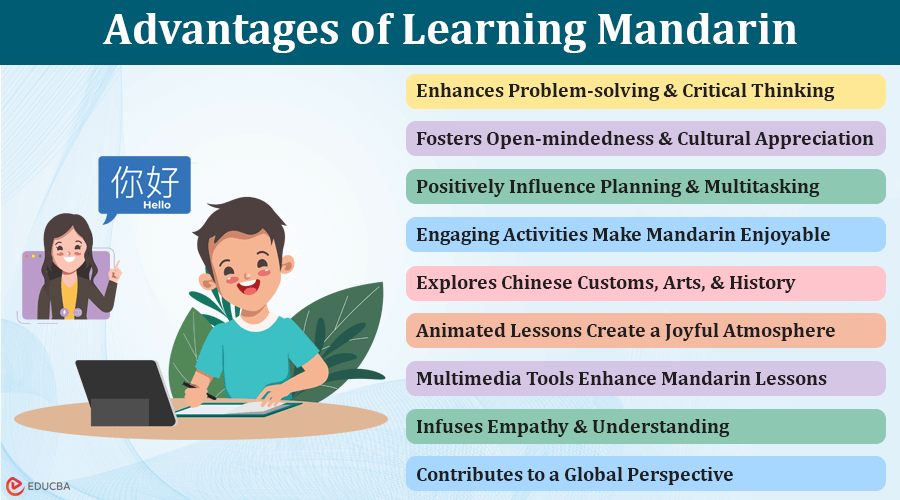
Enhanced Career Opportunities
Learning Chinese opens doors to a wide range of career opportunities, especially in industries like international business, trade, and diplomacy. As China is a global economic powerhouse, proficiency in the language gives professionals a competitive edge. Here are some key benefits:
- Higher employability in multinational companies with ties to China.
- Access to lucrative job markets in sectors like finance, technology, and manufacturing.
- Opportunities for business negotiations and partnerships with Chinese firms.
Cultural Understanding and Appreciation
Mastering Chinese allows for a deeper connection with one of the world's oldest and richest cultures. It provides insights into traditions, literature, and philosophy that are otherwise inaccessible. Key advantages include:
See AlsoBest AI-Powered Chatbot Apps to Help You Learn Chinese- Understanding classical Chinese texts like Confucianism and Daoism in their original form.
- Appreciating Chinese cinema, music, and art without relying on translations.
- Building meaningful relationships with native speakers by engaging in their cultural context.
Improved Cognitive Abilities
Learning Chinese challenges the brain due to its unique writing system and tonal nature, leading to cognitive benefits. Studies show that bilingualism enhances mental agility. Notable advantages are:
- Enhanced memory from memorizing thousands of characters.
- Better problem-solving skills due to the logical structure of the language.
- Increased multitasking ability as the brain switches between linguistic systems.
Travel and Exploration
Knowing Chinese makes traveling in China and other Mandarin-speaking regions more immersive and convenient. It eliminates language barriers and enriches the experience. Key benefits include:
- Navigating cities with ease by reading signs and communicating with locals.
- Discovering hidden gems and authentic experiences off the tourist trail.
- Gaining respect and hospitality from native speakers who appreciate the effort.
Academic and Research Advantages
Proficiency in Chinese provides access to a wealth of academic resources and research opportunities, particularly in fields like history, economics, and science. Notable benefits are:
See AlsoNew Reading and Listening Quizzes to Study Chinese- Accessing primary sources and scholarly works published in Chinese.
- Collaborating with Chinese universities and researchers on cutting-edge projects.
- Qualifying for scholarships and exchange programs in China and Taiwan.
What is the value of learning Chinese?

Economic and Career Advantages
Learning Chinese, particularly Mandarin, opens doors to vast economic opportunities. China is the world's second-largest economy, and proficiency in the language can significantly enhance career prospects. Here’s why:
- Global business relations increasingly depend on China, making Mandarin speakers highly valuable in industries like trade, finance, and technology.
- Many multinational companies seek employees who can bridge cultural and linguistic gaps in emerging markets.
- Proficiency in Chinese may lead to higher salaries and exclusive job opportunities in sectors like diplomacy and international relations.
Cultural and Intellectual Enrichment
Mastering Chinese provides deep cultural insights into one of the oldest civilizations. The language carries centuries of history, philosophy, and art. Key benefits include:
See AlsoChildren Learning Chinese (Is It Possible)?- Access to original texts like Confucian classics and ancient poetry without relying on translations.
- A better understanding of Chinese traditions, festivals, and social norms, fostering cross-cultural appreciation.
- Enhanced cognitive skills, as learning Chinese characters improves memory and problem-solving abilities.
Travel and Communication Benefits
China’s growing influence makes it a top destination for travel and work. Knowing the language transforms the experience:
- Easier navigation in Chinese-speaking regions, from bustling cities to rural areas.
- Deeper connections with locals, as many Chinese people appreciate foreigners who make an effort to speak their language.
- Access to hidden gems—restaurants, historical sites, and events—that are often overlooked by non-speakers.
Academic and Research Opportunities
Chinese is increasingly important in academia, with many institutions prioritizing its study. Advantages include:
- Scholarships and exchange programs in prestigious Chinese universities like Tsinghua or Peking University.
- Ability to conduct primary research in fields like Chinese history, medicine, or technology without language barriers.
- Collaboration with Chinese researchers, who produce a significant portion of global scientific papers.
Technological and Digital Influence
China is a leader in technology and innovation, making Chinese a valuable asset in the digital age. Key reasons to learn it:
- Understanding China’s tech giants (e.g., Huawei, Alibaba) and their global impact.
- Access to Chinese social media platforms (WeChat, Douyin) and e-commerce markets (Taobao, JD.com).
- Opportunities in AI, cybersecurity, and other cutting-edge fields where China is a major player.
What is the Chinese language exchange program?

What is the Chinese Language Exchange Program?
The Chinese Language Exchange Program is an initiative designed to facilitate mutual learning between native Chinese speakers and learners of the language. Participants engage in structured or informal conversations to improve their linguistic and cultural understanding. Here are some key aspects:
- Language practice: Partners take turns speaking in Chinese and another language, ensuring both benefit.
- Cultural immersion: Participants gain insights into Chinese traditions, customs, and social norms.
- Flexible formats: Programs can be in-person, online, or through organized meetups.
How Does the Chinese Language Exchange Program Work?
The program operates by pairing individuals or groups with complementary language goals. Here’s how it typically functions:
- Matching process: Participants are paired based on proficiency levels and interests.
- Structured sessions: Some programs provide guidelines or topics for discussion.
- Feedback loops: Partners often correct each other’s mistakes to enhance learning.
Benefits of Joining a Chinese Language Exchange Program
Participating in such a program offers numerous advantages for language learners:
- Improved fluency: Regular practice accelerates speaking and listening skills.
- Networking opportunities: Connects learners with native speakers and fellow enthusiasts.
- Cost-effective: Many exchanges are free or low-cost compared to formal classes.
Types of Chinese Language Exchange Programs
These programs come in various formats to suit different preferences:
- Online platforms: Websites and apps like Tandem or HelloTalk facilitate virtual exchanges.
- University partnerships: Many institutions organize exchanges for students.
- Community groups: Local clubs or meetups host regular language practice sessions.
Tips for Maximizing a Chinese Language Exchange
To get the most out of the experience, consider these strategies:
- Set clear goals: Define what you want to achieve (e.g., vocabulary, pronunciation).
- Be consistent: Schedule regular sessions to maintain progress.
- Embrace mistakes: View errors as learning opportunities rather than setbacks.
Why learn Mandarin instead of other languages?

Economic Opportunities and Global Influence
Learning Mandarin opens doors to vast economic opportunities, as China is the world's second-largest economy. Many multinational companies seek employees who can speak Mandarin to engage with Chinese markets. Additionally:
- China's economic growth ensures long-term relevance in global trade and business.
- Proficiency in Mandarin can lead to higher-paying jobs in industries like finance, technology, and manufacturing.
- China's Belt and Road Initiative creates demand for Mandarin speakers in infrastructure and international projects.
Cultural and Historical Significance
Mandarin provides access to one of the world's oldest and richest cultures, with a history spanning over 5,000 years. Understanding the language allows deeper appreciation of:
- Classical Chinese literature, including works like The Art of War and Confucian texts.
- Traditional arts such as calligraphy, opera, and poetry.
- Modern cultural exports, including cinema, music, and pop culture.
Growing Global Importance
Mandarin is the most spoken language globally, with over 1 billion native speakers. Its influence extends beyond China due to:
- Large Chinese diaspora communities in Southeast Asia, North America, and Europe.
- China's increasing role in international diplomacy and organizations like the UN.
- The rise of Mandarin as a second language in schools worldwide.
Technological and Scientific Advancements
China is a leader in technology and innovation, making Mandarin valuable for professionals in STEM fields. Key reasons include:
- Access to cutting-edge research papers and patents published primarily in Mandarin.
- Opportunities in AI, robotics, and green energy, where China dominates.
- Collaborations with Chinese tech giants like Huawei, Tencent, and Alibaba.
Travel and Communication Advantages
Speaking Mandarin enhances travel experiences in China and other Mandarin-speaking regions. Benefits include:
- Navigating China's vast cities and rural areas with ease.
- Building personal connections with locals, as English proficiency is limited outside major cities.
- Exploring lesser-known destinations where Mandarin is essential for communication.
Frequently Asked Questions (FAQ)
What are the main benefits of learning Chinese through language exchange?
Learning Chinese through language exchange offers numerous advantages, including real-life practice with native speakers. Unlike traditional classroom settings, language exchange allows you to engage in natural conversations, improving your pronunciation, listening skills, and cultural understanding. Additionally, it fosters mutual learning, as you help your partner with your native language while they assist you with Chinese. This method is also cost-effective and flexible, as it often involves informal, free exchanges.
How can I find a reliable language exchange partner for learning Chinese?
Finding a reliable language exchange partner can be achieved through various platforms, such as language exchange apps (e.g., Tandem, HelloTalk) or online communities. Look for partners who share similar learning goals and schedules to ensure consistency. It's also helpful to set clear expectations from the start, such as the time commitment and topics of interest. Meeting in public spaces or via video calls can enhance safety and comfort for both parties.
What are the challenges of learning Chinese through language exchange, and how can I overcome them?
While language exchange is highly beneficial, it comes with challenges like inconsistent practice or miscommunication due to varying proficiency levels. To overcome these, establish a structured schedule and use tools like shared documents or language learning apps to track progress. Another challenge is cultural differences, which can be addressed by maintaining an open-minded attitude and asking questions to clarify misunderstandings. Patience and persistence are key to making the most of the exchange.
How does language exchange compare to formal Chinese language classes?
Language exchange differs from formal classes in its informal, conversational approach. While classes provide structured lessons and grammar rules, language exchange focuses on practical communication and cultural immersion. Classes are ideal for beginners needing foundational knowledge, whereas language exchange is better for intermediate or advanced learners looking to refine their skills. Combining both methods can offer a balanced learning experience, leveraging the strengths of each approach.
Leave a Reply
Related Posts