
Learning Chinese characters through pictures

Learning Chinese characters can seem daunting, but associating them with pictures makes the process engaging and effective. Chinese characters, or hanzi, often originate from pictographs, where their shapes resemble real-world objects or concepts. By visualizing these connections, learners can unlock the meaning and structure of characters more intuitively. This method not only enhances memory retention but also adds a creative dimension to language study. Whether you're a beginner or looking to expand your vocabulary, using pictures to learn hanzi transforms a complex system into an accessible and enjoyable journey. Discover how imagery bridges the gap between symbols and their meanings, simplifying mastery of written Chinese.
Learning Chinese Characters Through Pictures: A Visual Approach
Detailed Explanation:
Learning Chinese characters through pictures is an effective method because it leverages visual memory, making it easier to recall complex characters. Many Chinese characters are pictographic or ideographic, meaning they originated from drawings of objects or concepts. By associating characters with images, learners can enhance retention and accelerate comprehension. This technique is especially useful for beginners who may struggle with stroke order and character composition.
1. The Origins of Pictographic Chinese Characters
Chinese characters, known as Hanzi, have evolved from ancient pictographs. For example, the character 山 (shān - mountain) originally resembled a drawing of three peaks. Understanding these visual roots helps learners recognize patterns and meanings in modern characters.
See AlsoMy Shanghai: A City of Change and Contrast| Character | Pictograph | Meaning |
|---|---|---|
| 日 (rì) | ☀️ (sun) | Sun/Day |
| 月 (yuè) | (moon) | Moon/Month |
2. How Visual Learning Enhances Memory
The human brain processes images 60,000 times faster than text. Associating Chinese characters with visual cues strengthens neural connections, making recall more intuitive. For instance, the character 木 (mù - tree) looks like a tree with branches, reinforcing its meaning through imagery.
| Character | Visual Association |
|---|---|
| 水 (shuǐ) | (flowing water) |
| 火 (huǒ) | (flames) |
3. Common Pictographic Characters for Beginners
Some of the easiest characters to learn visually include:
- 人 (rén - person) → Resembles a walking figure.
- 口 (kǒu - mouth) → Looks like an open mouth.
- 目 (mù - eye) → Depicts an eye with lashes.
| Character | Visual Form |
|---|---|
| 女 (nǚ) | (woman kneeling) |
| 子 (zǐ) | (baby with arms outstretched) |
4. Combining Pictographs to Form New Characters
Many Chinese characters are compound pictographs. For example:
- 明 (míng - bright) combines 日 (sun) and 月 (moon).
- 休 (xiū - rest) shows a 人 (person) leaning against a 木 (tree).
| Compound Character | Components |
|---|---|
| 好 (hǎo - good) | 女 (woman) + 子 (child) |
| 森 (sēn - forest) | Three 木 (trees) |
5. Tools and Resources for Visual Learning
Several resources can aid in learning characters through pictures:
- Flashcards with illustrated characters.
- Apps like Skritter or Pleco with image-based learning.
- Children’s books that use visual storytelling.
| Resource | Type |
|---|---|
| Remembering Simplified Hanzi | Book (Mnemonic Illustrations) |
| ChineseSkill App | Interactive Visual Lessons |
What is the fastest way to memorize Chinese characters?
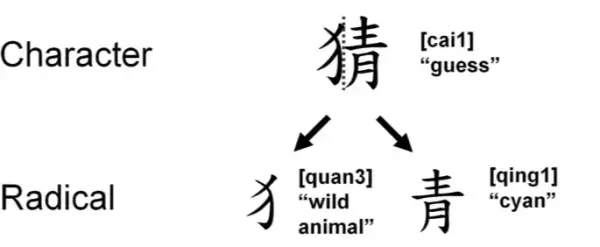
Understanding the Structure of Chinese Characters
The fastest way to memorize Chinese characters is by breaking them down into their fundamental components. Radicals and strokes are the building blocks of characters, and recognizing these patterns can significantly speed up learning. Here’s how to approach it:
See AlsoFocusing on Chinese tones without being distracted by Pinyin- Learn radicals first: Many characters share common radicals, which often hint at meaning or pronunciation.
- Analyze stroke order: Proper stroke order helps in writing characters correctly and memorizing them efficiently.
- Identify phonetic components: Some characters contain clues to their pronunciation, making them easier to recall.
Using Mnemonics and Visualization Techniques
Creating vivid mental associations is a powerful method for memorizing Chinese characters quickly. Mnemonics turn abstract symbols into memorable stories or images. Follow these steps:
- Associate characters with images: Link the shape of a character to a familiar object or scene.
- Create stories: Combine the meaning and components of a character into a short narrative.
- Use spaced repetition: Reinforce memory by reviewing characters at increasing intervals.
Practicing Writing and Repetition
Writing characters repeatedly reinforces muscle memory and visual recognition. Active recall is key to long-term retention. Here’s how to practice effectively:
- Write characters by hand: Physical writing engages the brain more deeply than typing.
- Use grid paper: Maintain proper proportions and stroke order for accuracy.
- Incorporate daily drills: Dedicate short, consistent sessions to writing practice.
Leveraging Technology and Apps
Modern tools can accelerate memorization through interactive learning. Flashcard apps and spaced repetition software (SRS) are highly effective. Consider these strategies:
- Use apps like Anki or Pleco: These tools automate spaced repetition for efficient review.
- Engage with gamified learning: Apps like Duolingo or Skritter make memorization fun.
- Watch videos or use OCR tools: Visual and contextual learning aids comprehension.
Immersing Yourself in Contextual Learning
Seeing characters in real-world contexts reinforces their meaning and usage. Reading and listening are crucial for retention. Apply these methods:
- Read simple texts: Start with children’s books or graded readers to build confidence.
- Watch Chinese media: Subtitled shows or movies expose you to characters in natural settings.
- Practice with native speakers: Conversations help solidify character recognition and usage.
Is Chinese writing based on pictures?
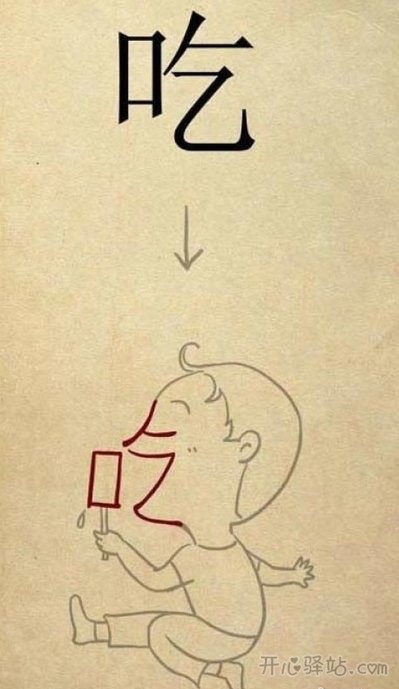
Is Chinese Writing Truly Pictographic?
Chinese writing is often described as pictographic, but this is only partially accurate. While some characters originated as pictograms, the system has evolved significantly. Modern Chinese includes:
- Pictograms: Simple representations of objects (e.g., 山 for mountain).
- Ideograms: Symbols representing abstract ideas (e.g., 上 for up).
- Compound characters: Combinations of meaning and sound components.
How Did Ancient Chinese Pictograms Evolve?
The earliest Chinese characters were indeed pictographic, dating back to Oracle Bone Script (1200 BCE). Key developments include:
- Simplification: Complex drawings became stylized symbols.
- Standardization: The Qin dynasty unified character forms.
- Abstraction: Pictorial elements became less recognizable over time.
What Percentage of Chinese Characters Are Pictographic?
Only about 4% of modern Chinese characters are pure pictograms. The writing system primarily consists of:
- Phonetic-semantic compounds (80-90% of characters).
- Ideograms and compound ideographs.
- Loan characters borrowed for sound rather than meaning.
How Do Chinese Characters Differ From Actual Pictures?
Unlike true pictures, Chinese characters follow strict structural rules:
- Stroke order: Characters must be written in specific sequences.
- Radical system: Components indicate meaning or pronunciation.
- Standardized forms: Each character has exact proportions and balance.
Can You Read Chinese Just By Recognizing Pictures?
Reading Chinese requires understanding multiple systems:
- Contextual clues: Characters combine to form words.
- Phonetic components: Many characters contain pronunciation hints.
- Grammatical particles: Abstract markers don't represent objects.
Is there an app that reads Chinese characters?

What Are the Best Apps for Reading Chinese Characters?
Several apps specialize in reading Chinese characters, offering features like OCR (Optical Character Recognition), translation, and pronunciation. Here are some top options:
- Pleco – A comprehensive dictionary with OCR for scanning and translating characters.
- Google Translate – Supports real-time camera translation for Chinese text.
- Hanping Chinese Camera – Focuses on instant character recognition and dictionary lookup.
How Do Chinese Character Reading Apps Work?
These apps use AI-powered OCR and machine learning to identify and interpret Chinese characters from images or live camera input. Key functionalities include:
- Image Scanning – Upload or capture text via the camera.
- Text Recognition – Converts characters into digital text.
- Translation & Pronunciation – Provides meanings and audio for learning.
Are There Free Apps to Read Chinese Characters?
Yes, many free apps offer basic Chinese character reading capabilities, though some include premium features. Popular free options:
- Microsoft Translator – Free OCR and translation for Chinese text.
- Waygo – Offline translation for simplified/traditional characters.
- Baidu Translate – Supports image-to-text conversion.
Can These Apps Read Handwritten Chinese Characters?
Some advanced apps support handwritten character recognition, but accuracy varies. Key considerations:
- Pleco – Allows handwriting input for dictionary searches.
- Google Translate – Recognizes neat handwriting via camera.
- Skritter – Designed for learning handwritten characters.
Do These Apps Work Offline for Chinese Character Reading?
A few apps offer offline functionality, crucial for travelers or areas with poor connectivity. Top offline-capable apps:
- Pleco – Downloadable dictionaries for offline use.
- Waygo – Works without internet for basic translations.
- Hanping Lite – Offline OCR with limited features.
What is the hardest Chinese character to learn?
What Makes a Chinese Character Difficult to Learn?
The difficulty of learning a Chinese character depends on factors like stroke count, complexity, and lack of phonetic clues. Some characters are challenging due to:
- High stroke count: Characters with many strokes require precise writing.
- Rare usage: Uncommon characters are harder to remember due to infrequent exposure.
- Similar-looking components: Confusing radicals or components can lead to mistakes.
Which Chinese Character Has the Most Strokes?
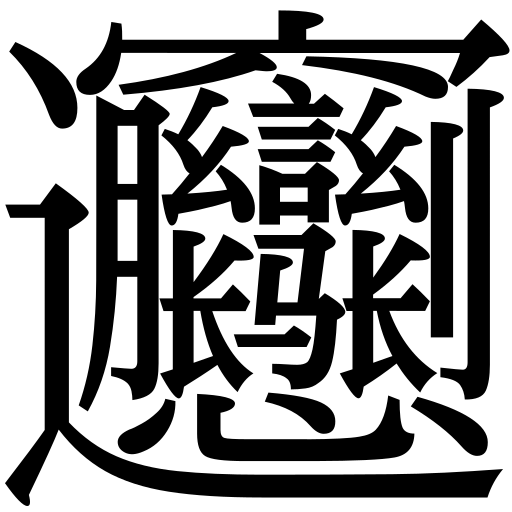
The character biáng ( ), used in the name of a noodle dish, is often cited as one of the hardest due to its 58 strokes. It includes:
- Complex radicals: Combines multiple intricate components.
- No standard keyboard input: Rarely typed digitally, making it harder to practice.
- Regional specificity: Primarily used in Shaanxi province, limiting exposure.
Are There Other Extremely Complex Chinese Characters?
Yes, characters like zhé (龘) (48 strokes) and nàng (齉) (36 strokes) are also notoriously difficult. Their challenges include:
- Multiple repetitions: 龘 features three dragon (龍) characters stacked.
- Obscure meanings: Often tied to archaic or specialized vocabulary.
- Visual density: Hard to distinguish individual strokes at small sizes.
How Do Learners Approach Mastering Difficult Characters?
Effective strategies for tackling hard Chinese characters involve:
- Breakdown into components: Analyzing radicals and smaller parts for better recall.
- Repetitive writing practice: Using grid paper to ensure stroke accuracy.
- Mnemonic devices: Creating stories or associations to aid memory.
Why Are Some Characters Considered Harder Than Others?
Beyond stroke count, difficulty arises from:
- Lack of phonetic hints: Some characters don’t indicate pronunciation.
- Irregular stroke order: Deviations from standard writing rules complicate learning.
- Contextual rarity: Characters appearing only in classical texts are harder to retain.
Frequently Asked Questions (FAQ)
How can pictures help in learning Chinese characters?
Pictures are an incredibly effective tool for learning Chinese characters because they leverage visual memory, making it easier to recall complex shapes and meanings. Many Chinese characters are derived from pictographs, which were originally drawings of objects or concepts. By associating a character with an image, learners can create a mental link between the character's form and its meaning. For example, the character 山 (shān, meaning mountain) resembles the peaks of a mountain range. This method not only simplifies memorization but also makes the learning process more engaging and intuitive.
What are the best resources for learning Chinese characters through pictures?
There are several high-quality resources available for learning Chinese characters through visual aids. Books like The First 100 Chinese Characters or Chinese Characters Made Easy use illustrations to break down characters into recognizable components. Mobile apps such as Pleco and Skritter incorporate flashcards with images and mnemonics. Additionally, websites like HanziCraft or Arch Chinese provide animated stroke orders alongside pictorial explanations. Combining these tools can enhance retention and make learning more dynamic.
Is learning Chinese characters through pictures suitable for beginners?
Absolutely! Beginners can greatly benefit from learning Chinese characters through pictures, as this method simplifies the initial stages of character recognition. Since many basic characters are pictographic or ideographic, associating them with images helps learners grasp their meanings quickly. For instance, the character 日 (rì, meaning sun) looks like a simplified drawing of the sun. This approach reduces the intimidation factor of memorizing strokes and builds a strong foundation before moving on to more abstract characters.
Can visual learning methods replace traditional writing practice for Chinese characters?
While visual learning methods are highly effective for recognition and comprehension, they should not completely replace traditional writing practice. Writing characters by hand reinforces muscle memory and helps learners understand stroke order and structure. However, combining pictorial associations with writing drills can optimize learning. For example, visualizing the character 水 (shuǐ, meaning water) as flowing waves while practicing its strokes can deepen understanding. A balanced approach ensures both visual and motor memory are engaged for long-term retention.
Leave a Reply
Related Posts