
Get to know your Chinese voice to level up your speaking ability

Mastering a new language involves more than just vocabulary and grammar—it requires understanding the unique sounds and rhythms that define it. For learners of Chinese, this means getting familiar with tones, pronunciation, and the musicality of the language. Get to Know Your Chinese Voice explores how tuning into these subtle yet critical elements can transform your speaking ability. By practicing tone pairs, mimicking native speakers, and refining your articulation, you’ll gain confidence and clarity. Whether you're a beginner or advancing your skills, this guide offers practical tips to help you sound more natural and fluent. Unlock the power of your Chinese voice and elevate your communication today.
Get to Know Your Chinese Voice to Level Up Your Speaking Ability
Why Understanding Your Chinese Voice Matters
To improve your Chinese speaking skills, you must first recognize your voice patterns. Many learners struggle with pronunciation, tones, and fluency because they don’t analyze how they sound. By recording and reviewing your speech, you can identify weaknesses and adjust your approach.
| Key Aspect | Why It Matters |
| Pronunciation | Clear sounds improve comprehension |
| Tones | Mandarin relies on tones for meaning |
| Pacing | Natural speed boosts fluency |
How to Record and Analyze Your Chinese Speech
Recording yourself is the best way to track progress. Use apps like Audacity or smartphone voice memos to capture your speech. Listen for tone errors, mispronunciations, or awkward pauses. Compare your recordings to native speakers for improvement.
See AlsoFocusing on communication to learn Chinese| Tool | Purpose |
| Audacity | Detailed audio analysis |
| Voice Memos | Quick practice sessions |
| Language Apps | Compare with natives |
Mastering Mandarin Tones Through Self-Awareness
Mandarin tones are crucial for meaning. Many learners mix up tones, leading to confusion. Practice isolating tones in words like mā (妈) vs. mà (骂). Use visual pitch charts or apps like Pinyin Trainer to refine your tone accuracy.
| Tone | Example |
| 1st (Flat) | mā (妈 - mother) |
| 4th (Falling) | mà (骂 - scold) |
Overcoming Common Pronunciation Challenges
Chinese sounds like zh, x, or ü can be tricky. Break down syllables and practice mouth positioning. For example, x requires a smile-like shape, while zh needs the tongue curled back. Repeat minimal pairs (e.g., shī vs. xī) to train your ear.
| Sound | Tip |
| zh/ch/sh | Curl tongue backwards |
| x/q/j | Smile while speaking |
Building Confidence Through Consistent Practice
Daily speaking drills are essential. Try shadowing (repeating after natives) or reading aloud for muscle memory. Join language exchanges or use platforms like HelloTalk to get real-time feedback. Confidence grows with repetition and correction.
See AlsoIs learning things by heart good for improving your Chinese?| Method | Benefit |
| Shadowing | Imitate natural rhythm |
| Reading Aloud | Improve flow |
How do I improve my Chinese speaking?

Practice Speaking Daily with Native Speakers
One of the most effective ways to improve your Chinese speaking is to engage in daily conversations with native speakers. This helps you get accustomed to pronunciation, tones, and colloquial expressions. Here’s how you can do it:
- Language exchange apps like Tandem or HelloTalk connect you with native speakers.
- Join Chinese-speaking communities or clubs in your area or online.
- Hire a tutor for one-on-one practice sessions.
Focus on Mastering Tones and Pronunciation
Tones are crucial in Chinese, as mispronouncing them can change the meaning of words. To perfect your pronunciation, follow these steps:
See AlsoIntroducing TCB’s New Chinese Reading App: Now Live!- Use Pinyin to learn the correct tones for each word.
- Listen to native speakers and mimic their intonation.
- Record yourself and compare your speech to audio samples.
Expand Your Vocabulary with Common Phrases
Building a strong vocabulary is essential for fluent speaking. Focus on learning everyday phrases first to make conversations smoother:
- Learn greetings, questions, and responses used in daily life.
- Use flashcards or apps like Anki to memorize new words.
- Practice using new vocabulary in contextual sentences.
Watch Chinese Media and Repeat Dialogues
Immersing yourself in Chinese media helps you understand natural speech patterns. Follow these tips:
- Watch Chinese TV shows, movies, or YouTube videos with subtitles.
- Pause and repeat dialogues to practice intonation and rhythm.
- Listen to Chinese podcasts or music to train your ear.
Join a Structured Speaking Course
Enrolling in a structured course provides guided practice and feedback. Consider these options:
See AlsoShould you use an efficient method for learning Chinese even if you hate it?- Take an online course on platforms like Coursera or Udemy.
- Attend local language classes for interactive practice.
- Use apps like Duolingo or Rosetta Stone for systematic learning.
How to sound fluent in Chinese?
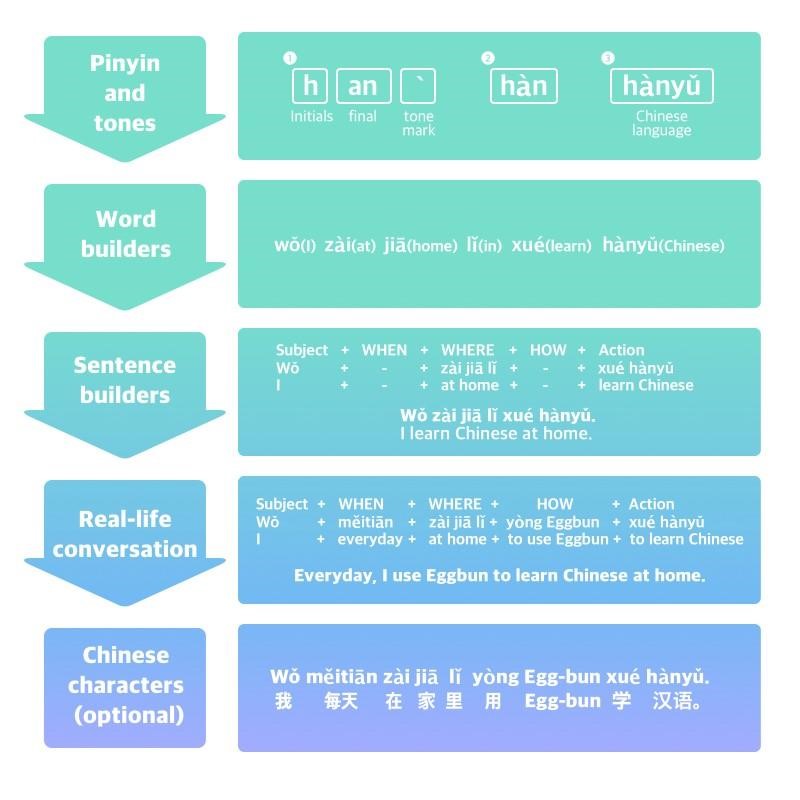
Master Chinese Pronunciation and Tones
To sound fluent in Chinese, pronunciation and tones are critical. Mandarin has four main tones and a neutral tone, and mispronouncing them can change the meaning of words entirely. Here’s how to improve:
- Practice tones daily—use apps or recordings to mimic native speakers.
- Focus on difficult sounds like zh, ch, sh, and r, which don’t exist in many other languages.
- Record yourself and compare your speech to native speakers to identify areas for improvement.
Expand Your Vocabulary Strategically
A fluent speaker uses a wide range of words naturally. To build your vocabulary effectively:
- Learn high-frequency words first—focus on everyday phrases and common expressions.
- Use flashcards or spaced repetition tools like Anki to reinforce memory.
- Learn words in context—study full sentences instead of isolated terms to understand usage.
Improve Listening Comprehension
Understanding native speakers is key to sounding fluent. To enhance your listening skills:
- Watch Chinese media—movies, TV shows, and news help you get used to natural speech patterns.
- Listen to podcasts or audiobooks at varying speeds to train your ear.
- Engage in conversations with native speakers to practice real-time comprehension.
Use Natural Sentence Structures
Fluency isn’t just about words—it’s about how you form sentences. To sound more natural:
- Study grammar patterns—Chinese sentence structure differs from English (e.g., time phrases come early).
- Imitate native speech—repeat phrases from conversations or media to internalize flow.
- Avoid direct translations—think in Chinese instead of converting from your native language.
Practice Speaking Regularly
Consistent practice is essential for fluency. To speak confidently:
- Join language exchange groups—platforms like Tandem or HelloTalk connect you with native speakers.
- Shadow native speakers—repeat what they say immediately after hearing it to improve rhythm.
- Don’t fear mistakes—errors are part of learning; focus on communication over perfection.
Frequently Asked Questions (FAQ)
What does Get to know your Chinese voice mean?
Getting to know your Chinese voice refers to understanding how your pronunciation, tone, and intonation sound when speaking Mandarin. Many learners focus solely on vocabulary and grammar but neglect the importance of authentic pronunciation and natural flow. By recording and analyzing your speech, you can identify areas for improvement, such as mastering the four tones or reducing your native accent, ultimately making your Chinese sound more fluent and native-like.
How can recognizing my Chinese voice improve my speaking skills?
When you actively listen to your own voice in Mandarin, you become more aware of mistakes in tone accuracy, rhythm, and clarity. This self-awareness allows you to make targeted corrections, such as adjusting your pitch for the third tone or smoothing out awkward pauses. Over time, this practice builds muscle memory and confidence, helping you speak more naturally and be better understood by native speakers.
What tools can I use to analyze my Chinese voice?
Several tools can help you evaluate and refine your Mandarin pronunciation. Voice recording apps (like Audacity or smartphone voice memos) let you compare your speech to native audio samples. Language learning platforms (e.g., HelloTalk or Pinyin Trainer) provide instant feedback on tones. For advanced analysis, speech recognition software (such as Google’s Mandarin input) can detect mispronunciations. Regular use of these tools accelerates your progress in sounding like a native speaker.
How often should I practice speaking to improve my Chinese voice?
Consistency is key—aim for daily practice, even if only for 10–15 minutes. Focused sessions where you imitate native speakers (via podcasts, TV shows, or language apps) are highly effective. Additionally, record yourself weekly to track progress in areas like tone consistency or sentence fluidity. Over months, this habit will transform your speaking ability, making your Chinese sound more polished and effortless.
Leave a Reply
Related Posts