
How going shopping can help you learn Chinese

Shopping is more than just a daily activity—it’s a practical and immersive way to learn Chinese. Whether you're navigating a bustling market or browsing a supermarket, every interaction offers a chance to practice vocabulary, tones, and real-life conversations. From reading product labels to bargaining with vendors, the experience sharpens listening and speaking skills in authentic contexts. Engaging with local sellers builds confidence while reinforcing common phrases and cultural nuances. Even simple tasks like asking for prices or directions become valuable lessons. By turning shopping trips into language exercises, learners can accelerate their Mandarin proficiency while experiencing the vibrant rhythm of everyday life in Chinese-speaking communities.
How Going Shopping Can Help You Learn Chinese
Shopping is an excellent way to immerse yourself in the Chinese language while engaging in a practical, everyday activity. Whether you're navigating a local market, ordering food, or bargaining for a better price, each interaction provides real-world practice that reinforces vocabulary, pronunciation, and cultural understanding. Below, we explore key ways shopping can accelerate your Chinese learning journey.
1. Practicing Essential Vocabulary in Real-Life Situations
When shopping, you encounter common words and phrases like 多少钱? (How much?), 这个 (This one), and 谢谢 (Thank you). Repeating these in context helps retention and builds confidence. For example, reading product labels or asking for sizes reinforces measurement terms and object names.
See AlsoThe Basics of Chinese Stroke Order, Explained| Shopping Scenario | Useful Chinese Phrases |
|---|---|
| Asking for prices | 多少钱? (Duōshǎo qián?) |
| Requesting a different size | 有大一号的吗? (Yǒu dà yī hào de ma?) |
| Making a payment | 我可以刷卡吗? (Wǒ kěyǐ shuākǎ ma?) |
2. Improving Listening Skills Through Vendor Interactions
Vendors often speak quickly, offering a chance to train your ear for natural Chinese. Listening to price negotiations or product descriptions helps distinguish tones and colloquial expressions. Over time, you’ll recognize patterns like discounts (打折 - dǎzhé) or promotions (促销 - cùxiāo).
3. Learning Numbers and Prices Efficiently
Handling money requires understanding Chinese numbers, from simple digits (一, 二, 三 - yī, èr, sān) to larger sums like 一百 (100) or 一千 (1,000). Repeated exposure during transactions solidifies this foundational skill.
4. Discovering Cultural Nuances in Shopping Etiquette
Bargaining (讨价还价 - tǎojià huánjià) is common in markets, teaching cultural norms while expanding vocabulary. Politeness markers like 请 (Please) or 麻烦你 (Excuse me) also reflect social customs tied to language use.
See AlsoWhat are the Beijing Dialect and Beijing Accent?5. Expanding Vocabulary with Product Names and Descriptions
From food items (苹果 - apple) to clothing (衬衫 - shirt), shopping introduces specialized terms. Reading signs or labels adds written Chinese practice, linking characters to their meanings.
| Category | Example Words |
|---|---|
| Fruits | 香蕉 (xiāngjiāo - banana), 葡萄 (pútáo - grapes) |
| Clothing | 裤子 (kùzi - pants), 鞋子 (xiézi - shoes) |
How does learning Chinese help?
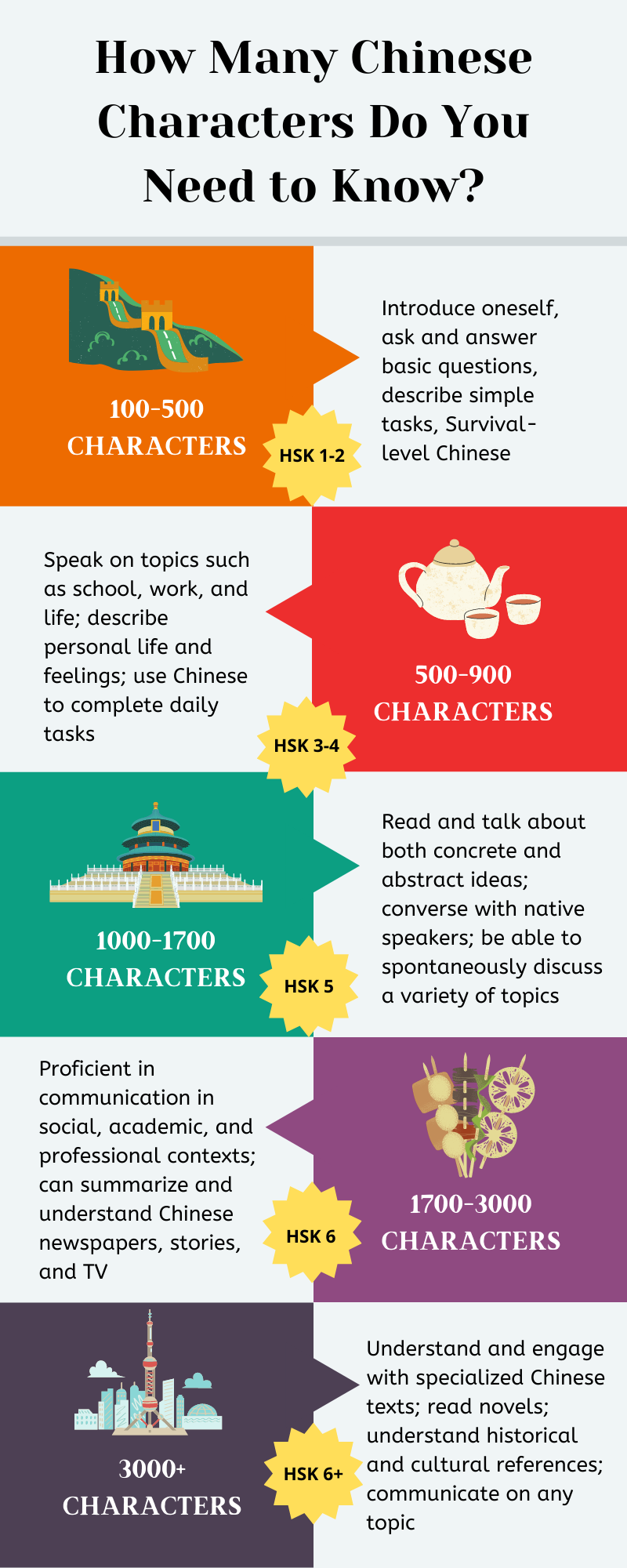
Enhancing Career Opportunities
Learning Chinese significantly boosts career prospects, especially in global business, diplomacy, and technology. As China is a major economic powerhouse, proficiency in the language opens doors to high-demand roles. Here’s how:
See AlsoReview: The Geography of Thought: How East Asians and Westerners Think Differently… And Why- Competitive edge: Bilingual professionals stand out in multinational companies.
- Business expansion: Facilitates negotiations and partnerships with Chinese firms.
- Diverse industries: Useful in finance, trade, tech, and even entertainment sectors.
Cultural Understanding and Travel
Mastering Chinese deepens appreciation for China’s rich history and modern culture. It also transforms travel experiences:
- Authentic interactions: Connect with locals beyond tourist hotspots.
- Historical insights: Decode ancient texts and traditions firsthand.
- Navigation ease: Read signs, menus, and public transport with confidence.
Cognitive and Academic Benefits
Studying Chinese enhances brain function and academic performance due to its unique structure:
- Memory improvement: Tones and characters train recall and focus.
- Problem-solving: Logical patterns in writing boost analytical skills.
- Multitasking: Switching between scripts improves mental flexibility.
Access to a Growing Market
China’s consumer market is the world’s largest, and Chinese fluency unlocks its potential:
See Also10 Best Resources to Learn Chinese Through News- E-commerce: Tap into platforms like Alibaba or JD.com seamlessly.
- Innovation trends: Stay ahead in tech, AI, and green energy developments.
- Networking: Engage with entrepreneurs and investors directly.
Strengthening Global Connections
Speaking Chinese fosters cross-border collaboration and personal growth:
- Diplomacy: Bridge gaps in international relations and NGOs.
- Social media: Engage with 1+ billion users on WeChat or Weibo.
- Educational exchanges: Access scholarships and study programs in China.
What tool can help us learn Chinese easier?

Best Language Learning Apps for Chinese
Using language learning apps is one of the most effective ways to learn Chinese. These apps provide structured lessons, interactive exercises, and pronunciation practice. Here are some top options:
- Duolingo – Gamified lessons for vocabulary and grammar.
- HelloChinese – Focuses on speaking and listening with real-life scenarios.
- Pleco – A powerful dictionary with flashcards and handwriting recognition.
Flashcard Tools for Memorizing Chinese Characters
Flashcards are essential for memorizing Chinese characters and vocabulary. Digital flashcard tools enhance retention through spaced repetition. Consider these:
- Anki – Customizable flashcards with SRS (Spaced Repetition System).
- Quizlet – Pre-made flashcard sets for common Chinese words.
- Memrise – Uses mnemonics and video clips for better recall.
Online Tutors and Language Exchange Platforms
Practicing with native speakers accelerates learning. Online platforms connect learners with tutors or language partners. Recommended choices:
- iTalki – Offers professional tutors and casual conversation partners.
- Tandem – Connects learners for mutual language exchange.
- Preply – Personalized one-on-one lessons with certified teachers.
Chinese Learning Websites with Free Resources
Several websites provide free lessons, exercises, and cultural insights. These are valuable for self-study:
- ChinesePod – Audio and video lessons for all proficiency levels.
- Yabla Chinese – Uses subtitled videos to improve listening skills.
- HSK Academy – Focuses on exam preparation and vocabulary building.
Tools for Practicing Chinese Pronunciation
Correct pronunciation is crucial in Chinese. Specialized tools help with tones and articulation. Useful options include:
- Pinyin Trainer – Interactive exercises for mastering Mandarin tones.
- Speechling – Provides feedback from native speakers on pronunciation.
- Google Pinyin Input – Helps practice typing and recognizing pinyin.
Frequently Asked Questions (FAQ)
How can shopping in China help me learn Chinese vocabulary?
Shopping in China immerses you in an environment filled with everyday Chinese vocabulary. Whether you're at a market, supermarket, or mall, you'll encounter signs, labels, and conversations that introduce you to practical words like prices (价格 - jiàgé), discounts (折扣 - zhékòu), and product names (商品 - shāngpǐn). Engaging with vendors or reading packaging reinforces your memory through real-world context, making it easier to retain new terms compared to textbook learning alone.
What are the benefits of practicing Chinese with shopkeepers?
Interacting with shopkeepers provides authentic speaking practice in a low-pressure setting. Unlike formal lessons, these conversations are spontaneous and often repetitive, helping you master common phrases like How much is this? (多少钱? - duōshǎo qián?) or Do you have a smaller size? (有小一号的吗? - yǒu xiǎo yī hào de ma?). Shopkeepers may also correct your pronunciation or suggest natural expressions, giving you immediate feedback to improve your fluency.
How does reading labels and signs improve my Chinese reading skills?
Labels and signs are excellent tools for practical reading practice. They often feature high-frequency characters and simple sentences, such as buy one get one free (买一送一 - mǎi yī sòng yī) or cashier (收银台 - shōuyíntái). By deciphering these in real time, you train your brain to recognize characters faster and understand contextual usage. Over time, this exposure builds your confidence in reading menus, advertisements, and instructions outside the classroom.
Can bargaining in Chinese help me understand cultural nuances?
Bargaining is not just about language—it’s a cultural exchange. In markets, negotiating prices teaches you polite phrases (e.g., Can it be cheaper? 能便宜点吗? - néng piányi diǎn ma?) and the rhythm of informal dialogue. You’ll also learn non-verbal cues, like gestures or tone, which are crucial in Chinese communication. This process deepens your understanding of local customs while sharpening your listening and speaking skills in a fun, interactive way.
Leave a Reply
Related Posts