
The Best YouTube Channels to Learn Chinese

Learning Chinese can be a rewarding yet challenging journey, and YouTube has become an invaluable resource for language learners worldwide. With countless channels offering lessons, tips, and immersive content, finding the right one can make all the difference. Whether you're a beginner mastering tones or an advanced learner refining fluency, the best YouTube channels provide structured lessons, engaging visuals, and real-life practice. From grammar breakdowns to cultural insights, these creators tailor their content to make learning interactive and fun. In this article, we’ll explore the top YouTube channels for learning Chinese, helping you choose the perfect fit for your language goals and learning style.
The Best YouTube Channels to Learn Chinese Effectively
1. ChinesePod - Comprehensive Lessons for All Levels
ChinesePod is one of the most structured YouTube channels for learning Mandarin. It offers beginner to advanced lessons, focusing on real-life conversations, vocabulary, and grammar. The hosts break down each lesson clearly, making it ideal for self-paced learners.
| Content Type | Conversational lessons, grammar tips, cultural insights |
| Best For | All levels (Beginner to Advanced) |
| Frequency | Weekly uploads |
2. Yoyo Chinese - Interactive and Engaging Tutorials
Yoyo Chinese, created by Yangyang Cheng, provides interactive video lessons with clear explanations. The channel emphasizes pronunciation and tones, crucial for mastering Mandarin. It also includes workbooks and quizzes for practice.
See AlsoBest Chinese Vloggers on YouTube and BiliBili to Learn Advanced Mandarin| Content Type | Grammar drills, pronunciation guides, situational dialogues |
| Best For | Beginners & Intermediate learners |
| Frequency | Bi-weekly uploads |
3. Learn Chinese with Emma - Fun and Easy-to-Follow Lessons
Emma’s channel makes learning Chinese enjoyable with animated videos and memorable examples. She covers slang, idioms, and HSK exam prep, catering to both casual learners and test-takers.
| Content Type | HSK prep, slang, storytelling |
| Best For | Teens & young adults |
| Frequency | Monthly uploads |
4. Mandarin Corner - Real-Life Chinese Practice
Mandarin Corner focuses on authentic language use, featuring street interviews and unscripted dialogues. This approach helps learners grasp natural speech patterns and cultural context.
| Content Type | Interviews, listening exercises, cultural deep dives |
| Best For | Intermediate & Advanced learners |
| Frequency | Weekly uploads |
5. Everyday Chinese - Short, Practical Lessons
Everyday Chinese delivers bite-sized lessons perfect for quick learning. Topics range from survival phrases to business Chinese, making it versatile for travelers and professionals.
See AlsoDo you really know how to count in Chinese?| Content Type | Daily phrases, role-plays, industry-specific terms |
| Best For | Beginners & Travelers |
| Frequency | Daily uploads |
Can I learn Chinese through YouTube?

Is YouTube an Effective Platform for Learning Chinese?
Yes, YouTube can be a powerful tool for learning Chinese if used strategically. The platform offers a vast range of resources, from beginner to advanced levels, including lessons on grammar, vocabulary, and pronunciation. However, success depends on consistency and choosing the right channels.
- Free access to countless lessons from native speakers and experienced teachers.
- Interactive content like listening exercises and cultural insights.
- Flexibility to learn at your own pace and revisit difficult topics.
What Are the Best YouTube Channels for Learning Chinese?
Several high-quality YouTube channels specialize in teaching Chinese, catering to different learning styles. Some focus on conversational skills, while others emphasize characters or HSK exam preparation.
See AlsoUsing the HSK as a roadmap to learning Chinese- ChinesePod – Great for practical dialogues and real-life scenarios.
- Yoyo Chinese – Structured lessons for beginners and intermediates.
- Mandarin Corner – In-depth grammar and vocabulary breakdowns.
Can You Achieve Fluency in Chinese Using Only YouTube?
While YouTube is a valuable supplement, achieving fluency requires diverse learning methods. The platform may lack structured progression or personalized feedback, which are crucial for mastering tones, writing, and advanced grammar.
- Limited speaking practice without live interaction or corrections.
- No writing drills for Chinese characters, which require muscle memory.
- Supplementation needed with apps, tutors, or language exchanges.
How to Maximize Learning Chinese on YouTube?
To get the most out of YouTube, learners should adopt an organized approach. Combining videos with note-taking, repetition, and active practice enhances retention.
- Create playlists by topic (e.g., greetings, business Chinese).
- Repeat dialogues aloud to improve pronunciation.
- Use the slow playback feature for difficult audio.
What Are the Limitations of Learning Chinese on YouTube?
Despite its benefits, YouTube has drawbacks for language learners. The lack of structured curricula and accountability can hinder progress, especially for self-motivated learners.
- Inconsistent quality – Some videos may contain errors or outdated content.
- Passive learning risk – Watching without practice leads to slow progress.
- Distractions – Ads or unrelated videos can interrupt focus.
What is the most popular Chinese YouTube channel?
.png)
What is the most popular Chinese YouTube channel overall?
The most popular Chinese YouTube channel is 李子柒 Liziqi, known for its serene, cinematic portrayals of traditional Chinese rural life. With over 17 million subscribers and billions of views, Liziqi’s content stands out for its:
- High-quality production: Stunning visuals and meticulous editing.
- Cultural authenticity: Showcases traditional crafts, cooking, and farming.
- Global appeal: Minimal dialogue makes it accessible worldwide.
Which Chinese YouTube channel focuses on tech and gadgets?
The channel TESTV is among the top Chinese tech-focused YouTube channels, offering in-depth gadget reviews with a humorous twist. Key features include:
- Entertaining hosts: Blends technical analysis with comedy.
- Unbiased reviews: Covers smartphones, gaming, and smart home devices.
- Behind-the-scenes content: Shows production processes and team dynamics.
What Chinese YouTube channel is best for learning Mandarin?
Learn Chinese with Emma is a highly regarded channel for Mandarin learners, offering structured lessons. Highlights include:
- Beginner-friendly: Breaks down tones, grammar, and vocabulary.
- Practical phrases: Teaches conversational Mandarin for real-life situations.
- Interactive exercises: Includes quizzes and pronunciation guides.
Which Chinese cooking channel has the most subscribers on YouTube?
美食作家王刚 (Chef Wang Gang) dominates Chinese cooking content with his straightforward, professional-style tutorials. Notable aspects:
- Step-by-step instructions: Focuses on authentic Sichuan and Chinese dishes.
- Restaurant techniques: Shares professional kitchen tips.
- Minimalist approach: No-nonsense, high-efficiency cooking methods.
What Chinese travel vlog channel is popular on YouTube?
冒险雷探长 (Adventure Lei Tan Zhang) is a leading Chinese travel vlog channel exploring off-the-beaten-path destinations. Key traits:
- Unique locations: Visits remote villages and cultural sites.
- Cultural immersion: Engages with local traditions and histories.
- Documentary style: Combines storytelling with adventure.
How can I learn Chinese fast by myself?
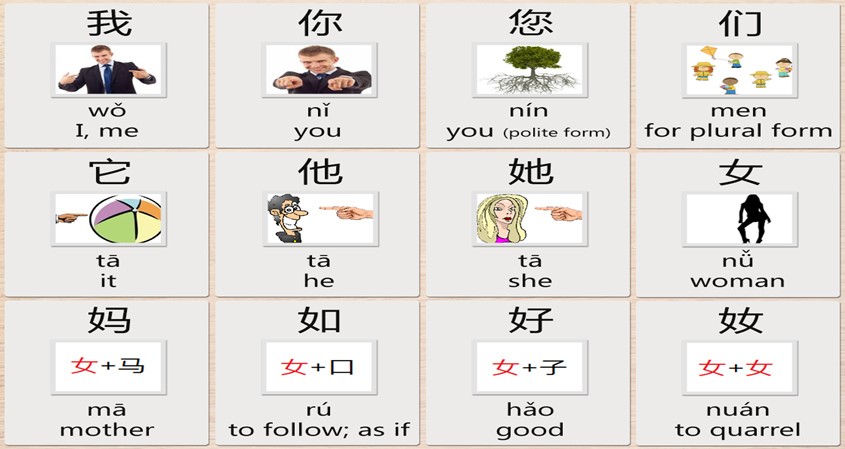
Immerse Yourself in Chinese Daily
To learn Chinese quickly, immersion is key. Surround yourself with the language as much as possible to accelerate your understanding and retention. Here’s how:
- Listen to Chinese music or podcasts: This helps train your ear to tones and pronunciation.
- Watch Chinese TV shows or movies: Use subtitles initially, then gradually phase them out.
- Change your device language to Chinese: Forces you to interact with the language daily.
Master Pinyin and Tones Early
Pinyin (Romanized Chinese) and tones are foundational. Mispronouncing tones can change meanings entirely, so focus on these first:
- Practice tone pairs: Drill combinations like mā (mother) vs. mà (scold).
- Use apps like Pleco or HelloChinese: They provide instant feedback on pronunciation.
- Record yourself speaking: Compare your tones to native speakers.
Build Vocabulary with Flashcards
Flashcards are a proven method for memorizing characters and words efficiently. Here’s how to maximize them:
- Use spaced repetition (SRS) apps like Anki: They optimize review timing for retention.
- Focus on high-frequency words first: Learn the 500 most common characters to understand ~80% of daily text.
- Include example sentences: Context helps solidify meaning and usage.
Practice Speaking from Day One
Speaking is often the hardest but most critical skill. Start early to overcome fear and improve fluency:
- Shadow native speakers: Repeat phrases immediately after hearing them.
- Join language exchange platforms (Tandem, HelloTalk): Practice with native speakers for free.
- Mimic dialogues from textbooks: Focus on natural intonation and rhythm.
Write Characters Regularly
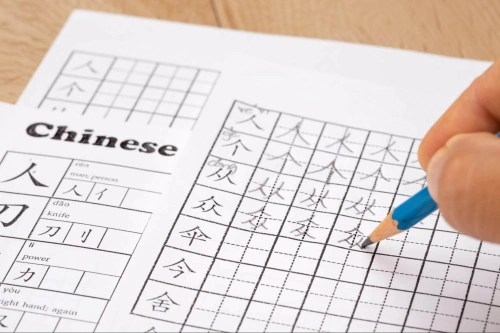
Writing reinforces character recognition and muscle memory. Follow these steps to master Hanzi:
- Learn stroke order rules: Proper technique makes characters easier to remember.
- Practice with grid paper: Maintain proportions and balance.
- Break characters into radicals: Understand components to decode complex Hanzi.
What is the best version of Chinese to learn?
Mandarin vs. Cantonese: Which Should You Learn?
The choice between Mandarin and Cantonese depends on your goals. Mandarin is the most widely spoken Chinese dialect, with over 1 billion native speakers, while Cantonese is primarily used in Hong Kong, Macau, and Guangdong province. Consider the following:
- Mandarin is China's official language and essential for business, travel, and education.
- Cantonese is valuable for cultural connections, especially in diaspora communities.
- Mandarin uses simplified characters, while Cantonese often uses traditional characters.
Simplified vs. Traditional Chinese Characters
The choice between simplified and traditional characters depends on region and purpose. Simplified characters are standard in mainland China, while traditional characters are used in Taiwan, Hong Kong, and Macau. Key points:
- Simplified characters are easier to learn and used in mainland China.
- Traditional characters preserve historical writing and are common in Taiwan.
- Some learners study both to maximize comprehension across regions.
Usefulness of Learning Mandarin in Business
Mandarin is the dominant language in global business due to China's economic influence. Here’s why it’s advantageous:
- China is the world's second-largest economy, making Mandarin crucial for trade.
- Many multinational companies require Mandarin-speaking employees.
- Learning Mandarin improves networking opportunities in Asia-Pacific markets.
Regional Dialects: Which One Matters Most?
Beyond Mandarin and Cantonese, China has numerous regional dialects. However, most are not essential for learners unless targeting specific areas. Consider:
- Shanghainese and Hokkien are regionally significant but lack official status.
- Mandarin remains the lingua franca across all provinces.
- Learning a regional dialect is useful mainly for heritage speakers.
Resources for Learning Chinese Effectively
Choosing the right resources depends on whether you’re learning Mandarin or another dialect. Key recommendations:
- Use apps like Duolingo or HelloChinese for Mandarin basics.
- Watch Chinese dramas or news to improve listening skills.
- Practice with native speakers via platforms like iTalki or Tandem.
Frequently Asked Questions (FAQ)
What are the best YouTube channels for beginners learning Chinese?
For beginners, channels like ChinesePod and Yoyo Chinese are excellent choices. These channels focus on basic vocabulary, pronunciation, and simple sentence structures, making them ideal for those just starting out. They often use visual aids and slow speech to help learners grasp foundational concepts. Additionally, many of these channels incorporate cultural insights, which can make learning more engaging and context-rich.
Are there YouTube channels that teach Chinese through immersion?
Yes, channels like Learn Chinese with Emma and Mandarin Corner use an immersion-based approach, where lessons are conducted primarily in Mandarin with minimal English. This method helps learners develop listening comprehension and natural speech patterns. Some channels also feature real-life scenarios, such as shopping or ordering food, to simulate an immersive environment. This approach is particularly effective for intermediate learners looking to improve fluency.
Which YouTube channels offer structured courses for learning Chinese?
Channels like HSK Academy and ChineseFor.Us provide structured courses that follow a curriculum, often aligned with HSK levels. These channels break down lessons into thematic units, such as grammar, vocabulary, and writing, ensuring a comprehensive learning experience. Many also include quizzes and practice exercises to reinforce learning. If you prefer a systematic approach similar to a classroom setting, these channels are highly recommended.
Can I learn Chinese slang and colloquial expressions on YouTube?
Absolutely! Channels like Learn Chinese Now and ShuoshuoChinese specialize in teaching colloquial Chinese, including slang, idioms, and informal phrases. These channels are perfect for learners who want to sound more natural in conversations or understand pop culture references. They often feature vlogs or street interviews, providing real-world examples of how these expressions are used. This type of content is especially useful for advanced learners aiming to refine their language skills.
Leave a Reply
Related Posts