
Five of the Most Beautiful Chinese Songs to Learn Mandarin

Learning Mandarin can be an enriching experience, and one of the most enjoyable ways to immerse yourself in the language is through music. Chinese songs, with their poetic lyrics and melodic tones, offer a unique window into the culture while helping you practice pronunciation, vocabulary, and rhythm. Whether you're a beginner or an advanced learner, music makes language acquisition engaging and memorable. In this article, we explore five of the most beautiful Chinese songs that not only captivate the ears but also serve as excellent tools for mastering Mandarin. From timeless classics to modern hits, these tracks will inspire your language journey.
Five of the Most Beautiful Chinese Songs to Learn Mandarin
1. The Moon Represents My Heart (月亮代表我的心) by Teresa Teng
This timeless classic by Teresa Teng is one of the most iconic Mandarin love songs. Its slow tempo and clear pronunciation make it perfect for beginners. The lyrics are poetic yet simple, helping learners grasp basic vocabulary and sentence structures.
| Song | Artist | Difficulty Level |
|---|---|---|
| The Moon Represents My Heart | Teresa Teng | Beginner |
2. A Little Happiness (小幸运) by Hebe Tien
Featured in the movie Our Times, this modern ballad is great for learning emotional expressions in Mandarin. Hebe Tien's clear enunciation helps learners pick up common phrases used in daily conversations.
See Also14 of the Hardest Chinese Characters to Write| Song | Artist | Difficulty Level |
|---|---|---|
| A Little Happiness | Hebe Tien | Intermediate |
3. Tian Mi Mi (甜蜜蜜) by Teresa Teng
Another masterpiece by Teresa Teng, this song is cheerful and easy to follow. It introduces learners to romantic vocabulary and repetitive phrases, reinforcing memory retention.
| Song | Artist | Difficulty Level |
|---|---|---|
| Tian Mi Mi | Teresa Teng | Beginner |
4. Ordinary Road (平凡之路) by Pu Shu
This reflective song by Pu Shu is ideal for learners interested in philosophical and introspective Mandarin. The lyrics are deep but straightforward, making it suitable for intermediate learners.
| Song | Artist | Difficulty Level |
|---|---|---|
| Ordinary Road | Pu Shu | Intermediate |
5. Green Flower (青花瓷) by Jay Chou
A blend of traditional Chinese culture and modern pop, this song by Jay Chou is rich in metaphors and classical references. While challenging, it’s excellent for advanced learners.
See AlsoHow to find out how good your Chinese pronunciation really is| Song | Artist | Difficulty Level |
|---|---|---|
| Green Flower | Jay Chou | Advanced |
What is the Mandarin song to learn Mandarin?

Best Mandarin Songs for Learning the Language
Learning Mandarin through songs is an effective and enjoyable method. Here are some of the best Mandarin songs to help you improve your language skills:
- Tóng Huà (童话) by Guang Liang – A slow, emotional ballad with clear pronunciation, ideal for beginners.
- Qīng Huá Cí (青花瓷) by Jay Chou – A poetic song with rich vocabulary, great for intermediate learners.
- Xiǎo Xìng Yùn (小幸运) by Hebe Tien – A popular modern song with simple lyrics, perfect for practicing listening comprehension.
Why Mandarin Songs Help in Language Learning
Listening to Mandarin songs enhances language acquisition in multiple ways:
See AlsoIs Learning Chinese Hard? The 5 Critical Points- Improves pronunciation – Mimicking singers helps with tones and fluency.
- Expands vocabulary – Songs introduce colloquial and formal terms naturally.
- Boosts memory retention – Melodies make words and phrases easier to remember.
Classic Mandarin Songs for Beginners
For those starting their Mandarin journey, these classic songs are highly recommended:
- Yuè Liàng Dài Biǎo Wǒ De Xīn (月亮代表我的心) – A timeless love song with slow, clear lyrics.
- Mài Táng (卖糖) – A children's song with repetitive and simple phrases.
- Lǎo Shǔ Ài Dà Mǐ (老鼠爱大米) – A catchy tune with easy-to-follow lyrics.
Modern Mandarin Pop Songs for Intermediate Learners
Intermediate learners can benefit from these modern pop hits:
- Nǐ Shuō (你说) by JJ Lin – Features conversational language and modern slang.
- Guò Huǒ (过火) by Zhang Xin Zhe – A mid-tempo song with expressive lyrics.
- Nà Xiē Nián (那些年) by Hu Xia – A nostalgic song with clear enunciation.
Tips for Learning Mandarin Through Songs
To maximize learning, follow these effective tips:
- Look up lyrics – Read along while listening to understand meaning.
- Sing aloud – Practice pronunciation and tones by singing.
- Use karaoke versions – Helps with rhythm and memorization.
What is the most recognized Chinese song?
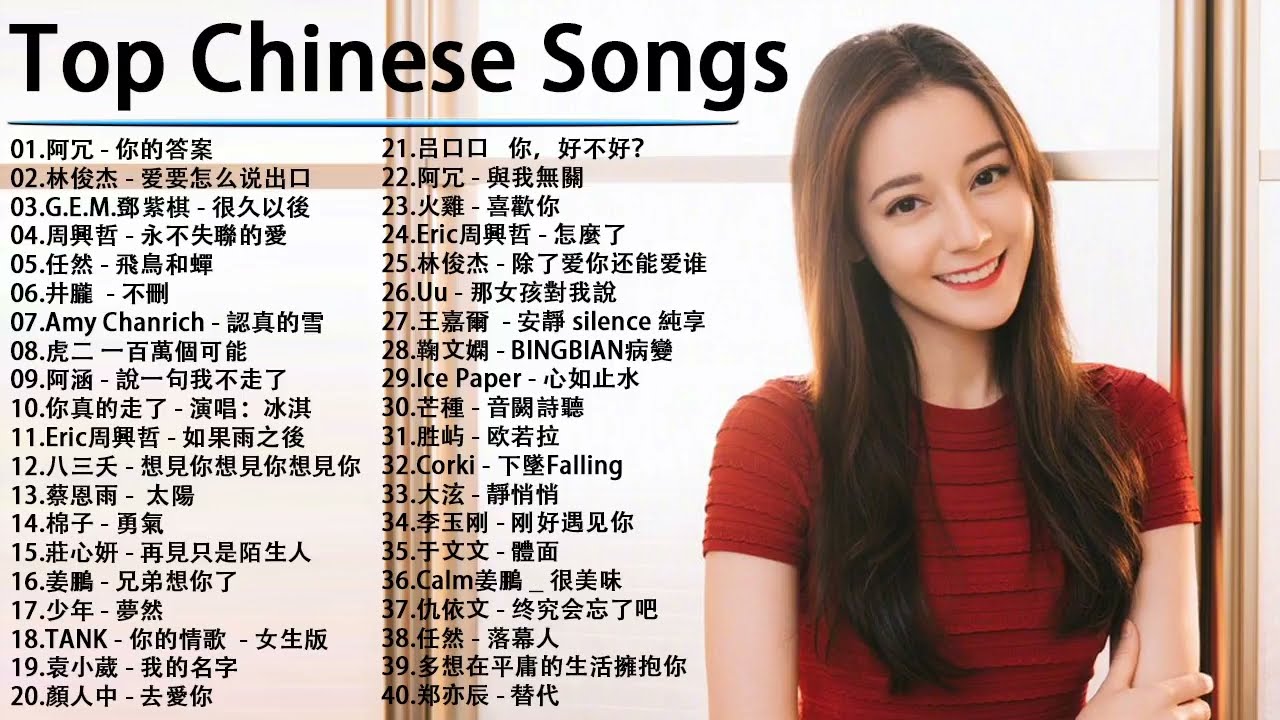
What is the most recognized Chinese song worldwide?
The most globally recognized Chinese song is likely Mo Li Hua (Jasmine Flower). This traditional folk song dates back to the 18th century and is celebrated for its melodic simplicity and cultural significance. Key reasons for its recognition include:
- Cultural Symbolism: The song represents Chinese heritage and is often performed at international events.
- Global Adaptations: It has been reinterpreted in classical, pop, and orchestral versions worldwide.
- Olympic Showcase: Featured prominently in the 2008 Beijing Olympics, amplifying its global reach.
Why is Mo Li Hua so iconic in Chinese culture?
Mo Li Hua embodies the essence of Chinese musical tradition. Its enduring popularity stems from:
- Historical Roots: Originating from the Qing Dynasty, it reflects centuries of artistic evolution.
- Lyrical Simplicity: The song praises the jasmine flower, a symbol of purity and elegance in China.
- Universal Appeal: Its melody transcends language barriers, making it accessible globally.
How has Mo Li Hua influenced modern music?
The song's influence extends beyond traditional music, impacting contemporary genres:
- Classical Crossovers: Composers like Puccini incorporated its melody into operas such as Turandot.
- Pop Interpretations: Modern artists blend it with electronic or hip-hop elements.
- Educational Use: It’s a staple in music curricula for teaching pentatonic scales.
What are other notable Chinese songs with international recognition?
While Mo Li Hua is the most famous, other songs have also gained traction:
- The Moon Represents My Heart by Teresa Teng – A timeless love ballad.
- Shanghai Bund Theme – Iconic for its association with 1980s Hong Kong cinema.
- Auld Lang Syne (Chinese Version) – Often sung during Lunar New Year.
Where can you hear Mo Li Hua performed today?
The song remains ubiquitous in both formal and casual settings:
- Cultural Festivals: Played during Chinese New Year or Mid-Autumn celebrations.
- Diplomatic Events: Used as a musical ambassador in Sino-foreign exchanges.
- Online Platforms: Countless covers exist on YouTube and streaming services.
What is the number one song in China?
The current number one song in China varies depending on the platform and time frame, but as of recent charts, Jing Ye Si (静夜思) by Zhou Shen has been highly popular. This song blends traditional Chinese elements with modern pop, resonating with a wide audience. Other platforms like QQ Music, NetEase Cloud Music, and KuGou may feature different top tracks based on streaming data and downloads.
How Is the Number One Song Determined in China?
The number one song in China is determined through a combination of factors:
- Streaming numbers on platforms like QQ Music, NetEase Cloud Music, and KuGou.
- Digital sales and downloads from official music stores.
- Social media trends on Weibo, Douyin (TikTok China), and other platforms.
What Are the Most Popular Music Platforms in China?
The top music platforms influencing chart rankings in China include:
- QQ Music – One of the largest streaming services with official charts.
- NetEase Cloud Music – Known for its community-driven playlists.
- KuGou – A major player in digital music downloads.
Who Are the Most Influential Artists in China Right Now?
Several artists dominate the Chinese music scene:
- Zhou Shen – Known for his viral hits and unique vocal style.
- Jay Chou – A long-standing icon in Chinese pop music.
- Lexie Liu – Rising star blending Mandarin and Western influences.
How Does TikTok (Douyin) Influence Music Trends in China?
Douyin plays a massive role in making songs go viral:
- Short video trends often feature snippets of popular songs.
- Challenges and dances boost a song’s reach rapidly.
- Algorithm-driven exposure pushes trending tracks to millions.
What Genres Are Currently Dominating Chinese Charts?
The most popular genres in China today include:
- Mandopop – Mainstream Chinese pop music.
- C-pop – Incorporating K-pop and Western influences.
- Traditional fusion – Blending classical Chinese instruments with modern beats.
What is the most effective way to learn Mandarin?

Immerse Yourself in the Language
The most effective way to learn Mandarin is through immersion. Surround yourself with the language as much as possible to accelerate your learning. Here’s how:
- Watch Mandarin TV shows or movies with subtitles to improve listening and comprehension.
- Listen to Mandarin podcasts or music to familiarize yourself with tones and pronunciation.
- Change your device settings to Mandarin to force yourself to interact with the language daily.
Practice Speaking Regularly
Speaking is crucial for mastering Mandarin, especially due to its tonal nature. Consistent practice helps reinforce pronunciation and fluency.
- Find a language partner or tutor for conversational practice.
- Repeat phrases aloud to train your mouth and ears for tones.
- Use language exchange apps like Tandem or HelloTalk to connect with native speakers.
Master Pinyin and Tones Early
Pinyin (Romanized Mandarin) and tones are foundational. Mispronouncing tones can change meanings entirely, so focus on them from the start.
- Study tone pairs to understand how tones interact in speech.
- Use apps like Pleco to hear correct pronunciations.
- Record yourself and compare with native speakers to identify mistakes.
Build a Strong Vocabulary Foundation
Learning high-frequency words first ensures you can communicate effectively early on.
- Focus on daily-use phrases like greetings, numbers, and common verbs.
- Use flashcards (Anki or Quizlet) for spaced repetition.
- Label objects in your home with their Mandarin names for visual reinforcement.
Consistency and Structured Learning
Regular study and a structured approach prevent burnout and ensure steady progress.
- Set daily or weekly goals (e.g., learn 10 new words per day).
- Follow a textbook or course (e.g., HSK materials) for a clear path.
- Review consistently to reinforce what you’ve learned.
Frequently Asked Questions (FAQ)
What are the benefits of learning Mandarin through Chinese songs?
Learning Mandarin through Chinese songs offers a fun and engaging way to improve language skills. Songs help with pronunciation, intonation, and vocabulary retention by exposing learners to natural speech patterns and colloquial expressions. Additionally, music enhances memory, making it easier to recall words and phrases. The emotional connection to melodies also keeps learners motivated and makes the process enjoyable.
Which Chinese songs are best for beginners learning Mandarin?
For beginners, simple and repetitive songs with clear lyrics are ideal. Some recommendations include The Moon Represents My Heart (月亮代表我的心) by Teresa Teng, known for its slow tempo and emotional depth, or Little Apple (小苹果) by Chopstick Brothers, which has catchy, easy-to-follow lyrics. These songs balance cultural richness with accessible language, making them perfect for new learners.
How can I practice Mandarin pronunciation using Chinese songs?
To practice Mandarin pronunciation, start by listening to the song multiple times to familiarize yourself with the sounds. Then, sing along while paying attention to tones and enunciation. Breaking down lyrics line by line and repeating them slowly can help master tricky sounds. Using apps or websites with pinyin (phonetic transcriptions) and translations will further reinforce correct pronunciation and comprehension.
Are there any cultural insights gained from learning these Chinese songs?
Absolutely! Chinese songs often reflect cultural values, historical events, and emotional expressions unique to China. For example, Jasmine Flower (茉莉花) symbolizes purity and love in Chinese culture, while Descendants of the Dragon (龙的传人) speaks to national pride. By learning these songs, you gain deeper cultural understanding alongside language skills, enriching your appreciation for China’s heritage.
Leave a Reply
Related Posts