
An introduction to comprehension-based Chinese teaching and learning

Comprehension-based Chinese teaching and learning is an innovative approach that prioritizes understanding over rote memorization. By focusing on meaningful input, this method helps learners naturally acquire language skills through listening and reading, much like how children learn their first language. Unlike traditional grammar-heavy instruction, comprehension-based strategies emphasize context, repetition, and engagement with authentic materials. This approach not only builds fluency but also boosts confidence by reducing the pressure to produce perfect output early on. Whether for beginners or advanced students, comprehension-based techniques offer a more intuitive and enjoyable path to mastering Mandarin. This article explores the principles, benefits, and practical applications of this transformative method.
An Introduction to Comprehension-Based Chinese Teaching and Learning
What Is Comprehension-Based Chinese Teaching?
Comprehension-based teaching focuses on developing learners' ability to understand spoken and written Chinese before expecting them to produce the language. This approach prioritizes input over output, allowing students to naturally acquire vocabulary, grammar, and pronunciation through meaningful contexts. Unlike traditional methods that emphasize memorization and drills, comprehension-based strategies use storytelling, listening exercises, and reading activities to build fluency organically.
| Key Feature | Description |
|---|---|
| Input-First | Students engage with comprehensible Chinese before speaking or writing. |
| Contextual Learning | Language is taught through stories, videos, and real-life scenarios. |
| Delayed Output | Production (speaking/writing) comes after sufficient exposure. |
Benefits of Comprehension-Based Learning for Chinese
This method reduces cognitive overload by allowing learners to process Chinese naturally, similar to how children acquire their first language. Research shows that students develop better pronunciation, intuitive grammar understanding, and long-term retention compared to traditional methods. Additionally, it lowers anxiety since students aren’t forced to speak before they feel ready.
See AlsoNegative Comparisons: 不比 and 没有 in Chinese| Advantage | Impact |
|---|---|
| Natural Acquisition | Mimics first-language learning processes. |
| Reduced Anxiety | Students gain confidence through understanding first. |
| Improved Fluency | Builds automaticity in comprehension and speaking. |
Core Techniques in Comprehension-Based Chinese Instruction
Effective strategies include TPRS (Teaching Proficiency through Reading and Storytelling), extensive reading, and listening repetitions. Teachers use gestures, visuals, and slower speech to ensure input is understandable. Graded readers and podcasts tailored to learners’ levels are also essential tools.
| Technique | Application |
|---|---|
| TPRS | Interactive storytelling with student participation. |
| Extensive Reading | Reading large amounts of slightly challenging material. |
| Scaffolded Listening | Using pauses, repetition, and visuals to aid comprehension. |
How to Implement Comprehension-Based Methods at Home
Learners can supplement classroom instruction with comprehensible input resources like Chinese podcasts (e.g., Slow Chinese), YouTube channels (e.g., Chinese Comprehensible Input), and apps (e.g., DuChinese). Consistency is key—daily exposure to understandable content accelerates acquisition.
| Resource Type | Example |
|---|---|
| Podcasts | Slow Chinese, Mandarin Corner |
| YouTube | Comprehensible Chinese input channels |
| Apps | DuChinese, The Chairman's Bao |
Challenges and Misconceptions About Comprehension-Based Learning
Some believe this approach neglects speaking practice, but in reality, output emerges naturally after sufficient input. Another challenge is finding high-quality materials at the right level. Teachers must balance structured input with occasional output activities to monitor progress.
See AlsoChina’s ‘Haitao’ Boom| Misconception | Reality |
|---|---|
| No Speaking Practice | Students speak when ready, leading to more accurate output. |
| Too Passive | Active mental processing occurs during comprehension tasks. |
| Slow Progress | Initial delay in output is offset by faster long-term gains. |
What is the Chinese method of teaching?
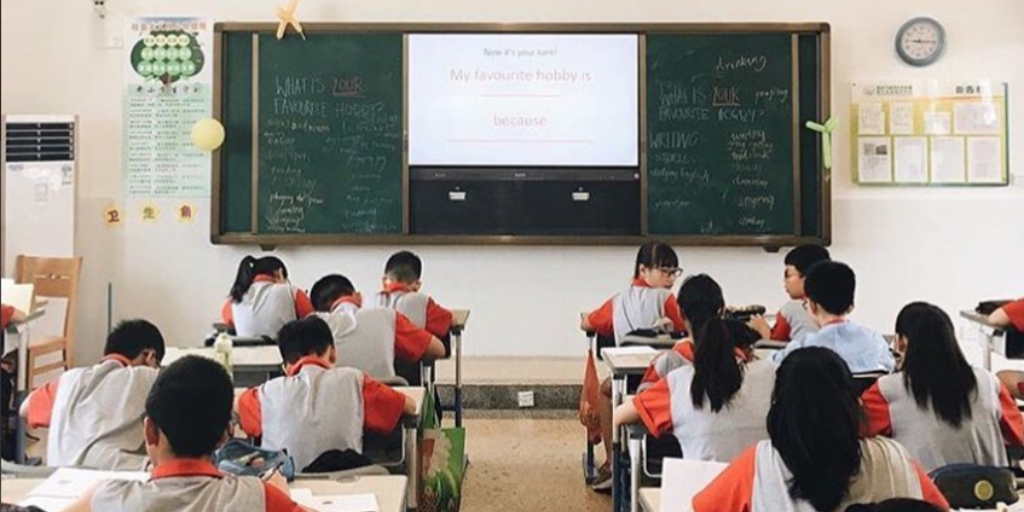
The Traditional Chinese Teaching Approach
The Chinese method of teaching is deeply rooted in Confucian values, emphasizing discipline, respect for authority, and rote memorization. This approach prioritizes:
- Teacher-centered instruction, where educators lead lessons with minimal student interaction.
- High academic expectations, pushing students to excel in standardized testing.
- Repetition and practice to reinforce knowledge through drills and homework.
Focus on Memorization and Repetition
Chinese education heavily relies on memorization techniques to ensure mastery of subjects, particularly in mathematics and sciences. Key aspects include:
See AlsoHow to learn from your mistakes and errors when learning Chinese- Recitation of texts to internalize foundational knowledge.
- Frequent testing to assess retention and understanding.
- Homework overload to reinforce daily lessons.
Emphasis on Discipline and Hard Work
Discipline is a cornerstone of the Chinese teaching method, fostering a strong work ethic. This involves:
- Strict classroom rules to maintain order and focus.
- Long study hours, often extending beyond school into evening tutoring.
- Parental involvement in monitoring academic progress.
Standardized Testing and Competition
The Gaokao (national college entrance exam) shapes much of China's teaching methodology, leading to:
- High-stakes exam preparation dominating curriculum focus.
- Intense competition among students to achieve top scores.
- Streamlined subject emphasis on math, science, and language.
Modern Adaptations in Chinese Teaching
While traditional methods persist, reforms are introducing changes such as:
- Interactive learning to encourage critical thinking.
- Reduced homework loads in some regions to alleviate stress.
- Technology integration through digital classrooms and online resources.
What is Tcsol teaching Chinese to speakers of other languages?

What is TCSOL in Language Education?
TCSOL (Teaching Chinese to Speakers of Other Languages) is a specialized field focused on instructing non-native speakers in Mandarin Chinese. It combines linguistic theory, cultural education, and pedagogical methods tailored to diverse learners. Key aspects include:
- Language Acquisition: Emphasizes listening, speaking, reading, and writing skills.
- Cultural Context: Integrates Chinese traditions and modern society into lessons.
- Adaptive Techniques: Uses technology and immersive strategies for effective learning.
How Does TCSOL Differ from Traditional Chinese Teaching?
Unlike traditional methods, TCSOL prioritizes the unique needs of non-native learners. Differences include:
- Learner-Centered Approach: Customizes content for varying proficiency levels.
- Cross-Cultural Communication: Addresses challenges like tones or characters for foreign students.
- Global Standards: Aligns with frameworks like HSK (Hanyu Shuiping Kaoshi).
What Are the Core Components of TCSOL Curriculum?
A TCSOL curriculum typically includes:
- Phonetics: Focus on mastering Pinyin and tones.
- Grammar & Vocabulary: Structured progression from basic to advanced concepts.
- Cultural Modules: Festivals, history, and etiquette to enhance understanding.
Why is TCSOL Important for Global Communication?
TCSOL bridges linguistic gaps in an interconnected world by:
- Boosting Career Opportunities: Mandarin proficiency is valuable in business and diplomacy.
- Promoting Multiculturalism: Encourages appreciation of Chinese heritage.
- Supporting Academic Exchange: Facilitates study in Chinese-speaking regions.
What Teaching Methods Are Used in TCSOL?
Educators employ diverse techniques like:
- Task-Based Learning: Practical activities (e.g., role-playing) to reinforce skills.
- Digital Tools: Apps (e.g., Pleco) and online platforms for interactive practice.
- Immersion Programs: Language camps or study-abroad experiences.
How to start teaching Chinese?
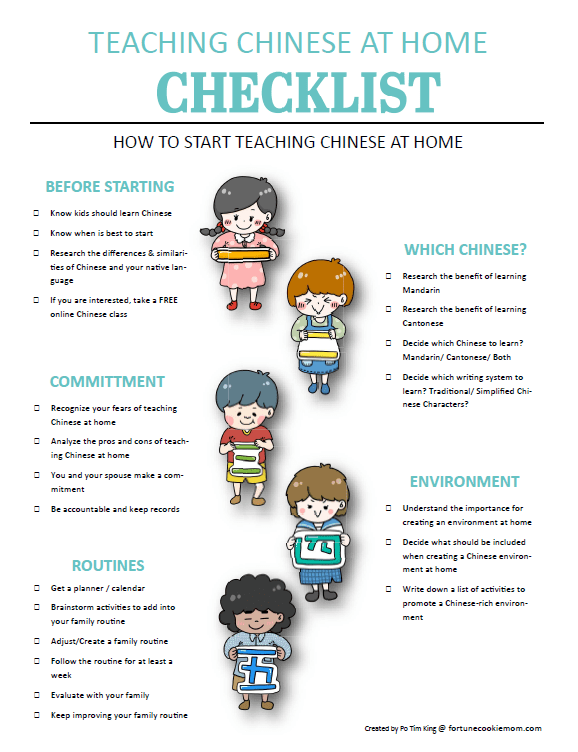
Understanding the Basics of Chinese Language Teaching
To begin teaching Chinese, it's essential to master the fundamentals of the language yourself. Focus on pronunciation (Pinyin), tones, and basic characters. A structured approach ensures students grasp the core concepts effectively.
- Learn Pinyin: Familiarize yourself with the Romanization system to teach accurate pronunciation.
- Master Tones: Chinese is tonal, so practice and emphasize the four main tones.
- Introduce Characters: Start with simple radicals and common characters to build a foundation.
Creating a Structured Lesson Plan
A well-organized lesson plan is crucial for effective teaching. Break down lessons into digestible segments, balancing speaking, listening, reading, and writing.
- Set Clear Objectives: Define what students should achieve in each session.
- Incorporate Interactive Activities: Use role-plays, games, and quizzes to engage learners.
- Progress Gradually: Move from simple phrases to complex sentences as students advance.
Using Effective Teaching Materials
Selecting the right resources enhances learning. Combine textbooks, apps, and multimedia tools for a dynamic experience.
- Textbooks: Choose beginner-friendly books with exercises and cultural notes.
- Digital Tools: Apps like Duolingo or HelloChinese reinforce vocabulary and grammar.
- Authentic Materials: Use videos, songs, or news clips to expose students to real-life usage.
Encouraging Practice and Immersion
Consistent practice and cultural immersion accelerate proficiency. Encourage students to use Chinese outside the classroom.
- Daily Practice: Assign homework like writing characters or recording spoken sentences.
- Language Partners: Pair students with native speakers for conversational practice.
- Cultural Exposure: Introduce traditions, festivals, and media to deepen understanding.
Assessing Student Progress
Regular evaluations help track improvement and adjust teaching methods accordingly.
- Quizzes and Tests: Assess vocabulary, grammar, and comprehension periodically.
- Feedback Sessions: Discuss strengths and areas for improvement with students.
- Adapt Teaching Style: Modify techniques based on individual learning speeds and preferences.
Frequently Asked Questions (FAQ)
What is comprehension-based Chinese teaching and learning?
Comprehension-based Chinese teaching and learning is an approach that emphasizes understanding the language through meaningful input rather than rote memorization or grammar drills. This method focuses on exposing learners to authentic language materials, such as stories, conversations, and multimedia, to help them naturally acquire vocabulary, grammar, and pronunciation. By prioritizing listening and reading comprehension, learners develop an intuitive grasp of the language, similar to how children learn their first language. The goal is to build fluency and confidence before moving to production skills like speaking and writing.
How does comprehension-based learning differ from traditional methods?
Unlike traditional methods, which often rely on memorizing vocabulary lists and grammar rules, comprehension-based learning immerses students in the language through engaging content. Traditional approaches may prioritize accuracy over fluency, leading to hesitation in real-world communication. In contrast, comprehension-based methods emphasize natural acquisition by exposing learners to high-frequency words and structures in context. This reduces anxiety and fosters a deeper, more intuitive understanding of Chinese, making it easier to use the language spontaneously.
What are the benefits of comprehension-based Chinese learning?
The benefits of this approach include improved retention, as learners remember words and phrases better when encountered in meaningful contexts. It also reduces the stress associated with forced speaking early on, allowing students to build confidence. Additionally, comprehension-based learning enhances listening skills, which are crucial for real-life interactions. By focusing on input first, learners develop a strong foundation, making it easier to transition to output (speaking and writing) later. This method is also more engaging, as it uses stories, videos, and interactive materials instead of repetitive drills.
Can beginners use comprehension-based methods to learn Chinese?
Absolutely! Beginners can benefit greatly from comprehension-based methods, as long as the materials are appropriately leveled. Starting with simple, highly visual stories or dialogues with clear context helps learners infer meaning without translation. Tools like pictures, gestures, and slow speech make input comprehensible even for novices. Over time, learners gradually encounter more complex language, building their skills naturally. This approach is especially effective for beginners because it avoids overwhelming them with grammar rules and instead lets them absorb the language organically.
Leave a Reply
Related Posts