
The benefits of using 语文/國文 textbooks to learn Chinese

Learning Chinese can be a challenging yet rewarding endeavor, and using 语文/國文 textbooks is one of the most effective ways to master the language. These textbooks, designed for native speakers, provide a structured approach to grammar, vocabulary, and cultural context, ensuring a deep understanding of both written and spoken Chinese. By studying authentic materials, learners gain exposure to proper sentence structures, idiomatic expressions, and literary techniques. Additionally, 语文/國文 textbooks often include classical texts and modern essays, enriching the learning experience with historical and contemporary perspectives. Whether for academic or practical purposes, these resources offer invaluable insights into the nuances of Chinese language and culture.
Why 语文/國文 Textbooks Are Effective for Learning Chinese
1. Structured Learning Approach
Using 语文/國文 textbooks provides a systematic framework for mastering Chinese. These textbooks are designed to introduce concepts progressively, starting from basic characters and grammar to more complex sentence structures. This ensures learners build a solid foundation before advancing.
| Advantage | Description |
|---|---|
| Gradual Difficulty | Lessons increase in complexity, aiding steady progress. |
| Clear Objectives | Each chapter focuses on specific skills (e.g., reading, writing). |
2. Authentic Language Material
语文/國文 textbooks include real-life dialogues, essays, and classical texts, exposing learners to authentic language use. This contrasts with simplified learner materials, helping students adapt to native-level content faster.
See AlsoHow was your first semester of learning Chinese?| Feature | Benefit |
|---|---|
| Cultural Context | Texts reflect traditions, idioms, and societal norms. |
| Vocabulary Depth | Introduces nuanced terms used in formal and informal settings. |
3. Comprehensive Skill Development
These textbooks emphasize all four language skills: listening, speaking, reading, and writing. Exercises often integrate multiple skills, such as reading a passage followed by discussion or writing summaries.
| Skill | Textbook Activity |
|---|---|
| Reading | Analyzing classical/modern texts. |
| Writing | Composing essays or responses. |
4. Cultural Immersion
语文/國文 textbooks embed cultural knowledge, from historical events to philosophical concepts like Confucianism. This deepens understanding of Chinese thought and societal values.
| Cultural Element | Example |
|---|---|
| Classical Poetry | Works by Li Bai or Du Fu. |
| Proverbs | Common sayings and their origins. |
5. Standardized Language Reference
These textbooks follow official linguistic standards, ensuring learners acquire accurate pronunciation, grammar, and stroke order for characters. This is crucial for avoiding regional dialect influences.
See AlsoA language learner’s guide to wuxia novels| Standard | Importance |
|---|---|
| Mandarin Pronunciation | Uses Pinyin/Zhuyin correctly. |
| Grammar Rules | Teaches formal sentence structures. |
What are the benefits of using textbooks for learning?
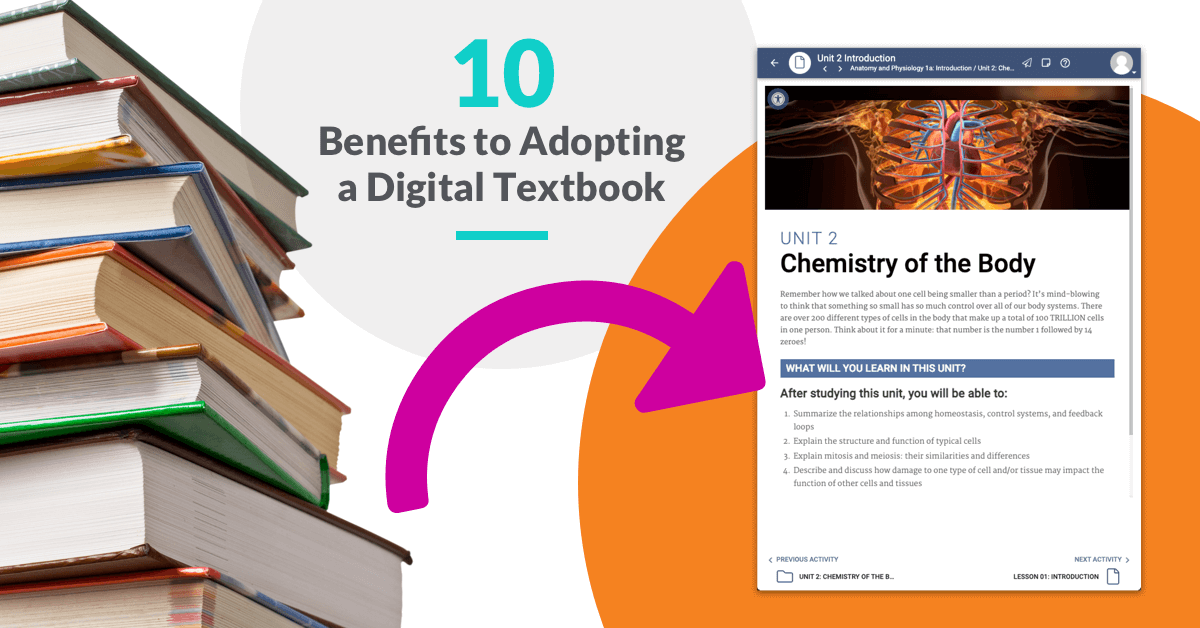
Structured and Organized Learning Material
Textbooks provide a structured and organized approach to learning, ensuring that information is presented in a logical sequence. This helps learners build knowledge progressively without missing key concepts.
- Clear chapter divisions make it easy to follow a curriculum.
- Summaries and review sections reinforce understanding.
- Consistent formatting aids in quick reference and study.
Reliable and Credible Information
Textbooks are often written by experts and reviewed by professionals, ensuring the information is accurate and up-to-date.
See AlsoMandarin Matrix and The Chairman’s Bao: A Powerful Combination for Teaching Chinese- Peer-reviewed content minimizes errors and biases.
- Citations and references allow for further research.
- Standardized knowledge aligns with academic expectations.
Comprehensive Coverage of Topics
Textbooks offer in-depth explanations and cover a wide range of subtopics within a subject, making them a comprehensive resource.
- Detailed examples clarify complex concepts.
- Supplementary materials like diagrams and exercises enhance learning.
- Historical context provides a broader understanding.
Enhanced Retention Through Repetition
The repetitive nature of textbooks, through exercises and reviews, strengthens memory retention and reinforces learning.
- Practice questions test comprehension.
- Recaps and summaries highlight key points.
- Spaced repetition techniques improve long-term recall.
Accessibility and Convenience
Textbooks are accessible both physically and digitally, making them a convenient tool for learners everywhere.
- No dependency on technology (for print versions).
- Portable and can be used offline.
- Searchable content in digital formats speeds up study sessions.
What is the best textbook to learn Chinese?
Best Overall Textbook for Learning Chinese
For beginners to advanced learners, Integrated Chinese by Cheng & Tsui is widely regarded as the best overall textbook. It offers a balanced approach with:
- Comprehensive grammar explanations paired with practical exercises.
- Authentic dialogues to improve listening and speaking skills.
- Workbook supplements for additional practice and reinforcement.
Best for Self-Study Learners
New Practical Chinese Reader by Beijing Language and Culture University Press is ideal for self-study due to its:
- Structured lessons with clear progression from basics to advanced topics.
- Audio accompaniments to aid pronunciation and listening comprehension.
- Cultural notes embedded in lessons for context.
Best for HSK Exam Preparation
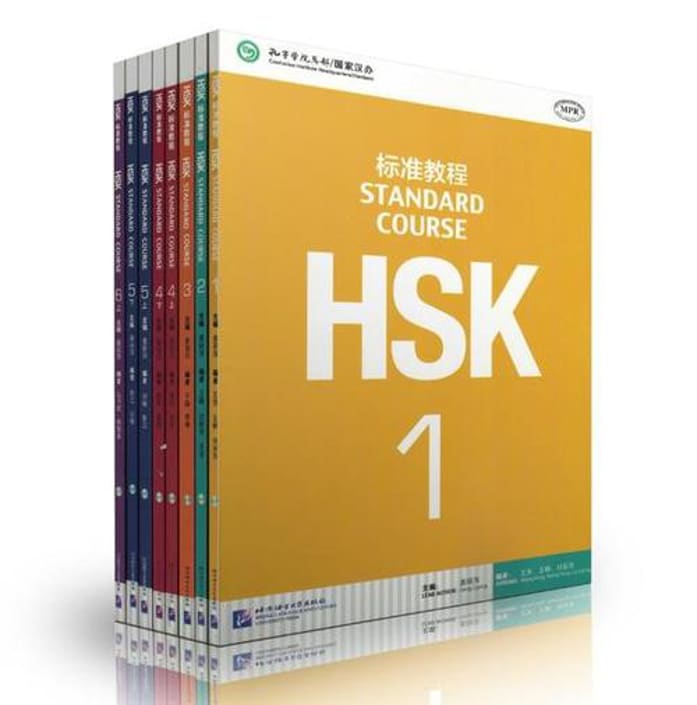
For those targeting the HSK exams, HSK Standard Course by Jiang Liping is the top choice because it:
- Aligns perfectly with HSK exam levels and content.
- Includes mock tests to familiarize learners with the exam format.
- Offers digital resources like interactive exercises and audio.
Best for Conversational Chinese
Colloquial Chinese by Routledge focuses on practical communication with:
- Everyday vocabulary and phrases for real-life situations.
- Role-playing exercises to build conversational confidence.
- Native-speaker audio to model natural pronunciation.
Best for Grammar Mastery
If grammar is your priority, A Practical Chinese Grammar by Foreign Language Press stands out for its:
- Detailed breakdowns of grammatical structures.
- Clear examples illustrating usage in context.
- Exercises tailored to reinforce each grammar point.
What are the benefits of reading Chinese books?
Enhancing Language Proficiency and Vocabulary
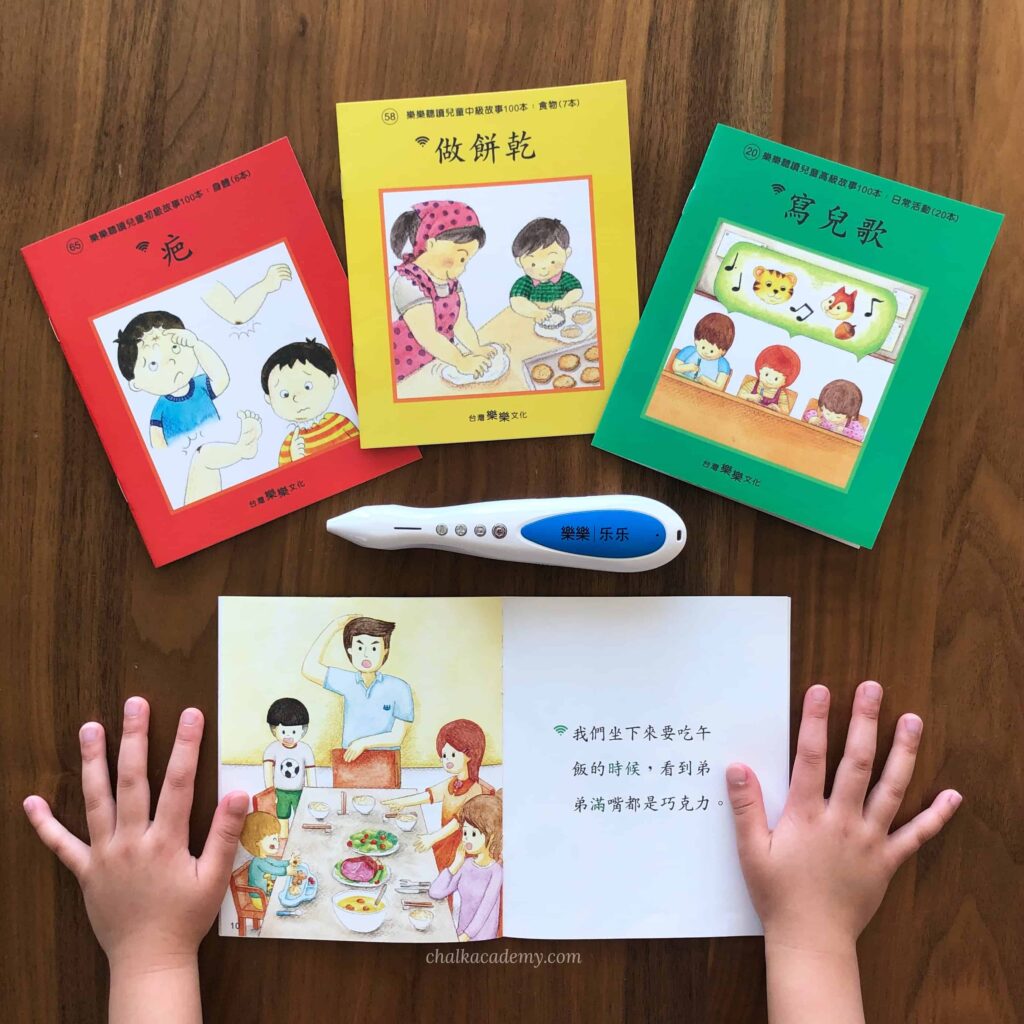
Reading Chinese books significantly improves language skills, especially for learners. It exposes readers to authentic vocabulary, grammar structures, and idiomatic expressions. Here’s how:
- Expands vocabulary by introducing context-specific words and phrases.
- Reinforces grammar rules through real-life usage.
- Improves reading comprehension by tackling diverse texts.
Gaining Cultural Insight and Historical Knowledge
Chinese literature offers a window into the country’s rich culture and history. Books often reflect traditions, philosophies, and societal values. Key benefits include:
- Understanding Confucianism, Taoism, and other philosophical influences.
- Learning about historical events and dynasties through narratives.
- Appreciating cultural nuances like festivals, customs, and etiquette.
Boosting Cognitive and Analytical Skills
Engaging with Chinese texts challenges the brain, enhancing critical thinking and problem-solving abilities. Benefits include:
- Strengthening memory retention through complex characters and plots.
- Developing analytical skills by interpreting metaphors and symbolism.
- Improving focus and concentration due to the intricate writing system.
Improving Career and Academic Opportunities
Proficiency in Chinese literature can open doors in academia and global industries. Advantages include:
- Enhancing resume value for roles in translation, diplomacy, or trade.
- Providing research material for sinology or comparative literature studies.
- Facilitating business negotiations by understanding cultural contexts.
Encouraging Empathy and Global Perspective
Reading Chinese stories fosters empathy and a broader worldview. It helps readers:
- Connect with diverse perspectives through characters’ experiences.
- Recognize universal themes like love, conflict, and resilience.
- Appreciate global interconnectedness by exploring Chinese societal issues.
What textbooks do Chinese students use?
Primary School Textbooks in China
Chinese primary school students use government-approved textbooks that follow the national curriculum. These books cover core subjects like Chinese language, mathematics, and moral education. The most common publishers are the People's Education Press (PEP) and local educational publishers.
- Chinese Language (语文): Focuses on reading, writing, and classical texts.
- Mathematics (数学): Emphasizes problem-solving and arithmetic skills.
- English (英语): Introduces basic vocabulary and grammar.
Middle School Textbooks in China
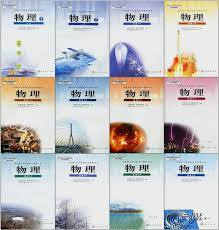
Middle school textbooks in China are more advanced, aligning with the compulsory education framework. Subjects expand to include physics, chemistry, and history. The PEP remains the dominant publisher.
- Science (理科): Covers biology, physics, and chemistry fundamentals.
- History (历史): Focuses on Chinese and world history.
- Geography (地理): Teaches physical and human geography.
High School Textbooks in China
High school textbooks prepare students for the Gaokao (college entrance exam). They are highly specialized, with separate tracks for science and humanities students.
- Advanced Mathematics (高等数学): Includes calculus and algebra.
- Chinese Literature (语文): Explores classical and modern texts.
- Political Ideology (思想政治): Covers Marxist theory and Chinese policies.
University-Level Textbooks in China
University textbooks vary by major but often include translated Western works and locally authored materials. STEM fields rely heavily on English-language textbooks.
- Engineering: Uses international standards like MIT or Cambridge publications.
- Medicine: Combines Chinese and Western medical theories.
- Business: Features case studies from global and Chinese companies.
Specialized Textbooks for Elective Subjects
Beyond core subjects, Chinese students use textbooks for electives like music, art, and vocational training. These are often region-specific.
- Music (音乐): Introduces traditional Chinese instruments.
- Fine Arts (美术): Covers calligraphy and painting techniques.
- Vocational Training (职业教育): Prepares students for technical careers.
Frequently Asked Questions (FAQ)
What are the main benefits of using 语文/國文 textbooks to learn Chinese?
语文/國文 textbooks are specifically designed to teach Chinese language and literature in a structured manner. These textbooks provide a comprehensive curriculum that covers essential skills like reading, writing, listening, and speaking. They often include authentic texts, such as poems, essays, and stories, which expose learners to cultural nuances and advanced vocabulary. Additionally, the exercises and activities in these books reinforce grammar rules and sentence patterns, making them invaluable for serious learners.
How do 语文/國文 textbooks improve reading comprehension in Chinese?
These textbooks systematically introduce graded reading materials, starting from simpler texts and progressing to more complex ones. By studying classical and modern Chinese literature, learners develop a deeper understanding of contextual usage and idiomatic expressions. The inclusion of annotations and explanations helps clarify difficult passages, while comprehension questions test and reinforce understanding. Over time, this method builds strong analytical skills and familiarity with diverse writing styles.
Can 语文/國文 textbooks help with writing skills in Chinese?
Absolutely. These textbooks emphasize proper writing techniques, from basic character formation to advanced composition skills. They often include model essays and writing prompts that guide learners in structuring their thoughts coherently. By practicing essay writing and creative tasks, students learn to express ideas clearly and adhere to formal writing conventions. The feedback from exercises also helps identify and correct common mistakes, leading to consistent improvement.
Are 语文/國文 textbooks suitable for non-native speakers learning Chinese?
While these textbooks are primarily designed for native speakers, advanced non-native learners can benefit significantly from them. The rich linguistic content and cultural depth provide exposure to high-level language use. However, beginners might find them challenging without supplementary resources. For non-natives, pairing these textbooks with language guides or tutoring can enhance comprehension. Ultimately, they are an excellent tool for those aiming to achieve near-native proficiency in Chinese.
Leave a Reply
Related Posts