
China’s ‘Haitao’ Boom

China’s ‘Haitao’ boom reflects the growing appetite for overseas goods among Chinese consumers, driven by rising incomes and a desire for quality products. The term, meaning overseas shopping, encompasses cross-border e-commerce platforms, daigou (personal shoppers), and direct imports, offering everything from cosmetics to infant formula. Government policies, such as tariff reductions and streamlined customs procedures, have further fueled this trend. With tech-savvy shoppers leveraging social media and global logistics, the haitao market has become a multi-billion-dollar industry. This article explores the factors behind its surge, key players shaping the landscape, and the challenges and opportunities it presents for global brands targeting China’s discerning consumers.
China’s ‘Haitao’ Boom: The Rise of Cross-Border E-Commerce
China’s 'Haitao' boom refers to the explosive growth of cross-border e-commerce, where Chinese consumers purchase foreign goods online. Driven by rising middle-class demand for high-quality, authentic international products, this trend has transformed global retail dynamics. Platforms like Tmall Global, JD Worldwide, and Kaola have capitalized on this trend, offering everything from luxury brands to everyday essentials. The Chinese government has also supported Haitao through favorable policies, such as tax exemptions on certain imported goods. This boom reflects China’s shifting consumer preferences and its increasing integration into the global marketplace.
What Is Driving the Haitao Boom in China?
The Haitao boom is fueled by several factors:
- Growing middle class: Increased disposable income allows consumers to seek premium foreign products.
- Trust in quality: Chinese shoppers associate international brands with higher safety and authenticity standards.
- E-commerce infrastructure: Advanced logistics and digital payment systems make cross-border shopping seamless.
- Government policies: Tax breaks and streamlined customs processes encourage Haitao growth.
| Factor | Impact |
|---|---|
| Middle-class expansion | Higher demand for imported goods |
| E-commerce platforms | Easy access to global brands |
| Policy support | Lower costs and faster delivery |
Key Players in China’s Haitao Market
Major e-commerce platforms dominate the Haitao sector:
- Tmall Global: Alibaba’s dedicated platform for international brands.
- JD Worldwide: Focuses on authentic, high-end products.
- Kaola (NetEase): Specializes in母婴 (maternal and infant) imports.
- Xiaohongshu (Little Red Book): Combines social commerce with Haitao shopping.
These platforms leverage big data and AI-driven recommendations to personalize shopping experiences.
| Platform | Specialization |
|---|---|
| Tmall Global | Broad range of international brands |
| JD Worldwide | Luxury and electronics |
| Kaola | Maternal and baby products |
Popular Product Categories in Haitao
Chinese consumers favor specific imported categories:
- Skincare & cosmetics: Brands from South Korea, Japan, and France.
- Infant formula: Trusted products from Australia and Europe.
- Health supplements: Vitamins and probiotics from the US.
- Luxury goods: Handbags, watches, and apparel from Western brands.
| Category | Top Origin Countries |
|---|---|
| Skincare | South Korea, Japan, France |
| Infant formula | Australia, Germany |
| Luxury fashion | Italy, France, USA |
Challenges Facing the Haitao Industry
Despite its growth, the Haitao market faces hurdles:
- Counterfeit goods: Fake products undermine consumer trust.
- Logistics delays: Cross-border shipping can be slow.
- Regulatory changes: Shifting policies may impact tariffs and quotas.
- Competition: Domestic brands are improving quality to rival imports.
| Challenge | Potential Solution |
|---|---|
| Counterfeits | Stricter platform verification |
| Logistics | Investments in warehousing |
| Regulations | Adapting to policy updates |
Future Trends in China’s Haitao Market
The Haitao sector is evolving with:
- Live-streaming commerce: Influencers promote imports in real-time.
- Sustainability: Demand for eco-friendly foreign products.
- Niche markets: Growth in pet products and organic foods.
- Regional expansion: Smaller cities becoming new growth drivers.
| Trend | Impact |
|---|---|
| Live-streaming | Higher engagement and sales |
| Sustainability | Shift toward green consumption |
| Tier-3 cities | New consumer base expansion |
What does haitao mean in Chinese?
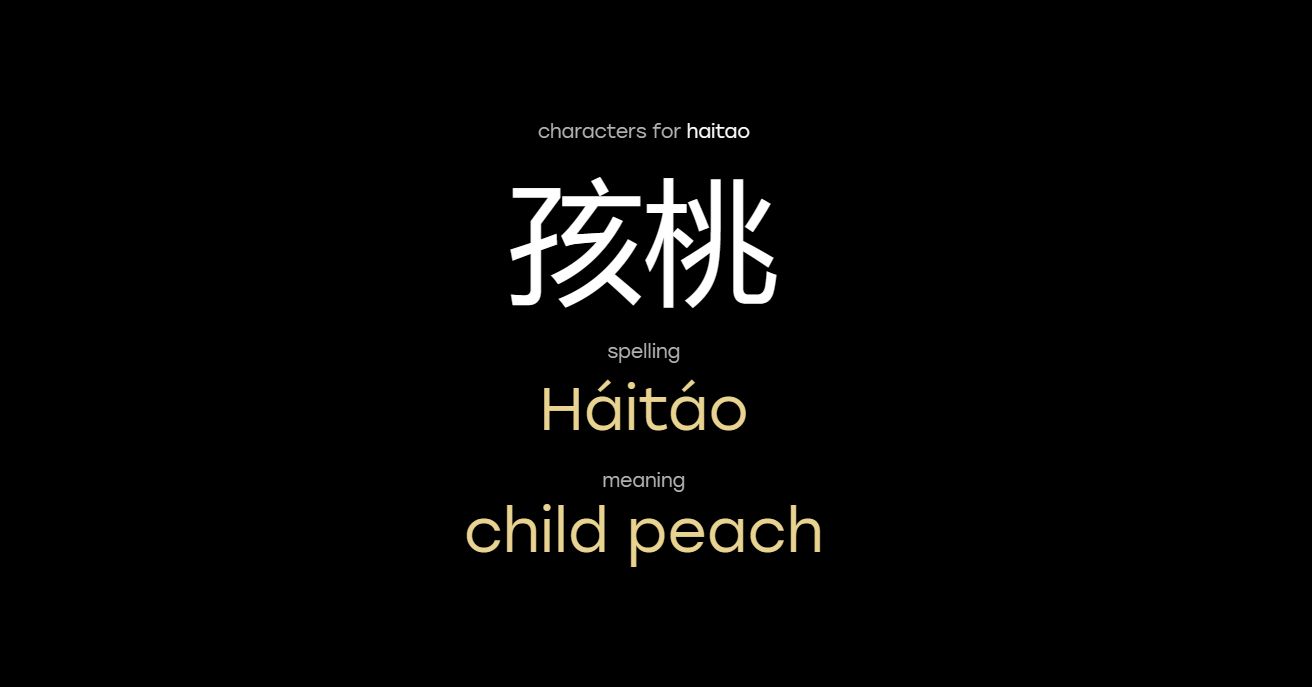
The Meaning of Haitao in Chinese
The term Haitao (海淘) in Chinese refers to the practice of overseas online shopping, where consumers purchase goods directly from international e-commerce platforms. It combines the characters Hai (海), meaning overseas or sea, and Tao (淘), meaning to browse or to hunt for deals. This trend has grown significantly due to the demand for foreign products not readily available in China.
- Etymology: Hai (海) symbolizes crossing borders, while Tao (淘) implies searching for bargains.
- Popularity: Driven by demand for authentic foreign brands, especially in cosmetics, electronics, and baby products.
- Platforms: Websites like Amazon, eBay, and Taobao Global facilitate Haitao transactions.
How Haitao Became a Cultural Phenomenon
The rise of Haitao reflects China's growing middle class and their appetite for globalized consumerism. Consumers trust foreign products for perceived higher quality, safety, or exclusivity.
- Trust: Chinese buyers often associate imported goods with better standards.
- Convenience: Logistics improvements and payment systems like Alipay simplify cross-border purchases.
- Trends: Social media influencers often promote Haitao hauls, boosting its popularity.
Key Benefits of Haitao Shopping
Engaging in Haitao offers several advantages, from access to unique products to competitive pricing.
See AlsoWhy good feedback matters and how to get it- Variety: Access to international brands not sold locally.
- Cost Savings: Sometimes cheaper than buying through domestic resellers.
- Authenticity: Reduces the risk of counterfeit goods common in local markets.
Challenges of Haitao for Consumers
Despite its perks, Haitao comes with hurdles like shipping delays, customs duties, and language barriers.
- Shipping Time: Longer delivery periods compared to domestic purchases.
- Customs Fees: Unexpected taxes can increase the total cost.
- Returns: Complicated and costly return processes for international orders.
The Future of Haitao in E-Commerce
The Haitao market is evolving with advancements in logistics, blockchain for authenticity, and tighter regulations.
- Technology: AI and blockchain may streamline verification and shipping.
- Regulations: Governments are implementing policies to ensure product safety and tax compliance.
- Growth: Expected to expand as global e-commerce platforms cater more to Chinese consumers.
When was China's industrial boom?

The Origins of China's Industrial Boom
China's industrial boom began in the late 20th century, specifically after the economic reforms initiated by Deng Xiaoping in 1978. These reforms shifted China from a centrally planned economy to a more market-oriented one, fueling rapid industrialization.
- 1978 Reforms: Deng Xiaoping's Open Door Policy encouraged foreign investment and private enterprise.
- Special Economic Zones (SEZs): Established in cities like Shenzhen to attract global manufacturing.
- Infrastructure Growth: Massive investments in roads, ports, and factories laid the foundation for industrial expansion.
Key Phases of China's Industrial Growth
The industrial boom occurred in distinct phases, each marked by significant milestones and policy shifts.
- 1980s-1990s: Light manufacturing (textiles, toys) dominated, driven by low labor costs.
- 2000s: Heavy industries (steel, machinery) and export-oriented production surged.
- 2010s-Present: High-tech sectors (electronics, green energy) became priorities under Made in China 2025.
Role of Government Policies in the Industrial Boom
Government policies were instrumental in accelerating China's industrial transformation.
- Five-Year Plans: Outlined industrial priorities, such as infrastructure and technology.
- State-Owned Enterprises (SOEs): Played a central role in strategic sectors like energy and telecom.
- Subsidies and Incentives: Offered to domestic and foreign firms to boost manufacturing output.
Impact of Globalization on China's Industrialization
China's integration into the global economy was a catalyst for its industrial boom.
- WTO Membership (2001): Gave China access to international markets, boosting exports.
- Foreign Direct Investment (FDI): Companies like Apple and Nike established supply chains in China.
- Export-Led Growth: Cheap Chinese goods flooded global markets, driving industrial demand.
Challenges and Future of China's Industrial Sector
Despite its success, China's industrial boom faces sustainability and competition challenges.
- Environmental Degradation: Rapid industrialization caused pollution, prompting green initiatives.
- Labor Costs Rising: Higher wages are pushing manufacturers to cheaper regions like Vietnam.
- Trade Wars: Tariffs and sanctions (e.g., U.S.-China trade war) disrupt supply chains.
Frequently Asked Questions (FAQ)
What is China’s ‘Haitao’ boom?
The 'Haitao' boom refers to the rapid growth in Chinese consumers purchasing foreign goods through cross-border e-commerce platforms. Driven by rising disposable incomes and a desire for high-quality international products, this trend has transformed the retail landscape in China. Platforms like Tmall Global and JD Worldwide facilitate these purchases, offering everything from cosmetics to baby formula. The term 'Haitao' (海淘) literally means overseas shopping, highlighting the demand for authentic imported goods.
Why has ‘Haitao’ become so popular in China?
The popularity of 'Haitao' stems from several factors, including consumer distrust in domestic products due to past safety scandals, as well as the perception that foreign brands offer better quality and reliability. Additionally, government policies like lower tariffs on cross-border e-commerce and streamlined customs procedures have made it easier for consumers to shop globally. The rise of social media influencers and KOLs (Key Opinion Leaders) has also played a role in promoting overseas products to Chinese shoppers.
Which products are most sought after in China’s ‘Haitao’ market?
Chinese consumers shopping through 'Haitao' platforms primarily seek luxury goods, skincare products, vitamins, and infant formula. Brands from countries like Japan, South Korea, the U.S., and Europe dominate this market due to their reputation for safety and prestige. Electronics, designer clothing, and health supplements are also highly popular, reflecting the demand for premium and niche products that are either unavailable or more expensive domestically.
How does the ‘Haitao’ boom impact global retailers?
The 'Haitao' boom presents a massive opportunity for global retailers to tap into China’s vast consumer base without establishing a physical presence in the country. Many international brands partner with Chinese e-commerce platforms to reach these shoppers directly. However, retailers must adapt to local preferences, such as offering localized payment methods and complying with China’s strict import regulations. The trend has also intensified competition, pushing brands to enhance their marketing strategies and supply chain efficiency to meet Chinese demand.
Leave a Reply
Related Posts