
How to Get Duolingo Music: A Complete Guide


Duolingo, the popular language-learning platform, has expanded its offerings to include a unique and engaging way to learn music. With the introduction of Duolingo Music, users can now explore the fundamentals of music theory, notation, and rhythm while enjoying the app’s signature gamified experience. Whether you’re a complete beginner or looking to refine your musical skills, this feature provides an accessible and fun approach to understanding music. In this guide, we’ll walk you through everything you need to know about accessing Duolingo Music, from downloading the app to navigating its features, so you can start your musical journey with confidence.
How to Get Duolingo Music: A Complete Guide
What is Duolingo Music?
Duolingo Music is a new feature introduced by Duolingo that allows users to learn music theory and practice playing instruments through interactive lessons. This feature is designed to make learning music fun and accessible, similar to how Duolingo has revolutionized language learning. With Duolingo Music, users can learn to read sheet music, understand musical notes, and even play simple melodies on a virtual keyboard.
How to Access Duolingo Music
To access Duolingo Music, you need to have the latest version of the Duolingo app installed on your device. Once updated, open the app and navigate to the More section, where you will find the option for Duolingo Music. If the feature is not yet available in your region, you may need to wait for a future update. Duolingo Music is currently available on both iOS and Android platforms.
See AlsoWhy learning Chinese through music is underratedSetting Up Your Duolingo Music Profile
Before you start using Duolingo Music, you will need to set up your profile. This involves selecting your preferred instrument, setting your skill level, and choosing your musical goals. The app will then customize the lessons based on your preferences. You can always update your profile settings later if your goals or skill level change.
The Duolingo Music interface is user-friendly and intuitive. The main screen displays your progress, upcoming lessons, and a virtual keyboard for practice. You can also access a library of songs and exercises to practice at your own pace. The app provides instant feedback on your performance, helping you improve quickly.
Tips for Maximizing Your Duolingo Music Experience
To get the most out of Duolingo Music, it's important to practice regularly and take advantage of all the features the app offers. Here are some tips:
- Set a practice schedule: Consistency is key to improving your musical skills.
- Use the feedback feature: Pay attention to the app's feedback to identify areas for improvement.
- Explore the song library: Try different songs to keep your practice sessions interesting.
- Join the community: Engage with other users in the Duolingo Music community for tips and motivation.
- Track your progress: Regularly check your progress to stay motivated and see how far you've come.
| Feature | Description |
|---|---|
| Interactive Lessons | Learn music theory and practice playing instruments through interactive lessons. |
| Virtual Keyboard | Practice playing melodies on a virtual keyboard within the app. |
| Progress Tracking | Track your progress and see how much you've improved over time. |
| Song Library | Access a library of songs and exercises to practice at your own pace. |
| Community Engagement | Join the Duolingo Music community for tips, motivation, and support. |
How to get Duolingo audio lessons?

How to Access Duolingo Audio Lessons
To access Duolingo audio lessons, you need to have the Duolingo app installed on your device. These lessons are designed to help you improve your listening and speaking skills in the language you are learning. Here’s how you can get started:
- Download the Duolingo app from the App Store (iOS) or Google Play Store (Android).
- Create an account or log in if you already have one.
- Select your target language and navigate to the Audio Lessons section, which is available for certain languages like Spanish and French.
- Choose a lesson and start listening to the audio content, which includes conversations and exercises.
Where to Find Duolingo Audio Lessons
Duolingo audio lessons are located within the app under specific language courses. Not all languages offer audio lessons, so ensure your chosen language supports this feature. Follow these steps to locate them:
See AlsoHSK vs HSKK - What’s The Deal?- Open the Duolingo app and select your language course.
- Look for the Audio Lessons tab in the course menu.
- Browse through the available lessons and select one to begin.
How to Use Duolingo Audio Lessons Effectively
To make the most of Duolingo audio lessons, it’s important to use them strategically. Here are some tips to enhance your learning experience:
- Listen actively by focusing on pronunciation, intonation, and vocabulary.
- Repeat phrases aloud to practice speaking and improve fluency.
- Take notes on new words or phrases to reinforce your memory.
- Use headphones for better audio clarity and immersion.
Benefits of Duolingo Audio Lessons
Duolingo audio lessons offer several advantages for language learners. Here are some key benefits:
- Improves listening comprehension by exposing you to native-like conversations.
- Enhances speaking skills through repetition and practice.
- Convenient and portable, allowing you to learn on the go.
- Interactive exercises help reinforce what you’ve learned.
Limitations of Duolingo Audio Lessons
While Duolingo audio lessons are helpful, they do have some limitations. Here’s what to keep in mind:
- Not available for all languages, limiting options for learners of less common languages.
- Limited depth compared to full language courses or in-person classes.
- Requires consistent practice to see significant improvement.
- May not cover advanced topics, making it more suitable for beginners.
Is the Duolingo music course any good?
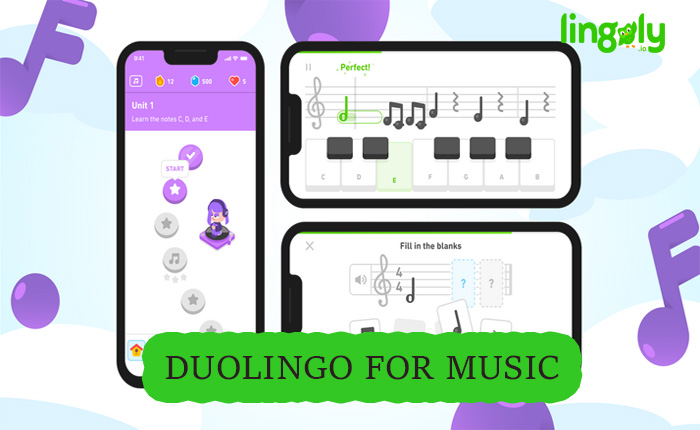
What Does the Duolingo Music Course Offer?
The Duolingo music course is designed to help users learn the basics of music theory and improve their musical skills. It includes interactive lessons that cover a variety of topics, such as reading sheet music, understanding rhythm, and recognizing musical notes. The course is structured to be beginner-friendly, making it accessible to those with no prior musical experience.
- Interactive Lessons: The course offers engaging and interactive lessons that make learning music theory fun and easy.
- Beginner-Friendly: It is designed for individuals with no prior musical knowledge, ensuring that anyone can start learning.
- Comprehensive Content: The course covers a wide range of topics, from basic note recognition to more advanced concepts like rhythm and timing.
How Effective Is the Duolingo Music Course?
The effectiveness of the Duolingo music course largely depends on the user's commitment and learning style. For beginners, it provides a solid foundation in music theory, but it may not be sufficient for those looking to achieve advanced proficiency. The gamified approach keeps users motivated, but some may find the content too basic for their needs.
- Gamified Learning: The course uses a gamified approach to keep users engaged and motivated.
- Basic Foundation: It is effective for building a basic understanding of music theory.
- Limited Advanced Content: The course may not be suitable for those seeking advanced musical skills.
What Are the Pros of the Duolingo Music Course?
The Duolingo music course has several advantages, including its accessibility, ease of use, and engaging content. It is available on multiple platforms, allowing users to learn at their own pace. The course also integrates well with other Duolingo language courses, making it a versatile tool for learners.
- Accessibility: The course is available on various devices, making it easy to access anytime, anywhere.
- User-Friendly Interface: The interface is intuitive and easy to navigate, even for beginners.
- Integration with Other Courses: It complements other Duolingo courses, providing a well-rounded learning experience.
What Are the Cons of the Duolingo Music Course?
While the Duolingo music course has many benefits, it also has some drawbacks. The course may lack depth for more advanced learners, and the gamified approach might not appeal to everyone. Additionally, the course may not provide enough practical application, such as playing an instrument.
- Limited Depth: The course may not cover advanced topics in enough detail.
- Gamified Approach: Some users may find the gamified elements distracting or unnecessary.
- Lack of Practical Application: The course focuses more on theory than on practical skills like playing an instrument.
Who Should Consider Taking the Duolingo Music Course?
The Duolingo music course is ideal for beginners who want to learn the basics of music theory in a fun and engaging way. It is also suitable for individuals who are already using Duolingo for language learning and want to expand their skills. However, advanced musicians or those looking for in-depth training may need to seek additional resources.
- Beginners: Perfect for those new to music theory.
- Duolingo Users: Great for individuals already using Duolingo for other courses.
- Casual Learners: Suitable for those looking for a casual introduction to music.
What is one criticism of Duolingo?

Limited Depth in Language Learning
One major criticism of Duolingo is its limited depth in teaching languages. While it is effective for beginners, it often falls short in providing advanced language skills. Here are some key points:
- Vocabulary: Duolingo focuses on basic vocabulary, which may not be sufficient for complex conversations.
- Grammar: The app provides only a superficial understanding of grammar rules, lacking in-depth explanations.
- Contextual Usage: Users often find it difficult to apply what they learn in real-world situations due to the lack of context.
Over-Reliance on Gamification
Another criticism is Duolingo's over-reliance on gamification, which can sometimes detract from the learning experience. Here are some concerns:
- Distraction: The game-like elements can be more distracting than helpful, pulling focus away from actual learning.
- Motivation: While gamification can motivate some users, it may not work for everyone, especially those who prefer a more traditional learning approach.
- Retention: The emphasis on streaks and points can lead to short-term retention rather than long-term mastery of the language.
Lack of Speaking Practice
Duolingo has been criticized for its lack of speaking practice, which is crucial for language acquisition. Here are some issues:
- Pronunciation: The app does not provide enough opportunities for users to practice and improve their pronunciation.
- Feedback: There is limited feedback on speaking exercises, making it hard for users to correct their mistakes.
- Real Conversations: The absence of real-life conversation practice can hinder the development of conversational skills.
Inconsistent Quality Across Languages
The quality of courses on Duolingo can vary significantly depending on the language, leading to inconsistent learning experiences. Here are some points to consider:
- Popular Languages: Courses for popular languages like Spanish and French are well-developed, but less common languages may lack the same level of detail.
- Updates: Some language courses receive regular updates, while others may remain outdated for long periods.
- Content Depth: The depth and breadth of content can differ, affecting the overall learning experience.
Limited Cultural Context
Duolingo often fails to provide sufficient cultural context, which is essential for understanding a language fully. Here are some concerns:
- Cultural Nuances: The app does not always explain cultural nuances that are important for language comprehension.
- Idiomatic Expressions: There is limited coverage of idiomatic expressions and slang, which are crucial for fluency.
- Real-World Application: Without cultural context, users may struggle to apply their knowledge in real-world settings.
Frequently Asked Questions From our Community
What is Duolingo Music and how does it work?
Duolingo Music is a specialized feature within the Duolingo app designed to help users learn music theory and improve their musical skills. It works by offering interactive lessons that teach users how to read sheet music, understand rhythms, and recognize musical notes. The lessons are gamified, similar to Duolingo's language courses, making learning engaging and fun. Users can practice by tapping along to rhythms, identifying notes, and completing exercises that gradually increase in difficulty.
How can I access Duolingo Music on the app?
To access Duolingo Music, you need to ensure that you have the latest version of the Duolingo app installed on your device. Once updated, open the app and navigate to the More section, where you will find the Music option. If it’s not immediately visible, it may still be rolling out in your region. Keep your app updated and check back regularly, as Duolingo often releases new features gradually.
Is Duolingo Music free to use, or does it require a subscription?
Duolingo Music is available to both free and premium users, but with some differences. Free users can access a limited number of lessons and features, while Duolingo Super subscribers (premium users) enjoy unlimited access to all lessons, ad-free learning, and additional perks. If you’re serious about learning music, upgrading to a Super subscription might be worth considering for a more comprehensive experience.
Can Duolingo Music help me learn to play an instrument?
While Duolingo Music focuses primarily on teaching music theory, such as reading sheet music and understanding rhythms, it can be a valuable foundation for learning to play an instrument. By mastering these basics, you’ll be better equipped to transition to playing instruments like the piano, guitar, or violin. However, Duolingo Music is not a substitute for hands-on instrument practice, so consider pairing it with lessons or tutorials specific to your chosen instrument for the best results.
Leave a Reply
Related Posts