
Duolingo Duels Explained: How They Work and Tips to Win


Duolingo Duels are a competitive feature within the popular language-learning app, designed to challenge users and enhance their skills through head-to-head matchups. This gamified experience pits learners against each other in timed quizzes, testing vocabulary, grammar, and comprehension. By participating in Duels, users can earn rewards, track their progress, and stay motivated to improve. Understanding how Duels work and implementing effective strategies can significantly boost your chances of winning. In this article, we’ll explore the mechanics of Duolingo Duels, provide actionable tips to outperform your opponents, and explain how this feature can elevate your language-learning journey.
Duolingo Duels Explained: How They Work and Tips to Win
What Are Duolingo Duels?
Duolingo Duels are a competitive feature within the Duolingo app that allows users to challenge their friends or other learners in timed language exercises. The goal is to answer questions correctly and quickly to earn points and outperform your opponent. This feature adds a fun, gamified element to language learning, encouraging users to practice more frequently and improve their skills.
How Do Duolingo Duels Work?
In Duolingo Duels, two players compete in a series of language exercises, such as translating sentences, matching words, or filling in blanks. Each correct answer earns points, and the player with the most points at the end of the duel wins. The exercises are timed, so speed and accuracy are crucial. Players can challenge friends directly or be matched with random opponents of similar skill levels.
See AlsoRole-playing as a way to expand your ChineseTips to Win Duolingo Duels
To increase your chances of winning Duolingo Duels, focus on improving your speed and accuracy. Practice regularly to familiarize yourself with common vocabulary and grammar structures. Use the app's review features to reinforce your knowledge. Additionally, stay calm under pressure and avoid rushing through questions, as mistakes can cost valuable points.
Benefits of Participating in Duolingo Duels
Participating in Duolingo Duels offers several benefits, including enhanced motivation, improved language skills, and a sense of community. The competitive aspect encourages consistent practice, while the variety of exercises helps reinforce learning. It's also a great way to connect with friends and other learners who share your language goals.
Common Challenges in Duolingo Duels
Some common challenges in Duolingo Duels include time pressure, difficult questions, and facing opponents with higher skill levels. To overcome these challenges, practice regularly, focus on your weak areas, and use the app's resources to improve. Remember, the primary goal is learning, so don't get discouraged by losses.
See AlsoLotus Root Stuffed With Glutinous Rice| Feature | Description |
|---|---|
| Timed Exercises | Questions must be answered quickly to earn points. |
| Variety of Questions | Includes translations, matching, and fill-in-the-blank tasks. |
| Competitive Mode | Challenge friends or random opponents. |
| Skill-Based Matching | Players are matched with opponents of similar skill levels. |
| Learning Reinforcement | Helps reinforce vocabulary and grammar through practice. |
How to do a duel in Duolingo?
What is a Duel in Duolingo?
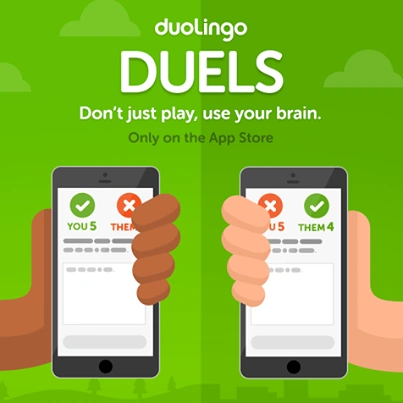
A Duel in Duolingo is a competitive feature where users can challenge their friends or random opponents to a language-learning match. The goal is to answer questions correctly and quickly to earn points and win the duel. This feature is designed to make learning more engaging and fun by adding a competitive element.
- Duel Mode is available in the Duolingo app under the League section.
- It tests your knowledge in vocabulary, grammar, and listening skills.
- Winning duels can help you climb the leaderboard in your league.
How to Start a Duel in Duolingo?
To start a Duel, you need to access the League tab in the Duolingo app. Once there, you can either challenge a friend or be matched with a random opponent. The duel consists of a series of questions, and the player who answers the most correctly in the shortest time wins.
See AlsoHow to Use Flexi Classes || A Quick (& Simple) Guide- Open the Duolingo app and navigate to the League section.
- Select the Duel option to challenge a friend or random opponent.
- Answer questions quickly and accurately to earn points and win the duel.
What Types of Questions Are in a Duolingo Duel?
Duolingo Duels include a variety of question types to test different language skills. These can range from multiple-choice questions to listening exercises and translation tasks. The questions are designed to be quick and challenging, requiring both knowledge and speed.
- Multiple-choice questions test vocabulary and grammar.
- Listening exercises require you to understand spoken language.
- Translation tasks challenge you to translate sentences accurately.
How to Win a Duel in Duolingo?
Winning a Duel in Duolingo requires a combination of accuracy and speed. Focus on answering questions correctly, but also try to respond as quickly as possible to outscore your opponent. Practice regularly to improve your skills and increase your chances of winning.
- Answer questions accurately to avoid losing points.
- Respond quickly to earn bonus points and outpace your opponent.
- Practice regularly to improve your language skills and reaction time.
What Are the Benefits of Participating in Duolingo Duels?
Participating in Duolingo Duels offers several benefits, including improving your language skills, making learning more enjoyable, and providing a sense of accomplishment. It also helps you stay motivated by adding a competitive edge to your learning routine.
See Also15 Interesting Facts About Chinese Culture- Improves language skills through quick and varied practice.
- Makes learning more engaging and fun with a competitive element.
- Provides a sense of accomplishment when you win duels and climb the leaderboard.
How do Duolingo clashes work?

What Are Duolingo Clashes?
Duolingo Clashes are a competitive feature within the Duolingo app where users can challenge each other in language learning exercises. These challenges are designed to motivate learners by adding a gamified element to their studies. Participants earn points by completing lessons, and the person with the highest score at the end of the clash wins.
- Clashes are time-limited events, usually lasting a few days.
- Participants are matched with others of similar skill levels to ensure fair competition.
- Winning a clash often rewards users with gems or other in-app bonuses.
How to Join a Duolingo Clash
To join a Duolingo Clash, users must first have access to the feature, which is often rolled out gradually. Once available, you can participate by selecting the clash option from the app's interface. The app will then match you with other learners for the competition.
- Open the Duolingo app and navigate to the Clash section.
- Select a language course to compete in.
- Wait for the app to match you with other participants.
Scoring System in Duolingo Clashes
The scoring system in Duolingo Clashes is based on the number of lessons completed and the accuracy of your answers. Each correct answer earns you points, while mistakes may deduct points or slow your progress. The goal is to accumulate as many points as possible within the time limit.
- Points are awarded for completing lessons and exercises.
- Accuracy plays a significant role in determining your final score.
- Bonus points may be available for completing specific challenges or streaks.
Strategies to Win Duolingo Clashes
Winning a Duolingo Clash requires a combination of consistency, accuracy, and strategic planning. Focus on completing lessons quickly while maintaining high accuracy to maximize your score. Additionally, participating during peak activity times can increase your chances of earning bonus points.
- Prioritize accuracy over speed to avoid losing points.
- Complete lessons in shorter sessions to maintain focus and efficiency.
- Use streaks and bonus challenges to gain extra points.
Rewards and Benefits of Duolingo Clashes
Participating in Duolingo Clashes offers several rewards and benefits, including in-app currency like gems, which can be used to purchase additional features. Winning clashes also provides a sense of accomplishment and can motivate users to continue their language learning journey.
- Winners receive gems or other in-app rewards.
- Clashes help improve language skills through consistent practice.
- The competitive aspect encourages users to stay engaged with the app.
What is one criticism of Duolingo?

Limited Depth in Language Learning
One major criticism of Duolingo is its limited depth in teaching languages. While it is effective for beginners, it often falls short in providing advanced language skills. Here are some reasons why:
- Vocabulary Focus: Duolingo heavily emphasizes vocabulary but lacks in-depth grammar explanations.
- Contextual Usage: The app often fails to teach how words and phrases are used in real-life contexts.
- Advanced Topics: Advanced language concepts, such as nuanced grammar and idiomatic expressions, are rarely covered.
Over-Reliance on Gamification
Another criticism is Duolingo's over-reliance on gamification, which can sometimes hinder effective learning. Here’s how:
- Distraction: The game-like elements can distract users from focusing on actual language learning.
- Superficial Engagement: Users may prioritize earning points over truly understanding the material.
- Lack of Seriousness: The playful nature might make it difficult for users to take their learning seriously.
Inconsistent Quality Across Languages
Duolingo's course quality varies significantly depending on the language, leading to inconsistent learning experiences. Key points include:
- Popular vs. Less Common Languages: Courses for popular languages like Spanish are well-developed, while less common languages may lack depth.
- Content Updates: Some languages receive frequent updates, whereas others remain outdated.
- Cultural Context: The inclusion of cultural context is often inconsistent across different language courses.
Lack of Speaking Practice
Duolingo has been criticized for its limited speaking practice, which is crucial for language fluency. Here’s why:
- Minimal Interaction: The app provides limited opportunities for users to practice speaking aloud.
- Pronunciation Feedback: The feedback on pronunciation is often automated and not always accurate.
- Real Conversations: There is a lack of real-life conversational practice, which is essential for fluency.
Repetitive Content
Many users find Duolingo’s content to be repetitive, which can lead to boredom and disengagement. Key issues include:
- Redundant Exercises: Users often encounter the same exercises multiple times, which can be monotonous.
- Slow Progression: The repetitive nature can slow down the learning process, especially for more advanced learners.
- Limited Variety: The lack of diverse content can make the learning experience less engaging over time.
How does Duolingo algorithm work?
How Does Duolingo's Algorithm Personalize Learning?
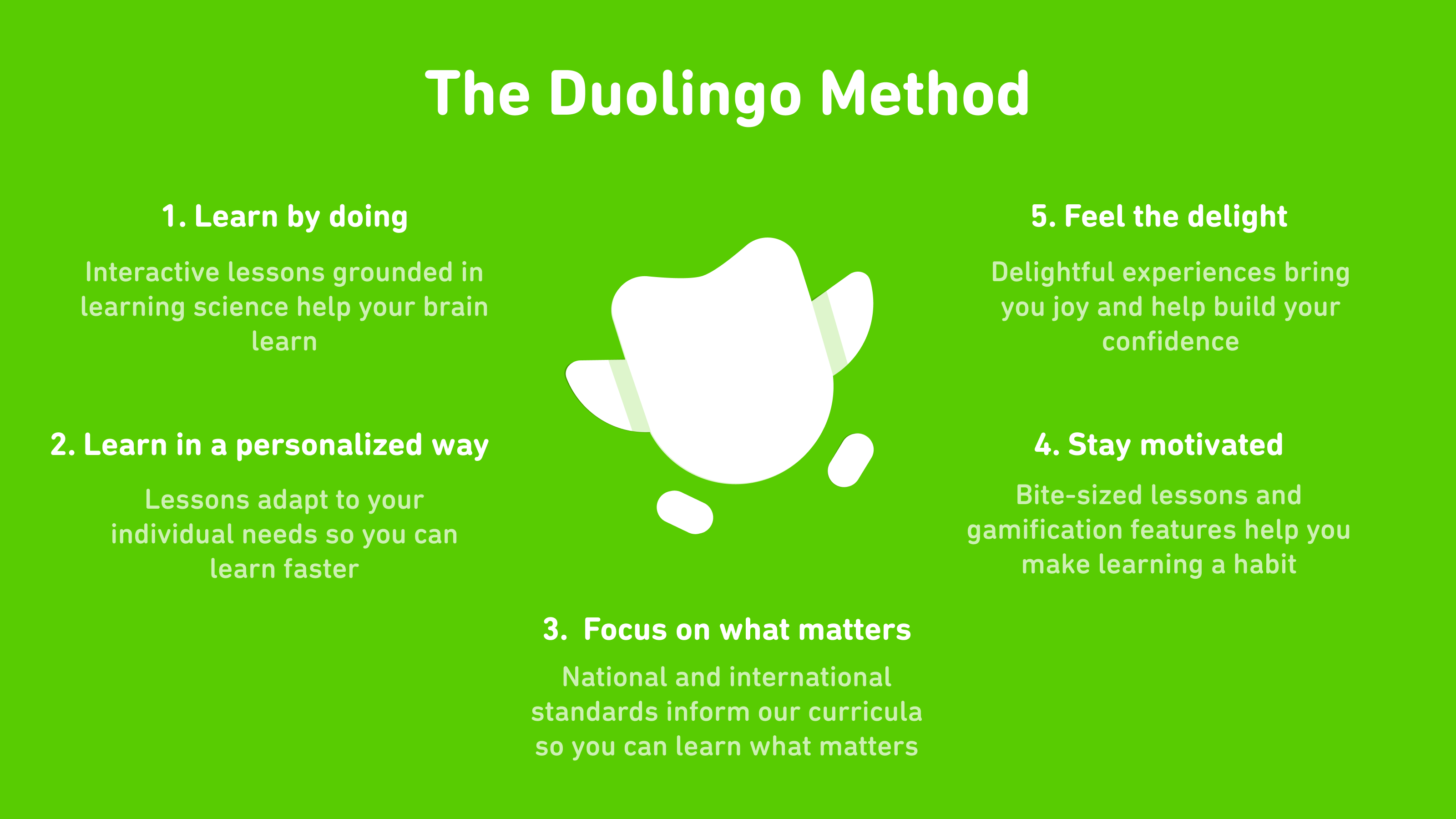
Duolingo's algorithm uses adaptive learning technology to tailor lessons to each user's proficiency level and learning pace. It analyzes user performance in real-time and adjusts the difficulty of exercises accordingly. Key features include:
- Skill assessment: The algorithm evaluates your strengths and weaknesses based on your answers.
- Spaced repetition: It schedules reviews of previously learned material at optimal intervals to enhance retention.
- Dynamic difficulty: Exercises become harder or easier depending on your performance.
What Role Does Data Play in Duolingo's Algorithm?
Duolingo's algorithm relies heavily on data collection and machine learning to improve its effectiveness. It gathers data from millions of users to refine its models. Key aspects include:
- User behavior analysis: Tracks how users interact with the app, such as time spent on exercises and error patterns.
- A/B testing: Experiments with different lesson formats to determine what works best.
- Feedback loops: Uses user feedback to continuously update and improve the algorithm.
How Does Duolingo's Algorithm Handle Mistakes?
The algorithm is designed to identify and correct mistakes effectively. It provides instant feedback and explanations to help users learn from errors. Key mechanisms include:
- Error detection: Recognizes common mistakes and offers targeted corrections.
- Contextual hints: Provides hints and examples to clarify confusing concepts.
- Progress tracking: Monitors recurring mistakes and revisits problematic areas in future lessons.
How Does Duolingo's Algorithm Encourage Consistency?
Duolingo's algorithm incorporates gamification and behavioral psychology to keep users engaged and consistent. Key strategies include:
- Streaks and rewards: Encourages daily use by tracking consecutive days of activity and offering rewards.
- Personalized reminders: Sends notifications based on your preferred learning schedule.
- Progress visualization: Displays clear milestones and achievements to motivate users.
How Does Duolingo's Algorithm Adapt to Different Languages?
The algorithm is designed to handle multiple languages and their unique challenges. It adjusts its approach based on the language being learned. Key adaptations include:
- Language-specific rules: Tailors lessons to address grammar, vocabulary, and pronunciation unique to each language.
- Cultural context: Incorporates culturally relevant examples and scenarios.
- Difficulty scaling: Adjusts the complexity of lessons based on the linguistic distance between the user's native language and the target language.
Frequently Asked Questions From our Community
What are Duolingo Duels and how do they work?
Duolingo Duels are a competitive feature within the Duolingo app where users can challenge friends or random opponents to a language-learning match. The duel consists of a series of timed questions or exercises, such as translating sentences, matching words, or identifying correct grammar. The goal is to answer as many questions correctly as possible within the given time limit. The player with the highest score at the end of the duel wins. This feature is designed to make learning more engaging and fun by adding a competitive element.
How can I improve my chances of winning a Duolingo Duel?
To increase your chances of winning a Duolingo Duel, focus on improving your speed and accuracy. Practice regularly to familiarize yourself with common vocabulary and grammar patterns. During the duel, stay calm and read each question carefully to avoid mistakes. Additionally, try to anticipate the type of questions that might appear based on your current lesson level. Using a stylus or typing quickly on your device can also help you answer faster. Lastly, challenge opponents who are at a similar skill level to ensure a fair and competitive match.
Can I choose my opponent in a Duolingo Duel?
Yes, you can choose your opponent in a Duolingo Duel. The app allows you to challenge friends who are also using Duolingo or to be matched with random opponents. If you prefer to duel with someone specific, you can send them an invitation through the app. However, if you want a quick match, you can opt to be paired with a random user. This flexibility ensures that you can enjoy duels with people you know or meet new learners from around the world.
Are Duolingo Duels available for all languages on the platform?
Duolingo Duels are available for most languages offered on the platform, but there may be some exceptions depending on the language course's complexity or popularity. Generally, popular languages like Spanish, French, and German are fully supported. However, less commonly studied languages or those with fewer users might have limited duel availability. To check if duels are available for your chosen language, navigate to the Play section of the app and see if the duel option is active. If not, you may need to switch to a more widely used language to access this feature.
Leave a Reply
Related Posts