
Role-playing as a way to expand your Chinese

Learning Chinese can be a challenging yet rewarding journey, and role-playing offers a dynamic way to enhance your language skills. By immersing yourself in real-life scenarios—whether ordering food, negotiating prices, or engaging in casual conversations—you practice vocabulary, tones, and cultural nuances in a practical context. Role-playing builds confidence, improves fluency, and makes learning interactive and fun. It bridges the gap between textbook knowledge and real-world application, helping you think and respond naturally in Mandarin. Whether with a partner, in a group, or even solo, incorporating role-play into your study routine can accelerate your progress and deepen your understanding of the Chinese language and culture.
Role-playing as an Effective Method to Expand Your Chinese Language Skills
How Role-playing Enhances Vocabulary Acquisition
Role-playing immerses learners in real-life scenarios, forcing them to use context-specific vocabulary. By simulating conversations—such as ordering food or negotiating prices—students naturally absorb new words and phrases. This method reinforces retention better than rote memorization because it ties language to emotional and situational cues.
| Scenario | Key Vocabulary |
|---|---|
| Market Bargaining | 便宜 (piányi), 多少钱 (duōshǎo qián) |
| Restaurant Ordering | 菜单 (càidān), 辣 (là), 买单 (mǎidān) |
Improving Pronunciation Through Character Dialogue
Adopting roles (e.g., a tourist or shopkeeper) helps learners focus on tones and articulation. Repeating lines as a character reduces self-consciousness, allowing for natural intonation practice. For instance, mimicking a Beijing street vendor’s rapid speech builds rhythm awareness.
See AlsoIs Bilibili a Good Study Platform to Learn Chinese?| Role | Pronunciation Focus |
|---|---|
| Tour Guide | Clear enunciation of place names (e.g., 故宫 Gùgōng) |
| Taxi Driver | Local slang and contractions (e.g., 哪儿去 nǎr qù) |
Building Confidence in Spontaneous Conversations
Unlike scripted drills, role-playing requires on-the-spot responses, mirroring real interactions. Learners overcome the fear of mistakes by practicing recovery phrases like “请再说一遍” (Qǐng zàishuō yībiàn – “Please repeat”). This builds resilience in unpredictable dialogues.
| Situation | Useful Recovery Phrases |
|---|---|
| Misheard Question | 我不太明白 (Wǒ bù tài míngbái) |
| Slow Down Request | 请说慢一点 (Qǐng shuō màn yīdiǎn) |
Cultural Nuances Learned via Role-play
Through roles like a tea ceremony host or business negotiator, learners grasp cultural etiquette. For example, refusing a gift initially (客气 kèqi) or using indirect refusals (e.g., 我考虑一下 wǒ kǎolǜ yīxià) reveals unwritten social rules.
| Cultural Context | Key Phrases/Gestures |
|---|---|
| Gift Exchange | 双手递/接 (shuāngshǒu dì/jiē – using both hands) |
| Business Meeting | 敬酒 (jìng jiǔ – toast etiquette) |
Tailoring Role-play to Proficiency Levels
Beginner roles focus on survival phrases (e.g., asking directions), while advanced roles tackle debates or storytelling. Adjusting complexity ensures scaffolded learning without overwhelm.
See AlsoNegative Comparisons: 不比 and 没有 in Chinese| Level | Suggested Role-play Theme |
|---|---|
| HSK 1-2 | Hotel Check-in (姓名 xìngmíng, 房间号 fángjiān hào) |
| HSK 4+ | News Reporter Interviewing a Local |
How do you teach Chinese in a fun way?
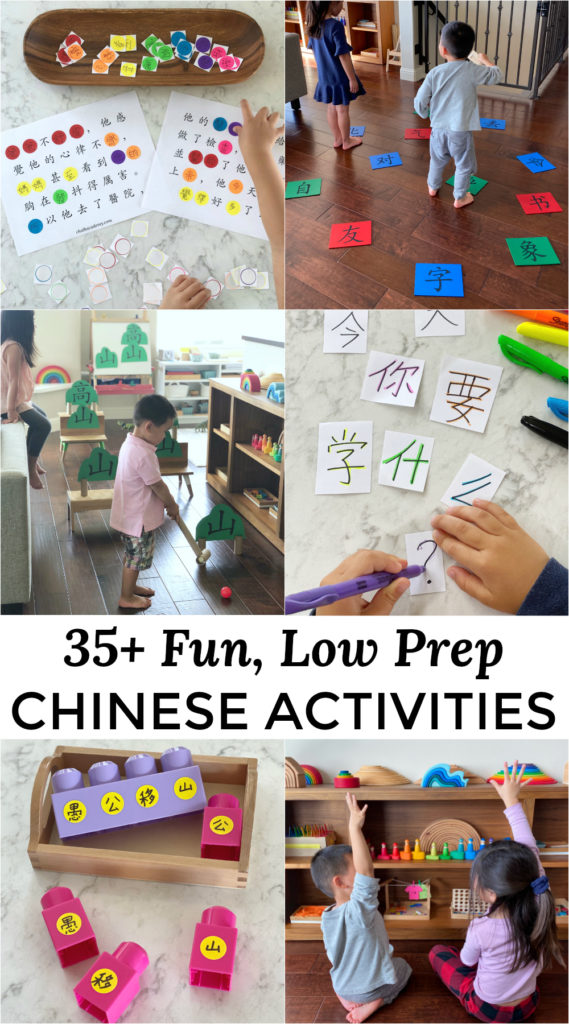
Use Interactive Games and Activities
Teaching Chinese can be engaging by incorporating interactive games like flashcards, memory matching, or charades. These activities make learning vocabulary and tones enjoyable while reinforcing retention. For example:
- Flashcard races: Students compete to match characters with their meanings or pinyin.
- Role-playing games: Simulate real-life scenarios like ordering food or shopping.
- Chinese bingo: Customize bingo cards with characters or phrases for a fun review session.
Incorporate Music and Songs
Music is a powerful tool for language learning. Use Chinese songs to teach pronunciation, tones, and vocabulary. Catchy tunes help students remember words effortlessly. Try these ideas:
See AlsoThe Many Meanings of the Word Yi Si- Children’s songs: Simple lyrics and repetitive melodies are perfect for beginners.
- Karaoke sessions: Students sing along to popular Chinese songs to practice fluency.
- Lyric analysis: Break down song lyrics to discuss grammar and cultural context.
Leverage Technology and Apps
Modern tools like language apps and online platforms make learning Chinese interactive. Gamified apps provide instant feedback and keep students motivated. Consider these options:
- Duolingo or HelloChinese: Offer bite-sized lessons with rewards.
- Virtual reality (VR): Immersive environments for practicing conversations.
- YouTube tutorials: Short, engaging videos on grammar or culture.
Introduce Cultural Elements
Connecting language to Chinese culture makes lessons more relatable and exciting. Incorporate traditions, festivals, and customs into teaching. Examples include:
- Calligraphy workshops: Students practice writing characters with brushes.
- Dumpling-making classes: Learn food-related vocabulary while cooking.
- Lunar New Year celebrations: Discuss customs and related vocabulary.
Encourage Storytelling and Creativity
Boost engagement by having students create stories or skits in Chinese. This method enhances vocabulary and sentence structure while fostering creativity. Try these approaches:
See AlsoHow to learn from your mistakes and errors when learning Chinese- Comic strip creation: Draw and label scenes with Chinese dialogue.
- Group storytelling: Each student adds a sentence to build a collective story.
- Puppet shows: Perform short dialogues using puppets for younger learners.
How can I improve my Chinese?

1. Practice Speaking Regularly
To improve your Chinese speaking skills, consistent practice is essential. Engage in daily conversations, even if it's just with yourself or a language partner. Here’s how:
- Find a language partner through apps like Tandem or HelloTalk to practice speaking.
- Repeat after native speakers by watching Chinese shows or listening to podcasts.
- Record yourself speaking and compare your pronunciation to native speakers.
2. Build Your Vocabulary Systematically
Expanding your Chinese vocabulary requires a structured approach. Focus on high-frequency words first and gradually add more complex terms.
See AlsoChina’s ‘Haitao’ Boom- Use flashcards (e.g., Anki or Pleco) to memorize new words daily.
- Learn words in context by reading articles, books, or subtitles.
- Group related words (e.g., food, travel) to make memorization easier.
3. Master Chinese Characters and Writing
Learning Chinese characters can be challenging but is crucial for fluency. Break it down into manageable steps.
- Start with radicals to understand character composition.
- Practice writing daily using grid paper or apps like Skritter.
- Focus on common characters first, as they appear frequently in texts.
4. Immerse Yourself in the Language
Immersion accelerates learning by exposing you to real-life language use.
- Watch Chinese media (movies, dramas, news) with subtitles.
- Listen to Chinese music or podcasts during downtime.
- Change your device language to Chinese for passive learning.
5. Take Formal Lessons or Use Structured Resources
While self-study is valuable, structured learning ensures a solid foundation.
- Enroll in a course (online or in-person) for guided instruction.
- Use textbooks like HSK standard materials for systematic learning.
- Join language communities for support and motivation.
Frequently Asked Questions (FAQ)
How can role-playing help improve my Chinese language skills?
Role-playing is an immersive method that allows you to practice real-life conversations in a controlled environment. By simulating scenarios like ordering food, shopping, or business meetings, you actively use vocabulary and grammar in context. This reinforces memory retention and builds confidence in speaking. Unlike passive learning, role-playing engages multiple senses, making it easier to recall words and phrases when needed.
What types of role-playing scenarios are best for learning Chinese?
The most effective scenarios are those you’ll encounter daily, such as introducing yourself, asking for directions, or negotiating prices. For intermediate learners, complex interactions like job interviews or debates can deepen fluency. Tailor scenarios to your goals—business Chinese learners might focus on professional settings, while travelers could prioritize tourism-related dialogues. Consistency and relevance are key.
Do I need a partner to practice role-playing in Chinese?
While a language partner or tutor enhances the experience, it’s not mandatory. You can practice solo by playing both roles in a dialogue or using apps with AI chatbots. Recording yourself and analyzing pronunciation or grammar gaps is another solo strategy. However, feedback from a native speaker helps refine accents and nuances, so combine both methods for optimal results.
How often should I incorporate role-playing into my Chinese study routine?
For noticeable progress, aim for 2–3 sessions per week, each lasting 20–30 minutes. Balance role-playing with other methods like flashcards or listening practice to avoid burnout. Regular exposure is crucial—even short, frequent sessions outperform sporadic marathons. Track improvements in fluency and adjust frequency based on your comfort and goals.
Leave a Reply
Related Posts