
Duolingo Meaning: Purpose, Features, and How It Helps Users


Duolingo has become a household name in the world of language learning, offering a user-friendly platform designed to make mastering new languages accessible and enjoyable. At its core, Duolingo aims to break down language barriers by providing free, gamified lessons that cater to learners of all levels. With features like bite-sized exercises, progress tracking, and a competitive leaderboard, the app keeps users motivated and engaged. Its adaptive learning system tailors lessons to individual needs, ensuring a personalized experience. Whether for travel, work, or personal growth, Duolingo empowers millions worldwide to achieve their language goals, making education both fun and impactful.
Duolingo Meaning: Purpose, Features, and How It Helps Users
What is Duolingo?
Duolingo is a language-learning platform designed to make education accessible, fun, and effective. It offers courses in over 40 languages, ranging from widely spoken languages like Spanish and French to less common ones like Hawaiian and Navajo. The platform uses gamification to engage users, turning lessons into interactive games that reward progress with points, streaks, and virtual currency. Its mission is to provide free language education to anyone with an internet connection, making it a popular choice for learners worldwide.
What is the Purpose of Duolingo?
The primary purpose of Duolingo is to democratize language learning. It aims to break down barriers to education by offering a free, user-friendly platform that anyone can use. Duolingo also focuses on making learning enjoyable through its game-like structure, which encourages consistent practice. Additionally, the platform seeks to promote multilingualism and cultural understanding, helping users connect with people from different backgrounds.
See AlsoDuolingo Family Plan Cost: The FactsKey Features of Duolingo
Duolingo offers a variety of features to enhance the learning experience:
- Interactive Lessons: Bite-sized lessons that cover vocabulary, grammar, and pronunciation.
- Gamification: Points, streaks, and leaderboards to motivate users.
- Duolingo Plus: A premium subscription offering ad-free learning and offline access.
- Duolingo Stories: Short, interactive stories to improve reading and listening skills.
- Duolingo Podcasts: Audio content for intermediate learners to practice listening comprehension.
How Does Duolingo Help Users?
Duolingo helps users by providing a flexible and accessible way to learn languages. Its adaptive learning system tailors lessons to the user’s skill level, ensuring they are neither too easy nor too difficult. The platform also encourages daily practice through reminders and streaks, fostering consistent learning habits. Additionally, Duolingo’s community features, such as forums and clubs, allow users to connect with other learners for support and motivation.
Duolingo’s Impact on Language Learning
Duolingo has revolutionized language learning by making it more accessible and engaging. Its free model has allowed millions of people to learn new languages without financial barriers. Studies have shown that Duolingo can be as effective as traditional language courses, especially for beginner and intermediate learners. The platform’s gamified approach has also been praised for increasing user retention and motivation.
See AlsoObligatory and optional tone change rules in Mandarin| Feature | Description |
|---|---|
| Interactive Lessons | Short, engaging lessons covering vocabulary, grammar, and pronunciation. |
| Gamification | Points, streaks, and leaderboards to keep users motivated. |
| Duolingo Plus | Premium subscription offering ad-free learning and offline access. |
| Duolingo Stories | Interactive stories to improve reading and listening skills. |
| Duolingo Podcasts | Audio content for intermediate learners to practice listening comprehension. |
What is Duolingo's overall purpose?

What is Duolingo's Mission?
Duolingo's overall purpose is to make language education accessible, free, and effective for everyone. The platform aims to break down barriers to learning by providing a user-friendly and gamified experience that motivates users to practice consistently. Its mission is to empower individuals to learn new languages without the high costs traditionally associated with language courses.
- Accessibility: Duolingo is available on multiple devices, including smartphones, tablets, and computers, making it easy for users to learn anytime, anywhere.
- Free Education: The platform offers a free version with comprehensive lessons, ensuring that financial constraints do not hinder learning.
- Engagement: By incorporating game-like elements such as streaks, rewards, and levels, Duolingo keeps users motivated and engaged.
How Does Duolingo Promote Language Learning?
Duolingo promotes language learning through its interactive lessons and adaptive learning technology. The platform uses a combination of reading, writing, listening, and speaking exercises to ensure a well-rounded learning experience. It also adapts to the user's progress, providing personalized feedback and challenges.
See AlsoDuolingo How To Review A Unit: Simple Steps- Interactive Exercises: Users engage with a variety of exercises, including translations, multiple-choice questions, and speaking tasks.
- Adaptive Learning: The app adjusts the difficulty of lessons based on the user's performance, ensuring optimal learning.
- Immediate Feedback: Users receive instant feedback on their answers, helping them correct mistakes and improve quickly.
What Makes Duolingo Unique?
Duolingo stands out due to its gamification approach and commitment to free education. Unlike traditional language learning methods, Duolingo turns learning into a fun and rewarding experience. Its unique features, such as the Duolingo Owl mascot and the competitive leaderboards, create a sense of community and motivation among users.
- Gamification: The app uses game mechanics like points, levels, and rewards to make learning enjoyable.
- Community Features: Users can compete with friends or join clubs to stay motivated.
- Cultural Integration: Lessons often include cultural references, helping users understand the context of the language.
Who Can Benefit from Duolingo?
Duolingo is designed for a wide range of users, from beginners to advanced learners. It caters to individuals who want to learn a new language for personal, academic, or professional reasons. The platform is also beneficial for schools and educators looking to supplement traditional language instruction.
- Beginners: Duolingo provides a gentle introduction to new languages with basic vocabulary and grammar.
- Advanced Learners: The platform offers advanced lessons and stories to help users refine their skills.
- Educators: Teachers can use Duolingo for Schools to track student progress and assign lessons.
How Does Duolingo Support Long-Term Learning?
Duolingo supports long-term learning through its consistent practice model and progress tracking. The app encourages daily practice with reminders and streaks, helping users build a habit of learning. Additionally, it provides detailed progress reports and certificates to celebrate milestones.
See AlsoDuolingo Rut: Simple Steps to Overcome It- Daily Practice: The app sends reminders and rewards users for maintaining streaks.
- Progress Tracking: Users can monitor their progress through detailed statistics and achievements.
- Milestones: Completing levels or earning certificates provides a sense of accomplishment and motivation.
What are the features of Duolingo?
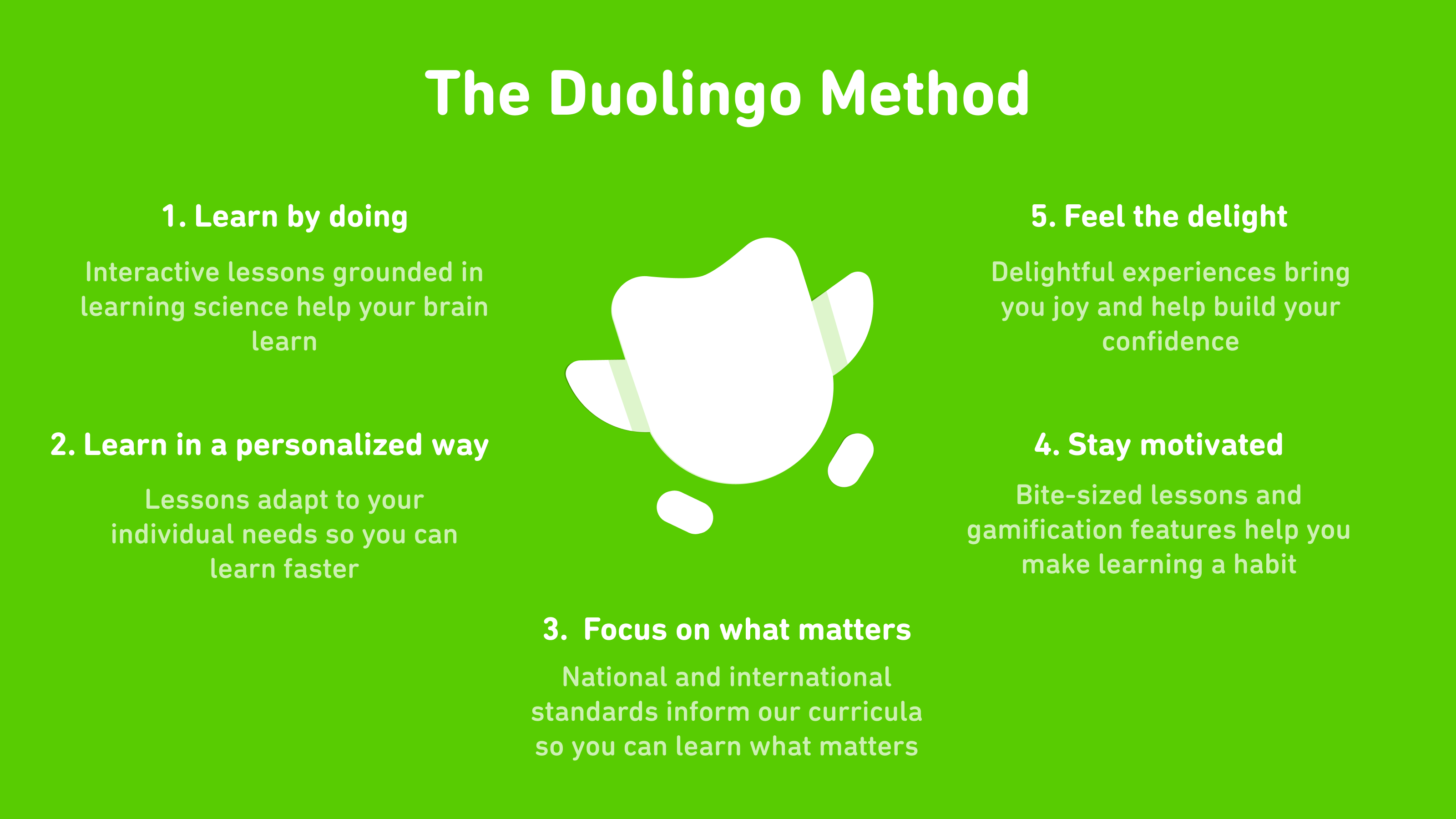
Interactive Language Lessons
Duolingo offers interactive language lessons that are designed to be engaging and effective. The platform uses a variety of exercises to help users learn and retain new vocabulary and grammar rules. These exercises include:
- Multiple-choice questions to test comprehension.
- Listening exercises to improve auditory skills.
- Speaking exercises to practice pronunciation.
Gamified Learning Experience
Duolingo incorporates gamification to make learning a new language fun and motivating. Users earn points, unlock levels, and receive virtual rewards as they progress. Key features include:
See AlsoJumpspeak vs Duolingo: Best Language App Face-Off (2025)- Streaks to encourage daily practice.
- Leaderboards to compete with friends or other users.
- Lingots, the in-app currency, to purchase bonuses and customization options.
Personalized Learning Path
Duolingo adapts to the user's learning style and pace with a personalized learning path. The platform uses algorithms to tailor lessons based on performance and progress. Features include:
- Adaptive quizzes that adjust difficulty based on user performance.
- Review sessions to reinforce previously learned material.
- Customizable goals to set daily or weekly learning targets.
Offline Access
Duolingo provides offline access to lessons, allowing users to continue learning without an internet connection. This feature is particularly useful for those who travel or have limited connectivity. Key aspects include:
- Downloadable lessons for offline use.
- Progress syncing when the device reconnects to the internet.
- Uninterrupted learning in areas with poor connectivity.
Duolingo fosters a sense of community with its social features, enabling users to connect and compete with others. These features enhance motivation and provide a supportive learning environment. Highlights include:
- Duolingo Clubs to join groups and share progress.
- Friend challenges to compete in learning goals.
- Discussion forums to ask questions and interact with other learners.
What is the purpose of the Duolingo app?

What is the primary goal of Duolingo?
The primary goal of the Duolingo app is to make language learning accessible, fun, and effective for everyone. It aims to break down barriers to education by offering free or affordable language courses in a gamified format. The app focuses on:
- Accessibility: Providing free language learning tools to users worldwide.
- Engagement: Using gamification to keep users motivated and consistent.
- Effectiveness: Incorporating scientifically proven methods to enhance retention and comprehension.
How does Duolingo make learning fun?
Duolingo makes learning fun by integrating game-like elements into its platform. These features are designed to keep users engaged and motivated. Key aspects include:
- Streaks: Encouraging daily practice by tracking consecutive days of learning.
- Leaderboards: Allowing users to compete with friends or other learners globally.
- Rewards: Offering virtual currency (lingots or gems) to unlock bonus content or features.
What languages can you learn on Duolingo?
Duolingo offers a wide range of languages, catering to diverse learning needs. Some of the most popular options include:
- Spanish: One of the most widely studied languages on the platform.
- French: Ideal for learners interested in European languages.
- Japanese: A challenging yet rewarding option for those interested in Asian languages.
How does Duolingo ensure effective learning?
Duolingo ensures effective learning by using scientifically backed methods and adaptive technology. The app focuses on:
- Spaced Repetition: Reinforcing concepts at optimal intervals to improve retention.
- Personalized Learning: Adapting lessons based on the user's progress and performance.
- Interactive Exercises: Combining listening, speaking, reading, and writing tasks for comprehensive practice.
Is Duolingo suitable for all age groups?
Duolingo is designed to be user-friendly and suitable for learners of all ages. Its features cater to:
- Children: With colorful visuals and simple exercises to make learning enjoyable.
- Teenagers: Offering competitive elements like leaderboards to keep them engaged.
- Adults: Providing structured lessons for professional or personal language goals.
What is the purpose of the Duolingo test?
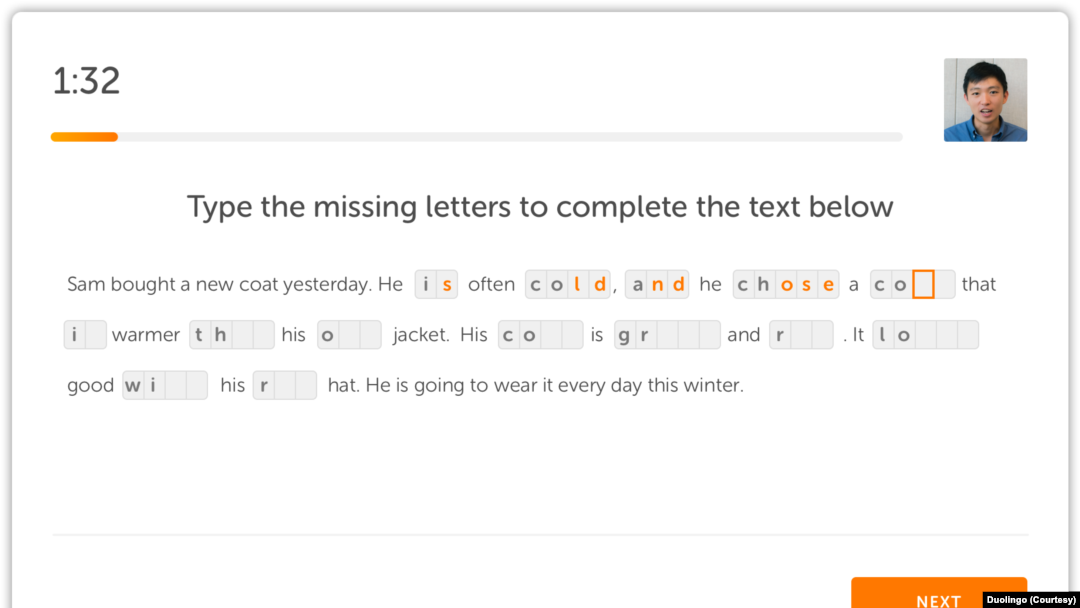
The purpose of the Duolingo test is to assess an individual's proficiency in a specific language. It is designed to evaluate skills such as reading, writing, listening, and speaking, providing a comprehensive measure of one's ability to understand and use the language effectively. The test is widely recognized for its accessibility, affordability, and convenience, making it a popular choice for students, professionals, and institutions worldwide.
What Skills Does the Duolingo Test Evaluate?
The Duolingo test evaluates four key language skills:
- Reading: Measures the ability to comprehend written texts and answer related questions.
- Writing: Assesses the capacity to construct coherent and grammatically correct sentences.
- Listening: Tests the understanding of spoken language through audio clips and questions.
- Speaking: Evaluates pronunciation, fluency, and the ability to express ideas verbally.
Who Can Benefit from Taking the Duolingo Test?
The Duolingo test is beneficial for a wide range of individuals:
- Students: Applying to universities or programs that require proof of language proficiency.
- Professionals: Seeking to demonstrate language skills for job applications or career advancement.
- Language Learners: Tracking their progress and identifying areas for improvement.
How Does the Duolingo Test Compare to Other Language Tests?
The Duolingo test stands out due to its unique features:
- Accessibility: Can be taken online from anywhere, eliminating the need for test centers.
- Affordability: Costs significantly less than traditional language proficiency tests.
- Adaptive Format: Adjusts question difficulty based on the test-taker's performance.
What Are the Advantages of the Duolingo Test?
The Duolingo test offers several advantages:
- Convenience: Flexible scheduling and quick results, often available within 48 hours.
- Recognition: Accepted by thousands of institutions and organizations globally.
- User-Friendly: Designed to be intuitive and easy to navigate for test-takers.
How Can You Prepare for the Duolingo Test?
Preparing for the Duolingo test involves:
- Practice Tests: Familiarize yourself with the format and types of questions.
- Language Apps: Use tools like Duolingo to improve vocabulary and grammar.
- Study Materials: Review guides and resources tailored to the test's structure.
Frequently Asked Questions (FAQ)
What is the purpose of Duolingo?
Duolingo is designed to make language learning accessible, fun, and effective for everyone. Its primary purpose is to provide a free and user-friendly platform where individuals can learn new languages at their own pace. By incorporating gamification elements, such as streaks, rewards, and levels, Duolingo keeps users motivated and engaged. The platform aims to break down barriers to language education, making it possible for people worldwide to learn languages regardless of their financial situation or location.
What are the key features of Duolingo?
Duolingo offers a variety of features to enhance the learning experience. These include interactive lessons that cover vocabulary, grammar, and pronunciation, as well as speaking exercises to improve conversational skills. The app also provides personalized learning paths tailored to each user's progress and goals. Additionally, Duolingo includes a leaderboard to foster friendly competition, daily challenges to maintain consistency, and a Duolingo Plus subscription for an ad-free experience with offline access.
How does Duolingo help users learn languages effectively?
Duolingo uses a combination of scientific research and adaptive learning techniques to help users retain information effectively. The platform employs spaced repetition, which ensures that users review words and concepts at optimal intervals to improve long-term retention. Additionally, Duolingo's lessons are designed to be short and engaging, making it easier for users to incorporate language learning into their daily routines. The app also provides immediate feedback on exercises, allowing users to correct mistakes and learn from them in real-time.
Is Duolingo suitable for all levels of language learners?
Yes, Duolingo is designed to accommodate beginners, intermediate learners, and even those looking to refresh their language skills. The platform offers courses for over 40 languages, ranging from widely spoken ones like Spanish and French to less commonly taught languages like Hawaiian and Navajo. Each course is structured to start with the basics and gradually progress to more advanced topics. For advanced learners, Duolingo also provides stories and podcasts to further enhance comprehension and fluency.
Leave a Reply
Related Posts