
Does Duolingo Have ASL (American Sign Language)?


Duolingo, a popular language-learning platform, has revolutionized how people acquire new languages through its interactive and gamified approach. However, when it comes to American Sign Language (ASL), a visual-gestural language used by the Deaf community, many wonder if Duolingo offers this option. ASL is not just a translation of spoken English but a distinct language with its own grammar and syntax, making it a unique learning challenge. This article explores whether Duolingo includes ASL in its curriculum, the importance of ASL education, and alternative resources for those interested in learning this vital form of communication.
Does Duolingo Have ASL (American Sign Language)?
Duolingo, a popular language-learning platform, is widely known for offering courses in numerous spoken and written languages. However, when it comes to American Sign Language (ASL), the platform does not currently provide a dedicated course. ASL is a unique language that relies on visual gestures and facial expressions, making it fundamentally different from spoken languages. While Duolingo has expanded its offerings over the years, ASL has not yet been included in its curriculum. Below, we explore this topic in greater detail.
Why Doesn’t Duolingo Offer ASL?
Duolingo’s platform is primarily designed for spoken and written languages, which rely on audio and text-based learning. ASL, being a visual and gestural language, requires a different teaching approach, including video demonstrations and interactive visual content. Developing an ASL course would demand significant resources and a unique framework, which Duolingo has not yet implemented.
See AlsoUsing search engines to study ChineseAre There Alternatives to Learn ASL Online?
While Duolingo does not offer ASL, there are several alternative platforms and resources available for learning ASL online. Websites like Sign Language 101, ASL University, and Lifeprint provide comprehensive lessons, videos, and interactive tools tailored specifically for ASL learners. These platforms focus on the visual and practical aspects of the language, making them more suitable for ASL education.
What Makes ASL Different from Other Languages?
ASL is a complete and complex language with its own grammar, syntax, and cultural nuances. Unlike spoken languages, ASL relies on handshapes, facial expressions, and body movements to convey meaning. This visual nature makes it challenging to teach through traditional language-learning methods, which often emphasize text and audio over visual communication.
Could Duolingo Add ASL in the Future?
While there is no official announcement from Duolingo regarding an ASL course, the platform has shown interest in expanding its language offerings. Given the growing demand for inclusive and accessible education, it is possible that Duolingo may consider adding ASL in the future. However, this would require significant technological and pedagogical adjustments to accommodate the unique needs of ASL learners.
See AlsoWhy Does China Have Only One Time Zone?How Can Duolingo Improve Accessibility for ASL Learners?
To make ASL learning feasible, Duolingo would need to incorporate video-based lessons, interactive signing exercises, and cultural context into its platform. Additionally, partnerships with ASL experts and organizations could help ensure the course’s accuracy and effectiveness. These changes would align with Duolingo’s mission to make language learning accessible to everyone.
| Aspect | Details |
|---|---|
| Current Status | Duolingo does not offer ASL courses. |
| Challenges | ASL requires visual and interactive teaching methods. |
| Alternatives | Platforms like ASL University and Lifeprint provide ASL lessons. |
| Future Possibility | Duolingo may consider adding ASL with proper resources. |
| Improvements Needed | Video lessons and expert partnerships are essential. |
Where to learn American Sign Language?

Online Platforms for Learning American Sign Language
There are numerous online platforms where you can learn American Sign Language (ASL) at your own pace. These platforms offer a variety of resources, including video lessons, interactive quizzes, and community forums.
See Also5 Important Colours in China- ASL University: Offers free lessons and a comprehensive curriculum for beginners to advanced learners.
- Sign Language 101: Provides structured courses with video tutorials and practice exercises.
- Start ASL: Features both free and paid courses, along with a dictionary and cultural notes.
Local Community Colleges and Universities
Many community colleges and universities offer ASL courses as part of their language programs. These institutions often provide a more structured learning environment with experienced instructors.
- Enroll in a class: Check the course catalog of local colleges for ASL classes.
- Degree programs: Some universities offer ASL as part of a degree program in linguistics or deaf studies.
- Continuing education: Look for continuing education programs that might offer ASL courses for non-degree seekers.
Deaf Community Centers and Organizations
Deaf community centers and organizations often provide ASL classes and workshops. These centers are great for immersive learning and connecting with the deaf community.
- Local deaf centers: Many cities have centers that offer ASL classes and cultural events.
- Non-profit organizations: Organizations like the National Association of the Deaf often have resources and classes.
- Workshops and events: Attend workshops, social events, and meetups to practice ASL in real-life situations.
Mobile Apps for Learning ASL
There are several mobile apps designed to help you learn ASL on the go. These apps often include video demonstrations, quizzes, and progress tracking.
- The ASL App: Offers a wide range of signs and phrases with video demonstrations.
- SignSchool: Provides interactive lessons and a dictionary with thousands of signs.
- Marlee Signs: Features lessons from Marlee Matlin, an Academy Award-winning deaf actress.
Private Tutors and Language Schools
For personalized instruction, consider hiring a private tutor or enrolling in a language school that specializes in ASL. This option allows for tailored lessons and immediate feedback.
- Private tutors: Look for certified ASL tutors who can provide one-on-one instruction.
- Language schools: Some language schools offer specialized ASL courses with experienced instructors.
- Online tutoring: Platforms like iTalki and Preply connect you with ASL tutors for virtual lessons.
What language app has ASL?
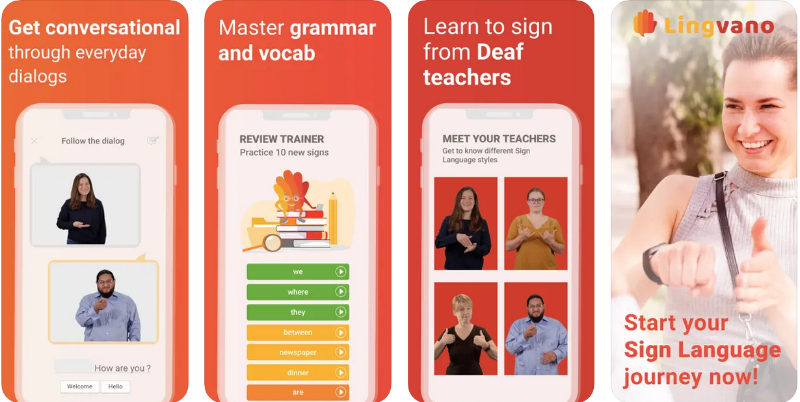
What is ASL and Why is it Important in Language Apps?
ASL, or American Sign Language, is a complete, natural language used by the Deaf and hard-of-hearing community in the United States and parts of Canada. It is a visual language with its own grammar and syntax, distinct from spoken English. Including ASL in language apps is crucial for promoting inclusivity and accessibility, allowing users to learn and communicate effectively with the Deaf community.
- Promotes inclusivity by bridging communication gaps.
- Helps users understand the cultural and linguistic aspects of the Deaf community.
- Encourages diverse learning opportunities for all users.
Which Language Apps Offer ASL Learning Features?
Several language apps now include ASL learning features to cater to a wider audience. Apps like SignSchool, ASL Bloom, and The ASL App are specifically designed to teach ASL. Additionally, platforms like Duolingo have started incorporating ASL courses to expand their language offerings.
- SignSchool: Offers interactive lessons and quizzes.
- ASL Bloom: Focuses on conversational ASL skills.
- The ASL App: Provides video-based learning with native signers.
How Do ASL Language Apps Work?
ASL language apps typically use video tutorials, interactive quizzes, and gamified learning to teach users. These apps often include features like fingerspelling practice, vocabulary building, and real-life conversation simulations. The use of visual and interactive elements makes learning ASL engaging and effective.
- Video tutorials for visual learning.
- Interactive quizzes to test knowledge.
- Gamified elements to keep users motivated.
What Are the Benefits of Learning ASL Through Apps?
Learning ASL through apps offers numerous benefits, including flexibility, accessibility, and self-paced learning. Users can practice anytime, anywhere, and the interactive nature of apps helps reinforce learning. Additionally, these apps often provide cultural insights, enhancing the overall learning experience.
- Flexibility to learn at your own pace.
- Accessibility for users worldwide.
- Cultural insights to deepen understanding.
Are There Free ASL Language Apps Available?
Yes, there are several free ASL language apps available for users who want to learn without financial commitment. Apps like ASL Coach and Hands On ASL offer free lessons and resources. Some premium apps also provide free trial periods or limited free content to help users get started.
- ASL Coach: Free basic lessons and vocabulary.
- Hands On ASL: Offers free beginner-level content.
- Free trials in premium apps for initial learning.
Is there a 100% free ASL learning app?
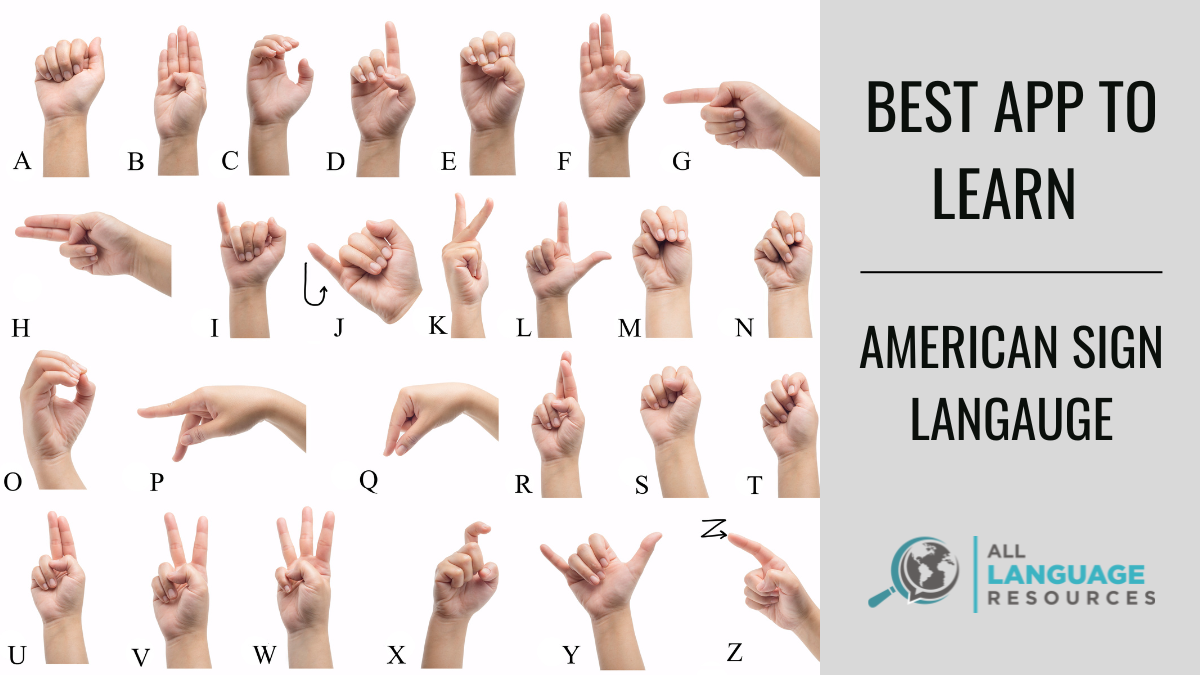
What Are Some 100% Free ASL Learning Apps?
There are several apps that offer 100% free American Sign Language (ASL) learning resources. These apps are designed to help users learn ASL without any cost. Some popular options include:
- ASL American Sign Language: This app provides free lessons, quizzes, and a dictionary for learning ASL.
- SignSchool: Offers interactive lessons, games, and a dictionary, all available for free.
- ASL Dictionary: A free app that focuses on teaching ASL vocabulary through videos and examples.
How Do Free ASL Apps Compare to Paid Ones?
Free ASL apps often provide basic resources, but they may lack advanced features found in paid apps. Here’s a comparison:
- Content Depth: Free apps usually cover basic signs and phrases, while paid apps may offer advanced lessons and personalized feedback.
- Advertisements: Free apps often include ads, which can be distracting, whereas paid apps are typically ad-free.
- Updates and Support: Paid apps may receive more frequent updates and better customer support compared to free versions.
What Features Should You Look for in a Free ASL App?
When choosing a free ASL app, consider the following features to ensure a good learning experience:
- Video Demonstrations: Look for apps that include clear video examples of signs.
- Interactive Quizzes: Apps with quizzes can help reinforce learning and test your progress.
- Offline Access: Some apps allow you to download content for offline use, which is useful for learning on the go.
Are Free ASL Apps Suitable for Beginners?
Free ASL apps are generally well-suited for beginners. They provide foundational knowledge and are a great starting point for learning the basics of ASL. Key points include:
- Basic Vocabulary: Most free apps focus on teaching essential signs and phrases.
- User-Friendly Interface: Free apps are often designed to be easy to navigate, making them ideal for beginners.
- No Financial Commitment: Beginners can explore ASL without any financial risk.
Can You Become Fluent in ASL Using Only Free Apps?
While free ASL apps are a great resource, achieving fluency typically requires additional practice and resources. Here’s why:
- Limited Advanced Content: Free apps may not cover advanced grammar or conversational skills.
- Lack of Interaction: Fluency often requires real-time practice with others, which free apps may not provide.
- Supplemental Learning: Combining free apps with other resources, such as in-person classes or online communities, can enhance fluency.
What is the best way to learn American Sign Language?
.webp)
Start with Basic ASL Vocabulary
Learning American Sign Language (ASL) begins with mastering the basics. Start by focusing on essential vocabulary and common phrases used in everyday conversations. This foundational knowledge will help you build confidence and prepare you for more advanced learning.
- Learn the ASL alphabet to spell words and names.
- Practice common greetings like hello, goodbye, and thank you.
- Memorize signs for numbers, colors, and family members.
Take Structured ASL Classes
Enrolling in structured ASL classes is one of the most effective ways to learn. These classes are often taught by certified instructors who can provide personalized feedback and ensure proper technique.
- Look for classes at local community colleges or Deaf community centers.
- Consider online platforms like ASL Connect or Sign Language 101.
- Participate in group activities to practice with peers.
Immerse Yourself in the Deaf Community
Immersing yourself in the Deaf community is crucial for mastering ASL. Engaging with native signers helps you understand cultural nuances and improves your fluency.
- Attend Deaf events or social gatherings.
- Volunteer at organizations that support the Deaf community.
- Practice signing with Deaf individuals to gain real-world experience.
Use ASL Learning Apps and Resources
Technology offers a variety of tools to supplement your learning. ASL learning apps and online resources provide interactive ways to practice and expand your skills.
- Download apps like SignSchool or The ASL App.
- Watch ASL tutorials on YouTube or other platforms.
- Use flashcards to reinforce vocabulary retention.
Practice Consistently and Be Patient
Consistency is key when learning ASL. Dedicate time daily to practice and be patient with your progress. Learning a new language takes time and effort.
- Set aside at least 15-30 minutes daily for practice.
- Record yourself signing to identify areas for improvement.
- Celebrate small milestones to stay motivated.
Frequently Asked Questions From our Community
Does Duolingo offer American Sign Language (ASL) courses?
As of now, Duolingo does not offer courses in American Sign Language (ASL). While the platform provides a wide range of languages, including less commonly taught ones, ASL has not yet been added to its curriculum. This is likely due to the unique challenges of teaching a visual and gestural language through an app primarily designed for spoken and written languages.
Are there any plans for Duolingo to include ASL in the future?
There has been no official announcement from Duolingo regarding the inclusion of ASL in its course offerings. However, the company is known for expanding its language options based on user demand and feasibility. If there is significant interest from the community, it is possible that ASL could be considered for future development.
What are some alternatives to Duolingo for learning ASL?
If you're looking to learn ASL, there are several alternatives to Duolingo that specialize in sign language education. Platforms like Sign Language 101, ASL University, and Lingvano offer structured courses and resources tailored to ASL learners. Additionally, local community centers, colleges, and online forums can provide valuable opportunities for practice and immersion.
Why is ASL not available on Duolingo yet?
The absence of ASL on Duolingo can be attributed to the platform's current focus on spoken and written languages. Teaching a visual language like ASL requires a different approach, including video-based lessons and interactive signing exercises, which may not align with Duolingo's existing format. Additionally, creating high-quality ASL content demands specialized expertise and resources, which could be a barrier to its inclusion.
Leave a Reply
Related Posts