
Does Duolingo Have Sign Language? Exploring ASL Learning Options


In recent years, the demand for accessible and inclusive language learning tools has grown significantly. As more people seek to learn American Sign Language (ASL), questions arise about whether popular platforms like Duolingo offer ASL courses. Known for its gamified approach to language learning, Duolingo has expanded its offerings to include numerous spoken languages, but what about sign languages? This article explores whether Duolingo currently supports ASL learning, examines the platform's potential for incorporating sign language, and highlights alternative resources for those eager to learn ASL. Whether you're a beginner or looking to expand your skills, understanding the available options is key to starting your ASL journey.
Does Duolingo Have Sign Language? Exploring ASL Learning Options
Duolingo, a popular language-learning platform, has gained recognition for its interactive and gamified approach to teaching various languages. However, when it comes to American Sign Language (ASL), Duolingo does not currently offer a dedicated course. This has led many learners to explore alternative options for mastering ASL. Below, we delve into the topic further, examining why ASL isn't on Duolingo and what other resources are available for those interested in learning this vital form of communication.
Why Doesn’t Duolingo Offer ASL?
Duolingo primarily focuses on spoken and written languages, which rely heavily on text and audio-based learning. ASL, however, is a visual and gestural language, requiring video demonstrations and interactive practice to effectively teach handshapes, facial expressions, and body movements. The platform’s current structure isn’t optimized for teaching such a visually complex language, making it challenging to integrate ASL into its existing format.
See AlsoDuolingo Blind Box: What It Is and How It Works in 2025What Are the Best Alternatives to Learn ASL?
For those eager to learn ASL, several dedicated platforms and resources are available. Apps like SignSchool, ASL Bloom, and Lingvano are specifically designed for ASL learners, offering video lessons, quizzes, and interactive exercises. Additionally, websites like Lifeprint and Handspeak provide free resources, including dictionaries and tutorials. These tools are tailored to the unique needs of ASL learners, making them more effective than general language apps.
How Effective Are Online ASL Courses Compared to In-Person Classes?
While online ASL courses offer convenience and flexibility, in-person classes provide hands-on practice and immediate feedback from instructors. Online platforms are excellent for building foundational knowledge, but real-world interaction is crucial for mastering ASL’s nuances, such as facial expressions and body language. Combining both methods can create a well-rounded learning experience.
What Features Should You Look for in an ASL Learning App?
When choosing an ASL learning app, prioritize features like video demonstrations, interactive quizzes, and progress tracking. Apps that include cultural context and deaf community insights are also valuable, as they provide a deeper understanding of ASL beyond just vocabulary. Look for platforms that emphasize real-life scenarios to ensure practical application of the language.
See AlsoLearn Chinese as a Retiree - Is It Even Possible?How Can You Practice ASL Outside of Apps?
Practicing ASL outside of apps is essential for fluency. Consider joining local deaf community events, attending ASL meetups, or finding a language partner who is fluent in ASL. Watching ASL videos on platforms like YouTube or engaging with deaf creators on social media can also enhance your skills. Immersing yourself in the language and culture is key to becoming proficient.
| Resource | Type | Key Features |
|---|---|---|
| SignSchool | App | Video lessons, quizzes, progress tracking |
| ASL Bloom | App | Interactive exercises, cultural insights |
| Lingvano | App | Real-life scenarios, video demonstrations |
| Lifeprint | Website | Free tutorials, ASL dictionary |
| Handspeak | Website | Comprehensive resources, community forums |
Is there something like Duolingo for ASL?

What is ASL and Why is Learning It Important?
American Sign Language (ASL) is a complete, natural language used by the Deaf and hard-of-hearing community in the United States and parts of Canada. Learning ASL is crucial for fostering inclusivity and improving communication with Deaf individuals. Here are some reasons why learning ASL is important:
See AlsoDuolingo Guide To Grammar: Tips, Rules & Practice Methods- Inclusivity: It promotes equal access to communication for Deaf individuals.
- Career Opportunities: Proficiency in ASL can open doors to careers in education, interpreting, and social work.
- Cultural Awareness: It helps in understanding and appreciating Deaf culture.
Is There a Duolingo-Style App for Learning ASL?
While there isn’t an exact equivalent to Duolingo for ASL, several apps and platforms offer similar interactive and gamified learning experiences. These tools are designed to make learning ASL engaging and accessible. Some popular options include:
- SignSchool: Offers interactive lessons and a dictionary for ASL learners.
- ASL Bloom: Focuses on conversational ASL with interactive exercises.
- Lingvano: Provides structured lessons and real-life scenarios for practice.
How Do ASL Learning Apps Compare to Duolingo?
ASL learning apps share some similarities with Duolingo, such as gamification and structured lessons, but they also have unique features tailored to visual language learning. Here’s how they compare:
- Visual Learning: ASL apps emphasize video demonstrations, which are essential for mastering signs.
- Interactive Practice: Many apps include quizzes and interactive exercises to reinforce learning.
- Cultural Context: ASL apps often incorporate Deaf culture and history into their lessons.
What Features Should You Look for in an ASL Learning App?
When choosing an ASL learning app, it’s important to consider features that enhance your learning experience. Here are some key features to look for:
See AlsoWhat Reward In Duocon Duolingo 2025: New Rewards and Prizes Revealed- Video Demonstrations: High-quality videos of native signers are essential for accurate learning.
- Progress Tracking: Tools to monitor your progress and set learning goals.
- Community Interaction: Opportunities to practice with other learners or native signers.
Are There Free Resources for Learning ASL Online?
Yes, there are several free resources available for learning ASL online. These platforms provide a variety of tools, from video lessons to dictionaries, to help you get started. Some notable free resources include:
- ASL University: Offers free lessons and a comprehensive ASL dictionary.
- Handspeak: Provides video tutorials and a sign language dictionary.
- YouTube Channels: Many Deaf educators and organizations share free ASL lessons on YouTube.
What app helps you learn ASL?
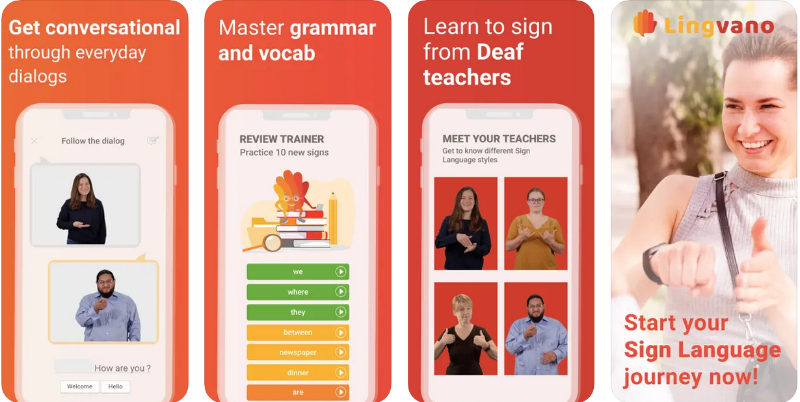
Top Apps for Learning American Sign Language (ASL)
There are several apps designed to help you learn American Sign Language (ASL) effectively. These apps offer a variety of features, including video tutorials, quizzes, and interactive lessons. Below is a list of the most popular apps:
- SignSchool: This app provides a comprehensive learning experience with video lessons, quizzes, and a dictionary of signs. It’s suitable for beginners and advanced learners alike.
- ASL Coach: Developed by the National Technical Institute for the Deaf, this app focuses on teaching basic ASL vocabulary and phrases through interactive exercises.
- Marlee Signs: Created by Academy Award-winning actress Marlee Matlin, this app offers lessons on everyday ASL phrases and vocabulary, making it ideal for casual learners.
Features to Look for in an ASL Learning App
When choosing an app to learn ASL, it’s important to consider the features that will best suit your learning style. Here are some key features to look for:
- Video Demonstrations: High-quality videos of native signers are essential for understanding proper hand movements and facial expressions.
- Interactive Quizzes: Quizzes help reinforce learning by testing your knowledge of signs and phrases.
- Progress Tracking: Apps that track your progress can help you stay motivated and identify areas for improvement.
Benefits of Using Apps to Learn ASL
Learning ASL through apps offers several advantages over traditional methods. Here are some of the key benefits:
- Convenience: Apps allow you to learn at your own pace and on your own schedule, making it easier to fit learning into your daily routine.
- Accessibility: Many apps are designed to be user-friendly and accessible to people with varying levels of tech experience.
- Cost-Effective: Most ASL learning apps are more affordable than in-person classes or private tutoring.
How to Practice ASL Effectively Using Apps
To make the most of your ASL learning experience, it’s important to practice regularly and effectively. Here are some tips:
- Set a Schedule: Dedicate specific times each day or week to practice using the app.
- Use the Dictionary Feature: Many apps include a dictionary of signs that you can refer to when you encounter unfamiliar signs.
- Engage with the Community: Some apps offer forums or social features where you can interact with other learners and native signers.
Challenges of Learning ASL Through Apps
While apps are a great tool for learning ASL, there are some challenges to be aware of. Here are a few:
- Lack of Personalized Feedback: Apps may not provide the same level of feedback as a live instructor, which can make it harder to correct mistakes.
- Limited Interaction: Learning a language often requires interaction with others, which can be limited in an app-based environment.
- Technical Issues: Some apps may have bugs or require frequent updates, which can disrupt your learning process.
What does Duolingo not teach?

1. Cultural Nuances and Context
Duolingo focuses primarily on vocabulary and grammar but often misses teaching the cultural nuances and context behind the language. For example:
- It doesn't explain how certain phrases or words are used in specific cultural settings.
- It rarely covers regional dialects or slang, which are crucial for understanding native speakers.
- It doesn't provide insights into cultural etiquette or traditions tied to the language.
2. Advanced Grammar and Syntax
While Duolingo is great for beginners, it lacks depth in teaching advanced grammar and syntax. For instance:
- It doesn't delve into complex sentence structures or advanced verb conjugations.
- It often skips over exceptions to grammar rules, which are common in many languages.
- It doesn't provide enough practice for mastering nuanced grammatical concepts.
3. Real-Life Conversation Skills
Duolingo's approach to teaching conversation skills is limited. It doesn't fully prepare users for real-life interactions. For example:
- It lacks spontaneous conversation practice with native speakers.
- It doesn't teach how to handle interruptions or misunderstandings in conversations.
- It often uses scripted dialogues, which don't reflect the unpredictability of real-world communication.
4. Professional or Specialized Vocabulary
Duolingo doesn't cover specialized vocabulary needed for professional or academic contexts. For instance:
- It doesn't teach industry-specific terms for fields like medicine, law, or engineering.
- It lacks vocabulary for formal writing, such as essays or reports.
- It doesn't provide terminology for technical or scientific discussions.
5. Listening and Pronunciation Practice
While Duolingo includes listening exercises, it doesn't offer enough pronunciation practice or exposure to diverse accents. For example:
- It doesn't provide detailed feedback on pronunciation errors.
- It often uses robotic or overly clear voices, which don't mimic natural speech patterns.
- It doesn't expose learners to a wide range of accents, which are essential for understanding different speakers.
Frequently Asked Questions From our Community
Does Duolingo offer American Sign Language (ASL) courses?
Duolingo does not currently offer courses in American Sign Language (ASL). While the platform is known for its extensive language-learning options, including popular languages like Spanish, French, and Japanese, ASL is not yet part of its curriculum. This is likely due to the unique challenges of teaching a visual and gestural language through a primarily text and audio-based platform. However, Duolingo has expressed interest in expanding its offerings, so ASL courses may become available in the future.
What are the best alternatives to Duolingo for learning ASL?
If you're looking to learn ASL, there are several excellent alternatives to Duolingo. Platforms like Sign Language 101, Lingvano, and ASL University offer structured lessons and interactive tools tailored specifically for ASL learners. Additionally, apps like SignSchool and The ASL App provide video-based lessons, making it easier to understand the visual and gestural aspects of the language. Many of these resources are designed by native ASL speakers, ensuring accurate and culturally relevant content.
Why is ASL not included in Duolingo's language options?
The absence of ASL on Duolingo can be attributed to the platform's current design, which relies heavily on text and audio for teaching languages. ASL, being a visual and gestural language, requires a different approach that incorporates video demonstrations and interactive visual learning tools. Adapting Duolingo's existing framework to accommodate these needs would require significant changes to its infrastructure. While the company has shown interest in expanding its offerings, the technical and logistical challenges of teaching ASL effectively remain a barrier.
Can I still learn ASL effectively without Duolingo?
Absolutely! Learning ASL effectively is entirely possible without Duolingo. Many dedicated resources, such as online courses, mobile apps, and local community classes, provide comprehensive ASL instruction. Platforms like YouTube also host free tutorials and lessons from experienced ASL instructors. Additionally, joining ASL communities or attending local Deaf events can offer immersive practice opportunities. The key to mastering ASL lies in consistent practice, exposure to native signers, and utilizing resources specifically designed for visual language learning.
Leave a Reply
Related Posts