
Is taking a Chinese course that’s too hard good for your learning?

Learning a new language is a rewarding challenge, but what happens when the difficulty level feels overwhelming? Many students wonder whether enrolling in an excessively hard Chinese course accelerates their progress or hinders it. While pushing boundaries can enhance motivation and retention, an overly demanding class may lead to frustration, burnout, and even disengagement. The key lies in finding the right balance—where the material is challenging enough to stimulate growth without being discouraging. This article explores the pros and cons of tackling an advanced Chinese course, examining how difficulty impacts learning outcomes and offering insights to help learners make informed decisions about their language journey.
- Is Taking a Chinese Course That’s Too Hard Good for Your Learning?
- What is the hardest type of Chinese to learn?
- Is learning Chinese a good skill?
-
Frequently Asked Questions (FAQ)
- Is taking a Chinese course that's too hard beneficial for my learning progress?
- How can I determine if a Chinese course is too advanced for my current level?
- What are the potential risks of sticking with a Chinese course that's too difficult?
- Are there strategies to make a challenging Chinese course more manageable?
Is Taking a Chinese Course That’s Too Hard Good for Your Learning?
Taking a Chinese course that feels overly challenging can have both positive and negative effects on your learning process. On one hand, it pushes you out of your comfort zone, encouraging faster progress. On the other, it may lead to frustration and burnout if the difficulty is unsustainable. The key is finding the right balance between challenge and comprehension.
The Benefits of a Challenging Chinese Course
A difficult course forces learners to engage deeply with the material, improving retention and problem-solving skills. It can accelerate vocabulary acquisition and grammatical understanding, especially if the course includes immersive elements like real-life conversations or complex texts.
See AlsoGreetings in ChineseThe Downsides of an Overly Difficult Course
If the course is too advanced, learners may struggle to keep up, leading to discouragement. Without proper foundational knowledge, students might develop gaps in understanding, making future learning more difficult. Consistency is key, and an overwhelming course can disrupt study habits.
How to Assess If a Chinese Course Is Right for You
Before enrolling, evaluate the course syllabus and compare it with your current proficiency. Look for courses that offer a gradual progression rather than an abrupt jump in difficulty. Trial lessons or placement tests can help determine if the level matches your skills.
Strategies to Succeed in a Hard Chinese Course
If you commit to a challenging course, use supplementary resources like flashcards, language apps, or tutoring. Breaking lessons into smaller, manageable sections can prevent overwhelm. Consistent practice and seeking help when needed are crucial for success.
See AlsoThe Basics of Chinese Stroke Order, ExplainedAlternative Learning Approaches If the Course Is Too Hard
If the course proves unsustainable, consider self-paced learning or switching to a more suitable class. Online platforms often offer adjustable difficulty levels, allowing learners to progress at their own speed without sacrificing comprehension.
| Factor | Impact on Learning |
|---|---|
| Course Difficulty | Can boost progress if balanced, but may cause burnout if excessive. |
| Student Motivation | High motivation helps overcome challenges, while low motivation worsens frustration. |
| Available Support | Tutoring or peer help can make a difficult course manageable. |
| Learning Pace | Self-paced alternatives reduce pressure compared to rigid schedules. |
What is the hardest type of Chinese to learn?
What Makes Mandarin Chinese Particularly Challenging?
Mandarin Chinese is often considered the hardest type of Chinese for learners due to its tonal nature, complex writing system, and grammatical nuances. Here’s why:
See AlsoHow Does China Celebrate Western New Year?- Tones: Mandarin has four main tones and a neutral tone, where pitch changes alter word meanings entirely.
- Characters: The writing system uses thousands of logograms, requiring memorization of strokes and radicals.
- Grammar: While simpler in some aspects (e.g., no verb conjugations), word order and particles like le can be tricky.
How Does Cantonese Compare to Mandarin in Difficulty?
Cantonese, spoken in Guangdong and Hong Kong, is often seen as even harder than Mandarin due to:
- More tones: Cantonese has six to nine tones, making pronunciation more nuanced.
- Informal writing: It uses traditional characters and colloquial written forms not standardized in Mandarin.
- Limited resources: Fewer learning materials are available compared to Mandarin.
Why Is Classical Chinese Considered the Most Difficult?
Classical Chinese, used in ancient texts, is notoriously hard because:
- Conciseness: Sentences are extremely terse, with single characters conveying complex ideas.
- No modern equivalents: Grammar and vocabulary differ vastly from modern dialects.
- Context-heavy: Meaning relies heavily on historical and cultural knowledge.
What Challenges Does the Written System Pose?
Learning to read and write Chinese is a hurdle across all dialects due to:
See AlsoWhat are the Beijing Dialect and Beijing Accent?- Character complexity: Thousands of characters with intricate stroke orders.
- Homophones: Many characters share the same pronunciation but differ in meaning.
- Dual scripts: Learners may need to master both simplified (Mainland) and traditional (Taiwan/Hong Kong) forms.
Are Regional Dialects Like Hokkien or Shanghainese Harder?
Regional dialects like Hokkien or Shanghainese add layers of difficulty because:
- Lack of standardization: Many lack official writing systems or teaching resources.
- Phonetic complexity: Unfamiliar sounds and tonal patterns for non-native speakers.
- Limited exposure: Fewer media or formal courses compared to Mandarin or Cantonese.
Is learning Chinese a good skill?
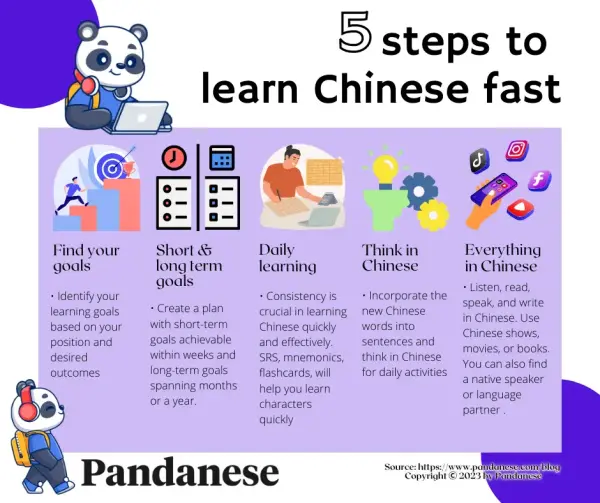
Why Is Learning Chinese a Valuable Skill?
Learning Chinese is highly valuable due to its global economic and cultural influence. As the most spoken language worldwide, it opens doors to business opportunities, diplomacy, and cultural exchange. Key reasons include:
See AlsoReview: The Geography of Thought: How East Asians and Westerners Think Differently… And Why- Economic growth: China is a major global economy, and proficiency in Chinese enhances career prospects in trade, finance, and technology.
- Cultural understanding: Mastering Chinese provides deeper insights into one of the world’s oldest civilizations.
- Competitive edge: Bilingual professionals stand out in multinational companies and global job markets.
What Are the Career Benefits of Learning Chinese?
Proficiency in Chinese significantly boosts career opportunities across industries. Employers value language skills, especially for roles involving international collaboration. Key advantages include:
- Higher salaries: Mandarin speakers often command premium pay due to high demand.
- Global networking: Fluency facilitates connections with Chinese-speaking clients and partners.
- Diverse industries: Opportunities span finance, tech, education, and government sectors.
How Does Learning Chinese Enhance Cognitive Abilities?
Studying Chinese strengthens cognitive functions due to its unique writing system and tonal nature. Benefits include:
- Improved memory: Memorizing characters enhances brain plasticity.
- Better multitasking: Tonal recognition sharpens auditory processing skills.
- Problem-solving skills: Understanding logograms fosters analytical thinking.
Is Chinese Difficult to Learn for English Speakers?
While Chinese presents challenges, structured learning can overcome them. Key difficulties and solutions include:
- Tones: Mandarin’s four tones require practice but become intuitive over time.
- Characters: Radical-based systems simplify memorization with consistent study.
- Grammar: Unlike English, Chinese grammar lacks verb conjugations, easing some aspects.
What Are the Cultural Advantages of Learning Chinese?
Beyond language, learning Chinese enriches cultural appreciation and global awareness. Highlights include:
- Literature and arts: Access to classical poetry, films, and calligraphy untranslated.
- Travel experiences: Navigating China becomes seamless with language skills.
- Philosophical insights: Direct engagement with Confucianism, Daoism, and modern thought.
Frequently Asked Questions (FAQ)
Is taking a Chinese course that's too hard beneficial for my learning progress?
Challenging yourself with a difficult Chinese course can have both advantages and drawbacks. On one hand, it pushes you out of your comfort zone, forcing you to absorb more complex vocabulary, grammar, and sentence structures quickly. However, if the course is overwhelming, it may lead to frustration, burnout, or even a loss of motivation. The key is to find a balance—enough difficulty to stimulate growth but not so much that it hinders your ability to retain information.
How can I determine if a Chinese course is too advanced for my current level?
A course may be too advanced if you consistently struggle to understand lessons, complete assignments, or keep up with classmates. Signs include spending excessive time deciphering material or feeling constant stress. To assess suitability, review the syllabus or take a placement test. If the gap between your skills and the course demands is too wide, consider stepping back to a more appropriate level to build a stronger foundation.
What are the potential risks of sticking with a Chinese course that's too difficult?
Continuing with an overly difficult course risks developing bad habits, such as guessing meanings instead of truly understanding concepts. It may also damage your confidence and make learning Chinese feel like a chore rather than an enjoyable process. In severe cases, it could lead to giving up altogether. To avoid this, seek supplemental resources, tutoring, or switch to a class better aligned with your proficiency.
Are there strategies to make a challenging Chinese course more manageable?
Yes! Breaking down lessons into smaller, digestible parts can help. Use additional tools like flashcards, language apps, or conversation practice to reinforce learning. Forming a study group or finding a tutor can provide extra support. Most importantly, communicate with your instructor—they may offer adjustments or resources to bridge the gap. Remember, consistent effort and patience are crucial in overcoming difficulties.
Leave a Reply
Related Posts