
Learning Chinese the holistic way: Integrating knowledge

Learning Chinese is often seen as a daunting task, but a holistic approach can transform the experience into an enriching journey. By integrating cultural understanding, practical usage, and linguistic foundations, learners can achieve deeper comprehension and fluency. This method goes beyond memorizing characters and tones—it connects language with history, traditions, and real-world contexts. Whether through immersive activities, multimedia resources, or interactive conversations, a well-rounded strategy fosters long-term retention and confidence. Embracing Chinese as a living, evolving system of communication allows learners to appreciate its nuances and beauty. Discover how combining knowledge from multiple dimensions creates a more meaningful and effective path to mastering this intricate language.
Learning Chinese the Holistic Way: A Comprehensive Approach to Language Mastery
1. The Importance of Cultural Context in Learning Chinese
Understanding Chinese goes beyond vocabulary and grammar—it requires immersing yourself in the cultural context. Chinese language is deeply tied to traditions, history, and social norms. For example, idioms (成语) often derive from ancient stories, and knowing their origins enhances comprehension. A holistic approach integrates cultural lessons, such as tea ceremonies or festivals, to reinforce language retention.
| Cultural Element | Language Benefit |
|---|---|
| Chinese New Year customs | Teaches festive vocabulary & etiquette |
| Confucian sayings | Improves formal & proverbial speech |
2. Combining Listening, Speaking, Reading, and Writing
A balanced skill set is crucial. For instance, practicing Pinyin (phonetics) alongside character writing reinforces memory. Watching Chinese dramas improves listening comprehension, while journaling in Chinese sharpens written expression. Tools like language apps should integrate all four skills for effective learning.
See AlsoHow to Learn Chinese on WeChat - 6 Steps to Success| Skill | Activity |
|---|---|
| Listening | Podcasts, news broadcasts |
| Speaking | Language exchange partners |
3. Leveraging Technology for Immersive Learning
Digital tools like Duolingo, Pleco, or HelloTalk provide interactive ways to practice. Virtual reality (VR) apps simulate real-life conversations in Mandarin, while SRS flashcards (e.g., Anki) optimize character retention. A holistic learner blends tech with traditional methods.
| Tool | Function |
|---|---|
| Pleco | Dictionary & flashcards |
| HelloTalk | Chat with native speakers |
4. Building Vocabulary Through Real-Life Scenarios
Instead of rote memorization, learn words in contextual clusters. For example, restaurant-related terms (菜单, 筷子) are best practiced while ordering food. Role-playing daily situations (e.g., shopping, travel) accelerates practical fluency.
| Scenario | Key Vocabulary |
|---|---|
| At a market | 多少钱, 便宜点 |
| Public transport | 地铁, 下一站 |
5. The Role of Mindset and Consistency
A growth mindset is vital—view mistakes as progress. Daily practice, even 15 minutes, beats sporadic cramming. Techniques like spaced repetition and habit stacking (e.g., labeling household items in Chinese) ensure steady improvement.
See Also6 Critical Points for Developing Chinese Fluency| Mindset Tip | Action |
|---|---|
| Embrace errors | Record & correct speech |
| Set micro-goals | Learn 5 chars/day |
What is the best source to learn Chinese?

Best Online Platforms for Learning Chinese
Online platforms offer flexibility and structured courses for learning Chinese. Here are some top options:
- Duolingo: Great for beginners with gamified lessons.
- HelloChinese: Focuses on speaking and listening skills.
- Coursera: Provides university-level courses in Mandarin.
Recommended Apps for Learning Chinese Characters
Mastering Chinese characters is easier with these apps:
See AlsoUsing the HSK as a roadmap to learning Chinese- Pleco: A dictionary with stroke order animations.
- Skritter: Helps practice writing characters.
- Anki: Uses flashcards for memorization.
Best YouTube Channels for Learning Chinese
YouTube offers free resources to improve Mandarin skills:
- ChinesePod: Covers all proficiency levels.
- Yoyo Chinese: Explains grammar and pronunciation.
- Mandarin Corner: Focuses on real-life conversations.
Top Books for Learning Chinese Grammar and Vocabulary
Books provide in-depth knowledge for serious learners:
- Integrated Chinese: A standard textbook series.
- Practical Audio-Visual Chinese: Great for self-study.
- HSK Standard Course: Aligns with proficiency exams.
Importance of Language Exchange Partners
Practicing with native speakers accelerates learning:
See AlsoThe key to unlocking your first semester of Chinese- Tandem: Connects learners with Chinese speakers.
- HelloTalk: Allows text and voice exchanges.
- iTalki: Offers paid tutoring sessions.
How to learn Chinese systematically?
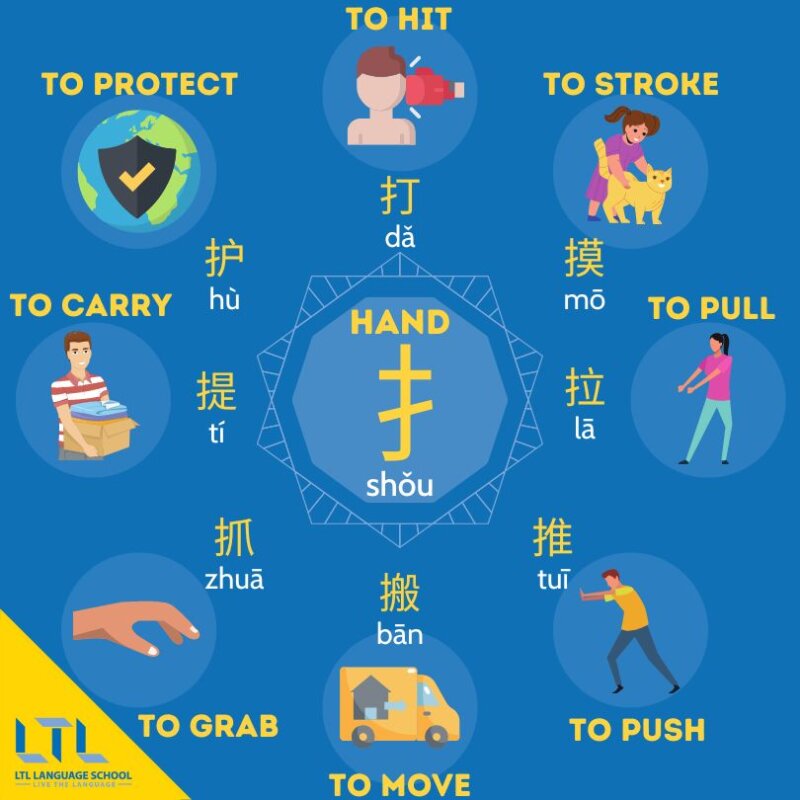
1. Start with the Basics: Pinyin and Tones
To learn Chinese systematically, begin with Pinyin, the romanization system for Mandarin. Mastering tones is crucial, as they change word meanings.
- Practice Pinyin daily using apps like Pleco or HelloChinese.
- Listen and repeat tones with native speakers or YouTube tutorials.
- Use tone pairs to practice combinations (e.g., mā + má).
2. Build a Strong Vocabulary Foundation
Focus on high-frequency words and characters to communicate effectively early on.
See AlsoBest Program to Learn Chinese: The Ultimate Guide- Learn 10-15 words daily using flashcards (Anki, Quizlet).
- Group words by themes (e.g., food, travel) for better retention.
- Prioritize radicals to understand character composition.
3. Master Grammar and Sentence Structures
Chinese grammar is simpler than many languages, but sentence patterns are key.
- Study basic SVO (Subject-Verb-Object) structures first.
- Practice measure words (e.g., 个, 只) early.
- Use grammar workbooks or websites like ChineseGrammarWiki.
4. Immerse Yourself in Listening and Speaking
Regular listening and speaking practice accelerates fluency.
- Watch Chinese media (dramas, podcasts) with subtitles.
- Shadow native speakers by repeating dialogues aloud.
- Join language exchanges (Tandem, HelloTalk) for real conversations.
5. Read and Write Consistently
Develop literacy skills by integrating reading and writing.
- Start with children’s books or graded readers.
- Write characters daily using grid paper or apps like Skritter.
- Keep a journal in Chinese to apply new vocabulary.
How to start learning Chinese from zero?

1. Learn Pinyin First
To start learning Chinese from zero, mastering Pinyin is essential. Pinyin is the Romanization system for Mandarin Chinese, helping you pronounce characters correctly. Focus on:
- Initials and finals: Learn the basic sounds of consonants and vowels.
- Tones: Mandarin has four tones and a neutral tone—practice them early.
- Listening and repetition: Use audio resources to mimic native pronunciation.
2. Build Basic Vocabulary
Start with high-frequency words to form simple sentences. Prioritize:
- Greetings: 你好 (nǐ hǎo) for hello.
- Numbers: Learn 1-10, then expand to 100.
- Everyday phrases: Like 谢谢 (xièxie) for thank you.
3. Study Chinese Characters Gradually
Chinese characters (Hanzi) are challenging but manageable with a structured approach:
- Start with radicals: Learn basic components of characters.
- Common characters first: Focus on ones used daily (e.g., 人 for person).
- Writing practice: Use grid paper to practice stroke order.
4. Use Language Apps and Resources
Leverage digital tools to reinforce learning:
- Duolingo or HelloChinese: For gamified lessons.
- Pleco: A dictionary app with flashcards.
- YouTube channels: Like ChinesePod for listening practice.
5. Practice Speaking and Listening Daily
Immersion is key to fluency:
- Language exchange: Use apps like Tandem to talk with natives.
- Watch Chinese media: Start with cartoons or slow-paced shows.
- Shadowing technique: Repeat sentences after native speakers.
What is the best program for learning Chinese?

Best Language Learning Apps for Chinese
When it comes to learning Mandarin Chinese, several apps stand out due to their structured lessons, interactive features, and effectiveness. Here are the top choices:
- Duolingo: A beginner-friendly app with gamified lessons, ideal for building vocabulary and basic grammar.
- HelloChinese: Focuses on speaking and listening skills, with handwriting recognition for character practice.
- Pleco: A powerful dictionary app with flashcards and OCR for translating printed text.
Online Courses for Mastering Chinese
For those who prefer a more structured approach, online courses provide comprehensive lessons. The best options include:
- Yoyo Chinese: Offers video-based lessons with clear explanations of tones and grammar.
- ChineseClass101: Provides audio and video lessons for different proficiency levels.
- Coursera (Peking University): University-level courses focusing on grammar and conversation.
Best Programs for Learning Chinese Characters
Mastering Chinese characters requires specialized tools. These programs excel in teaching Hanzi effectively:
- Skritter: Uses spaced repetition and stroke-order practice for character retention.
- Anki: Customizable flashcards with pre-made decks for HSK vocabulary.
- Remembering the Hanzi (Heisig Method): A book-based approach with mnemonic techniques.
Immersion-Based Chinese Learning Programs
Immersion is key to fluency. These programs simulate real-life language use:
- FluentU: Uses authentic Chinese videos with interactive subtitles.
- italki: Connects learners with native tutors for personalized lessons.
- Rosetta Stone: Focuses on intuitive learning through visual and auditory cues.
Free Resources for Learning Chinese
Budget-friendly options can still be highly effective. Consider these free resources:
- BBC Languages (Chinese): Offers basic phrases and cultural insights.
- Chinese Grammar Wiki: Detailed explanations of grammar rules.
- Language Exchange (Tandem, HelloTalk): Practice with native speakers for free.
Frequently Asked Questions (FAQ)
What does Learning Chinese the holistic way: Integrating knowledge mean?
Holistic learning refers to an approach that combines multiple aspects of the Chinese language—such as vocabulary, grammar, culture, and practical usage—into a unified learning experience. Instead of studying these elements in isolation, the method emphasizes integration, allowing learners to understand how each component connects to real-life communication. This approach not only improves retention but also helps learners use Chinese more naturally and fluently in diverse contexts.
How does this method differ from traditional Chinese learning techniques?
Traditional methods often focus on memorization and rote repetition, such as drilling characters or grammar rules separately. In contrast, the holistic approach encourages learners to engage with the language through immersive activities, like reading authentic texts, listening to native speakers, and practicing conversations. By integrating cultural insights and practical applications, this method makes learning more dynamic and meaningful.
What are the key benefits of learning Chinese holistically?
The primary advantage is contextual understanding, which helps learners grasp nuances and idiomatic expressions more effectively. Additionally, this method fosters long-term retention by linking new knowledge to existing mental frameworks. It also enhances cultural competence, as learners gain insights into Chinese customs, history, and social norms, making interactions with native speakers more authentic and respectful.
Can beginners use this approach, or is it only for advanced learners?
The holistic method is adaptable for all proficiency levels, including beginners. For new learners, it might involve combining basic vocabulary with simple conversations or cultural tidbits to build a strong foundation. Advanced learners, on the other hand, can deepen their skills by analyzing complex texts or engaging in debates. The key is scaffolding—gradually increasing complexity while maintaining integration across all learning areas.
Leave a Reply
Related Posts