
Are there any shortcuts for learning Chinese?

Learning Chinese is often seen as a daunting task due to its complex characters, tones, and grammar. Many learners wonder if there are shortcuts to mastering the language more efficiently. While there’s no magic formula, certain strategies can accelerate progress. Immersion, consistent practice, and leveraging technology—such as apps and flashcards—can make a significant difference. Focusing on high-frequency vocabulary and practical phrases first builds a strong foundation. Additionally, understanding cultural context enhances comprehension. Though shortcuts may not replace hard work, smart techniques can streamline the learning process. This article explores effective methods to learn Chinese faster without compromising depth or fluency.
Are There Any Shortcuts for Learning Chinese?
1. Immersion: The Fastest Way to Learn Chinese
Surrounding yourself with the Chinese language daily accelerates learning. Watch Chinese movies, listen to Mandarin podcasts, or engage in conversations with native speakers. Immersion forces your brain to adapt quickly, improving vocabulary and pronunciation.
| Method | Benefit |
|---|---|
| Watching Chinese TV | Improves listening & cultural understanding |
| Language exchange | Boosts speaking confidence |
2. Mnemonics for Memorizing Chinese Characters
Chinese characters can seem overwhelming, but mnemonics (memory aids) simplify retention. Link characters to images or stories (e.g., 木 tree resembles branches). Apps like Skritter use this technique.
See AlsoIs learning things by heart good for improving your Chinese?| Character | Mnemonic Tip |
|---|---|
| 好 (good) | A woman + child = a good family |
| 火 (fire) | Looks like flames |
3. Leverage Spaced Repetition Systems (SRS)
SRS tools like Anki or Pleco schedule reviews at optimal intervals to reinforce memory. Focus on high-frequency words first (e.g., 你好 hello).
| Tool | Use Case |
|---|---|
| Anki | Custom flashcards for characters |
| Pleco | Dictionary + SRS for vocabulary |
4. Learn Radicals to Decipher Characters
Radicals (character components) hint at meaning/sound. Mastering 50+ common radicals (e.g., 水 water) helps decode unfamiliar characters faster.
| Radical | Example Characters |
|---|---|
| 言 (speech) | 说 (speak), 话 (words) |
| 心 (heart) | 想 (think), 爱 (love) |
5. Prioritize High-Frequency Words and Phrases
20% of Chinese words cover 80% of conversations. Start with greetings, questions, and daily verbs (e.g., 吃 eat, 去 go).
See AlsoLearning Chinese words: When quantity beats quality| Category | Key Phrases |
|---|---|
| Greetings | 你好吗? (How are you?) |
| Survival | 多少钱? (How much?) |
How to learn Chinese as quickly as possible?

Immerse Yourself in the Language Daily
To learn Chinese quickly, immerse yourself in the language as much as possible. Surround yourself with Chinese media, such as movies, music, and podcasts, to train your ear. Additionally, try thinking and speaking in Chinese throughout the day, even if it's just simple phrases.
- Watch Chinese shows with subtitles to improve listening skills.
- Listen to Chinese podcasts or radio stations during downtime.
- Label objects in your home with their Chinese names.
Focus on High-Frequency Vocabulary First
Instead of memorizing random words, prioritize high-frequency vocabulary that you’ll use daily. Start with common phrases, greetings, and essential verbs to build a functional foundation quickly.
See AlsoThe key to unlocking your first semester of Chinese- Learn greetings like 你好 (nǐ hǎo) and 谢谢 (xiè xie).
- Master question words such as 什么 (shénme) and 哪里 (nǎ lǐ).
- Study survival phrases for ordering food or asking directions.
Practice Speaking from Day One
Speaking Chinese early accelerates fluency. Don’t wait until you’ve memorized hundreds of words—start practicing pronunciation and simple conversations immediately.
- Use language exchange apps like Tandem or HelloTalk.
- Repeat sentences aloud from lessons or videos.
- Record yourself to identify pronunciation mistakes.
Leverage Spaced Repetition Systems (SRS)
Tools like Anki or Pleco use spaced repetition to reinforce memory efficiently. These apps schedule reviews based on how well you remember words, optimizing retention.
- Create flashcards for new vocabulary and characters.
- Review daily to prevent forgetting.
- Focus on characters with mnemonics for better recall.
Study Chinese Characters Strategically
Instead of rote memorization, break down Chinese characters into radicals and components. Understanding their structure makes learning faster and more logical.
See AlsoChinese listening strategies: Improving listening speed- Learn common radicals first, like 人 (rén) or 口 (kǒu).
- Use writing practice sheets to reinforce stroke order.
- Associate characters with images or stories.
How can I memorize Chinese easily?
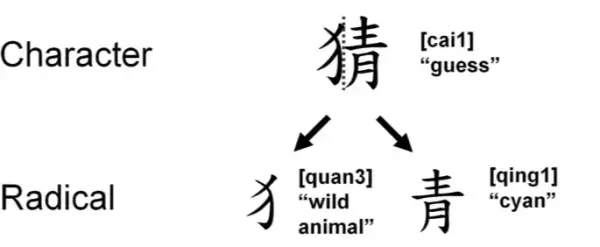
Use Mnemonics to Remember Characters
Mnemonics are a powerful tool for memorizing Chinese characters by associating them with stories or images. For example:
- Break down characters into radicals and components to create visual associations.
- Create vivid stories linking the meaning and shape of the character.
- Use apps like Skritter or Anki to reinforce mnemonic techniques.
Practice Writing Characters Regularly
Writing by hand reinforces muscle memory and helps internalize stroke order and structure. Follow these steps:
- Start with basic strokes before moving to full characters.
- Write each character 10-20 times to build familiarity.
- Use grid paper to maintain proper proportions.
Leverage Spaced Repetition Systems (SRS)
SRS tools like Anki or Pleco optimize memorization by reviewing words at increasing intervals:
- Create flashcards with characters, pinyin, and meaning.
- Adjust repetition frequency based on difficulty.
- Review daily to reinforce long-term retention.
Immerse Yourself in the Language
Exposure accelerates learning by contextualizing vocabulary and grammar:
- Watch Chinese shows with subtitles to hear natural pronunciation.
- Listen to podcasts or music to train your ear.
- Label objects at home with their Chinese names.
Learn Characters in Context
Memorizing words and phrases instead of isolated characters improves recall:
- Study common collocations (e.g., 你好 instead of just 你).
- Read simple texts like children’s books or news articles.
- Practice with sentences to understand usage patterns.
How can I learn Chinese easily?

1. Start with Basic Vocabulary and Phrases
To learn Chinese easily, begin by mastering essential words and everyday phrases. Focus on high-frequency terms like greetings, numbers, and common questions. This builds a foundation for conversations and helps you understand simple interactions quickly.
- Memorize greetings like 你好 (nǐ hǎo) and 谢谢 (xiè xie).
- Learn numbers (1-100) to handle prices, dates, and time.
- Practice basic questions like 你叫什么名字? (What’s your name?)
2. Use Language Learning Apps and Tools
Leverage technology to make learning Chinese more interactive. Apps like Duolingo, HelloChinese, or Anki offer structured lessons, flashcards, and pronunciation practice.
- Download apps with speech recognition to improve tones.
- Use flashcards for character memorization.
- Set daily goals to stay consistent.
3. Practice Speaking with Native Speakers
Engaging in real conversations accelerates fluency. Platforms like iTalki, Tandem, or HelloTalk connect you with native Chinese speakers for practice.
- Schedule regular language exchanges.
- Focus on correcting pronunciation and tones.
- Start with simple topics and gradually increase complexity.
4. Watch Chinese Media with Subtitles
Immerse yourself by watching Chinese TV shows, movies, or YouTube videos. Subtitles help associate sounds with characters and meanings.
- Choose content with dual subtitles (Chinese and English).
- Repeat phrases to mimic intonation.
- Note down new vocabulary for review.
5. Study Chinese Characters Systematically
Break down characters into radicals and components to simplify memorization. Use writing practice sheets or apps like Skritter.
- Learn radicals first to understand character structure.
- Practice writing daily to build muscle memory.
- Focus on high-frequency characters before rare ones.
How long does it realistically take to learn Chinese?

Factors That Influence the Time to Learn Chinese
The time it takes to learn Chinese depends on several factors, including your native language, learning methods, and time commitment. Here are the key factors:
- Language background: Speakers of tonal languages or those with exposure to logographic writing systems may progress faster.
- Study intensity: Full-time learners can achieve fluency in 1-2 years, while part-time learners may take 3-5 years.
- Learning environment: Immersion in a Chinese-speaking country accelerates progress significantly.
Basic Proficiency: Survival Chinese
Achieving basic proficiency (greetings, simple phrases) can take 3-6 months with consistent study. Key milestones include:
- Pronunciation: Mastering tones and Pinyin is crucial in the first few months.
- Essential vocabulary: Learning 300-500 words for everyday interactions.
- Simple sentences: Forming basic questions and statements.
Intermediate Level: Conversational Fluency
Reaching conversational fluency typically requires 1-2 years of dedicated study. Important aspects include:
- Grammar mastery: Understanding sentence structures and common patterns.
- Character recognition: Knowing 1,000-2,000 characters for reading and writing.
- Listening comprehension: Following natural-paced conversations.
Advanced Level: Professional Fluency
Attaining professional fluency (business, academic use) often takes 3-5 years. Focus areas are:
- Specialized vocabulary: Industry-specific terms and formal expressions.
- Cultural nuances: Idioms, humor, and context-dependent meanings.
- Writing proficiency: Composing essays or reports with minimal errors.
Native-Like Mastery: Is It Achievable?
Reaching native-like mastery can take 5+ years or a lifetime. Challenges include:
- Accent reduction: Perfecting tones and pronunciation to near-native levels.
- Cultural immersion: Deep understanding of historical and social contexts.
- Idiomatic fluency: Using slang, proverbs, and regional dialects naturally.
Frequently Asked Questions (FAQ)
What are the best shortcuts for learning Chinese quickly?
Immersion is one of the most effective shortcuts for learning Chinese. Surrounding yourself with the language through movies, music, or conversations accelerates comprehension. Additionally, using spaced repetition systems (SRS) like Anki helps memorize characters and vocabulary efficiently. Another powerful method is focusing on high-frequency words first, which allows you to understand and communicate faster without overwhelming yourself with less common terms.
Can mnemonics help in memorizing Chinese characters?
Absolutely! Mnemonics are a proven technique to remember complex Chinese characters by associating them with stories or images. For example, the character 好 (hǎo, meaning good) combines 女 (woman) and 子 (child), which can be visualized as a mother and child representing something good. Tools like Heisig's Remembering the Hanzi leverage this method to break down characters into memorable components, making learning more intuitive.
Is it better to focus on speaking or writing first when learning Chinese?
For beginners, prioritizing speaking and listening can be more practical, as it builds confidence in real-life conversations faster. Pinyin (the romanization system) helps learners pronounce words correctly without immediately tackling characters. However, if your goal is literacy, gradually introducing basic characters alongside speaking practice ensures a balanced approach. Many learners find that focusing on oral fluency first makes writing easier to grasp later.
How can technology speed up the process of learning Chinese?
Modern language apps like Duolingo, HelloChinese, or Pleco offer interactive lessons, quizzes, and pronunciation checks. AI-powered tools, such as speech recognition in apps like Pimsleur, refine your accent and fluency. Online platforms like iTalki connect learners with native tutors for personalized practice. Additionally, watching Chinese content with subtitles or using browser extensions like Zhongwen for instant translations can significantly enhance learning efficiency.
Leave a Reply
Related Posts