
Should you enrol in a Chinese course or are you better off learning on your own?

Deciding whether to enroll in a Chinese course or learn independently is a common dilemma for language learners. Structured courses offer guided lessons, teacher feedback, and peer interaction, which can accelerate progress and maintain motivation. On the other hand, self-study provides flexibility, allowing learners to tailor their pace and focus on personal interests. Both approaches have merits, but the best choice depends on individual goals, learning style, and discipline. This article explores the pros and cons of each method, helping you determine whether a formal course or independent study aligns better with your needs and commitment level in mastering Chinese.
- Should You Enrol in a Chinese Course or Learn on Your Own?
- Is it possible to learn Chinese on your own?
- What is the most efficient way to learn Chinese?
- What are the disadvantages of learning Chinese?
- Is it better to learn Traditional Chinese?
-
Frequently Asked Questions (FAQ)
- What are the advantages of enrolling in a Chinese course compared to self-study?
- Can self-study be as effective as taking a formal Chinese course?
- How important is speaking practice when learning Chinese, and which method offers more opportunities?
- Which approach is more cost-effective: enrolling in a Chinese course or learning independently?
Should You Enrol in a Chinese Course or Learn on Your Own?
1. Structured Learning vs. Self-Directed Study
Enrolling in a Chinese course provides a structured curriculum, ensuring you cover essential grammar, vocabulary, and pronunciation systematically. On the other hand, self-directed study allows flexibility but requires strong discipline to avoid gaps in knowledge. Courses often include assignments and exams, which can reinforce learning, while independent learners must create their own accountability.
| Chinese Course | Self-Learning |
|---|---|
| Fixed schedule | Flexible timing |
| Teacher guidance | Self-paced progress |
| Peer interaction | Independent focus |
2. Access to Expert Feedback
A Chinese course offers direct access to qualified instructors who can correct mistakes in real-time, particularly for tones and writing. Self-learners rely on apps, online forums, or language exchange partners, which may lack professional accuracy. Immediate feedback accelerates proficiency, while incorrect self-correction can lead to fossilized errors.
See AlsoTop 5 Best Podcasts for Learning Chinese in 2025| Chinese Course | Self-Learning |
|---|---|
| Professional corrections | Community-based feedback |
| Tailored explanations | Generalized resources |
3. Cost and Resource Investment
Formal courses often involve tuition fees, textbooks, and commuting costs, whereas self-learning can be low-cost or free using apps like Duolingo or Anki. However, free resources may lack depth. Investing in a course guarantees quality materials, but disciplined self-learners can curate high-quality free or affordable tools.
| Chinese Course | Self-Learning |
|---|---|
| Higher upfront cost | Budget-friendly |
| Comprehensive materials | Variable resource quality |
4. Motivation and Accountability
Courses provide external accountability through deadlines and peer pressure, which can sustain motivation. Self-learners must cultivate intrinsic motivation, which may wane without milestones. Group classes foster camaraderie, while solo learners need to seek communities externally to stay engaged.
| Chinese Course | Self-Learning |
|---|---|
| Built-in deadlines | Personal goal-setting |
| Classroom dynamics | Isolated practice |
5. Customization and Learning Speed
Self-learning allows complete customization—focusing on business Chinese or slang as needed. In contrast, courses follow a set pace, which may be too fast or slow for some. Independent learners can accelerate or decelerate, while course participants must adapt to the group’s rhythm.
See AlsoHow to best use flashcards to learn Chinese| Chinese Course | Self-Learning |
|---|---|
| Standardized content | Tailored focus areas |
| Fixed progression | Adjustable speed |
Is it possible to learn Chinese on your own?
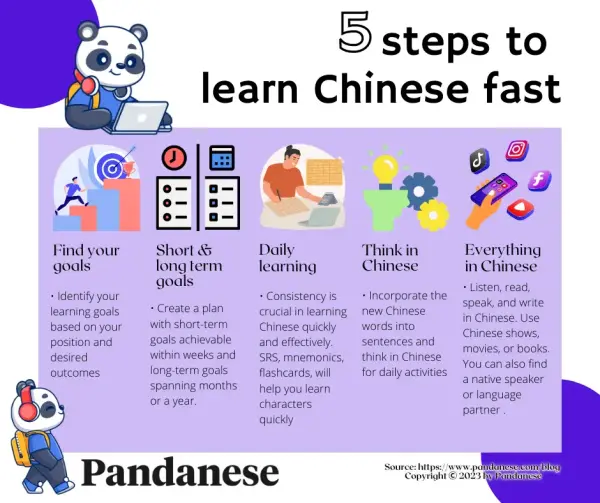
Can You Learn Chinese Without a Teacher?
Yes, it is possible to learn Chinese on your own with the right resources and discipline. Self-study requires a structured approach, consistency, and access to quality materials. Here’s how:
- Use language apps like Duolingo, HelloChinese, or Anki for vocabulary and grammar.
- Watch Chinese media such as dramas, movies, or YouTube channels to improve listening skills.
- Practice speaking with language exchange partners via platforms like Tandem or iTalki.
What Are the Best Resources for Self-Learning Chinese?
A variety of tools can make self-learning Chinese effective. Focus on resources that cover all language aspects:
See AlsoChinese language learning in the twenty-first century: Towards a digital ecosystem? Interview with Julien Leyre- Textbooks like Integrated Chinese or HSK Standard Course provide structured lessons.
- Online courses from Coursera, edX, or ChinesePod offer interactive learning.
- Flashcards (e.g., Pleco or Anki) help memorize characters and vocabulary efficiently.
How Long Does It Take to Learn Chinese Independently?
The time required depends on dedication, daily practice, and learning methods. Estimates vary:
- Basic fluency (HSK 3-4) may take 1-2 years with consistent study.
- Advanced proficiency (HSK 5-6) often requires 3-5 years of intensive practice.
- Daily practice (30-60 minutes) accelerates progress significantly.
What Are the Biggest Challenges of Learning Chinese Alone?
Self-learners face unique obstacles, but they can be overcome:
- Tones and pronunciation are difficult without immediate feedback from a teacher.
- Character memorization requires repetitive practice and mnemonics.
- Lack of accountability may lead to inconsistency without a structured class.
How to Stay Motivated While Learning Chinese Solo?
Maintaining motivation is crucial for long-term success in self-study:
- Set clear goals, such as passing an HSK exam or holding a conversation.
- Join online communities (e.g., Reddit’s r/ChineseLanguage) for support.
- Track progress with journals or apps to see improvements over time.
What is the most efficient way to learn Chinese?
1. Immerse Yourself in the Language
The most efficient way to learn Chinese is through immersion. Surround yourself with the language as much as possible to accelerate comprehension and fluency.
- Watch Chinese media: Movies, TV shows, and news help with listening skills and cultural context.
- Listen to podcasts or music: Improves pronunciation and familiarizes you with natural speech patterns.
- Engage in conversations: Speak with native speakers, either in person or via language exchange apps.
2. Master Pinyin and Tones Early
Pinyin (Romanization of Chinese characters) and tones are foundational. Mispronouncing tones can change meanings entirely.
- Practice tone pairs: Focus on combinations to improve accuracy.
- Use apps like Pleco: Provides audio examples for correct pronunciation.
- Record yourself: Compare your speech with native speakers to identify mistakes.
3. Prioritize High-Frequency Vocabulary
Learning the most commonly used words first ensures practical communication quickly.
- Focus on HSK word lists: These are standardized vocabulary tiers for learners.
- Use flashcards (Anki): Spaced repetition reinforces memory.
- Learn phrases, not just words: Contextual usage improves retention.
4. Consistent Writing Practice
Writing reinforces character recognition and muscle memory for Chinese characters.
- Start with radicals: Understanding components simplifies memorization.
- Write daily: Even a few characters a day builds proficiency.
- Use grid paper: Maintains proper stroke order and proportions.
5. Leverage Technology and Structured Courses
Combining digital tools with formal study optimizes learning efficiency.
- Use apps like HelloChinese or Duolingo: Gamified learning keeps engagement high.
- Enroll in online courses: Platforms like Coursera offer structured curricula.
- Join language communities: Forums or Discord groups provide support and motivation.
What are the disadvantages of learning Chinese?

1. Complex Writing System
The Chinese writing system is one of the most challenging aspects for learners due to its logographic nature. Unlike alphabetic languages, Chinese uses thousands of characters, each representing a word or concept. This requires extensive memorization and practice.
- Thousands of characters must be learned to achieve fluency.
- Stroke order rules are strict and must be followed precisely.
- No phonetic clues in characters make pronunciation difficult to guess.
2. Tonal Pronunciation
Chinese is a tonal language, meaning the pitch or intonation of a word can change its meaning entirely. This is particularly difficult for speakers of non-tonal languages.
- Four main tones in Mandarin, plus a neutral tone, must be mastered.
- Mispronunciation can lead to misunderstandings or offensive meanings.
- Listening comprehension is harder due to subtle tonal variations.
3. Limited Transferability to Other Languages
Unlike learning languages with Latin roots, Chinese offers limited crossover benefits to other languages, making it a more isolated skill.
- No shared vocabulary with Indo-European languages.
- Grammar structures differ significantly from most Western languages.
- Few cognates to aid in quick learning or recognition.
4. Time-Consuming Learning Process
Becoming proficient in Chinese requires a significant time investment, often much longer than learning languages with familiar scripts or structures.
- Years of study needed to reach advanced levels.
- Daily practice is essential to retain characters and tones.
- Slow progress can be discouraging for some learners.
5. Regional Dialects and Variations
China has numerous dialects, many of which are mutually unintelligible, adding another layer of difficulty for learners.
- Mandarin vs. Cantonese differences can confuse beginners.
- Local accents may alter pronunciation and comprehension.
- Slang and idioms vary widely across regions.
Is it better to learn Traditional Chinese?
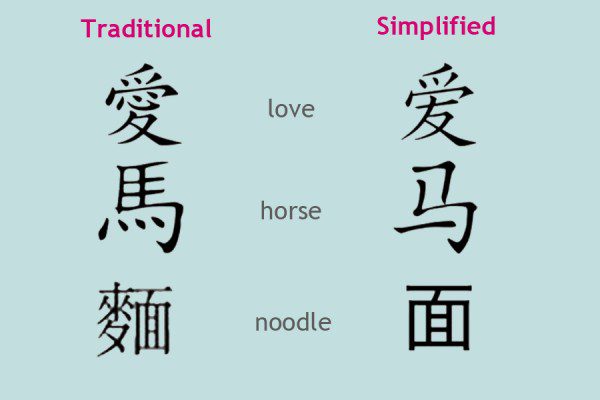
Advantages of Learning Traditional Chinese
Learning Traditional Chinese offers several benefits, particularly if you plan to engage with certain regions or cultural contexts. Here are key advantages:
- Cultural Preservation: Traditional characters maintain historical and artistic value, often used in classical literature and calligraphy.
- Regional Relevance: Essential in places like Taiwan, Hong Kong, and Macau, where they remain the standard.
- Deeper Understanding: The complexity of Traditional characters can provide better insights into the etymology of words.
Disadvantages of Learning Traditional Chinese
While valuable, Traditional Chinese also has drawbacks depending on your goals. Consider these points:
- Complexity: More strokes make Traditional characters harder to learn and write compared to Simplified Chinese.
- Limited Use: Mainland China and Singapore primarily use Simplified Chinese, reducing practicality in those regions.
- Learning Curve: Beginners may find it overwhelming without prior exposure to character systems.
Traditional vs. Simplified Chinese: Key Differences
Understanding the distinctions between Traditional and Simplified Chinese is crucial for learners:
- Character Structure: Traditional characters retain original forms, while Simplified ones reduce stroke count.
- Geographic Usage: Traditional dominates in Taiwan and Hong Kong; Simplified is standard in Mainland China.
- Cultural Nuances: Traditional script often carries deeper historical connotations.
Who Should Learn Traditional Chinese?
Traditional Chinese is ideal for specific learners. Here’s who might benefit most:
- Heritage Learners: Those with ties to regions like Taiwan or Hong Kong.
- Academic Researchers: Studying classical texts or historical documents.
- Art Enthusiasts: Interested in calligraphy or traditional art forms.
Resources for Learning Traditional Chinese
Finding the right tools is essential for mastering Traditional Chinese. Recommended resources include:
- Textbooks: Focused on Traditional characters, such as Practical Audio-Visual Chinese.
- Online Platforms: Websites like Skritter or Pleco with Traditional character support.
- Language Exchange: Partnering with native speakers from Taiwan or Hong Kong.
Frequently Asked Questions (FAQ)
What are the advantages of enrolling in a Chinese course compared to self-study?
Structured learning is one of the biggest benefits of enrolling in a Chinese course. Courses provide a clear curriculum, ensuring you cover essential topics like grammar, vocabulary, and pronunciation in a logical sequence. Additionally, professional instructors offer immediate feedback, correcting mistakes that self-learners might overlook. Another advantage is the interactive environment, where you can practice speaking with classmates, boosting confidence and fluency faster than studying alone.
Can self-study be as effective as taking a formal Chinese course?
Self-study can be effective if you are highly disciplined and use the right resources. Apps, online tutorials, and language exchange platforms provide flexibility, allowing you to learn at your own pace. However, without a teacher’s guidance, you might develop bad habits in pronunciation or grammar. Success in self-study depends on your ability to stay motivated and seek out opportunities for real-world practice, such as conversing with native speakers.
How important is speaking practice when learning Chinese, and which method offers more opportunities?
Speaking practice is crucial for mastering Chinese, as tones and pronunciation are challenging to perfect without real-time feedback. A formal course typically provides more structured speaking opportunities through classroom discussions, role-plays, and teacher-led exercises. In contrast, self-learners must actively seek speaking partners via language apps or meetups, which can be inconsistent. If conversational fluency is your goal, a course may offer a more reliable way to practice regularly.
Which approach is more cost-effective: enrolling in a Chinese course or learning independently?
Self-study is generally more budget-friendly, as many online resources and apps are free or low-cost. However, investing in a quality course can save time and frustration by providing expert guidance and avoiding common learning pitfalls. While courses may seem expensive upfront, the structured progression and accountability they offer can lead to faster progress, making them a worthwhile investment for serious learners. Your choice depends on your budget, goals, and learning style.
Leave a Reply
Related Posts