
Learn Japanese on Duolingo: Timeline & Tips

Learning Japanese can be an exciting yet challenging journey, and Duolingo has become a popular tool for beginners and intermediate learners alike. This article explores the timeline of mastering Japanese on Duolingo, breaking down what to expect at each stage of your learning process. From understanding basic hiragana and katakana to constructing more complex sentences, we’ll provide a roadmap to help you stay on track. Additionally, you’ll find practical tips to maximize your progress, avoid common pitfalls, and make the most of Duolingo’s features. Whether you’re starting from scratch or refining your skills, this guide will support your Japanese language adventure.
Learn Japanese on Duolingo: Timeline & Tips
1. Getting Started with Japanese on Duolingo
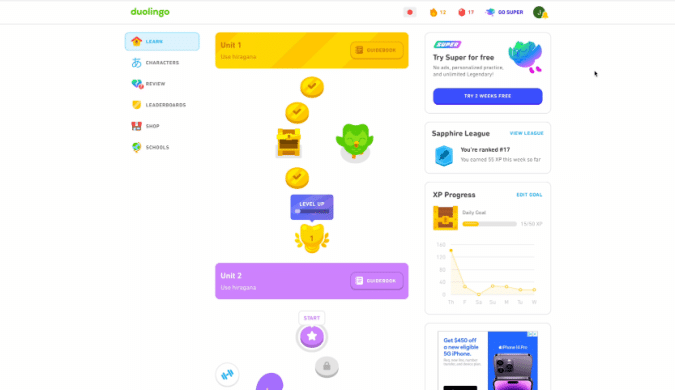
When you first begin learning Japanese on Duolingo, it’s essential to familiarize yourself with the platform’s structure. Duolingo offers a step-by-step approach, starting with basic hiragana and katakana characters before moving on to simple vocabulary and grammar. The app uses gamification to keep learners engaged, so expect to earn points, unlock levels, and complete daily challenges. To maximize your progress, set a consistent daily goal, such as 10–15 minutes of practice.
2. Understanding the Japanese Learning Timeline
The timeline for learning Japanese on Duolingo varies depending on your dedication and prior experience. On average, completing the entire Japanese course can take 6–12 months if you study consistently. The course is divided into units, each focusing on specific topics like greetings, food, travel, and more. Below is a table summarizing the estimated timeline:
See AlsoHow Much Xp On Duolingo To Be Fluent? complete guide| Stage | Duration | Focus |
|---|---|---|
| Beginner | 1–2 months | Hiragana, Katakana, Basic Phrases |
| Intermediate | 3–6 months | Vocabulary Expansion, Grammar Rules |
| Advanced | 6–12 months | Complex Sentences, Cultural Context |
3. Tips for Mastering Japanese on Duolingo
To make the most of your Japanese learning journey on Duolingo, follow these tips:
- Practice Daily: Consistency is key. Even short daily sessions can lead to significant progress.
- Use the Discussion Forums: Engage with other learners to clarify doubts and share tips.
- Supplement with External Resources: While Duolingo is great, pairing it with apps like Anki for flashcards or YouTube tutorials can enhance your learning.
- Focus on Pronunciation: Pay attention to audio exercises to improve your speaking skills.
- Review Regularly: Revisit completed lessons to reinforce your knowledge.
4. Common Challenges and How to Overcome Them
Learning Japanese on Duolingo comes with its own set of challenges. One common issue is the complexity of kanji, which can be overwhelming for beginners. To tackle this, break down kanji into smaller components and practice writing them regularly. Another challenge is retention of vocabulary. Use spaced repetition techniques and create your own flashcards to reinforce memory. Lastly, some learners struggle with grammar structures. Take notes and practice forming sentences outside the app to build confidence.
5. Tracking Your Progress and Staying Motivated
Duolingo provides tools to track your progress, such as streaks, XP points, and unit completion percentages. To stay motivated:
- Set Milestones: Celebrate small achievements, like completing a unit or mastering a new set of kanji.
- Join the Duolingo Community: Participate in challenges and connect with other learners.
- Mix It Up: Alternate between different types of exercises, such as listening, speaking, and writing, to keep things interesting.
- Reward Yourself: Treat yourself when you reach a significant goal, like finishing a difficult lesson or maintaining a 30-day streak.
How many days does it take to learn Japanese on Duolingo?
How Long Does It Take to Complete the Japanese Course on Duolingo?
The time it takes to complete the Japanese course on Duolingo depends on your learning pace and consistency. On average, the course consists of 131 skills, and if you dedicate about 10-15 minutes per day, it could take approximately 6-12 months to finish. However, this timeframe varies based on:
- Daily commitment: Spending more time daily can speed up progress.
- Prior knowledge: Familiarity with Japanese basics may reduce learning time.
- Retention: Revisiting lessons ensures better understanding and retention.
What Factors Influence the Time to Learn Japanese on Duolingo?
Several factors affect how quickly you can learn Japanese on Duolingo:
See AlsoBabbel vs Rosetta Stone vs Duolingo: Comparison of Top Apps- Learning goals: Casual learners may take longer than those aiming for fluency.
- Consistency: Regular practice is key to faster progress.
- Supplemental resources: Using additional tools like textbooks or language apps can enhance learning speed.
Can You Achieve Fluency in Japanese Using Duolingo Alone?
Duolingo is a great starting point, but achieving fluency in Japanese typically requires more than just the app. Here’s why:
- Limited vocabulary: Duolingo covers basic to intermediate words but lacks advanced vocabulary.
- Speaking practice: Fluency requires real-life conversations, which Duolingo doesn’t fully provide.
- Cultural context: Understanding Japanese culture and nuances often requires additional resources.
How Does Duolingo Structure Its Japanese Course?
Duolingo’s Japanese course is structured into units and skills, focusing on:
- Hiragana and Katakana: The foundational writing systems are introduced early.
- Basic grammar: Lessons cover sentence structure and common phrases.
- Vocabulary: Words are grouped by themes like food, travel, and family.
What Are the Best Practices for Learning Japanese on Duolingo?
To maximize your learning experience on Duolingo, follow these best practices:
- Set daily goals: Aim to complete a specific number of lessons each day.
- Use the review feature: Regularly revisit past lessons to reinforce knowledge.
- Combine with other resources: Pair Duolingo with apps like Anki or language exchange platforms.
What level of Japanese can I learn from Duolingo?

What Level of Japanese Can Duolingo Help You Achieve?
Duolingo is a useful tool for beginners and intermediate learners of Japanese. While it won't make you fluent, it can help you reach a basic to intermediate level, roughly equivalent to JLPT N5 or N4. The app focuses on vocabulary, grammar, and sentence structure, but lacks depth in advanced topics or real-life conversation practice.
- Vocabulary: Duolingo introduces around 1,000 to 2,000 words, covering everyday topics like food, travel, and family.
- Grammar: It teaches basic grammar rules, such as sentence particles (は, を, に) and verb conjugations.
- Reading and Writing: You'll learn to read and write hiragana, katakana, and some basic kanji.
How Does Duolingo Teach Japanese Writing Systems?
Duolingo introduces the three Japanese writing systems: hiragana, katakana, and kanji. However, the focus is primarily on hiragana and katakana, with limited kanji exposure.
- Hiragana: The app provides lessons to recognize and write all 46 basic hiragana characters.
- Katakana: Similarly, it covers the 46 katakana characters used for foreign words and names.
- Kanji: Duolingo introduces a small number of kanji, but it’s not sufficient for advanced reading or writing.
What Are the Limitations of Learning Japanese on Duolingo?
While Duolingo is a good starting point, it has several limitations for serious Japanese learners.
- Limited Kanji: The app doesn’t provide in-depth kanji lessons or stroke order practice.
- Lack of Speaking Practice: There’s no real-time conversation practice, which is crucial for fluency.
- Cultural Context: Duolingo doesn’t deeply explore Japanese culture or context, which is essential for understanding the language.
Can Duolingo Prepare You for the JLPT?
Duolingo can help you prepare for the JLPT N5 and partially for N4, but it’s not enough on its own.
- N5 Level: The app covers basic vocabulary, grammar, and kanji required for N5.
- N4 Level: It introduces some intermediate concepts but lacks the depth needed for full N4 preparation.
- Higher Levels: For N3 and above, additional resources like textbooks and practice tests are necessary.
What Additional Resources Should You Use with Duolingo?
To complement Duolingo, consider using other resources to enhance your Japanese learning experience.
- Textbooks: Use books like Genki or Minna no Nihongo for structured lessons.
- Kanji Apps: Apps like WaniKani or Anki can help with kanji memorization.
- Speaking Practice: Platforms like iTalki or HelloTalk offer real-time conversation practice.
What is the best app for learning Japanese?
What Features Should the Best Japanese Learning App Have?
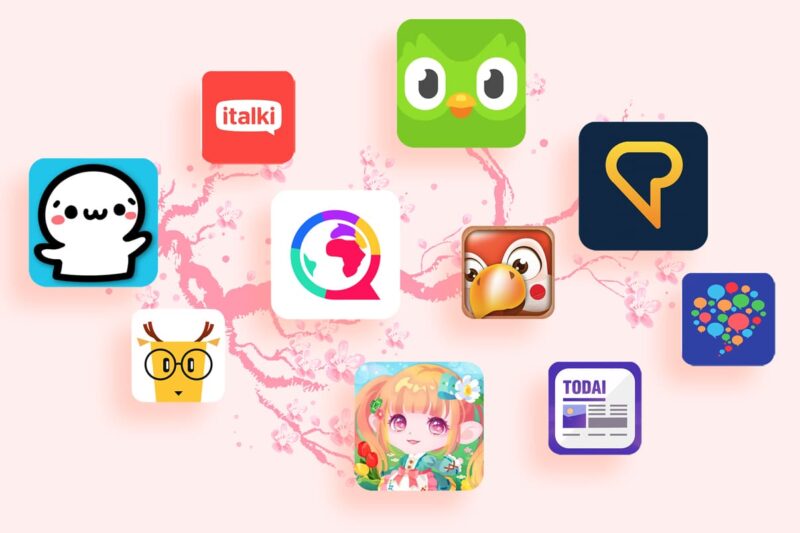
When choosing the best app for learning Japanese, it is essential to consider the features it offers. A top-tier app should include:
- Comprehensive lessons covering grammar, vocabulary, and kanji.
- Interactive exercises to practice speaking, listening, reading, and writing.
- Gamification elements like quizzes and rewards to keep learners motivated.
- Offline access for studying without an internet connection.
- Progress tracking to monitor improvement over time.
Which App Offers the Best Japanese Grammar Lessons?
For mastering Japanese grammar, apps like Bunpo and LingoDeer stand out. These apps provide:
- Structured lessons tailored to different proficiency levels.
- Clear explanations of complex grammar rules.
- Practice exercises to reinforce understanding.
- Real-life examples to contextualize grammar usage.
- Audio support for correct pronunciation.
What App is Best for Learning Japanese Kanji?
For kanji learning, WaniKani and Kanji Study are highly recommended. These apps offer:
- Systematic kanji breakdowns by radicals and components.
- Spaced repetition to enhance memorization.
- Stroke order guides for proper writing.
- Contextual examples to understand kanji usage.
- Customizable study plans to suit individual learning speeds.
Which App is Best for Practicing Japanese Speaking?
To improve speaking skills, Pimsleur and HelloTalk are excellent choices. These apps provide:
- Conversation practice with native speakers.
- Pronunciation feedback to refine speaking abilities.
- Role-playing scenarios for real-world practice.
- Audio lessons to mimic native speech patterns.
- Language exchange opportunities to enhance fluency.
What App is Best for Learning Japanese Vocabulary?
For expanding vocabulary, Memrise and Anki are top contenders. These apps feature:
- Spaced repetition systems for efficient memorization.
- Customizable flashcards to focus on specific words.
- Audio pronunciations to learn correct intonation.
- Contextual sentences to understand word usage.
- Progress tracking to measure vocabulary growth.
Frequently Asked Questions From our Community
How long does it take to learn Japanese on Duolingo?
Learning Japanese on Duolingo depends on your dedication, consistency, and prior experience with the language. On average, completing the entire Japanese course can take anywhere from 6 months to 2 years, depending on how much time you dedicate daily. For example, spending 15-30 minutes a day can help you progress steadily, but mastering the language requires additional practice outside the app, such as speaking with native speakers or using other resources.
What are the best tips for learning Japanese on Duolingo?
To maximize your learning experience on Duolingo, follow these tips: First, practice daily to build consistency. Second, use the review feature to reinforce previously learned material. Third, supplement your learning with external resources like flashcards for kanji or language exchange partners for speaking practice. Lastly, take advantage of Duolingo's stories and podcasts to improve listening and comprehension skills.
Can I become fluent in Japanese using only Duolingo?
While Duolingo is a great tool for beginners and intermediate learners, it is unlikely to make you fluent on its own. The app focuses on vocabulary, grammar, and basic sentence structures, but fluency requires real-world practice, such as conversations, reading, and writing. To achieve fluency, combine Duolingo with other methods like language classes, immersion, or speaking with native speakers.
What are the challenges of learning Japanese on Duolingo?
Learning Japanese on Duolingo comes with a few challenges. First, the app does not emphasize kanji as much as it should, which is a critical part of the language. Second, the speaking exercises may not provide enough practice for real-life conversations. Third, the course structure may feel repetitive at times, which can slow down progress. To overcome these challenges, consider using additional tools like kanji study apps or joining a language community for extra support.
Leave a Reply
Related Posts