
Zizzle App | A Neat Way to Learn Chinese Characters

Learning Chinese characters can often feel daunting, but the Zizzle App transforms this challenge into an engaging and intuitive experience. Designed for learners of all levels, Zizzle combines visual storytelling, mnemonics, and interactive exercises to make memorizing characters both fun and effective. Each character is broken down into memorable components, helping users grasp meanings and pronunciations effortlessly. Whether you're a beginner or looking to refine your skills, Zizzle's innovative approach turns complex symbols into easy-to-remember stories. With its user-friendly interface and structured lessons, the app ensures steady progress while keeping motivation high. Discover a fresh, creative way to master Chinese characters with Zizzle.
Zizzle App: A Neat Way to Learn Chinese Characters
What is the Zizzle App?
The Zizzle App is an innovative language-learning tool designed to help users master Chinese characters through engaging and memorable techniques. Unlike traditional methods, Zizzle uses mnemonics, visual storytelling, and spaced repetition to make learning more effective and enjoyable. The app breaks down complex characters into simpler components, associating them with vivid images and stories to enhance retention.
| Feature | Description |
|---|---|
| Mnemonics | Uses stories and images to aid memory |
| Visual Learning | Associates characters with pictures |
| Spaced Repetition | Reinforces learning over time |
How Does Zizzle Make Learning Chinese Characters Easier?
The Zizzle App simplifies the process of learning Chinese characters by transforming them into relatable visual stories. Each character is deconstructed into its fundamental parts, which are then linked to imaginative narratives. This method leverages the brain's natural ability to remember visual and emotional cues, making recall faster and more intuitive.
See AlsoBest AI-Powered Chatbot Apps to Help You Learn Chinese| Technique | Benefit |
|---|---|
| Character Breakdown | Simplifies complex characters |
| Storytelling | Enhances engagement and retention |
| Interactive Exercises | Reinforces learning through practice |
Who Can Benefit from Using Zizzle?
The Zizzle App is ideal for beginners and intermediate learners of Chinese who struggle with memorizing characters. It’s also useful for travelers, professionals, or anyone interested in Chinese culture and language. The app’s user-friendly approach makes it accessible to learners of all ages.
| User Group | Advantage |
|---|---|
| Beginners | Builds a strong foundation |
| Intermediate Learners | Expands vocabulary efficiently |
| Professionals/Travelers | Quickly learn practical characters |
What Features Does Zizzle Offer?
The Zizzle App includes several powerful features to enhance learning, such as interactive flashcards, quizzes, progress tracking, and offline access. These tools ensure a comprehensive and flexible learning experience tailored to individual needs.
| Feature | Purpose |
|---|---|
| Interactive Flashcards | Reinforce character recognition |
| Quizzes | Test knowledge and retention |
| Progress Tracking | Monitors learning milestones |
Is Zizzle Available on Multiple Platforms?
Yes, the Zizzle App is available on both iOS and Android devices, allowing users to learn on the go. The app syncs progress across devices, ensuring seamless learning whether on a smartphone or tablet.
See AlsoLearning Chinese characters through pictures| Platform | Availability |
|---|---|
| iOS | Downloadable via App Store |
| Android | Downloadable via Google Play |
| Web | Browser-based access (if applicable) |
What is the best app to learn Chinese characters?

Best Apps for Learning Chinese Characters
When it comes to learning Chinese characters, several apps stand out due to their structured approach, interactive features, and effectiveness. Here are the top choices:
- Pleco: A comprehensive dictionary app with flashcards, stroke order animations, and OCR for real-world character recognition.
- Skritter: Focuses on writing practice with spaced repetition, stroke feedback, and a vast character library.
- HelloChinese: Combines gamification with character learning, offering pronunciation, writing, and quizzes.
- Anki: Customizable flashcards with user-generated decks for memorizing characters and vocabulary.
- Hanping Chinese Dictionary: Provides detailed character breakdowns, audio pronunciations, and example sentences.
Key Features to Look for in a Chinese Character App
Choosing the right app depends on specific features that enhance learning efficiency. Consider the following:
See AlsoDuolingo Rewards: Earn XP, Gems, and More- Stroke Order Guides: Essential for proper character writing and memorization.
- Spaced Repetition Systems (SRS): Helps reinforce long-term retention of characters.
- Interactive Exercises: Writing, matching, and pronunciation drills improve engagement.
- Offline Access: Allows learning without an internet connection.
- Progress Tracking: Monitors improvement and identifies weak areas.
Free vs. Paid Chinese Character Apps
While many apps offer free versions, premium features often unlock deeper learning potential. Compare the options:
- Free Apps: Like Duolingo or HelloChinese, provide basic character lessons but may lack advanced tools.
- Paid Apps: Such as Skritter or Pleco’s add-ons, offer ad-free experiences, offline modes, and specialized content.
- Freemium Models: Apps like Anki allow free use but require payment for cloud sync or premium decks.
How to Practice Writing Chinese Characters Effectively
Mastering character writing requires consistent practice and the right techniques. Here’s how apps can help:
- Use Apps with Stroke Feedback: Like Skritter, which corrects stroke order in real time.
- Trace Characters: Some apps provide tracing exercises to build muscle memory.
- Combine with Paper Practice: Reinforce digital learning by writing characters manually.
Supplemental Tools for Learning Chinese Characters
Beyond apps, these tools can enhance your character-learning journey:
See AlsoLanguages in China (300+ In Total) - A Complete Guide- Online Dictionaries: Such as Arch Chinese for detailed character etymology.
- YouTube Channels: Like Yoyo Chinese, offering visual and auditory explanations.
- Language Exchange Platforms: Apps like Tandem connect learners with native speakers for practice.
What is the best way to memorize Chinese characters?
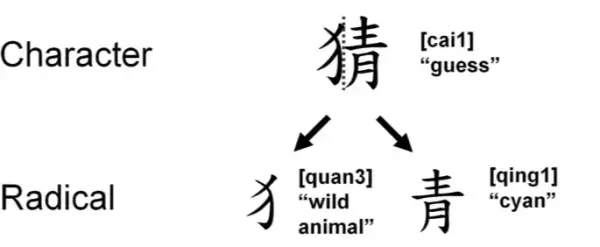
Understanding the Structure of Chinese Characters
To effectively memorize Chinese characters, it's essential to understand their structure. Most characters are composed of radicals (building blocks) and phonetic components. Breaking them down simplifies learning.
- Radicals often hint at meaning (e.g., 水 for water-related characters).
- Phonetic components suggest pronunciation (e.g., 青 in 清, 晴).
- Practice writing strokes in the correct stroke order to reinforce memory.
Using Spaced Repetition Systems (SRS)
Spaced repetition leverages timing to optimize memorization. Tools like Anki or Pleco automate this process.
- Review characters at increasing intervals to strengthen recall.
- Combine SRS with visual and auditory cues (e.g., flashcards with audio).
- Track progress to identify problematic characters for extra practice.
Linking Characters to Stories or Mnemonics
Creating associations or stories makes abstract characters memorable.
- Use imagery (e.g., 休 rest = a person 亻 leaning against a tree 木).
- Invent funny or exaggerated stories to reinforce connections.
- Leverage resources like Remembering the Hanzi for pre-made mnemonics.
Practicing Writing by Hand
Writing characters by hand engages motor memory, aiding retention.
- Start with grid paper to maintain proportions.
- Repeat characters 10–20 times while saying their meaning aloud.
- Focus on common characters first (e.g., 的, 是) for practical use.
Immersing Yourself in Contextual Learning
Seeing characters in real-world contexts reinforces their meaning and usage.
- Read graded readers or children’s books.
- Watch Chinese media with subtitles to connect sounds and symbols.
- Label objects in your environment with Chinese characters.
How do Chinese people learn all the characters?
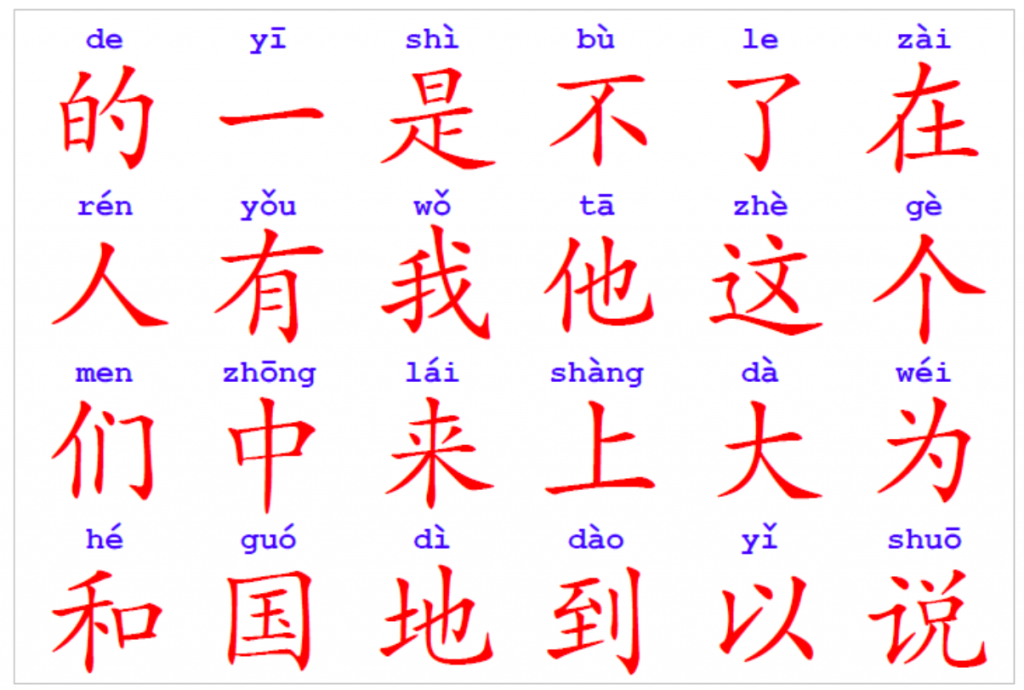
How Do Chinese Children Start Learning Characters?
Chinese children begin learning characters at a young age through repetition and visual memorization. Schools use structured methods to introduce characters gradually, starting with simple ones and progressing to more complex forms.
- Pinyin is taught first to help with pronunciation.
- Basic characters like 一 (one) and 人 (person) are introduced early.
- Teachers use stroke order drills to build writing skills.
What Role Does Repetition Play in Learning Characters?
Repetition is crucial for mastering Chinese characters. Students write characters repeatedly to reinforce memory and improve handwriting accuracy.
- Copying characters multiple times helps with retention.
- Daily dictation exercises test recall.
- Using workbooks ensures consistent practice.
How Do Mnemonics Help in Memorizing Characters?
Mnemonics are widely used to make character learning more engaging. They associate characters with stories or images to aid memory.
- Radical-based mnemonics break characters into meaningful parts.
- Visual associations link characters to real-world objects.
- Stories are created to explain complex character structures.
What Tools and Resources Assist in Learning Characters?
Various tools and resources support character learning, from traditional methods to modern technology.
- Flashcards are a common memorization tool.
- Mobile apps like Pleco and Skritter provide interactive practice.
- Textbooks and graded readers offer contextual learning.
How Does Context Help in Understanding Characters?
Learning characters in context improves comprehension and retention. Exposure through reading and real-life usage reinforces knowledge.
- Sentence examples show how characters function in writing.
- Reading children’s books builds familiarity.
- Daily exposure through signs, menus, and media reinforces learning.
How many Chinese characters do you need to know to read Chinese?

How Many Chinese Characters Are There in Total?
The Chinese writing system contains over 50,000 characters, but most are archaic or rarely used. Modern dictionaries typically list around 20,000 characters, but even this number is excessive for everyday literacy. Here’s a breakdown:
- Historical texts may use up to 50,000+ characters, including variants.
- Modern dictionaries include ~20,000, but only a fraction are actively used.
- Specialized fields (e.g., medicine, law) may require knowledge of additional obscure characters.
How Many Characters Are Needed for Basic Literacy?
To achieve basic literacy, a learner should aim for 1,000–2,000 characters. This covers approximately 90% of everyday written material. Key details:
- 1,000 characters allow comprehension of ~90% of casual texts (e.g., menus, signs).
- 2,000 characters improve fluency for newspapers or simple books.
- HSK 4 (intermediate proficiency) requires 1,200 characters.
How Many Characters Do Native Speakers Know?
Native Chinese speakers typically recognize 3,000–5,000 characters, though usage varies by education level. Important points:
- Elementary school graduates know ~2,500 characters (mandatory curriculum).
- High school graduates master ~4,500–5,000 characters.
- College-educated adults may recognize 6,000+ but actively use fewer.
How Many Characters Are Needed to Read a Newspaper?
Reading a Chinese newspaper comfortably requires 2,500–3,000 characters. Key insights:
- 2,500 characters cover ~98% of content in mainstream newspapers.
- Specialized terms (e.g., politics, economics) may demand extra characters.
- Contextual clues help decipher unfamiliar characters without full memorization.
Does Knowing More Characters Guarantee Better Reading Skills?
While character count matters, contextual understanding and grammar are equally critical. Considerations:
- Compound words (two+ characters) dominate modern Chinese, reducing reliance on single-character mastery.
- Idioms/chengyu (four-character phrases) require cultural knowledge beyond memorization.
- Reading speed improves with pattern recognition, not just character volume.
Frequently Asked Questions (FAQ)
What is Zizzle App and how does it help in learning Chinese characters?
The Zizzle App is an innovative language-learning tool designed to make mastering Chinese characters engaging and effective. Unlike traditional methods, Zizzle uses mnemonic techniques, visual storytelling, and gamification to help learners remember characters effortlessly. Each character is broken down into relatable stories or images, making it easier to recall their meanings and pronunciations. Whether you're a beginner or an advanced learner, the app adapts to your pace, ensuring a personalized learning experience.
Is Zizzle App suitable for complete beginners in Chinese?
Absolutely! The Zizzle App is tailored for learners at all levels, including complete beginners. The app introduces Chinese characters step-by-step, starting with the most basic and commonly used ones. Through its intuitive visual mnemonics and interactive exercises, even those with no prior knowledge can quickly grasp the fundamentals. The app also includes pinyin and audio pronunciations to ensure accurate learning from the start.
How does Zizzle App make learning Chinese characters fun?
The Zizzle App transforms the often daunting task of memorizing Chinese characters into a fun and engaging experience. By incorporating gamified elements like quizzes, progress tracking, and rewards, the app keeps learners motivated. Additionally, its unique approach of linking characters to memorable stories and images ensures that learning feels more like a game than a chore. This creative method not only enhances retention but also makes the process enjoyable.
Can I use Zizzle App offline?
Yes, the Zizzle App offers offline functionality, allowing users to continue learning even without an internet connection. Once you download the necessary lessons or content, you can access them anytime, anywhere. This feature is particularly useful for those who want to practice during commutes or in areas with limited connectivity. However, an initial internet connection is required to download updates or new materials.
Leave a Reply
Related Posts