
Are you practising Chinese the right way? Is your method valid?

Learning Chinese can be a rewarding yet challenging journey, but are you practicing it the right way? With so many methods and resources available, it’s easy to fall into ineffective habits that slow your progress. Whether you’re focusing on tones, characters, or conversational skills, the approach you take can make all the difference. Some learners spend years without seeing significant improvement, while others achieve fluency relatively quickly. The key lies in using validated techniques tailored to your goals. This article explores common pitfalls, effective strategies, and how to assess whether your current method is truly helping you master Chinese—or holding you back.
Are You Practising Chinese the Right Way? Is Your Method Valid?
1. The Importance of Structured Learning in Chinese
Learning Chinese effectively requires a structured approach. Randomly memorizing characters or phrases without context can lead to poor retention. A well-organized study plan that includes vocabulary, grammar, and pronunciation ensures balanced progress. Without structure, learners may struggle with fluency and comprehension.
| Method | Effectiveness |
|---|---|
| Random Memorization | Low Retention |
| Structured Lessons | High Retention |
2. Common Mistakes When Practising Chinese
Many learners make mistakes that hinder their progress. Some rely too much on pinyin without learning characters, while others neglect tones, leading to miscommunication. Another common error is avoiding speaking practice, which is crucial for fluency.
See AlsoThe question you have to ask about your Chinese teacher or course| Mistake | Solution |
|---|---|
| Ignoring Tones | Practice with Native Speakers |
| Overusing Pinyin | Focus on Characters Early |
3. How to Validate Your Chinese Learning Method
To ensure your method is effective, track your progress in listening, speaking, reading, and writing. If you can hold a basic conversation or recognize common characters, your method is likely valid. If progress stalls, reassess your approach.
| Skill | Progress Indicator |
|---|---|
| Speaking | Basic Conversations Possible |
| Reading | Recognizing Common Characters |
4. The Role of Consistency in Learning Chinese
Consistency is key when learning Chinese. Short daily sessions are more effective than irregular, long study marathons. Regular exposure helps reinforce memory and improves recall speed.
| Study Frequency | Effect on Learning |
|---|---|
| Daily Practice | Steady Improvement |
| Weekly Practice | Slower Progress |
5. Tools and Resources for Effective Chinese Practice
Using the right tools can enhance learning. Apps like Pleco for dictionaries or HelloTalk for language exchange are valuable. Textbooks, flashcards, and online courses also play a crucial role in a well-rounded study plan.
See AlsoImproving your Chinese while watching TV shows| Tool | Purpose |
|---|---|
| Pleco | Dictionary & Flashcards |
| HelloTalk | Language Exchange |
What is the best way to practice Chinese?
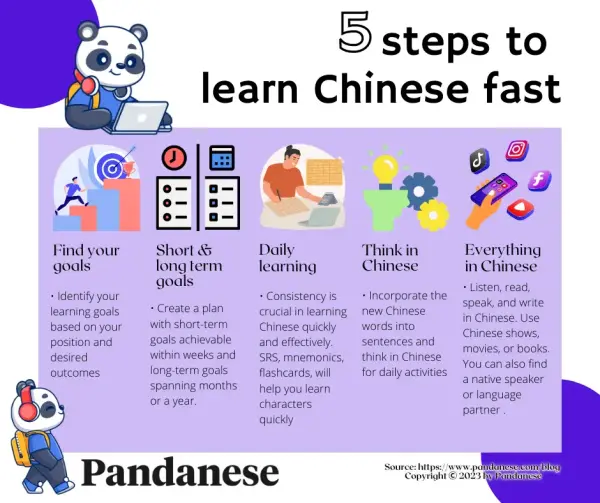
Immerse Yourself in Chinese Daily
The most effective way to practice Chinese is to immerse yourself in the language as much as possible. Surround yourself with authentic materials and real-life contexts to accelerate learning.
- Listen to Chinese podcasts or music during commutes to train your ear.
- Label household items with their Chinese names to reinforce vocabulary.
- Switch your phone or social media to Chinese for passive exposure.
Engage in Active Speaking Practice
Regular conversation practice is crucial for fluency. Speaking with native speakers or language partners helps refine pronunciation and build confidence.
See AlsoHow Long Is Duolingo Chinese Course: Time to Complete- Join language exchange platforms like Tandem or HelloTalk.
- Record yourself speaking and compare it to native audio.
- Practice shadowing by repeating dialogues from shows or videos.
Utilize Structured Learning Resources
Combining textbooks, apps, and courses ensures a balanced approach to grammar, vocabulary, and comprehension.
- Use apps like Pleco or Anki for spaced repetition flashcards.
- Follow a HSK-based curriculum for systematic progression.
- Watch YouTube tutorials focused on grammar points.
Write Regularly to Reinforce Characters
Writing Chinese characters by hand improves retention and understanding of stroke order.
- Keep a daily journal in Chinese, even with simple sentences.
- Copy articles or song lyrics to practice handwriting.
- Use grid paper to maintain proper character proportions.
Consume Native Media Content
Exposure to TV shows, movies, and news in Chinese enhances listening skills and cultural knowledge.
- Watch dramas with subtitles, gradually reducing reliance on them.
- Read children’s books or comics for accessible vocabulary.
- Follow Chinese influencers on social media for colloquial language.
Is it possible to self teach Chinese?

Is Self-Teaching Chinese Realistic?
Yes, it is entirely possible to self-teach Chinese, but it requires discipline, consistent practice, and the right resources. Unlike languages with alphabets, Chinese relies on characters (Hanzi), tones, and grammar patterns, which can be challenging but manageable with structured learning.
- Set clear goals: Define whether you aim for conversational fluency, reading, or writing.
- Use multimedia tools: Apps, videos, and podcasts can simulate immersion.
- Practice daily: Even 20–30 minutes of focused study can yield progress.
What Are the Best Resources for Learning Chinese Alone?
Choosing the right materials is critical for self-directed learners. A mix of textbooks, apps, and interactive platforms ensures balanced skill development.
- Textbooks: Integrated Chinese or New Practical Chinese Reader provide structured lessons.
- Apps: Duolingo, HelloChinese, and Anki for vocabulary drilling.
- Online tutors: Platforms like iTalki offer affordable speaking practice.
How Important Are Tones in Self-Teaching Chinese?
Tones are non-negotiable in Mandarin Chinese, as they change word meanings entirely. Mispronouncing tones can lead to misunderstandings, making them a priority for self-learners.
- Listen and mimic: Use YouTube channels like Yoyo Chinese for tone drills.
- Record yourself: Compare your pronunciation to native speakers.
- Tone pairs: Practice two-syllable combinations to master fluid speech.
Can You Learn Chinese Characters Without a Teacher?
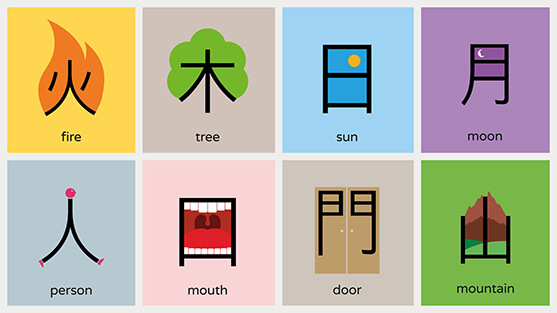
Yes, but it demands a systematic approach. Start with radicals (character components) and common characters before advancing to complex ones.
- Learn radicals first: Understand building blocks like 水 (water) or 人 (person).
- Use spaced repetition: Apps like Skritter reinforce character retention.
- Write regularly: Practice stroke order to improve recall.
How to Stay Motivated While Learning Chinese Solo?
Motivation often wanes without external accountability. Combat this by integrating Chinese into daily life and tracking progress.
- Consume media: Watch dramas (e.g., The Untamed) or listen to Mandarin music.
- Join communities: Reddit’s r/ChineseLanguage or Discord groups offer support.
- Celebrate milestones: Reward yourself for completing HSK levels or mastering 100 characters.
What is the best website to learn Chinese?
Best Overall Website for Learning Chinese
For a comprehensive approach to learning Chinese, Duolingo stands out due to its gamified lessons and structured curriculum. However, if you're looking for more in-depth study, Yabla Chinese offers authentic video content with interactive subtitles. Here’s why these platforms excel:
- Duolingo: Free, user-friendly, and great for beginners with bite-sized lessons.
- Yabla Chinese: Focuses on listening comprehension using real-world videos.
- HelloChinese: Tailored for Mandarin learners, with speech recognition for pronunciation practice.
Best for Structured Courses
If you prefer a classroom-like experience, Coursera and edX offer university-level Chinese courses. Here are the top options:
- Coursera: Hosts courses like Mandarin Chinese for Beginners from Peking University.
- edX: Provides free introductory courses with optional certifications.
- ChineseClass101: Delivers audio and video lessons with cultural insights.
Best for Interactive Practice
To practice speaking and writing, italki and Tandem connect learners with native speakers. Key features include:
- italki: Offers affordable 1-on-1 tutoring with professional teachers.
- Tandem: A language exchange app for real-time conversation practice.
- HelloTalk: Combines text, voice, and correction tools for peer learning.
Best for Vocabulary and Characters
For mastering Chinese characters, Pleco and Anki are indispensable tools. Their advantages:
- Pleco: A powerful dictionary app with flashcards and OCR for scanning text.
- Anki: Customizable flashcards with spaced repetition for long-term retention.
- Skritter: Specializes in writing practice with stroke-order guidance.
Best Free Resources
Budget-conscious learners should explore BBC Languages and Memrise. Highlights include:
- BBC Languages: Free introductory phrases and cultural notes.
- Memrise: Uses mnemonics and videos of native speakers.
- CSLPod: Free podcasts with slow-paced dialogues for beginners.
Can I learn Chinese in 1 month?

Is It Possible to Learn Chinese in 1 Month?
Learning Chinese in just 1 month is extremely challenging due to its complexity. However, you can achieve basic conversational skills with intense focus. Here’s what’s possible:
- Master pinyin: Learn the phonetic system to pronounce words correctly.
- Memorize essential phrases: Focus on greetings, questions, and daily interactions.
- Recognize common characters: Aim for 50-100 basic characters for reading signs or menus.
What Are the Key Challenges of Learning Chinese Quickly?
The biggest hurdles when trying to learn Chinese in a short time include:
- Tones: Mandarin has four tones, and mispronouncing them changes word meanings.
- Character memorization: Thousands of characters require repetitive practice.
- Grammar structure: Sentence patterns differ significantly from English.
How Many Hours a Day Should I Study to Learn Chinese in 1 Month?
To make noticeable progress, you’ll need a rigorous schedule:
- 3-5 hours daily: Dedicate time to listening, speaking, and writing.
- Immersion: Use apps, watch videos, and practice with native speakers.
- Active recall: Review flashcards or quizzes to reinforce memory.
What Resources Help Learn Chinese in 30 Days?
Effective tools can accelerate your learning:
- Language apps: Duolingo, HelloChinese, or Anki for vocabulary.
- YouTube tutorials: Channels like ChinesePod explain basics clearly.
- Language partners: Platforms like Tandem or iTalki for real-time practice.
What Realistic Goals Can I Set for 1 Month of Learning Chinese?
Avoid frustration by setting achievable targets:
- Survival phrases: Order food, ask for directions, or introduce yourself.
- Listening comprehension: Understand simple dialogues or announcements.
- Basic writing: Write short notes or recognize common symbols.
Frequently Asked Questions (FAQ)
How can I tell if my Chinese learning method is effective?
Effectiveness in language learning can be measured by your ability to retain vocabulary, construct sentences, and understand native speakers. If you find yourself struggling to recall words, frequently translating in your head, or unable to follow conversations, your method may need adjustment. A valid approach should balance listening, speaking, reading, and writing, while progressively increasing difficulty. Regular self-assessment through tests or real-life practice can help gauge progress.
What are common mistakes people make when learning Chinese?
Many learners focus too much on memorizing characters without practicing pronunciation or tones, leading to poor speaking skills. Others rely solely on textbook Chinese, which often lacks colloquial expressions used in daily life. Neglecting listening comprehension or avoiding conversation practice with native speakers are also common pitfalls. A well-rounded method should address these gaps by incorporating immersive techniques like watching Chinese media or language exchange.
Should I prioritize grammar or vocabulary when learning Chinese?
Both are crucial, but vocabulary often takes precedence in the early stages because knowing more words allows for basic communication, even with imperfect grammar. However, Chinese grammar, though simpler than many languages, has unique structures like measure words and word order rules that shouldn’t be ignored. A balanced approach is best: learn high-frequency words first while gradually introducing grammar concepts to form coherent sentences. Over time, integrating both will improve fluency.
How important is tone practice in Chinese, and how can I improve it?
Tones are critical in Chinese because they change the meaning of words entirely. Mispronouncing tones can lead to confusion (e.g., saying mā (mother) instead of mǎ (horse)). To improve, practice tone pairs and use shadowing techniques by mimicking native speakers. Tools like Pinyin charts or language apps with tone drills can help. Consistent feedback from teachers or language partners is also essential to correct mistakes early and build muscle memory for accurate pronunciation.
Leave a Reply
Related Posts