
Learning Chinese through audiobooks

Learning Chinese can be a challenging yet rewarding endeavor, and audiobooks offer a convenient and effective way to master the language. By immersing yourself in native speech patterns, tones, and vocabulary, audiobooks provide a practical tool for improving listening comprehension and pronunciation. Whether you're a beginner or an advanced learner, audiobooks cater to various proficiency levels, allowing you to progress at your own pace. They also expose you to cultural nuances and real-life conversations, making the learning process more engaging. With the flexibility to listen anytime, anywhere, audiobooks are an ideal resource for anyone looking to enhance their Chinese language skills efficiently.
Learning Chinese Through Audiobooks: An Effective Language Learning Method
Learning Chinese through audiobooks is an engaging and efficient way to improve your listening comprehension, pronunciation, and vocabulary. Unlike traditional methods, audiobooks provide real-life context, allowing learners to hear natural intonation and rhythm of the language. Whether you're a beginner or an advanced learner, incorporating Chinese audiobooks into your study routine can significantly enhance your fluency.
1. Why Choose Audiobooks for Learning Chinese?
Audiobooks offer immersive learning by exposing learners to authentic speech patterns and cultural nuances. Unlike textbooks, they help train the ear to recognize tones and colloquial expressions, which are crucial in Mandarin. Additionally, audiobooks allow for flexible learning—you can listen while commuting, exercising, or relaxing.
See AlsoCramming vs. spaced repetition: When to use which method to learn Chinese| Advantage | Description |
|---|---|
| Improved Listening | Helps distinguish tones and fast speech. |
| Pronunciation Practice | Mimicking native speakers enhances accuracy. |
| Contextual Learning | Understand words in real-life situations. |
2. Best Types of Chinese Audiobooks for Learners
Not all audiobooks are equally effective for language learning. Beginners should start with simplified stories or graded readers, while advanced learners can explore novels or non-fiction. Bilingual audiobooks (Chinese + English) are particularly helpful for comprehension.
| Type | Best For |
|---|---|
| Children's Stories | Beginners (simple vocabulary). |
| Graded Readers | Intermediate learners. |
| Podcasts with Transcripts | Listening + reading practice. |
3. How to Maximize Learning with Chinese Audiobooks
Passive listening alone isn’t enough—active engagement is key. Pause and repeat difficult phrases, shadow the speaker, and take notes on new words. Using subtitles or transcripts reinforces learning.
| Strategy | Effectiveness |
|---|---|
| Shadowing | Improves fluency and tone accuracy. |
| Repeating Sections | Strengthens retention. |
| Note-Taking | Expands vocabulary. |
4. Recommended Platforms for Chinese Audiobooks
Several platforms offer high-quality Chinese audiobooks, including Audible, Himalaya, and Ximalaya. Free resources like Librivox (public domain books) and YouTube channels also provide valuable content.
See AlsoWhat you intend to write is more important than the character you actually write| Platform | Features |
|---|---|
| Audible | Paid, professional narrations. |
| Ximalaya | Free & paid Chinese content. |
| YouTube | Free audiobooks with subtitles. |
5. Common Challenges and How to Overcome Them
Learners often struggle with fast speech or unfamiliar accents. To overcome this, start with slower-paced audiobooks and gradually increase difficulty. Using playback speed controls can also help.
| Challenge | Solution |
|---|---|
| Fast Narration | Adjust playback speed. |
| Complex Vocabulary | Use bilingual audiobooks. |
| Tonal Confusion | Repeat & mimic tones. |
Can you learn Chinese just by listening?

The Role of Listening in Learning Chinese
Listening is a fundamental part of acquiring any language, including Chinese. While it helps with pronunciation, intonation, and comprehension, relying solely on listening has limitations. Here’s why:
See AlsoWhy your Chinese isn’t as good as you think it ought to be- Passive learning: Listening alone doesn’t engage active recall or production, which are critical for fluency.
- Tonal challenges: Chinese is a tonal language, and mishearing tones can lead to misunderstandings without visual or written reinforcement.
- Limited vocabulary retention: Without context or repetition, words heard in isolation are harder to memorize.
Can You Achieve Fluency Only by Listening?
While listening can improve auditory comprehension, achieving fluency requires more. Here’s what’s missing:
- Grammar rules: Chinese syntax and sentence structures are complex and often require explicit study.
- Reading and writing: Characters (汉字) are essential for literacy and deeper cultural understanding.
- Speaking practice: Producing sounds and tones correctly demands active participation, not just passive listening.
Benefits of Learning Chinese Through Listening
Despite its limitations, listening offers significant advantages when combined with other methods:
- Improved pronunciation: Regular exposure helps mimic native speech patterns.
- Better listening comprehension: Familiarity with speed, accents, and colloquialisms grows over time.
- Cultural immersion: Audio content like podcasts or movies introduces cultural nuances.
Limitations of Learning Chinese Only by Listening
Relying exclusively on listening has clear drawbacks:
- No character recognition: You won’t learn to read or write, limiting communication.
- Incomplete grammar understanding: Spoken Chinese often omits grammatical particles, leading to gaps in knowledge.
- Lack of feedback: Without interaction, errors in tone or pronunciation go uncorrected.
How to Supplement Listening for Effective Learning
To maximize progress, combine listening with other strategies:
- Use subtitles: Pair audio with pinyin or characters to reinforce connections.
- Practice speaking: Repeat phrases aloud or engage in conversations.
- Study characters: Learn radicals and common components to build reading skills.
Can you learn Chinese by reading books?

The Role of Reading Books in Learning Chinese
Reading books can be a valuable tool for learning Chinese, but it should not be the only method used. Books provide structured content, vocabulary, and grammar rules, which are essential for building a foundation. However, Chinese is a tonal language with complex characters, so reading alone may not fully develop speaking or listening skills.
- Vocabulary Expansion: Books expose learners to a wide range of words and phrases.
- Grammar Understanding: Written texts help clarify sentence structures and grammar rules.
- Cultural Context: Books often include cultural references that deepen comprehension.
Types of Books Suitable for Learning Chinese
Choosing the right type of book is crucial for effective learning. Graded readers, textbooks, and bilingual books are particularly helpful for beginners. Advanced learners can benefit from novels, newspapers, or specialized literature.
- Graded Readers: Designed for language learners with controlled difficulty levels.
- Textbooks: Provide structured lessons and exercises.
- Bilingual Books: Offer translations side-by-side for easier understanding.
Limitations of Learning Chinese Through Books
While books are useful, they have limitations in teaching Chinese. The language's tonal nature and character complexity require additional practice beyond reading.
- Lack of Pronunciation Practice: Books cannot teach correct tones or pronunciation.
- Limited Interaction: Reading alone doesn’t improve conversational skills.
- Character Memorization: Writing and recognizing characters need repetitive practice.
Supplementing Book Learning with Other Methods
To master Chinese, combining books with other learning methods is essential. Listening, speaking, and writing practice should complement reading.
- Language Apps: Tools like Duolingo or Anki reinforce vocabulary.
- Conversation Practice: Speaking with native speakers improves fluency.
- Multimedia Resources: Videos and podcasts enhance listening skills.
Tips for Maximizing Book-Based Learning
To get the most out of reading books for Chinese, follow these strategies. Active engagement and consistency are key.
- Annotate Texts: Highlight and note unfamiliar words or phrases.
- Read Aloud: Practice pronunciation and tones while reading.
- Review Regularly: Revisit material to reinforce retention.
How long does it realistically take to learn Chinese?
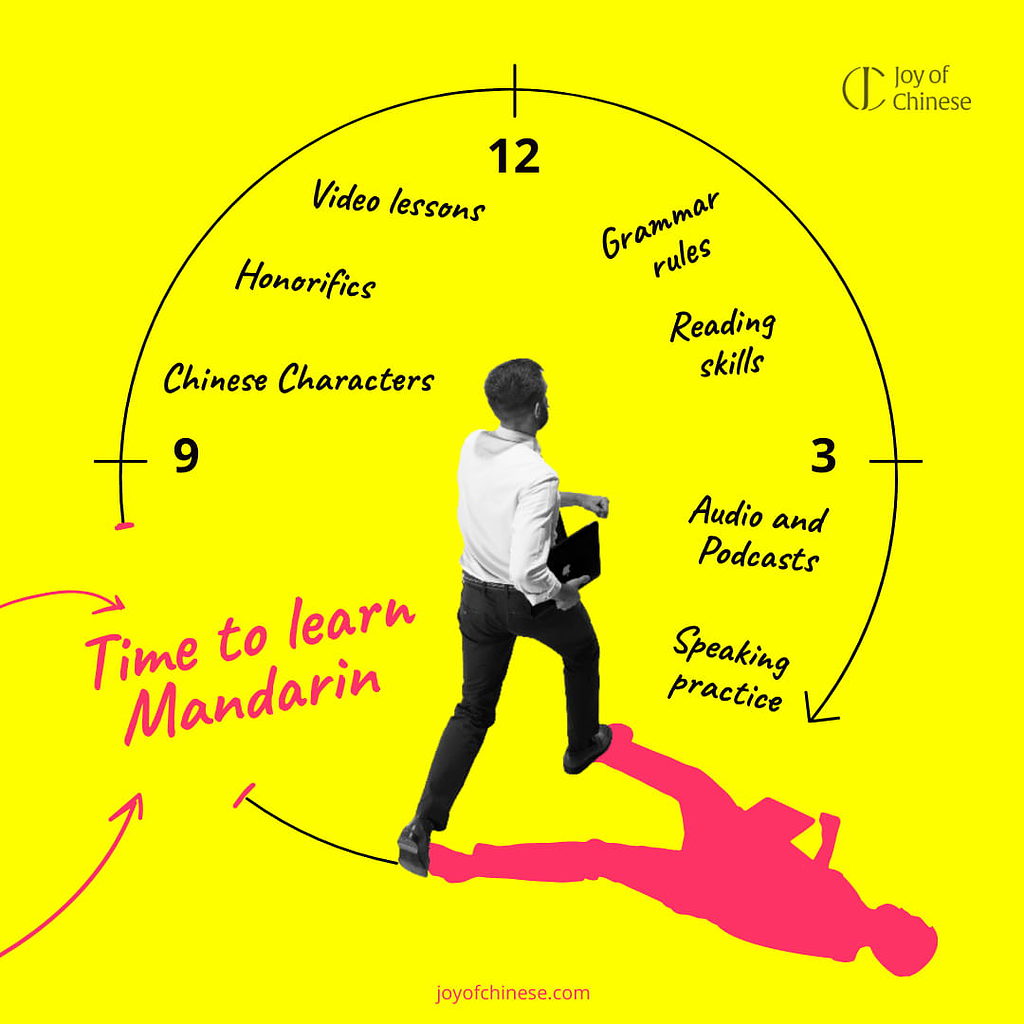
How Long Does It Take to Reach Basic Conversational Fluency in Chinese?
Achieving basic conversational fluency in Chinese typically takes 6 months to 1 year of consistent study, assuming daily practice and immersion. Key factors include:
- Study intensity: Dedication of 1–2 hours daily accelerates progress.
- Pinyin mastery: Learning pronunciation early is critical for speaking.
- Vocabulary: Knowing 500–1,000 common words enables simple dialogues.
How Many Years to Achieve Intermediate Proficiency in Chinese?
Reaching an intermediate level (HSK 3–4) usually requires 2–3 years of structured learning. Essential aspects:
- Grammar patterns: Understanding sentence structures like 把 (bǎ) and 被 (bèi).
- Character recognition: Mastering 1,000–2,000 characters for reading.
- Listening practice: Regular exposure to native content (e.g., podcasts, TV).
Can You Become Fluent in Chinese in 5 Years?
Advanced fluency (HSK 5–6) is attainable in 4–5 years with disciplined effort. Focus areas:
- Immersion: Living in a Chinese-speaking environment speeds up learning.
- Idiomatic expressions: Mastering colloquial phrases and chengyu (成语).
- Writing skills: Composing essays or reports with minimal errors.
What Accelerates the Learning Process for Chinese?
To reduce learning time, prioritize these strategies:
- Spaced repetition: Tools like Anki for vocabulary retention.
- Language partners: Practicing with native speakers weekly.
- Structured courses: Enrolling in programs with clear milestones.
Why Does Chinese Take Longer to Learn Than Other Languages?
Chinese is categorically harder for English speakers due to:
- Tonal system: Four tones + neutral tone affect meaning.
- Character-based writing: No phonetic alphabet; memorization-heavy.
- Cultural context: Nuances in politeness and indirect communication.
Frequently Asked Questions (FAQ)
What are the benefits of learning Chinese through audiobooks?
Audiobooks offer a highly effective way to learn Chinese by immersing learners in the language naturally. They help improve listening comprehension, pronunciation, and intonation by exposing students to native speakers. Unlike textbooks, audiobooks provide contextual learning, allowing learners to pick up vocabulary and grammar in real-life scenarios. Additionally, they are convenient for on-the-go learning, making it easy to practice during commutes or downtime.
How do I choose the right Chinese audiobook for my level?
Selecting the appropriate audiobook depends on your proficiency level. Beginners should opt for slow-paced narrations with simple vocabulary, often labeled as beginner-friendly or HSK 1-2. Intermediate learners can choose materials with more complex sentences and dialogues, while advanced learners may benefit from native-level content like novels or podcasts. Look for audiobooks with accompanying transcripts or translations to reinforce understanding.
Can audiobooks alone help me become fluent in Chinese?
While audiobooks are a powerful tool, fluency requires a combination of methods. Audiobooks excel at improving listening and speaking skills, but you should also practice reading, writing, and speaking with native speakers. Supplementing audiobooks with flashcards, language apps, or conversation practice will provide a more balanced approach to mastering Chinese.
How often should I listen to Chinese audiobooks to see progress?
Consistency is key—aim for at least 20-30 minutes daily to see noticeable improvement. Regular exposure helps reinforce retention and trains your ear to recognize tones and rhythms. For faster progress, combine listening with active practices like shadowing (repeating aloud) or summarizing what you hear. Over time, you'll notice enhanced comprehension and a more natural grasp of the language.
Leave a Reply
Related Posts