
How to Improve Chinese Pronunciation: Tips for Success

Mastering Chinese pronunciation can be challenging, especially for non-native speakers, but with the right techniques, significant improvement is achievable. Chinese is a tonal language, meaning the pitch and intonation of each syllable can change the word's meaning entirely. This article provides practical tips to refine your pronunciation, from understanding the four core tones to practicing with native speakers. Whether you're struggling with tricky sounds like zh, ch, or sh, or need help distinguishing between similar tones, these strategies will guide you toward clearer and more confident speech. Consistency and mindful practice are key—let’s explore how to make your Chinese sound more natural and accurate.
How to Improve Chinese Pronunciation: Tips for Success
1. Master the Four Tones of Mandarin
Mandarin Chinese is a tonal language, meaning the pitch or intonation used when pronouncing a word can change its meaning. The four main tones are:
| Tone | Description | Example (Pinyin) |
|---|---|---|
| First Tone | High and level | mā (mother) |
| Second Tone | Rising | má (hemp) |
| Third Tone | Falling then rising | mǎ (horse) |
| Fourth Tone | Sharp and falling | mà (scold) |
Practice each tone with a native speaker or audio resources to ensure accuracy.
See AlsoIs Learning Chinese Hard? The 5 Critical Points2. Focus on Difficult Sounds: Pinyin Pronunciation
Some Chinese sounds don’t exist in English, making them challenging. Pay attention to:
- Retroflex consonants (zh, ch, sh, r)
- Aspirated vs. unaspirated sounds (e.g., p vs. b)
- Vowel sounds like ü (as in nǚ – woman)
Use tongue twisters and repetition to train your mouth muscles.
3. Listen and Imitate Native Speakers
Immersion is key. Improve by:
See AlsoHow to find out how good your Chinese pronunciation really is- Watching Chinese TV shows or movies with subtitles.
- Listening to Chinese podcasts or music.
- Repeating phrases from language apps like HelloChinese or Pimsleur.
Mimic the rhythm and intonation to sound more natural.
4. Practice with Tongue Twisters and Minimal Pairs
Tongue twisters (绕口令 ràokǒulìng) help refine pronunciation. Examples:
- Sì shì sì, shí shì shí (Four is four, ten is ten).
- Chī pútao bù tǔ pútao pí (Eating grapes without spitting skins).
Minimal pairs (words with slight sound differences) also sharpen accuracy.
See AlsoChineseClass101 Review - Should I Use It?5. Record and Compare Your Pronunciation
Use your phone or a recording app to:
- Record yourself reading Pinyin or sentences.
- Compare your pronunciation to native speakers.
- Identify and correct recurring mistakes.
Regular self-assessment accelerates improvement.
How to get better at Chinese pronunciation?

Master the Four Tones of Mandarin Chinese
Improving your Chinese pronunciation starts with mastering the four tones of Mandarin. Each tone changes the meaning of a word, so accuracy is crucial.
- First tone (high and flat): Practice sustaining a steady high pitch, like singing a musical note.
- Second tone (rising): Mimic the upward inflection of a question in English (e.g., Really?).
- Third tone (falling-rising): Start mid, dip low, then rise slightly—focus on the curve.
- Fourth tone (sharp falling): Emphasize a quick, strong drop, like a command (Stop!).
Use Pinyin as a Pronunciation Guide
Pinyin is the romanization system for Chinese characters and is essential for learning accurate pronunciation.
- Study Pinyin charts: Familiarize yourself with initials (consonants) and finals (vowels).
- Listen and repeat: Use audio resources to match your pronunciation with native speakers.
- Practice tricky sounds: Focus on difficult pairs like zh vs. j or x vs. sh.
Imitate Native Speakers
Shadowing native speakers helps internalize correct intonation and rhythm.
- Watch Chinese media: Repeat lines from movies, TV shows, or podcasts.
- Use language apps: Apps like HelloTalk or Pleco offer pronunciation drills with feedback.
- Record yourself: Compare your speech to natives and adjust accordingly.
Practice with Tongue Twisters
Chinese tongue twisters (绕口令) train your mouth to handle complex sounds.
- Start simple: Try 四是四,十是十 (sì shì sì, shí shì shí) to distinguish s and sh.
- Graduate to harder ones: Challenge yourself with longer twisters as you improve.
- Focus on clarity: Prioritize accuracy over speed initially.
Get Feedback from a Teacher or Language Partner
Regular feedback is vital to correct mistakes early.
- Work with a tutor: A teacher can pinpoint errors and provide drills.
- Join language exchanges: Platforms like Tandem connect you with native speakers.
- Attend pronunciation workshops: Structured classes offer targeted practice.
How to improve your Chinese speaking?

Practice Speaking Daily with Native Speakers
One of the most effective ways to improve your Chinese speaking is by engaging in daily conversations with native speakers. This helps you get accustomed to pronunciation, tones, and colloquial expressions.
- Use language exchange apps like Tandem or HelloTalk to find partners.
- Join Chinese-speaking communities or clubs to immerse yourself.
- Record yourself speaking and compare it to native pronunciations.
Learn and Master Chinese Tones
Tones are crucial in Chinese, as they change the meaning of words. Mispronouncing them can lead to misunderstandings.
- Practice the four main tones (flat, rising, falling-rising, falling) daily.
- Use apps like Pinyin Trainer to drill tone recognition.
- Listen to native speakers and mimic their intonation patterns.
Expand Your Vocabulary with Common Phrases
Building a strong vocabulary foundation helps you express ideas more naturally in spoken Chinese.
- Focus on high-frequency words and phrases used in daily life.
- Label objects around your home with their Chinese names.
- Use flashcards or apps like Anki for spaced repetition.
Watch Chinese TV Shows and Listen to Podcasts
Exposure to authentic content improves listening comprehension and speaking fluency.
- Watch Chinese dramas or movies with subtitles, then without.
- Listen to Chinese podcasts on topics you enjoy.
- Repeat dialogues aloud to practice pronunciation and rhythm.
Take Formal Chinese Speaking Classes
Structured lessons with a qualified teacher can accelerate your progress.
- Enroll in online courses (e.g., Coursera, iTalki) for guided practice.
- Participate in group classes to practice with peers.
- Get personalized feedback on your pronunciation and grammar.
How to improve Mandarin tones?
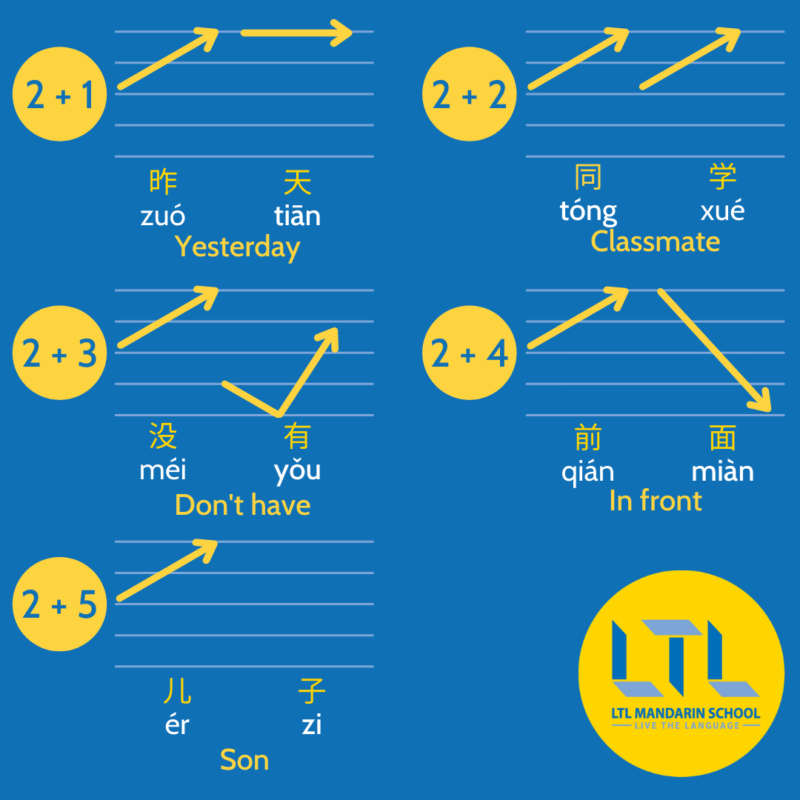
Understanding the Four Mandarin Tones
To improve your Mandarin tones, start by mastering the four basic tones: flat (first tone), rising (second tone), falling-rising (third tone), and falling (fourth tone). Each tone changes the meaning of a word, so accuracy is crucial.
- Listen to native speakers and mimic their pronunciation.
- Practice with tone pairs to understand how tones interact.
- Record yourself and compare it to native audio.
Using Tone Drills and Exercises
Regular tone drills help reinforce muscle memory and improve accuracy. Focus on repetitive practice to train your ear and voice.
- Repeat single syllables with each tone.
- Use flashcards with pinyin and audio.
- Engage in tone differentiation exercises.
Leveraging Technology and Apps
Modern tools like language apps and software can provide instant feedback on your tone pronunciation.
- Try apps like Pleco or HelloChinese.
- Use speech recognition features to test accuracy.
- Watch YouTube tutorials with tone demonstrations.
Practicing with Native Speakers
Conversing with native speakers is one of the most effective ways to refine your tones.
- Join language exchange programs.
- Ask for feedback on your pronunciation.
- Shadow native speakers in real-time.
Incorporating Tones into Daily Learning
Make tone practice a daily habit by integrating it into your routine.
- Label objects with their tones.
- Sing Mandarin songs to practice tone flow.
- Read aloud with focus on tonal accuracy.
Frequently Asked Questions (FAQ)
What are the most effective ways to improve Chinese pronunciation?
Consistent practice is the cornerstone of improving Chinese pronunciation. Start by listening to native speakers through podcasts, movies, or language apps to internalize the sounds. Mimicking their speech helps train your mouth and ears. Additionally, pinyin (the romanization system for Chinese) is essential for understanding tones and syllables. Use tools like voice recording apps to compare your pronunciation with native speakers and identify areas for improvement. Finally, working with a language partner or tutor can provide real-time feedback and corrections.
How important are tones in Chinese pronunciation, and how can I master them?
Tones are critical in Chinese because they change the meaning of words entirely. Mandarin has four main tones (plus a neutral tone), and mispronouncing them can lead to misunderstandings. To master tones, practice them in isolation first—repeat each tone with simple syllables like ma. Use mnemonic devices or visual aids (like hand gestures) to remember pitch patterns. Apps like Pleco or HelloChinese offer tone drills, and shadowing exercises (repeating after native speakers) can help reinforce correct tonal patterns in context.
What common mistakes should I avoid when learning Chinese pronunciation?
Many learners struggle with neglecting tones, as mentioned, but other pitfalls include ignoring the q, x, and zh sounds, which don’t exist in English. Over-relying on English phonetics can also lead to mispronunciations—for example, xi isn’t pronounced like she. Another mistake is speaking too quickly before mastering basics; slow, deliberate practice is key. Lastly, avoid skipping mouth positioning exercises—Chinese requires specific tongue and lip placements for sounds like ü or retroflex consonants (e.g., sh, r).
Can technology help improve my Chinese pronunciation, and what tools are best?
Absolutely! Language apps like Duolingo, HelloChinese, or Anki offer pronunciation drills and flashcards. For tone practice, apps like Speechling provide feedback from native speakers. YouTube channels (e.g., Yoyo Chinese) and podcasts (like ChinesePod) expose you to natural speech. Advanced tools include AI-powered platforms (e.g., Elsa Speak) that analyze your pronunciation in real time. Don’t forget online dictionaries like Pleco, which include audio examples for every word. Combining these tools with consistent practice will accelerate your progress.
Leave a Reply
Related Posts