
A Guide to All Dialects of Chinese

Chinese, one of the world’s oldest and most widely spoken languages, boasts a rich tapestry of dialects that reflect the country’s diverse cultural and regional heritage. From the tonal intricacies of Cantonese to the widespread use of Mandarin as the official standard, each dialect offers unique linguistic features and historical significance. This guide explores the major Chinese dialects, including Wu, Min, Hakka, and others, shedding light on their distinct pronunciations, vocabularies, and grammatical nuances. Whether you're a language enthusiast, traveler, or learner, understanding these dialects provides deeper insight into China’s linguistic landscape and the communities that keep these vibrant traditions alive.
A Comprehensive Guide to All Dialects of Chinese
1. Understanding the Major Chinese Dialect Groups
Chinese dialects can be broadly categorized into several major groups, each with distinct linguistic features. The most prominent is Mandarin (普通话), the official language of China. Other key groups include Cantonese (粤语), widely spoken in Guangdong and Hong Kong; Wu (吴语), prevalent in Shanghai and Zhejiang; Min (闽语), dominant in Fujian and Taiwan; and Hakka (客家话), used by the Hakka people.
| Dialect Group | Primary Regions | Notable Features |
|---|---|---|
| Mandarin | Nationwide | Four tones, simplified characters |
| Cantonese | Guangdong, Hong Kong | Six to nine tones, traditional characters |
| Wu | Shanghai, Zhejiang | Complex tone sandhi |
| Min | Fujian, Taiwan | Diverse sub-dialects |
| Hakka | Southern China | Similar to Gan dialect |
2. The Role of Mandarin as the Official Language
Mandarin, based on the Beijing dialect, serves as China's official language and is taught in schools nationwide. It uses simplified characters and has a relatively straightforward tonal system compared to other dialects. Its dominance in media, government, and education makes it essential for communication across different regions.
See AlsoYou can’t learn Chinese characters by rote| Aspect | Details |
|---|---|
| Characters | Simplified |
| Tones | Four main tones |
| Usage | Official, education, media |
3. Cantonese: A Dialect with Global Influence
Cantonese is renowned for its cultural significance, especially in Hong Kong and overseas Chinese communities. It preserves traditional characters and has a more complex tonal system (6–9 tones). Cantonese is also widely used in films, music, and cuisine, contributing to its global appeal.
| Feature | Description |
|---|---|
| Tones | 6–9, depending on sub-dialect |
| Writing System | Traditional characters |
| Cultural Impact | Strong in media and diaspora |
4. The Unique Characteristics of Wu Dialect
The Wu dialect, spoken in Shanghai and surrounding areas, is notable for its tone sandhi—a phenomenon where tones change based on context. It lacks official status but remains vital in local commerce and culture.
| Trait | Details |
|---|---|
| Tone Sandhi | Complex tonal shifts |
| Regions | Shanghai, Zhejiang, Jiangsu |
| Status | Unofficial but widely spoken |
5. Min and Hakka: Lesser-Known but Significant Dialects
Min dialects, including Hokkien and Teochew, are prominent in Fujian and Taiwan, while Hakka is spoken by migratory communities in southern China. Both retain ancient linguistic features lost in other dialects.
See Also10 of the Best Chinese Graded Readers and Where to Find Them| Dialect | Key Traits |
|---|---|
| Min | Diverse sub-varieties, ancient roots |
| Hakka | Shared features with Gan |
How many Chinese dialects are there in total?

What Defines a Chinese Dialect?
The term Chinese dialect refers to the regional linguistic variations within China, which can differ significantly in pronunciation, vocabulary, and grammar. While some linguists classify them as separate languages, they are often grouped under the umbrella of Chinese due to shared cultural and historical ties. Key distinctions include:
- Mutual intelligibility: Some dialects, like Mandarin and Cantonese, are not mutually intelligible.
- Written system: Most dialects use the same Chinese characters but may have unique colloquial expressions.
- Geographical distribution: Dialects often align with regional boundaries, such as Shanghainese in Shanghai or Hokkien in Fujian.
How Many Major Chinese Dialect Groups Exist?
Chinese dialects are broadly categorized into seven to ten major groups, depending on classification criteria. The most widely recognized groups include:
See AlsoFocusing on communication to learn Chinese- Mandarin (官话): The most spoken, including Standard Chinese (Putonghua).
- Wu (吴语): Spoken in Shanghai and Zhejiang.
- Cantonese (粤语): Predominant in Guangdong and Hong Kong.
- Min (闽语): Includes Hokkien and Teochew.
- Hakka (客家话): Used by the Hakka people across southern China.
Are There Hundreds of Sub-Dialects?
Beyond the major groups, China has hundreds of sub-dialects, often specific to towns or villages. For example:
- Within Mandarin: Beijing dialect differs from Sichuanese.
- In Wu dialects: Shanghainese contrasts with Suzhounese.
- Min dialects: Hokkien varies between Xiamen and Taiwan.
How Does the Chinese Government Classify Dialects?
The Chinese government officially recognizes 56 ethnic groups, but dialect classification focuses on linguistic criteria. Key points:
- Promotion of Putonghua: Standard Mandarin is encouraged nationwide.
- Regional tolerance: Local dialects are preserved but not used in official contexts.
- Academic studies: Linguists document dialects, some of which are endangered.
Why Is Counting Chinese Dialects Controversial?
The total number of Chinese dialects is debated due to:
See AlsoShould you use an efficient method for learning Chinese even if you hate it?- Linguistic vs. political definitions: Some argue Min or Cantonese are separate languages.
- Rapid urbanization: Younger generations abandon dialects for Mandarin.
- Lack of standardization: Many rural dialects lack written records.
What are the 7 dialects of China?
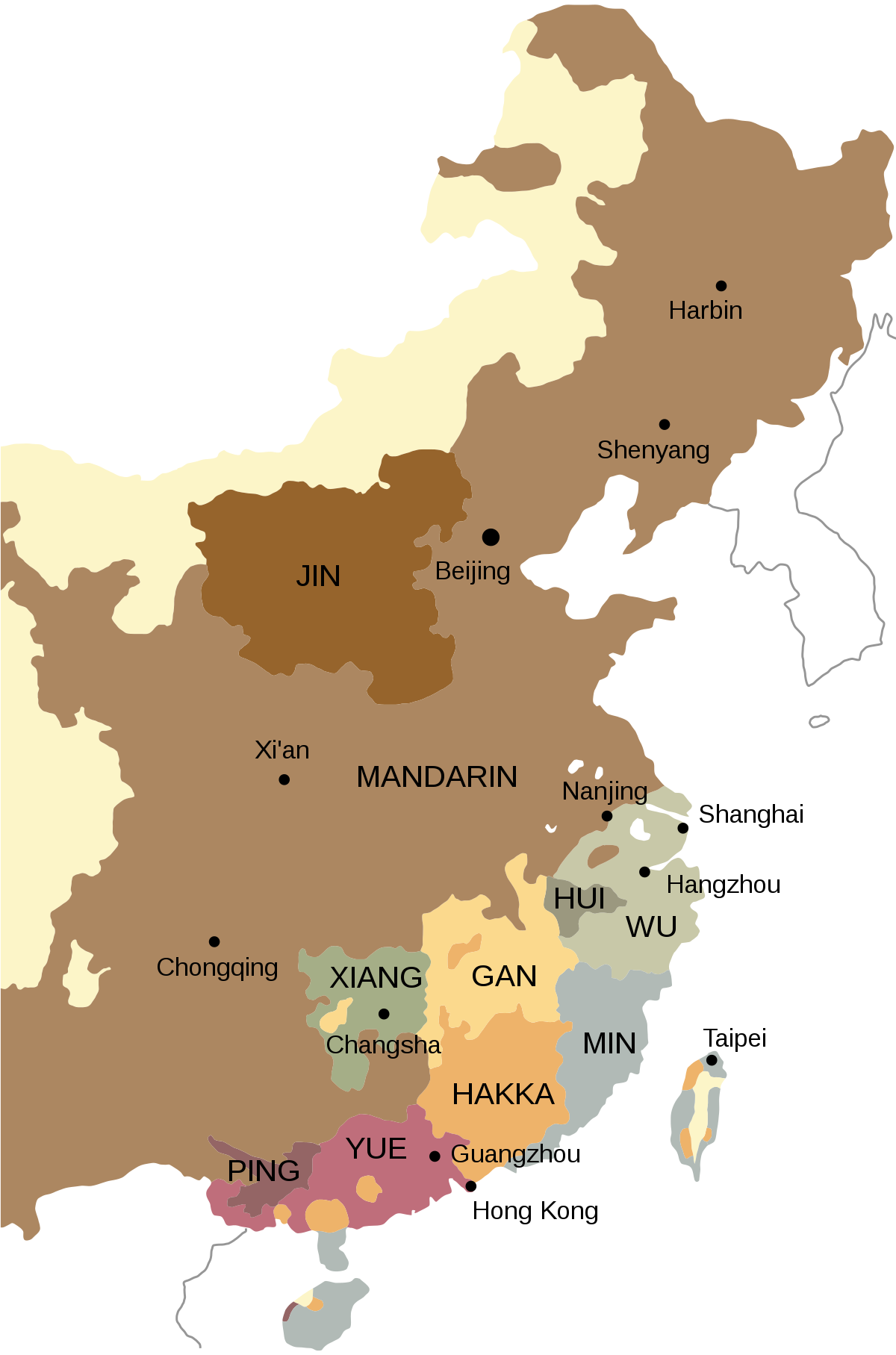
The 7 Major Dialects of China
China is home to a rich linguistic diversity, with seven major dialect groups forming the backbone of its spoken languages. These dialects vary significantly in pronunciation, vocabulary, and grammar, often making mutual intelligibility difficult. Below is a detailed breakdown of these dialects:
- Mandarin (官话) - The most widely spoken dialect, serving as the official language of China.
- Wu (吴语) - Predominantly spoken in Shanghai and Zhejiang province.
- Cantonese (粤语) - Common in Guangdong, Hong Kong, and Macau.
- Min (闽语) - Includes variants like Hokkien and Teochew, spoken in Fujian and Taiwan.
- Hakka (客家话) - Used by the Hakka people across southern China.
- Xiang (湘语) - Primarily found in Hunan province.
- Gan (赣语) - Spoken in Jiangxi province.
Mandarin: The Dominant Dialect
Mandarin, also known as Putonghua, is the most influential dialect in China. It serves as the lingua franca and is taught in schools nationwide. Key features include:
- Four distinct tones that change word meanings.
- Simplified grammar compared to other dialects.
- Used in media, government, and education.
Wu Dialect: The Language of Shanghai
The Wu dialect is renowned for its soft, flowing tones and is primarily spoken in the Yangtze River Delta. Notable characteristics:
- Features a complex tone system with up to eight tones.
- Includes Shanghainese as a prominent sub-dialect.
- Retains many archaic Chinese pronunciations.
Cantonese: The Voice of Southern China
Cantonese is a vibrant dialect with deep cultural roots, especially in Hong Kong and Guangdong. Key aspects:
- Uses nine tones, making it one of the most tonal dialects.
- Widely represented in Cantopop and cinema.
- Preserves classical Chinese vocabulary.
Min, Hakka, Xiang, and Gan: Regional Varieties
These four dialects are lesser-known but equally significant in China's linguistic landscape. Highlights:
- Min - Divided into Northern and Southern Min, with Hokkien being the most recognizable.
- Hakka - Spoken by migratory communities, known for its resilient cultural identity.
- Xiang - Features a mix of Mandarin and Gan influences.
- Gan - Shares similarities with Hakka but has unique phonetic traits.
What is the most useful Chinese dialect to learn?
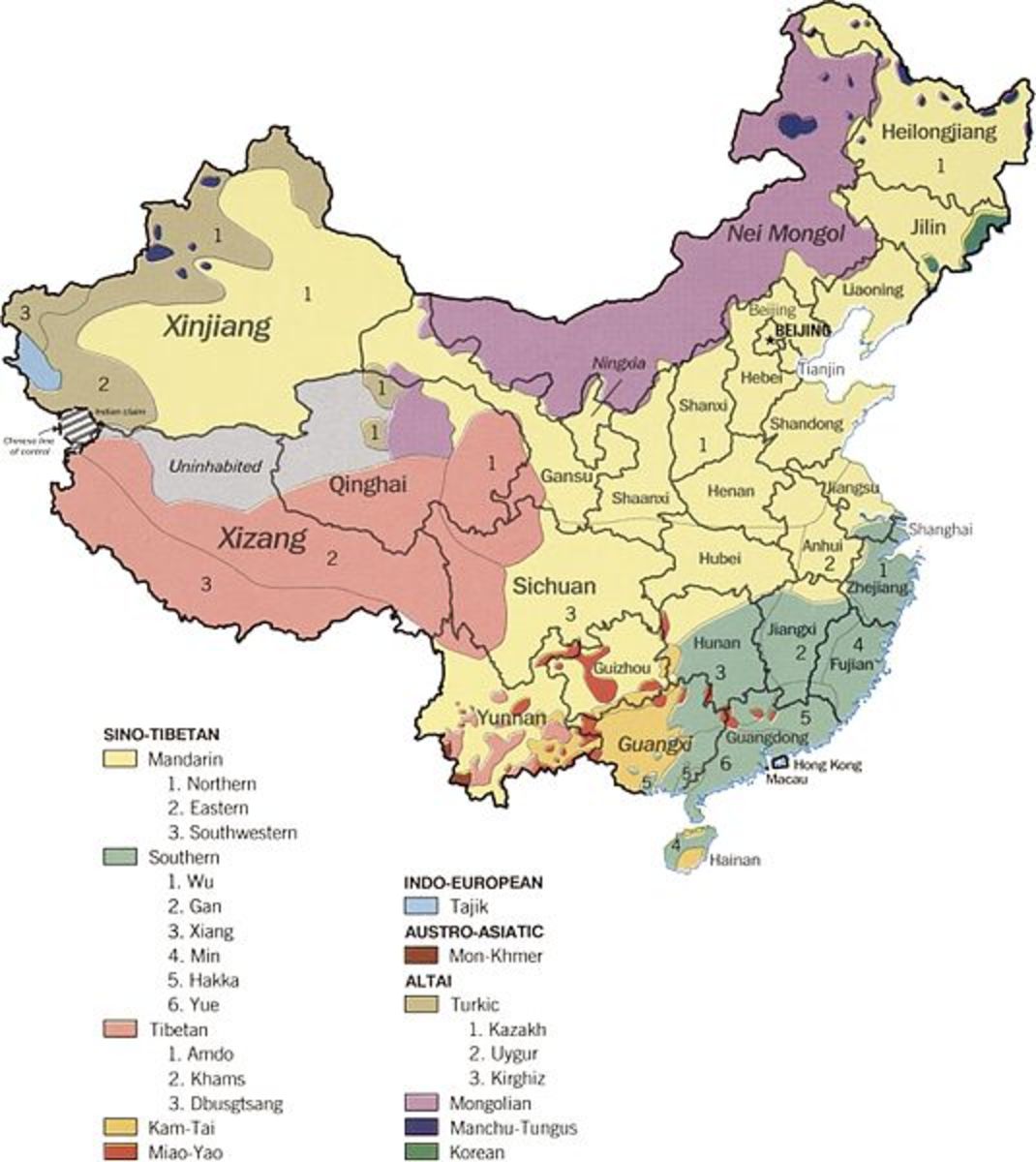
Why Mandarin Chinese is the Most Useful Chinese Dialect
Mandarin Chinese, specifically Standard Mandarin (Putonghua), is the most useful Chinese dialect to learn due to its status as the official language of China, Taiwan, and Singapore. It is spoken by over 1 billion people worldwide and serves as the primary language for business, education, and media. Here’s why:
- Official Language: Used in government, schools, and national broadcasts across China.
- Global Relevance: Essential for international trade, diplomacy, and cultural exchange.
- Simplified Writing System: Uses standardized characters, making literacy more accessible.
Cantonese: Its Regional Importance and Limitations
Cantonese (Yue) is widely spoken in Guangdong, Hong Kong, and Macau, but its utility is more regional compared to Mandarin. While important for local business and culture, its global reach is limited. Key points:
- Regional Use: Dominates in southern China and overseas Chinese communities.
- Complex Tones: Has six to nine tones, making pronunciation challenging for learners.
- Declining Influence: Mandarin is increasingly replacing Cantonese in official settings.
Hokkien: A Dialect with Strong Overseas Communities
Hokkien (Min Nan) is prominent in Fujian, Taiwan, and Southeast Asian Chinese diasporas. Though not as widespread as Mandarin, it holds cultural significance. Considerations:
- Diaspora Language: Widely spoken in Malaysia, Singapore, and the Philippines.
- Cultural Preservation: Key for traditional opera, cuisine, and family communication.
- Limited Official Use: Not standardized, reducing its practicality in formal contexts.
Shanghainese: A Localized but Influential Dialect
Shanghainese (Wu dialect) is spoken in Shanghai and surrounding areas, reflecting the city’s economic power. However, its usefulness is niche:
- Economic Hub: Useful for business in Shanghai but overshadowed by Mandarin.
- Declining Speakers: Younger generations increasingly prefer Mandarin.
- Unique Phonetics: Distinct pronunciation and vocabulary, adding complexity.
Other Chinese Dialects: Niche Uses and Challenges
Dialects like Hakka, Teochew, or Sichuanese have cultural value but limited practicality for learners. Factors to weigh:
- Geographic Concentration: Spoken in specific regions with few external applications.
- Lack of Resources: Fewer learning materials compared to Mandarin or Cantonese.
- Cultural Connection: Ideal for heritage learners or niche academic interests.
What is the rarest language in China?

The rarest language in China is Manchu, a Tungusic language once spoken by the ruling class of the Qing Dynasty. Today, it is critically endangered, with fewer than 20 native speakers remaining, mostly elderly individuals in remote villages of Heilongjiang and Jilin provinces. The language has been largely replaced by Mandarin due to assimilation policies and cultural shifts.
- Historical Significance: Manchu was the official language of the Qing Dynasty (1644–1912) and played a key role in China's governance.
- Current Status: UNESCO classifies Manchu as critically endangered, with almost no fluent speakers among younger generations.
- Revival Efforts: Some academic institutions and cultural groups are working to document and revive the language through textbooks and digital resources.
Why is Manchu considered the rarest language in China?
Manchu is considered the rarest due to its near-extinction and minimal usage in modern society. Once a dominant language, it has been overshadowed by Mandarin, China's official language.
- Lack of Speakers: Only a handful of elderly native speakers remain, with no significant transmission to younger generations.
- Cultural Shift: The Manchu people largely adopted Mandarin after the fall of the Qing Dynasty.
- Limited Documentation: Few written records or educational materials exist to facilitate learning.
Where is Manchu still spoken in China?
Manchu is primarily spoken in isolated rural areas of northeastern China, particularly in Heilongjiang and Jilin provinces.
- Sanjiazi Village: A small community in Heilongjiang where some elderly speakers reside.
- Qiqihar: A city with historical Manchu influence, though the language is rarely used today.
- Academic Circles: A few universities and research institutes study Manchu linguistics.
What efforts are being made to preserve Manchu?
Several initiatives aim to revitalize Manchu, though challenges remain due to its critically endangered status.
- Digital Archives: Projects like the Manchu Language Database compile texts and recordings.
- Educational Programs: Some universities offer Manchu courses, though enrollment is low.
- Cultural Festivals: Events in northeastern China celebrate Manchu heritage, including language workshops.
How does Manchu compare to other endangered languages in China?
Manchu is among the most endangered, but other minority languages like Tujia and Hezhen also face extinction.
- Speaker Count: Manchu has fewer native speakers than Tujia, which still has around 70,000 speakers.
- Government Support: Unlike Tibetan or Uyghur, Manchu lacks institutional backing for preservation.
- Linguistic Uniqueness: As a Tungusic language, Manchu is linguistically distinct from Sino-Tibetan languages like Mandarin.
Frequently Asked Questions (FAQ)
What are the main dialects of Chinese covered in this guide?
This guide provides a comprehensive overview of the major Chinese dialects, including Mandarin (the official language of China), Cantonese (widely spoken in Guangdong, Hong Kong, and Macau), Hokkien (predominant in Fujian and Taiwan), and Shanghainese (used in the Shanghai region). Additionally, it explores lesser-known dialects like Hakka and Teochew, highlighting their unique phonetic, lexical, and grammatical differences.
How do Chinese dialects differ from each other?
Chinese dialects vary significantly in pronunciation, vocabulary, and even grammar. For example, Mandarin uses four tones, while Cantonese employs six to nine tones, making it more complex phonetically. Regional vocabulary also differs—what is called potato in Mandarin (tǔdòu) might be referred to as maa4 ling4 in Cantonese. Some dialects, like Hokkien, retain ancient Chinese linguistic features lost in Mandarin.
Is it necessary to learn multiple Chinese dialects?
While Mandarin is sufficient for most practical purposes in China, learning additional dialects like Cantonese or Hokkien can be beneficial for cultural immersion, business, or connecting with specific communities. For instance, Cantonese is essential for engaging deeply with Hong Kong's media and local culture. However, due to mutual unintelligibility between dialects, mastering multiple ones requires significant effort.
Are Chinese dialects at risk of disappearing?
Some regional dialects, particularly those spoken by smaller communities, are indeed declining due to the dominance of Mandarin in education and media. However, efforts are being made to preserve dialects like Shanghainese and Hakka through local initiatives and digital platforms. Younger generations are also showing renewed interest in their linguistic heritage, which may help sustain these dialects in the long term.
Leave a Reply
Related Posts