
10 of the Best Chinese Graded Readers and Where to Find Them

Learning Chinese can be a rewarding yet challenging journey, and graded readers are an excellent tool to build vocabulary, improve comprehension, and gain cultural insights. Designed for learners at different proficiency levels, these books simplify complex texts while keeping content engaging and authentic. Whether you're a beginner or an advanced student, Chinese graded readers offer structured learning with stories, essays, and articles tailored to your level. In this article, we explore ten of the best Chinese graded readers available today, highlighting their unique features and where to find them. Discover the perfect resource to enhance your reading skills and deepen your understanding of the Chinese language.
10 of the Best Chinese Graded Readers and Where to Find Them
1. What Are Chinese Graded Readers?
Chinese Graded Readers are books designed for language learners, categorized by proficiency levels (e.g., beginner, intermediate, advanced). They use controlled vocabulary and grammar to help learners improve gradually. These readers often include pinyin, translations, and audio support to enhance comprehension.
| Feature | Benefit |
|---|---|
| Level-based content | Tailored to learner’s skills |
| Pinyin annotations | Aids pronunciation |
| Glossaries | Expands vocabulary |
2. Top 3 Beginner-Friendly Chinese Graded Readers
For beginners, these readers focus on high-frequency words and simple sentences:
- Mandarin Companion (Level 1) – Adapts Western classics into easy Chinese.
- Chinese Breeze – Offers engaging stories with audio support.
- Rainbow Bridge – Introduces cultural themes with illustrations.
| Title | Key Feature |
|---|---|
| Mandarin Companion | Adapted stories |
| Chinese Breeze | Audio included |
| Rainbow Bridge | Cultural focus |
3. Intermediate Chinese Graded Readers for Vocabulary Building
Intermediate learners benefit from readers like:
- The Lady in the Painting (Mandarin Companion Level 2) – Expands idiomatic expressions.
- Journey to the Center of the Earth (Chinese Breeze) – Blends adventure with complex grammar.
- Graded Chinese Reader 500 Words – Uses HSK-aligned vocabulary.
| Reader | Focus Area |
|---|---|
| The Lady in the Painting | Idioms |
| Journey to the Center... | Grammar structures |
| Graded Chinese Reader | HSK vocabulary |
4. Advanced Chinese Graded Readers for Fluency
Advanced readers challenge learners with authentic language:
- Dream of the Red Chamber (Abridged) – Introduces classical Chinese elements.
- Contemporary Chinese Short Stories – Features modern literary styles.
- The Tea House – Explores historical contexts.
| Title | Difficulty |
|---|---|
| Dream of the Red Chamber | Classical Chinese |
| Contemporary Short Stories | Modern literature |
| The Tea House | Historical themes |
5. Where to Buy or Access Chinese Graded Readers
Find these readers on:
- Amazon (print/Kindle editions).
- Mandarin Companion’s website (bundles with audio).
- Local libraries (often free rentals).
- Platforms like Pleco (digital versions).
| Source | Format |
|---|---|
| Amazon | Print/eBook |
| Mandarin Companion | Audio bundles |
| Pleco | Digital |
What are the levels of graded readers?
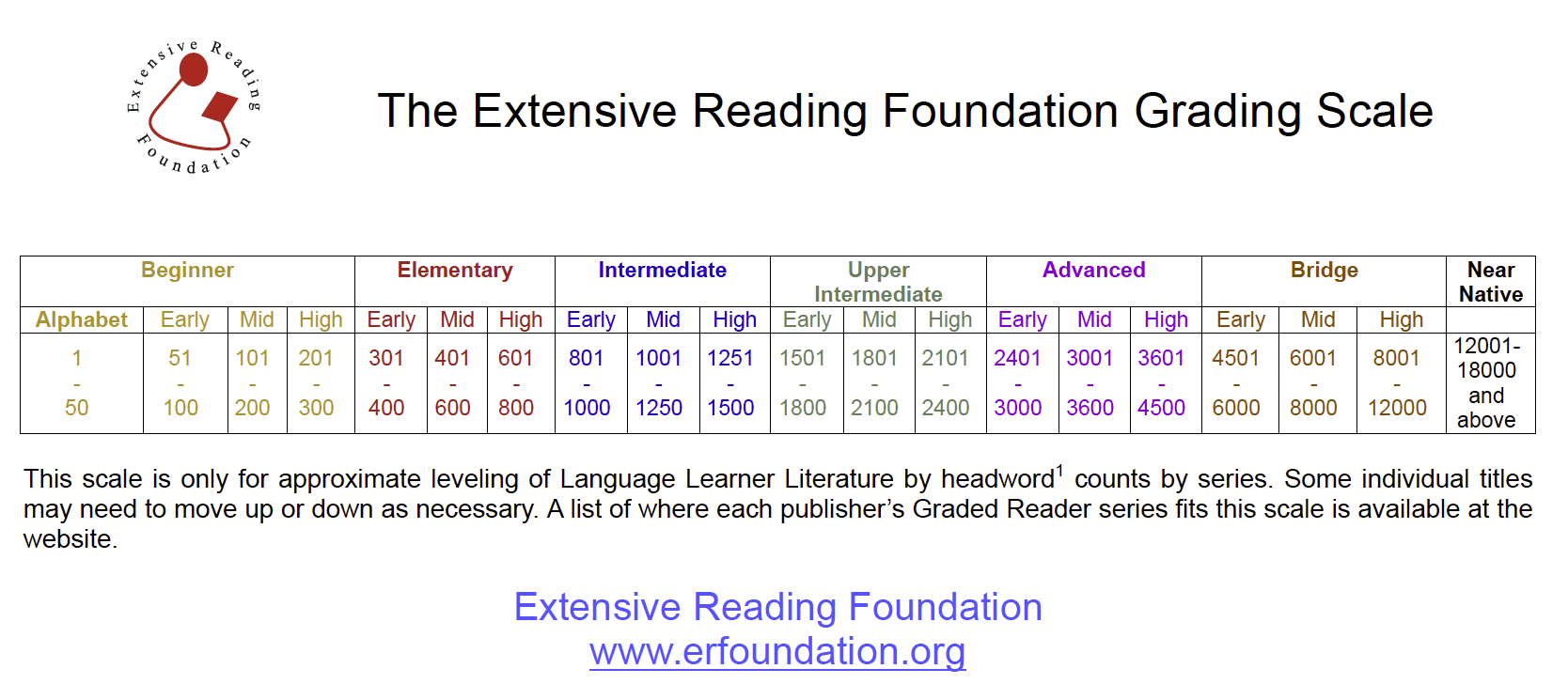
Understanding the Purpose of Graded Readers
Graded readers are books specifically designed for language learners, adjusted to different proficiency levels to facilitate gradual improvement. They serve as a bridge between beginner and advanced comprehension by offering controlled vocabulary and grammar. Key purposes include:
- Enhancing vocabulary through context-appropriate word usage.
- Building reading fluency by adapting sentence structures to the learner's level.
- Boosting confidence with accessible content that avoids overwhelming complexity.
Common Grading Systems for Readers
Several grading systems categorize readers based on difficulty. The most widely recognized frameworks include:
See AlsoIs Learning Chinese Worth It? The Complete Guide- CEFR levels (A1, A2, B1, B2, C1, C2) used in European language education.
- Lexile measures, which quantify text complexity numerically.
- Publisher-specific scales, such as Oxford's Bookworms or Penguin Readers.
Beginner Levels (A1-A2)
Beginner-level graded readers feature simple language, repetitive structures, and high-frequency words. Characteristics include:
- Limited vocabulary (300–1,200 words).
- Short sentences and basic grammar (present tense, simple questions).
- Illustrations or glossaries to aid comprehension.
Intermediate Levels (B1-B2)
Intermediate readers introduce more complex narratives and grammatical structures. Key features are:
- Expanded vocabulary (1,200–3,000 words).
- Compound sentences and varied tenses (past, future).
- Thematic diversity, including adapted classics or original stories.
Advanced Levels (C1-C2)
Advanced graded readers closely resemble authentic texts, challenging learners with near-native complexity. They typically offer:
See AlsoBest Apps to Learn Chinese – an Honest Review- Rich vocabulary (3,000+ words) and idiomatic expressions.
- Nuanced grammar, such as passive voice or subjunctive mood.
- Cultural or historical depth in unadapted or minimally simplified works.
What is a Chinese graded reader?

What is a Chinese Graded Reader?
A Chinese graded reader is a book or text specifically designed for language learners, tailored to different proficiency levels. These readers use controlled vocabulary, grammar, and sentence structures to match the learner's current ability, making the content accessible and engaging. They often include pinyin, translations, and comprehension exercises to reinforce learning.
- Controlled difficulty: Texts are adjusted to match specific proficiency levels (beginner, intermediate, advanced).
- Vocabulary support: Includes glossaries, pinyin, or translations to aid understanding.
- Engaging content: Stories or topics are chosen to maintain interest while reinforcing language skills.
How Do Chinese Graded Readers Help Learners?
Chinese graded readers provide a structured approach to language acquisition by gradually increasing complexity. They help learners build confidence, improve reading fluency, and expand vocabulary in a natural context.
See AlsoWhat are the 5 stages of Language Acquisition?- Progressive learning: Learners advance step-by-step without feeling overwhelmed.
- Contextual understanding: Exposure to words and grammar in meaningful sentences.
- Reinforcement: Exercises and repetition solidify retention.
Types of Chinese Graded Readers
There are several types of graded readers, each catering to different learning styles and goals. Some focus on storytelling, while others emphasize practical language use.
- Fictional stories: Adapted classics or original tales with simplified language.
- Non-fiction: Topics like culture, history, or daily life for practical vocabulary.
- Interactive readers: Include audio, exercises, or digital features for engagement.
Choosing the Right Chinese Graded Reader
Selecting the appropriate reader depends on the learner's proficiency level, interests, and goals. A well-chosen reader maximizes comprehension and enjoyment.
- Assess level: Match the reader to HSK or CEFR standards if available.
- Interest-based: Pick topics that motivate continued reading.
- Supplementary materials: Opt for readers with audio or exercises for added value.
Benefits of Using Chinese Graded Readers
Incorporating graded readers into study routines offers multiple advantages, from faster vocabulary acquisition to improved cultural understanding.
- Efficient learning: Focuses on high-frequency words and structures.
- Cultural exposure: Introduces idioms, customs, and societal norms.
- Confidence boost: Achievable content reduces frustration and encourages progress.
Are graded readers useful?

What Are Graded Readers?
Graded readers are books specifically designed for language learners, tailored to different proficiency levels. They use simplified vocabulary and grammar to match the reader's ability, making them an excellent tool for gradual improvement. Here’s why they matter:
- Controlled language: The text is adjusted to avoid overwhelming learners with complex structures.
- Progressive difficulty: They come in levels (e.g., A1-C2) to align with the learner's progress.
- Engaging content: Many include adaptations of classics or original stories to maintain interest.
How Do Graded Readers Improve Language Skills?
Graded readers enhance language acquisition by providing comprehensible input, a key factor in learning. Here’s how they help:
- Vocabulary expansion: Introduces new words in context, reinforcing retention.
- Grammar reinforcement: Repeated exposure to structures aids natural understanding.
- Reading fluency: Builds confidence and speed through manageable texts.
Are Graded Readers Suitable for All Levels?
Graded readers cater to learners at every stage, from beginners to advanced. Their tiered system ensures relevance:
- Beginners (A1-A2): Focus on basic vocabulary and short sentences.
- Intermediate (B1-B2): Introduce more complex ideas and longer narratives.
- Advanced (C1-C2): Feature near-native complexity with nuanced language.
What Are the Benefits of Using Graded Readers?
Graded readers offer multiple advantages beyond traditional textbooks. Key benefits include:
- Motivation: Engaging stories encourage consistent reading habits.
- Cultural exposure: Often include themes from diverse backgrounds.
- Self-paced learning: Learners can choose books matching their level and interests.
Can Graded Readers Replace Traditional Learning Methods?
While graded readers are highly effective, they work best as a supplement. Here’s how they compare:
- Complementary tool: Ideal for reinforcing grammar and vocabulary learned in class.
- Limited interaction: Lack speaking or writing practice, which other methods provide.
- Flexibility: Can be used independently or alongside formal instruction.
What is a graded reader in ELT?
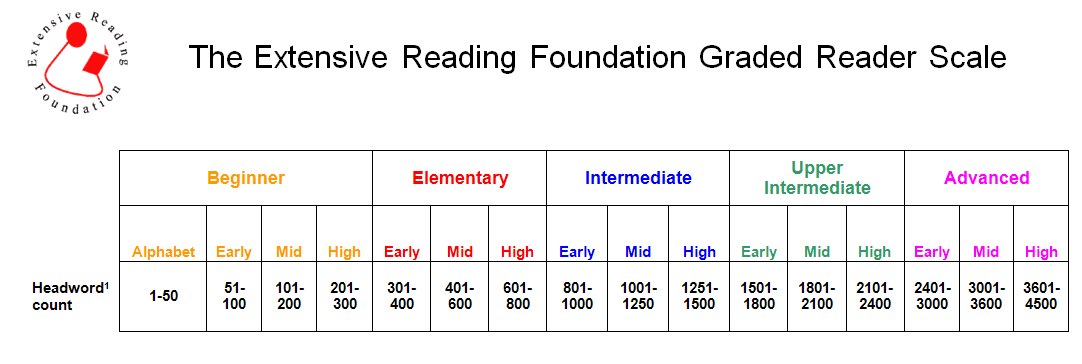
What is a Graded Reader in ELT?
A graded reader in English Language Teaching (ELT) is a simplified book designed for language learners at different proficiency levels. These books adapt vocabulary, grammar, and sentence structures to match the learner's abilities, making reading more accessible and enjoyable. Graded readers often include:
- Controlled language to avoid overwhelming learners with complex terms.
- Engaging content, such as adapted classics or original stories, to maintain interest.
- Support materials like glossaries or comprehension questions to reinforce learning.
Why Are Graded Readers Important in ELT?
Graded readers play a crucial role in language acquisition by providing learners with comprehensible input. They help build:
- Vocabulary through repeated exposure to high-frequency words.
- Reading fluency by offering manageable texts that boost confidence.
- Cultural awareness through stories set in diverse contexts.
How Are Graded Readers Categorized?
Graded readers are organized by language proficiency levels, often aligned with frameworks like the CEFR or Lexile measures. Common categories include:
- Beginner (A1-A2): Short sentences and basic vocabulary.
- Intermediate (B1-B2): More complex structures and idiomatic expressions.
- Advanced (C1-C2): Near-native complexity with nuanced language.
What Types of Graded Readers Exist?
Graded readers come in various formats to suit different learning preferences, such as:
- Adapted classics: Simplified versions of famous literary works.
- Original stories: Written specifically for language learners.
- Non-fiction: Focused on real-world topics like science or history.
How to Use Graded Readers Effectively in ELT?
To maximize the benefits of graded readers, teachers and learners should:
- Match the level to the student's proficiency for optimal challenge.
- Encourage extensive reading to build stamina and enjoyment.
- Supplement with activities like discussions or writing tasks.
Frequently Asked Questions (FAQ)
What are Chinese graded readers and why are they useful for language learners?
Chinese graded readers are books specifically designed for language learners, categorized by proficiency levels such as beginner, intermediate, and advanced. They use controlled vocabulary and simplified grammar to match the reader's skill level, making them an excellent tool for improving reading comprehension and vocabulary acquisition. These books often include pinyin annotations, English translations, and cultural notes, which help learners grasp context and meaning more easily. By providing engaging stories tailored to one's level, graded readers make learning Chinese less intimidating and more enjoyable.
Where can I find the best Chinese graded readers online?
You can find high-quality Chinese graded readers on platforms like Amazon, Mandarin Companion, Chinese Breeze, and The Chairman's Bao. Websites such as Pleco and DuChinese also offer digital versions with interactive features like audio support and click-to-translate functions. Additionally, some publishers, such as Sinolingua and Beijing Language and Culture University Press, provide physical and e-book versions of graded readers. For free resources, check out online libraries or language learning forums where users share recommendations and downloadable materials.
How do I choose the right Chinese graded reader for my level?
To select the appropriate Chinese graded reader, first assess your proficiency level by considering your vocabulary size and comprehension skills. Beginners should look for books with short sentences, basic vocabulary, and pinyin support. Intermediate learners can opt for stories with more complex sentences and limited pinyin, while advanced learners may choose books with minimal annotations and natural language usage. Many graded readers indicate the required HSK level, which can serve as a helpful guideline. Always preview a few pages to ensure the text is challenging yet understandable.
Are there any free Chinese graded readers available?
Yes, there are free Chinese graded readers available online, though they may be limited compared to paid options. Websites like Gutenberg Project and Chinese-Tools.com offer some free downloadable texts. Apps such as DuChinese and The Chairman's Bao provide free trial versions or limited access to their graded content. Additionally, platforms like YouTube and language learning blogs sometimes feature free stories with audio narration. For a wider selection, consider checking local libraries or university language departments, which may have physical copies available for borrowing.
Leave a Reply
Related Posts