
Taking a Flight in China? Essential Chinese Airline Vocabulary

Traveling by air in China can be a seamless experience with the right language tools. Whether you're a first-time visitor or a frequent flyer, knowing essential Chinese airline vocabulary will help you navigate airports, communicate with staff, and understand announcements with confidence. From check-in procedures to boarding calls, mastering key phrases ensures a smoother journey. This guide covers must-know terms and expressions, including directions, luggage policies, and in-flight requests, tailored for English speakers. By familiarizing yourself with these practical words and phrases, you’ll be better prepared to handle common travel scenarios and enjoy a stress-free flight in China.
Taking a Flight in China? Essential Chinese Airline Vocabulary
1. Basic Airport and Flight Terms
When traveling by air in China, knowing key airport and flight terms in Chinese can make your journey smoother. Below is a table with essential vocabulary:
| English | Chinese (Pinyin) |
|---|---|
| Airport | 机场 (jīchǎng) |
| Boarding Pass | 登机牌 (dēngjī pái) |
| Check-in Counter | 值机柜台 (zhíjī guìtái) |
| Flight Delay | 航班延误 (hángbān yánwù) |
Understanding security and customs procedures is crucial. Here are some important terms:
See AlsoImmersion at home or: Why you don’t have to go abroad to learn Chinese| English | Chinese (Pinyin) |
|---|---|
| Security Check | 安检 (ānjiǎn) |
| Passport Control | 护照检查 (hùzhào jiǎnchá) |
| Customs Declaration | 海关申报 (hǎiguān shēnbào) |
3. Boarding and In-Flight Vocabulary
Once onboard, these terms will help you communicate with flight attendants:
| English | Chinese (Pinyin) |
|---|---|
| Seat Number | 座位号 (zuòwèi hào) |
| Overhead Bin | 行李架 (xínglǐ jià) |
| Fasten Seatbelt | 系好安全带 (jì hǎo ānquán dài) |
4. Baggage and Lost Items
Handling luggage issues requires specific vocabulary:
| English | Chinese (Pinyin) |
|---|---|
| Luggage Claim | 行李领取 (xínglǐ lǐngqǔ) |
| Lost Luggage | 行李丢失 (xínglǐ diūshī) |
| Carry-on Bag | 手提行李 (shǒutí xínglǐ) |
5. Emergency and Assistance Phrases
In case of emergencies, these phrases can be vital:
See AlsoHow to Approach Chinese Grammar| English | Chinese (Pinyin) |
|---|---|
| Help! | 救命! (jiùmìng!) |
| Medical Assistance | 医疗帮助 (yīliáo bāngzhù) |
| Emergency Exit | 紧急出口 (jǐnjí chūkǒu) |
What is some traditional vocabulary in China?

Traditional Chinese Greetings and Polite Expressions
In China, traditional greetings and polite expressions are deeply rooted in culture and respect. Here are some key terms:
- Nǐ hǎo (你好) - The most common way to say hello.
- Xièxiè (谢谢) - Means thank you, showing gratitude.
- Zàijiàn (再见) - Translates to goodbye, used when parting.
Traditional Chinese Family Terms
Family is central in Chinese culture, and specific terms denote relationships:
See AlsoIntroducing Chinese quiz tournaments on WordSwing- Bàba (爸爸) - The formal term for father.
- Māma (妈妈) - The formal term for mother.
- Zǔfù (祖父) - Refers to paternal grandfather, showing respect for elders.
Traditional Chinese Festive Vocabulary
Festivals in China come with unique vocabulary:
- Chūnjié (春节) - The Spring Festival, or Chinese New Year.
- Hóngbāo (红包) - A red envelope containing money, given during celebrations.
- Yuánxiāo (元宵) - Sweet rice balls eaten during the Lantern Festival.
Traditional Chinese Food Terminology
Chinese cuisine has a rich vocabulary:
- Jiǎozi (饺子) - Dumplings, often eaten during festivals.
- Chǎofàn (炒饭) - Fried rice, a staple dish.
- Mántou (馒头) - Steamed buns, a traditional bread.
Traditional Chinese Philosophical and Cultural Terms
Philosophy and culture shape much of China's vocabulary:
See AlsoHow to get past the intermediate Chinese learning plateau- Dào (道) - The way or path, central to Taoism.
- Rén (仁) - Benevolence, a key Confucian virtue.
- Yīn-Yáng (阴阳) - Represents balance and duality in Chinese philosophy.
How can I improve my Chinese vocabulary?
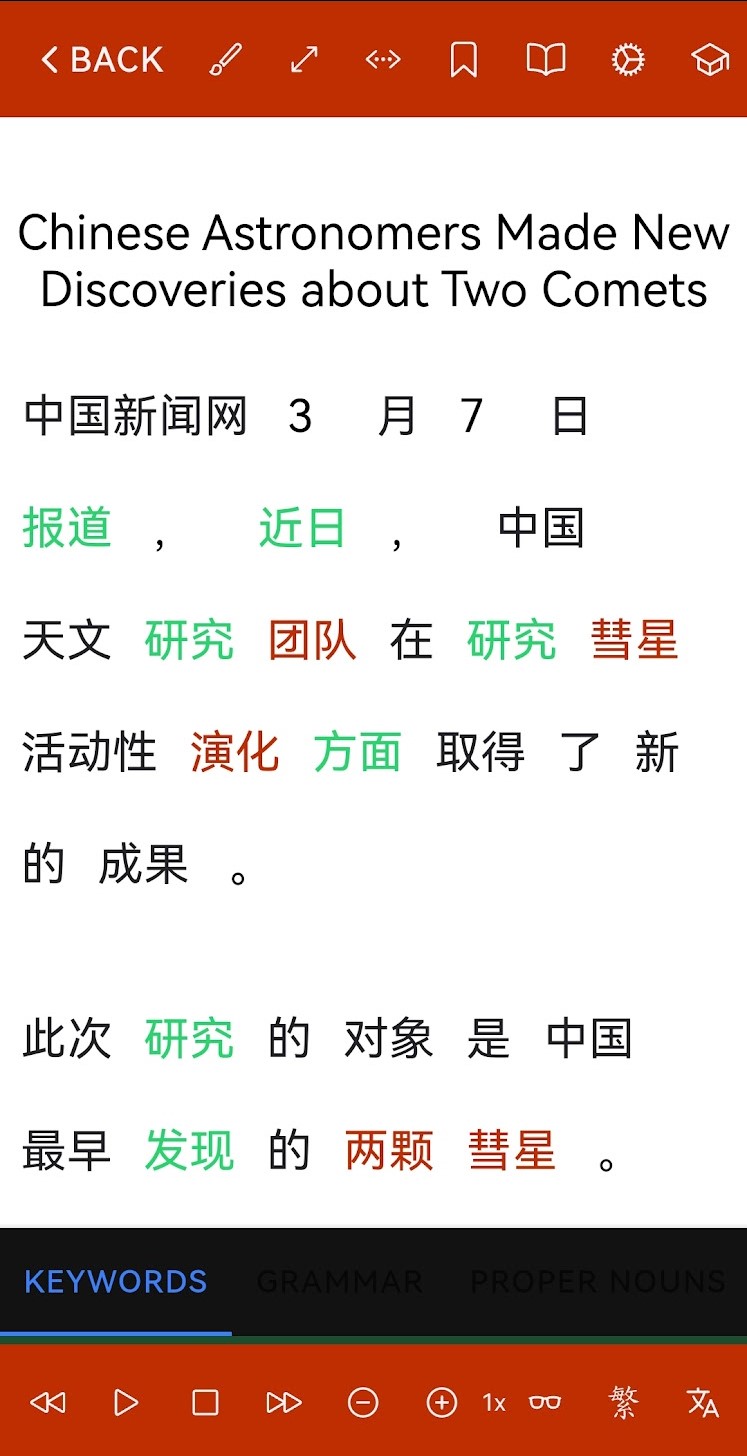
Use Flashcards for Daily Practice
Flashcards are a powerful tool to memorize Chinese vocabulary efficiently. By reviewing them daily, you reinforce retention and recognition of characters, pinyin, and meanings. Here’s how to maximize their use:
- Spaced repetition: Use apps like Anki or Pleco to schedule reviews based on memory retention.
- Visual aids: Include images or example sentences to create context.
- Consistency: Dedicate 10-15 minutes daily to avoid overwhelming yourself.
Read Chinese Texts Regularly
Reading exposes you to new words in context, improving comprehension and usage. Start with materials suited to your level:
See AlsoChinese Language Motivation - 6 Powerful Passions- Graded readers: Books designed for learners with controlled vocabulary.
- News articles: Platforms like The Chairman’s Bao offer simplified news.
- Subtitles: Watch Chinese shows with dual-language subtitles to match words with audio.
Practice Writing Characters
Writing reinforces memory by engaging motor skills. Focus on stroke order and radicals to build a strong foundation:
- Repetition: Write each character 10-20 times while saying its pronunciation.
- Radical breakdown: Learn common radicals to decode complex characters.
- Journals: Write daily sentences using new vocabulary.
Engage in Active Listening
Listening to native speakers helps you recognize pronunciation and tones. Incorporate these methods:
- Podcasts: Listen to beginner-friendly content like ChinesePod.
- Music: Memorize lyrics to associate words with melodies.
- Shadowing: Repeat sentences aloud after native speakers to mimic intonation.
Speak with Native Speakers
Conversation practice solidifies vocabulary retention and builds confidence. Try these approaches:
- Language exchange: Use apps like Tandem or HelloTalk to find partners.
- Tutoring: Hire a tutor for structured speaking practice.
- Self-talk: Describe your daily routine in Chinese aloud.
What is China Airlines flight code?

What is China Airlines' IATA Code?
China Airlines' IATA code is CI. This two-letter identifier is used globally for ticketing, reservations, and airport operations. Key details include:
- CI appears on boarding passes, luggage tags, and flight schedules.
- It distinguishes China Airlines from other carriers, like Air China (CA).
- The code is assigned by the International Air Transport Association (IATA).
What is China Airlines' ICAO Code?
China Airlines' ICAO code is CAL. This three-letter identifier is used for air traffic control and flight tracking. Important points:
- CAL is used in flight plans and radar systems.
- It differs from the IATA code (CI) but serves complementary purposes.
- The International Civil Aviation Organization (ICAO) regulates this code.
How to Identify China Airlines Flights Using Codes?
China Airlines flights combine the IATA code (CI) with a flight number (e.g., CI 123). Key aspects:
- Flight numbers are typically 1-4 digits long (e.g., CI 101).
- The full code (CI+number) appears on booking confirmations and departure boards.
- This format helps passengers and staff quickly identify routes.
Why Are Airline Codes Important?
Airline codes streamline global aviation operations. For China Airlines (CI/CAL), they:
- Ensure accurate bookings and baggage handling.
- Facilitate air traffic control coordination.
- Avoid confusion with similarly named airlines (e.g., Air China).
Where to Find China Airlines' Flight Codes?
China Airlines' codes (CI and CAL) are publicly available in:
- Official website (www.china-airlines.com).
- Airline databases (e.g., IATA/ICAO listings).
- Travel platforms (Expedia, Skyscanner) under flight details.
How to practice Chinese vocabulary?
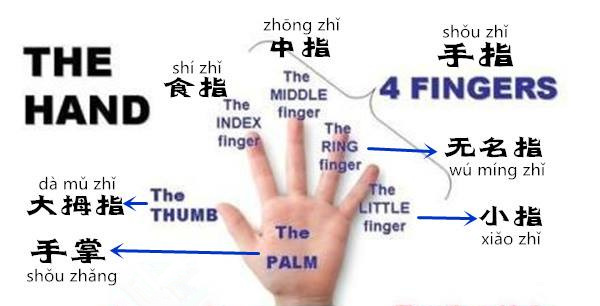
Use Flashcards for Daily Practice
Flashcards are a powerful tool for memorizing Chinese vocabulary. They allow you to review words repeatedly, reinforcing your memory. Here’s how to use them effectively:
- Create physical or digital flashcards with the Chinese character on one side and the pinyin + English meaning on the other.
- Review them daily, focusing on words you struggle with.
- Use spaced repetition apps like Anki to optimize retention.
Incorporate Vocabulary into Sentences
Simply memorizing words isn’t enough—you need to use them in context. Writing or speaking full sentences helps solidify understanding.
- Practice writing sentences using new vocabulary to grasp grammar and usage.
- Speak aloud to improve pronunciation and fluency.
- Use language exchange apps like Tandem to get feedback from native speakers.
Watch Chinese Media with Subtitles
Immersing yourself in Chinese TV shows, movies, or YouTube videos helps you learn vocabulary naturally.
- Start with subtitles in your native language, then switch to Chinese subtitles.
- Pause and note down unfamiliar words to study later.
- Repeat phrases aloud to mimic native pronunciation.
Label Objects in Your Environment
Surrounding yourself with Chinese vocabulary in daily life reinforces learning passively.
- Stick notes with Chinese names on household items.
- Review the labels whenever you see them to build associations.
- Replace labels weekly with new words to expand your vocabulary.
Join a Language Study Group
Practicing with others keeps you motivated and accountable while improving retention.
- Find local or online groups focused on learning Chinese.
- Participate in vocabulary challenges or quizzes together.
- Teach others the words you’ve learned to reinforce your knowledge.
Frequently Asked Questions (FAQ)
What are the most essential Chinese words to know when taking a flight in China?
When traveling by air in China, knowing key Chinese vocabulary can make your journey smoother. Essential words include 航班 (hángbān) for flight, 登机口 (dēngjīkǒu) for boarding gate, and 行李 (xíngli) for luggage. Additionally, 护照 (hùzhào) means passport, and 安检 (ānjiǎn) refers to security check. Mastering these terms will help you navigate airports and communicate with staff more effectively.
How do I ask for help in Chinese if I'm lost at a Chinese airport?
If you find yourself lost, you can use phrases like 请问,登机口在哪里? (Qǐngwèn, dēngjīkǒu zài nǎlǐ?), meaning Excuse me, where is the boarding gate? For general assistance, say 我需要帮助 (Wǒ xūyào bāngzhù) (I need help). Airport staff often understand basic English, but using these Chinese phrases shows effort and increases the chances of a helpful response.
What Chinese phrases should I know for checking in at the airport?
During check-in, you’ll need phrases like 我要办理登机手续 (Wǒ yào bànlǐ dēngjī shǒuxù) (I want to check in) and 这是我的护照 (Zhè shì wǒ de hùzhào) (This is my passport). If you have luggage, say 我要托运这件行李 (Wǒ yào tuōyùn zhè jiàn xíngli) (I want to check this luggage). Knowing these expressions ensures a smoother check-in process and minimizes misunderstandings.
How can I understand flight announcements in Chinese airports?
Flight announcements in China are often made in Mandarin first, followed by English. Key terms to listen for include 登机 (dēngjī) (boarding), 延误 (yánwù) (delay), and 取消 (qǔxiāo) (cancellation). If you miss an announcement, check the flight information display screens or ask a staff member with 我的航班有更新吗? (Wǒ de hángbān yǒu gēngxīn ma?) (Are there any updates on my flight?).
Leave a Reply
Related Posts