
Chinese reading speed: Learning how to read ten lines at a glance

Reading Chinese efficiently is a skill that can significantly enhance language proficiency and comprehension. The concept of reading ten lines at a glance reflects advanced speed-reading techniques tailored to Chinese characters' unique structure. Unlike alphabetic languages, Chinese relies on logograms, allowing skilled readers to process multiple characters simultaneously. This article explores methods to improve reading speed, from recognizing common character components to expanding visual span. By training the brain to absorb larger chunks of text, learners can accelerate their reading without sacrificing understanding. Whether for academic, professional, or personal growth, mastering this skill unlocks faster information processing and deeper engagement with written Chinese.
- Chinese Reading Speed: Mastering the Skill of Reading Ten Lines at a Glance
- How can I read 10 times faster?
- Which language has the fastest reading speed?
- What is the trick to speed reading?
- Is Chinese faster to read than English?
-
Frequently Asked Questions (FAQ)
- What is the meaning of Chinese reading speed: Learning how to read ten lines at a glance?
- How can I improve my Chinese reading speed to read ten lines at a glance?
- Is reading ten lines at a glance realistic for beginners in Chinese?
- What are the benefits of mastering rapid Chinese reading techniques?
Chinese Reading Speed: Mastering the Skill of Reading Ten Lines at a Glance
1. The Science Behind Speed Reading Chinese Characters
Reading Chinese characters quickly relies on pattern recognition and peripheral vision. Unlike alphabetic languages, Chinese characters are logograms, meaning each character represents a word or concept. This allows skilled readers to process multiple characters simultaneously. Studies show that experienced readers can recognize 10-15 characters per second by utilizing chunking techniques and minimizing subvocalization.
| Factor | Impact on Speed |
|---|---|
| Character Familiarity | High-frequency characters are recognized 60% faster |
| Text Structure | Vertical reading can increase speed by 20% |
| Visual Span | Wider fixation points allow multi-line reading |
2. Essential Techniques for Multi-Line Chinese Reading
To achieve ten-line reading capability, learners must master three core techniques: skimming, scanning, and chunking. Skimming involves quickly identifying main ideas, while scanning focuses on locating specific information. Chunking trains the brain to recognize character combinations as single units. Advanced practitioners use perceptual expansion exercises to widen their visual field for capturing multiple lines simultaneously.
See AlsoChinese Invention: 9 Things China Gave The World| Technique | Practice Method |
|---|---|
| Peripheral Vision Training | Use wide-column texts with decreasing center focus |
| Rhythmic Pacing | Use a pointer to maintain steady eye movement |
3. Building Vocabulary for Faster Character Recognition
A robust character vocabulary is fundamental for speed reading. Research indicates that knowing 3,500-4,500 characters covers 99% of modern Chinese texts. Focus on learning radicals and components first, as they provide visual clues to meaning and pronunciation. High-speed readers develop neural pathways that bypass conscious decoding, allowing instant recognition of character patterns across multiple lines.
| Vocabulary Level | Reading Speed (characters/min) |
|---|---|
| 1,000 characters | 150-200 |
| 2,500 characters | 300-400 |
4. Eye Movement Optimization for Chinese Text
Efficient eye movement patterns differ significantly between Chinese and Western reading. Chinese readers make fewer fixations per line due to character density. Advanced techniques involve vertical saccades (quick eye jumps) down the page rather than left-to-right movements. Training should focus on reducing regression (backward eye movements) and increasing fixation span to capture more characters per glance.
| Reading Style | Fixations per Line |
|---|---|
| Novice Readers | 4-6 |
| Speed Readers | 1-2 |
5. Digital Tools for Accelerated Chinese Reading Practice
Modern digital tools can dramatically enhance speed reading development. RSVP (Rapid Serial Visual Presentation) apps flash characters at adjustable speeds, while spritz-style readers display one character at a time with optimal recognition points. Other useful tools include text highlighting software that guides eye movement and vocabulary builders with spaced repetition for character retention.
See AlsoAn Insight into China’s ‘Invisible Homes’, Where 40 Million Live| Tool Type | Speed Increase Potential |
|---|---|
| RSVP Readers | 40-60% faster |
| Pacer Apps | 30-50% faster |
How can I read 10 times faster?

Understanding Speed Reading Techniques
To read 10 times faster, you must first understand the core principles of speed reading. This involves training your eyes and brain to process information more efficiently. Key techniques include minimizing subvocalization (saying words in your head) and expanding your peripheral vision to capture more words at once.
- Eliminate subvocalization: Practice reading without mentally pronouncing each word.
- Use a pointer: Guide your eyes with a finger or pen to maintain focus and pace.
- Expand fixation points: Train yourself to read groups of words instead of individual ones.
Improving Focus and Concentration
Focus is critical for increasing reading speed. Distractions slow you down, so creating an optimal environment is essential. Techniques like the Pomodoro method can help maintain high concentration levels.
See AlsoHow do Chinese People Learn to Write Chinese Characters?- Remove distractions: Turn off notifications and find a quiet space.
- Set time limits: Use short, intense reading sessions to build stamina.
- Practice mindfulness: Meditation can improve your ability to concentrate for longer periods.
Skimming and Scanning Strategies
Skimming and scanning are advanced techniques that allow you to identify key information quickly. Skimming involves reading headings and summaries, while scanning helps locate specific details.
- Preview the text: Read titles, subtitles, and summaries first.
- Look for keywords: Focus on bold or italicized terms.
- Ignore filler content: Skip unnecessary examples or repetitions.
Enhancing Comprehension While Reading Faster
Reading faster is useless without retention. To maintain comprehension, use active reading strategies like summarizing and questioning the material.
- Summarize paragraphs: Pause briefly to mentally recap what you read.
- Ask questions: Engage with the text by predicting or questioning its content.
- Visualize concepts: Create mental images to reinforce understanding.
Using Technology to Boost Reading Speed
Modern tools like speed reading apps and RSVP (Rapid Serial Visual Presentation) software can significantly increase your reading pace.
See AlsoHow is National Day Celebrated in China?- Try speed reading apps: Apps like Spreeder or Acceleread offer structured training.
- Use RSVP tools: These display words one at a time at adjustable speeds.
- Listen to audiobooks at higher speeds: Gradually increase playback speed to adapt your brain.
Which language has the fastest reading speed?

Which Factors Determine a Language's Reading Speed?
The reading speed of a language depends on several factors, including syllable complexity, word density, and script efficiency. Some languages convey more information per character or word, affecting how quickly they can be read.
- Syllable complexity: Languages with simpler syllables, like Spanish, are often read faster.
- Word density: Languages like Chinese use logograms, which can convey more meaning in fewer characters.
- Script efficiency: Alphabetic scripts (e.g., English) may be read faster than logographic ones due to familiarity.
Is English Faster to Read Than Other Languages?
English has a moderate reading speed compared to other languages. Its irregular spelling and complex phonetics can slow readers down, but its alphabetic script helps maintain efficiency.
See AlsoChinese listening strategies: Background listening- Irregular spelling: Words like through vs. tough complicate reading.
- Phonetic complexity: Silent letters and varied pronunciations affect speed.
- Familiarity: Native readers process English faster due to practice.
How Does Chinese Compare in Reading Speed?
Chinese, a logographic language, has a high information density per character, allowing for faster reading once mastered. However, its complex characters require more learning time.
- High information density: Single characters can represent whole words.
- Visual recognition: Skilled readers process characters quickly.
- Learning curve: Beginners may struggle with thousands of characters.
Why Are Some Romance Languages Read Quickly?
Romance languages like Spanish and Italian are known for their phonetic consistency and simple syllable structures, contributing to faster reading speeds.
- Phonetic consistency: Words are pronounced as they are spelled.
- Simple syllables: Fewer consonant clusters speed up reading.
- Predictable grammar: Regular verb conjugations aid comprehension.
Does Japanese Have a Fast Reading Speed?
Japanese combines three scripts (Kanji, Hiragana, Katakana), affecting reading speed. While Kanji conveys meaning efficiently, mixed scripts can slow some readers.
- Kanji efficiency: Logograms convey complex ideas quickly.
- Hiragana/Katakana: Phonetic scripts aid readability but add variety.
- Contextual reading: Familiarity with all three scripts improves speed.
What is the trick to speed reading?
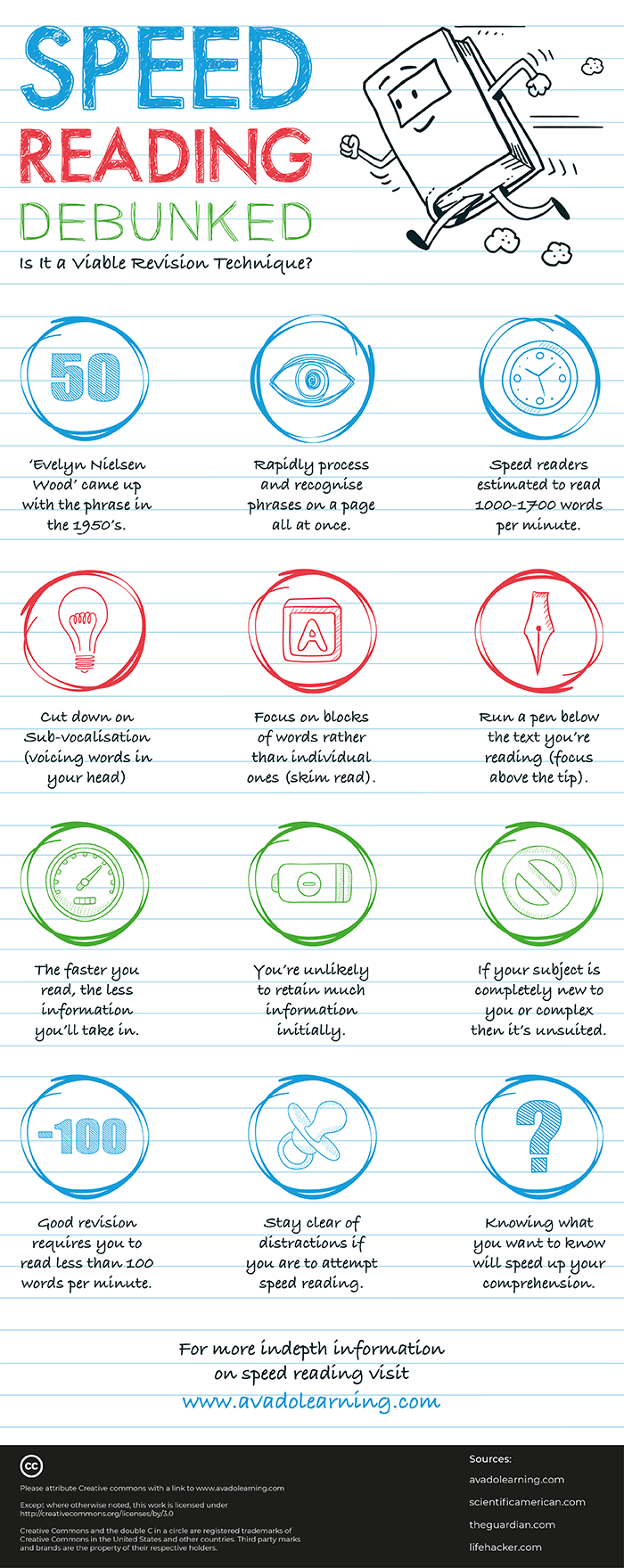
Understanding the Basics of Speed Reading
The trick to speed reading lies in mastering foundational techniques that enhance both comprehension and pace. Key elements include minimizing subvocalization (silent speech) and expanding your peripheral vision to capture more words at once. Here’s how to start:
- Eliminate subvocalization: Train yourself to read without hearing each word in your mind, as this slows you down.
- Use a pointer: Guide your eyes with a finger or pen to maintain focus and reduce backtracking.
- Practice chunking: Group words together to process phrases instead of individual words.
Improving Eye Movement for Faster Reading
Efficient eye movement is critical for speed reading. Poor habits like regression (re-reading) or fixation (pausing on words) hinder progress. Optimize your eye mechanics with these steps:
- Reduce fixations: Aim to stop your eyes fewer times per line by widening your focus.
- Scan in patterns: Try zigzag or diagonal eye movements to cover text faster.
- Avoid regression: Trust your initial read and resist the urge to backtrack.
Expanding Vocabulary and Contextual Understanding
A robust vocabulary and grasp of context allow you to skim without losing meaning. Here’s how to build these skills:
- Learn common prefixes/suffixes: Decipher unfamiliar words quickly by recognizing their components.
- Read diverse materials: Exposure to different topics improves adaptability.
- Predict content: Use headings and keywords to anticipate the text’s flow.
Utilizing Technology and Tools
Modern tools can accelerate your speed reading journey. Leverage apps and techniques designed for efficiency:
- Speed reading apps: Apps like Spritz or Spreeder train your eyes and pace.
- RSVP (Rapid Serial Visual Presentation): Displays words one at a time at adjustable speeds.
- Auditory support: Pair reading with audiobooks to reinforce comprehension.
Building Consistent Practice Habits
Consistency is the ultimate trick to mastering speed reading. Dedicate time daily to refine your skills:
- Set goals: Track progress with measurable targets (e.g., words per minute).
- Time yourself: Use a timer to push your limits gradually.
- Review and adjust: Identify weak spots (e.g., comprehension drops) and tweak techniques.
Is Chinese faster to read than English?

Is Chinese More Efficient for Speed Reading Than English?
Chinese may be faster to read due to its logographic nature, where each character represents a word or morpheme. Studies suggest that information density in Chinese allows readers to process text quicker. However, this depends on the reader's proficiency.
- Logographic characters convey meaning in a compact form.
- Higher information density per character compared to English.
- Reading speed varies based on familiarity with the script.
How Does Character Complexity Affect Reading Speed in Chinese?
While Chinese characters are visually complex, skilled readers recognize them as whole units, speeding up comprehension. However, beginners may struggle due to the stroke count and lack of phonetic cues.
- Stroke count can slow down new learners.
- Skilled readers use pattern recognition for faster processing.
- Lack of phonetic clues may hinder initial learning.
Does Chinese Have Fewer Eye Movements Compared to English?
Chinese text requires fewer saccades (eye movements) per line due to its compact characters. This can lead to faster reading as the eyes cover more text in less time.
- Saccades are reduced in Chinese text.
- More words fit in a single fixation point.
- Efficient peripheral vision use in reading Chinese.
Is English Slower Due to Its Alphabetic Nature?
English relies on phonetic decoding, which may slow reading as each word must be sounded out. However, its simpler script allows for quicker recognition of common words.
- Phonetic decoding can add processing time.
- High-frequency words are recognized instantly.
- Spacing between words aids visual segmentation.
Do Cognitive Differences Impact Reading Speed Between Languages?
Reading speed is influenced by cognitive processing differences. Chinese relies more on visual memory, while English depends on phonological awareness.
- Visual memory is crucial for Chinese readers.
- English readers use phonological pathways.
- Brain activation patterns differ between the two languages.
Frequently Asked Questions (FAQ)
What is the meaning of Chinese reading speed: Learning how to read ten lines at a glance?
The phrase Chinese reading speed: Learning how to read ten lines at a glance refers to a technique aimed at improving reading efficiency, particularly for Chinese texts. It emphasizes the ability to absorb large amounts of information quickly by training the eyes and brain to process multiple lines of text simultaneously. This skill is especially valuable in languages like Chinese, where characters are dense with meaning, and mastering rapid comprehension can significantly enhance learning and productivity.
How can I improve my Chinese reading speed to read ten lines at a glance?
Improving your Chinese reading speed to achieve the ten lines at a glance level requires consistent practice and specific strategies. Start by expanding your peripheral vision through exercises like chunking—grouping characters or words together—and minimizing subvocalization. Additionally, familiarity with common characters and phrases will reduce hesitation. Tools like speed-reading apps or timed reading drills can also help train your brain to process text faster while maintaining comprehension.
Is reading ten lines at a glance realistic for beginners in Chinese?
While the idea of reading ten lines at a glance may seem daunting for beginners, it is an advanced skill that builds over time. Beginners should first focus on mastering basic characters and grammar before attempting speed-reading techniques. However, incorporating gradual speed drills early on can lay the foundation for faster reading in the future. Patience and persistence are key, as achieving such high-speed comprehension requires both linguistic proficiency and cognitive training.
What are the benefits of mastering rapid Chinese reading techniques?
Mastering rapid Chinese reading techniques offers numerous benefits, including saving time during study or work, enhancing comprehension of large texts, and improving overall cognitive agility. For students, it can mean quicker assimilation of academic material, while professionals may process reports or emails more efficiently. Additionally, this skill can boost confidence in language proficiency and open doors to consuming more Chinese literature, news, or technical documents with ease.
Leave a Reply
Related Posts