
Effective Language Learning: Building a Chinese Lesson Plan for Beginners

Learning a new language can be both exciting and challenging, especially for beginners. When it comes to mastering Chinese, a well-structured lesson plan is essential to build a strong foundation. Effective language learning requires a balanced approach, incorporating vocabulary, grammar, pronunciation, and cultural context. For beginners, starting with basic greetings, common phrases, and simple sentence structures can boost confidence and encourage progress. This article explores how to design a practical Chinese lesson plan tailored for newcomers, focusing on key elements like interactive exercises, consistent practice, and engaging resources. By following these strategies, learners can develop essential skills while staying motivated on their language journey.
- Effective Language Learning: Building a Chinese Lesson Plan for Beginners
- How to learn Chinese language as a beginner?
- How to make a Chinese lesson interesting?
- How to start teaching Chinese?
- What is the most effective way to learn Chinese?
-
Frequently Asked Questions (FAQ)
- What are the key components of an effective Chinese lesson plan for beginners?
- How can beginners stay motivated while learning Chinese?
- What are common challenges beginners face when learning Chinese, and how can they overcome them?
- How important is cultural immersion in a beginner's Chinese lesson plan?
Effective Language Learning: Building a Chinese Lesson Plan for Beginners
Creating a structured and engaging lesson plan is essential for beginners learning Chinese. A well-designed plan ensures progressive learning, covering basic vocabulary, grammar, pronunciation, and cultural context. Below, we explore key components to include in your lesson plan, along with practical tips for effective teaching and student engagement.
1. Setting Clear Learning Objectives
Establishing specific goals helps learners track progress. Focus on practical skills, such as greetings, numbers, and simple sentences. For example:
See AlsoMondly vs Duolingo: Language App Showdown 2025| Objective | Example |
|---|---|
| Introduce basic greetings | 你好 (nǐ hǎo) – Hello |
| Learn numbers 1-10 | 一 (yī), 二 (èr), 三 (sān)... |
2. Incorporating Pinyin and Tones
Pinyin (Romanized Chinese) and tones are foundational. Beginners must master four tones to avoid misunderstandings. Use audio exercises and repetition drills.
| Tone | Example |
|---|---|
| First Tone (Flat) | 妈 (mā) – Mother |
| Second Tone (Rising) | 麻 (má) – Hemp |
3. Teaching Essential Vocabulary
Start with high-frequency words like pronouns, common verbs, and daily objects. Use visual aids and contextual sentences for better retention.
| Category | Example |
|---|---|
| Pronouns | 我 (wǒ) – I, 你 (nǐ) – You |
| Verbs | 吃 (chī) – Eat, 喝 (hē) – Drink |
4. Structuring Grammar Basics
Introduce simple sentence patterns like Subject-Verb-Object (SVO). Avoid overwhelming learners with complex rules early on.
See AlsoDrops vs Duolingo: Complete App Comparison [2025]| Structure | Example |
|---|---|
| SVO | 我 吃 苹果 (Wǒ chī píngguǒ) – I eat apples. |
5. Adding Cultural Context
Understanding Chinese culture enhances language learning. Discuss traditions, festivals, and etiquette to make lessons more relatable.
| Cultural Topic | Example |
|---|---|
| Festivals | 春节 (Chūnjié) – Chinese New Year |
| Etiquette | Using both hands to give/receive items |
How to learn Chinese language as a beginner?
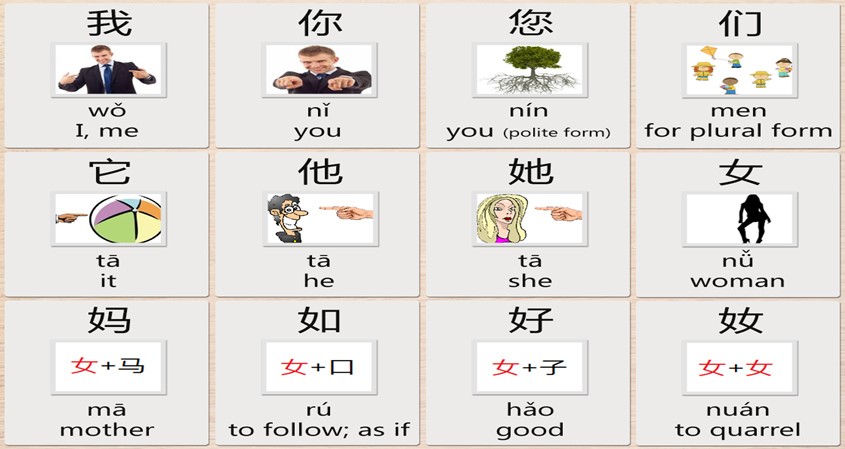
1. Start with Pinyin and Basic Pronunciation
Learning Pinyin, the Romanization system for Chinese characters, is crucial for beginners. It helps you understand pronunciation before tackling characters. Focus on mastering the four tones, as they change the meaning of words. For example, ma can mean mother (妈, first tone) or horse (马, third tone).
See AlsoA minimum-effort approach to writing Chinese characters by hand- Practice Pinyin drills daily to familiarize yourself with sounds.
- Use apps like Pleco or HelloChinese for interactive pronunciation exercises.
- Listen to native speakers via podcasts or YouTube to mimic intonation.
2. Build a Foundation with Common Vocabulary
Begin with high-frequency words and phrases like greetings, numbers, and daily expressions. This builds confidence for basic conversations. Prioritize practical vocabulary over complex grammar early on.
- Learn greetings (e.g., 你好 nǐ hǎo for hello).
- Memorize numbers 1-100 for shopping and telling time.
- Study survival phrases like 谢谢 (xièxiè, thank you) and 多少钱? (duōshǎo qián, how much?).
3. Introduce Simple Characters Gradually
Chinese characters may seem daunting, but start with basic radicals (building blocks of characters) and common symbols. Learn characters in context, such as those used in daily life (e.g., 人 rén for person).
- Focus on 20-50 essential characters first (e.g., 日 rì for sun/day).
- Use flashcards or apps like Anki for spaced repetition.
- Write characters by hand to reinforce memory and stroke order.
4. Practice Listening and Speaking Daily
Immersion is key to fluency. Engage with audio resources and speak from day one, even if imperfect. Shadowing (repeating after native speakers) improves accent and rhythm.
See AlsoWhat Do Duolingo Status Symbol Mean: Complete Guide- Watch Chinese cartoons or dramas with subtitles (e.g., Peppa Pig in Chinese).
- Join language exchange platforms like Tandem or HelloTalk.
- Record yourself speaking and compare it to native audio.
5. Use Structured Learning Resources
Combine textbooks, online courses, and tutors for a balanced approach. Consistency matters more than speed—dedicate 30+ minutes daily.
- Follow a textbook series like Integrated Chinese or HSK Standard Course.
- Enroll in MOOCs (e.g., Coursera's Learn Mandarin courses).
- Hire a tutor on iTalki for personalized feedback.
How to make a Chinese lesson interesting?
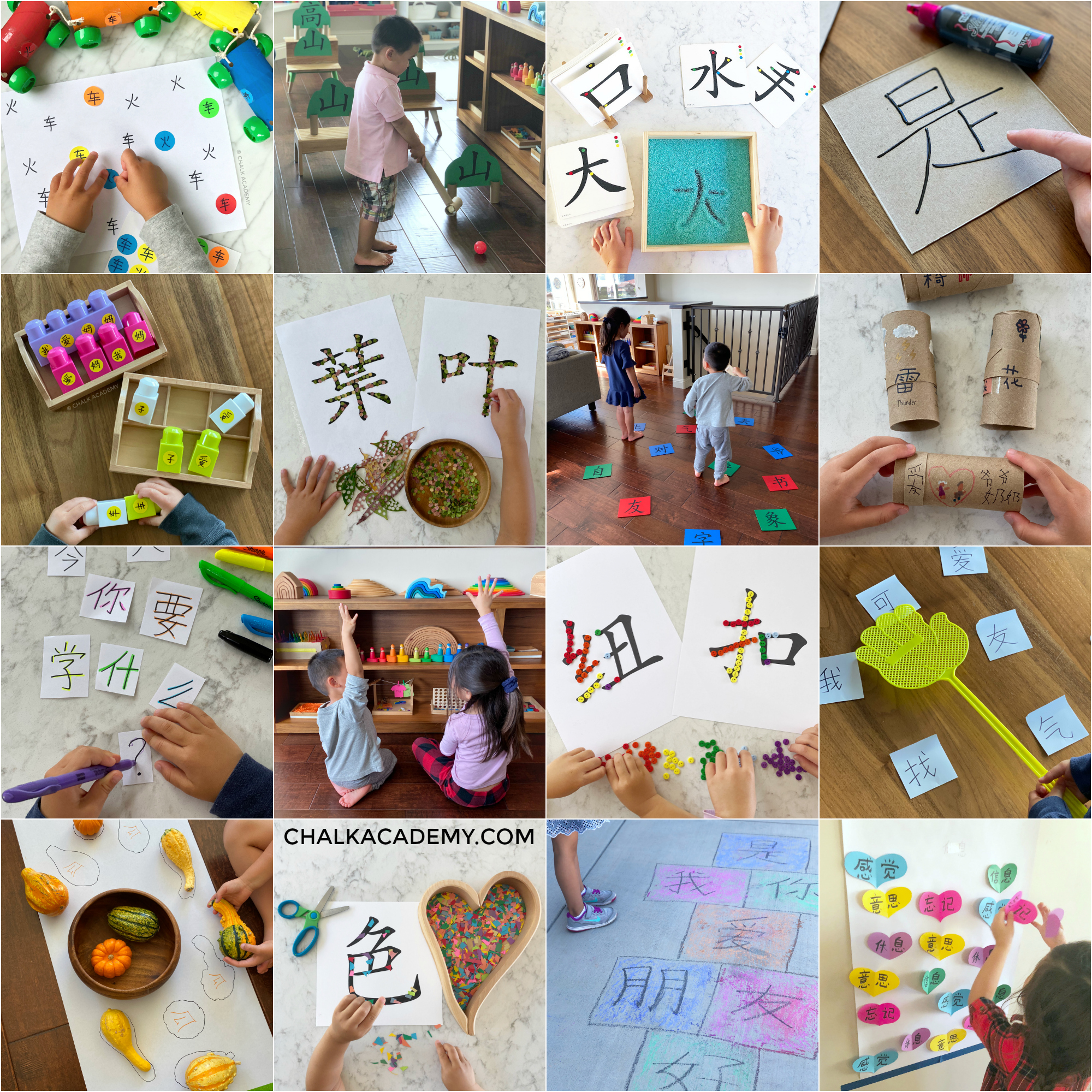
Use Interactive Games and Activities
Incorporating interactive games and activities can significantly boost engagement in a Chinese lesson. For example:
See AlsoYou shouldn’t walk the road to Chinese fluency alone- Flashcards with images and pinyin to reinforce vocabulary memorization.
- Role-playing scenarios like ordering food or asking for directions to practice real-life conversations.
- Language apps or online quizzes for a fun, competitive element.
Incorporate Multimedia Resources
Using multimedia keeps lessons dynamic and caters to different learning styles. Consider:
- Chinese songs or nursery rhymes to improve listening and pronunciation.
- Short films or cartoons with subtitles to expose learners to natural speech patterns.
- Podcasts or audiobooks for passive listening practice outside class.
Teach Through Cultural Immersion
Connecting language learning with Chinese culture makes lessons more meaningful. Try:
- Cooking classes where students learn to make dumplings while using related vocabulary.
- Festival celebrations like Lunar New Year to explore traditions and associated phrases.
- Calligraphy practice to combine art with character writing.
Personalize the Learning Experience
Tailoring lessons to students' interests increases motivation. Suggestions include:
- Custom vocabulary lists based on hobbies (e.g., sports, travel, or technology).
- Student-led discussions on topics they care about, like favorite movies or current events.
- Goal-oriented tasks, such as preparing for a trip or a business meeting in Chinese.
Encourage Group Collaboration
Group work fosters communication and makes learning social. Ideas:
- Pair dialogues where students create and perform short conversations.
- Team competitions, like trivia or charades using Chinese words.
- Peer feedback sessions to practice constructive criticism in the target language.
How to start teaching Chinese?
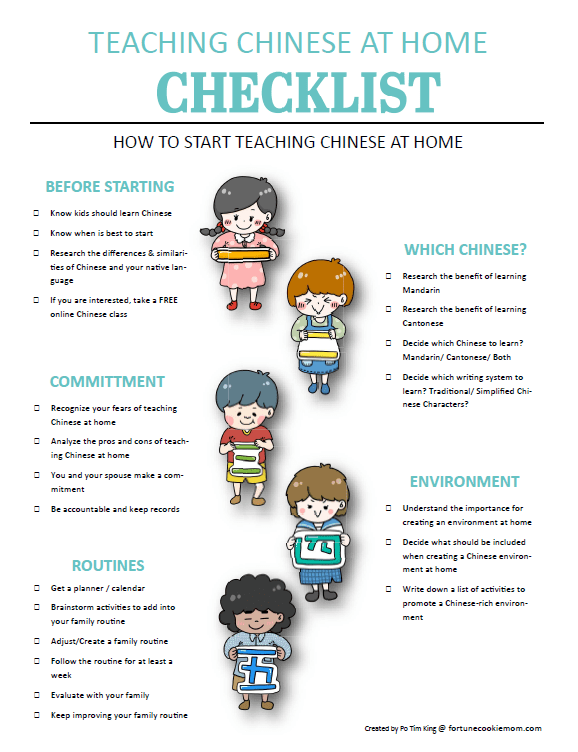
Understanding the Basics of Teaching Chinese
To start teaching Chinese, it's essential to grasp the fundamentals of the language yourself. Focus on pronunciation, tones, and basic characters before instructing others.
- Master Pinyin: Learn the romanization system to teach correct pronunciation.
- Practice Tones: Chinese is tonal, so emphasize the importance of tone accuracy.
- Introduce Characters: Start with simple, high-frequency characters like 你 (nǐ) or 好 (hǎo).
Choosing the Right Teaching Materials
Selecting appropriate resources is crucial for effective teaching. Use a mix of textbooks, apps, and multimedia tools.
- Textbooks: Opt for beginner-friendly books like Integrated Chinese or New Practical Chinese Reader.
- Apps: Recommend tools like Pleco or HelloChinese for interactive learning.
- Videos/Audio: Use YouTube channels or podcasts to reinforce listening skills.
Structuring Your Lessons Effectively
A well-organized lesson plan ensures steady progress. Balance grammar, vocabulary, and cultural context.
- Warm-Up: Begin with a short review or conversation practice.
- New Content: Introduce 1-2 grammar points and 5-10 new words per lesson.
- Practice: Include speaking, writing, and listening exercises.
Engaging Students with Interactive Methods
Keep learners motivated by incorporating interactive and fun activities.
- Role-Playing: Simulate real-life scenarios like ordering food.
- Games: Use flashcards or apps for vocabulary drills.
- Cultural Immersion: Share Chinese festivals or traditions to spark interest.
Assessing Progress and Providing Feedback
Regular evaluation helps students track improvement and stay motivated.
- Quizzes: Test vocabulary and grammar comprehension weekly.
- Speaking Tests: Assess pronunciation and fluency in short dialogues.
- Constructive Feedback: Highlight strengths and suggest areas for improvement.
What is the most effective way to learn Chinese?
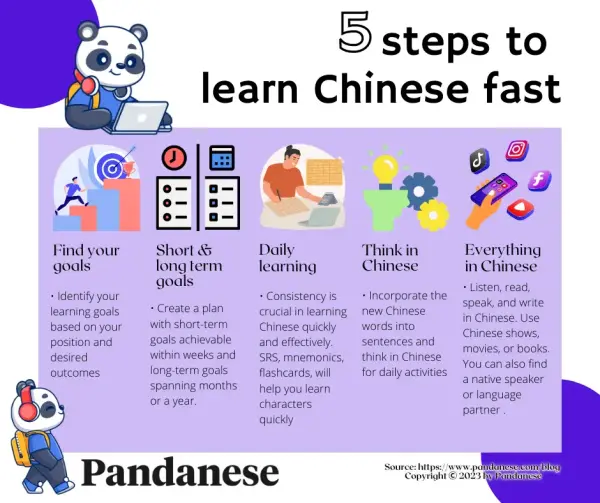
Immerse Yourself in the Language Environment
The most effective way to learn Chinese is to immerse yourself in a language-rich environment. This means surrounding yourself with native speakers, consuming media in Chinese, and practicing daily. Here’s how:
- Live or study in a Chinese-speaking country to force yourself to use the language in real-life situations.
- Watch Chinese movies, TV shows, and YouTube videos with subtitles to improve listening skills.
- Listen to Chinese music or podcasts to familiarize yourself with tones and pronunciation.
Master Pinyin and Tones Early
Understanding Pinyin and the four tones is crucial for proper pronunciation and comprehension. Here’s how to tackle them:
- Practice tone pairs daily to distinguish between similar-sounding words.
- Use apps like Pleco or HelloChinese to drill Pinyin and tone recognition.
- Record yourself speaking and compare it to native speakers to refine your pronunciation.
Prioritize High-Frequency Vocabulary
Focusing on high-frequency words accelerates your ability to communicate effectively. Here’s how to build your vocabulary efficiently:
- Learn the top 500-1000 most common words first to form basic sentences.
- Use flashcards (Anki or Quizlet) to reinforce memorization.
- Label objects in your home with their Chinese names for constant exposure.
Practice Speaking Daily
Regular speaking practice is essential for fluency. Here’s how to incorporate it into your routine:
- Find a language partner on apps like Tandem or HelloTalk.
- Join Chinese-speaking communities or clubs to practice in group settings.
- Repeat dialogues from textbooks or shows aloud to improve fluency.
Use Structured Learning Materials
Combining textbooks, courses, and online resources ensures a balanced approach. Here’s how to structure your learning:
- Follow a textbook series like Integrated Chinese for grammar and exercises.
- Take online courses (e.g., Coursera, Yoyo Chinese) for guided lessons.
- Supplement with grammar guides and workbooks to reinforce concepts.
Frequently Asked Questions (FAQ)
What are the key components of an effective Chinese lesson plan for beginners?
An effective Chinese lesson plan for beginners should include several core components to ensure a balanced learning experience. First, vocabulary building is essential, focusing on high-frequency words and phrases used in daily conversations. Second, basic grammar structures should be introduced gradually to help learners form simple sentences. Third, pronunciation practice, including tones and pinyin, is critical due to the tonal nature of Mandarin. Additionally, incorporating cultural context helps learners understand the language in real-world scenarios. Finally, interactive activities, such as role-playing or games, keep engagement high and reinforce learning.
How can beginners stay motivated while learning Chinese?
Staying motivated as a beginner in Chinese requires a mix of goal-setting, consistent practice, and enjoyable learning methods. Setting short-term achievable goals, like mastering greetings or ordering food, provides a sense of progress. Incorporating multimedia resources, such as apps, videos, or music, makes learning more dynamic. Joining a language exchange or study group can also foster accountability and social interaction. Celebrating small victories and reminding oneself of the long-term benefits, like career opportunities or travel, helps maintain enthusiasm.
What are common challenges beginners face when learning Chinese, and how can they overcome them?
Beginners often encounter several challenges when learning Chinese, such as mastering tones, memorizing characters, and understanding sentence structure. To overcome tonal difficulties, consistent listening and repetition exercises are crucial. For character memorization, breaking characters into radicals and using mnemonics can simplify the process. As for grammar, focusing on patterns rather than direct translations from English helps. Patience and regular practice are key, along with leveraging tools like flashcards or spaced repetition systems (SRS) to reinforce learning.
How important is cultural immersion in a beginner's Chinese lesson plan?
Cultural immersion plays a vital role in a beginner's Chinese lesson plan because language and culture are deeply intertwined. Understanding cultural norms, such as politeness levels or holiday traditions, enriches communication and avoids misunderstandings. Incorporating authentic materials, like Chinese films, news, or social media, exposes learners to real-life language use. Activities like cooking Chinese dishes or virtual tours of landmarks can also make learning more engaging. Ultimately, cultural immersion fosters deeper connections to the language and enhances motivation by making lessons more relatable and meaningful.
Leave a Reply
Related Posts