
A Quick Guide to Chinese Immersion Schools in the US

Chinese immersion schools in the US offer a unique educational approach, blending rigorous academics with Mandarin language acquisition. These programs immerse students in Chinese language and culture from an early age, fostering bilingualism and cross-cultural understanding. With the growing global influence of China, many parents see these schools as a valuable opportunity to prepare their children for future careers. Programs vary, with some focusing on full immersion and others incorporating partial Mandarin instruction. This guide explores the benefits, challenges, and key considerations for families exploring Chinese immersion education, helping parents make informed decisions about this innovative learning model. Discover how these schools can shape a child’s future.
A Quick Guide to Chinese Immersion Schools in the US
Chinese immersion schools in the US offer students the opportunity to learn Mandarin while following a standard academic curriculum. These programs are designed to foster bilingualism, cultural awareness, and academic excellence. Below, we explore key aspects of Chinese immersion education in the US.
What Are Chinese Immersion Schools?
Chinese immersion schools are educational institutions where students are taught primarily in Mandarin Chinese, alongside English. These programs follow a dual-language model, integrating language learning with subjects like math, science, and social studies. The goal is to achieve fluency while maintaining high academic standards.
See AlsoDo Chinese Speakers Suffer from Character Amnesia? And Other Random Questions About Chinese Language| Feature | Description |
|---|---|
| Instruction | 50-90% in Mandarin |
| Subjects | Core academics in both languages |
| Outcome | Bilingual proficiency |
Benefits of Attending a Chinese Immersion School
Enrolling in a Chinese immersion program provides cognitive, academic, and career advantages. Studies show that bilingual students often outperform monolingual peers in problem-solving and critical thinking. Additionally, Mandarin fluency opens doors to global opportunities in business, diplomacy, and technology.
| Benefit | Impact |
|---|---|
| Cognitive Skills | Enhanced memory & multitasking |
| Academic Performance | Higher test scores |
| Career Prospects | Competitive edge in global markets |
How to Choose the Right Chinese Immersion School
Selecting the best program involves evaluating factors like curriculum structure, teacher qualifications, and extracurricular offerings. Look for schools with accredited programs, native-speaking teachers, and strong parental involvement. Visiting campuses and speaking with current families can also provide valuable insights.
| Factor | Consideration |
|---|---|
| Curriculum | Balance of Mandarin & English |
| Teachers | Native speakers with credentials |
| Community | Active parent engagement |
Top Chinese Immersion Schools in the US
Several schools stand out for their excellence in Chinese immersion education. Examples include Yu Ying Public Charter School (DC), Chinese American International School (CA), and Pioneer Valley Chinese Immersion Charter School (MA). These institutions are known for their rigorous academics and cultural immersion programs.
See AlsoDo you really know how to count in Chinese?| School | Location |
|---|---|
| Yu Ying Public Charter School | Washington, DC |
| Chinese American International School | San Francisco, CA |
| Pioneer Valley Chinese Immersion | Massachusetts |
Challenges of Chinese Immersion Programs
While beneficial, these programs can present challenges such as language barriers for non-native families and limited availability in certain regions. Parents should prepare for additional support at home and ensure their child receives adequate English instruction to meet state standards.
| Challenge | Solution |
|---|---|
| Language Barrier | Supplemental tutoring |
| Limited Access | Online resources |
| Balanced Literacy | Dual-language materials |
How many Chinese immersion schools are there in the USA?

Current Number of Chinese Immersion Schools in the USA
As of recent data, there are approximately 250 to 300 Chinese immersion schools across the United States. These programs range from public to private institutions and cover elementary, middle, and high school levels. The growth of these schools reflects the increasing demand for Mandarin language education in the U.S.
See AlsoLearn Chinese faster by leaving your comfort zone- Public schools dominate the majority of Chinese immersion programs.
- Private institutions offer specialized curricula, often with higher tuition fees.
- Dual-language programs are the most common format, blending English and Mandarin instruction.
Geographic Distribution of Chinese Immersion Schools
Chinese immersion schools are concentrated in urban areas, with notable clusters in states like California, New York, and Texas. However, programs are expanding into suburban and rural regions due to growing interest.
- California hosts the highest number, particularly in the Bay Area and Los Angeles.
- New York and Massachusetts have strong programs in major cities like NYC and Boston.
- Midwestern states, such as Minnesota and Ohio, are seeing gradual growth.
Types of Chinese Immersion Programs Available
Programs vary in structure, including full immersion, partial immersion, and after-school programs. Each model offers different levels of language exposure and academic integration.
- Full immersion: Subjects are taught primarily in Mandarin, especially in early grades.
- Partial immersion: Combines Mandarin and English instruction, often 50/50.
- After-school or weekend programs: Focus on language and cultural enrichment.
Benefits of Attending a Chinese Immersion School
Students gain cognitive, academic, and cultural advantages from these programs. Research shows improved problem-solving skills and multilingual proficiency.
See AlsoVocalise more to learn more Chinese- Enhanced bilingualism: Fluency in both English and Mandarin.
- Cultural awareness: Exposure to Chinese traditions and global perspectives.
- Career opportunities: Competitive edge in international business and diplomacy.
Challenges Faced by Chinese Immersion Schools
Despite their benefits, these schools encounter obstacles like teacher shortages, funding limitations, and curriculum standardization.
- Qualified instructors: High demand for certified Mandarin teachers.
- Resource gaps: Some schools struggle with materials and support.
- Parental involvement: Requires commitment to reinforce language learning at home.
What are Chinese immersion schools?

What Are Chinese Immersion Schools?
Chinese immersion schools are educational institutions where students are taught academic subjects primarily in Mandarin Chinese, often alongside their native language. These schools aim to develop fluency in both languages while maintaining high academic standards. Key features include:
See AlsoUsing the HSK as a roadmap to learning Chinese- Bilingual instruction: Subjects like math, science, and social studies are taught in Chinese.
- Cultural integration: Students learn about Chinese traditions, history, and customs.
- Language proficiency: Graduates often achieve near-native fluency in Mandarin.
How Do Chinese Immersion Schools Work?
These schools use a structured immersion model, where the amount of Chinese instruction varies by grade level. Common approaches include:
- Full immersion: Younger students receive 90–100% of instruction in Chinese.
- Partial immersion: Older students split time between Chinese and their native language.
- Content-based learning: Language skills are developed through subject mastery.
Benefits of Attending a Chinese Immersion School
Enrolling in these programs offers cognitive, academic, and career advantages, such as:
- Enhanced brain development: Bilingualism improves memory and problem-solving skills.
- Academic outperformance: Students often excel in standardized tests.
- Global opportunities: Fluency in Chinese opens doors in international business and diplomacy.
Who Can Attend Chinese Immersion Schools?
These programs cater to diverse students, including:
- Native English speakers: No prior Chinese knowledge is required for entry-level programs.
- Heritage learners: Children of Chinese-speaking families can maintain their language roots.
- International students: Some schools accept non-residents seeking bilingual education.
Challenges of Chinese Immersion Programs
While beneficial, these schools present unique difficulties, such as:
- Rigorous workload: Balancing two languages can be demanding for students.
- Limited availability: Programs are concentrated in urban areas.
- Parental involvement: Families may need to support language practice at home.
Are language immersion schools worth it?

What Are Language Immersion Schools?
Language immersion schools are educational institutions where students are taught primarily in a target language, often from an early age. These schools aim to develop fluency and cultural understanding by surrounding learners with the language in all subjects. Here are key features:
- Full or partial immersion: Some schools teach all subjects in the target language, while others use a mix.
- Early exposure: Many programs start in kindergarten to maximize language acquisition.
- Cultural integration: Lessons often include traditions, history, and customs of the language's native speakers.
Benefits of Language Immersion Schools
Attending a language immersion school offers several advantages, particularly for cognitive and academic growth. Research highlights these benefits:
- Enhanced bilingualism: Students often achieve near-native proficiency.
- Improved cognitive flexibility: Learning multiple languages boosts problem-solving and multitasking skills.
- Academic outperformance: Immersion students frequently excel in standardized tests, even in non-language subjects.
Potential Challenges of Immersion Programs
While beneficial, these schools also present difficulties that families should consider:
- Initial struggle: Students may face a steep learning curve, especially if they lack prior exposure.
- Limited availability: Such programs are not universally accessible and may require relocation.
- Parental involvement: Parents who don’t speak the target language might find it harder to support homework.
Who Should Attend Language Immersion Schools?
These schools are ideal for certain learners but may not suit everyone. Key candidates include:
- Young children: Their brains are highly adaptable to language acquisition.
- Families valuing multiculturalism: Those prioritizing global citizenship and cultural awareness.
- Future professionals: Students aiming for careers in international relations, translation, or diplomacy.
Comparing Immersion Schools to Traditional Language Classes
Immersion programs differ significantly from conventional language courses. Here’s how:
- Contextual learning: Immersion teaches language through real-world use, not just grammar drills.
- Time investment: Students spend far more hours engaged with the language daily.
- Long-term retention: Immersion learners often retain fluency longer than traditional students.
Is Chinese taught in US schools?
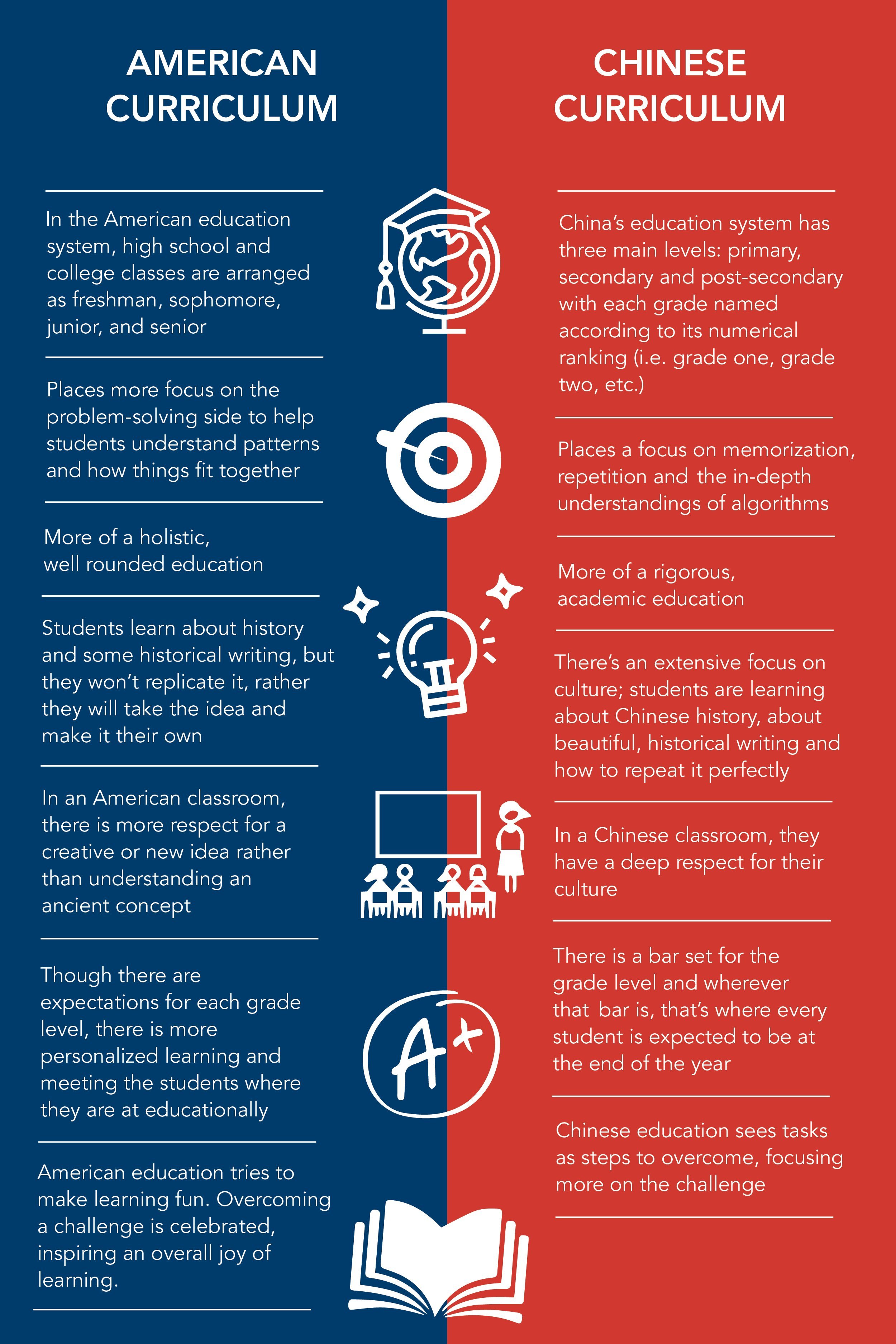
Is Chinese Offered as a Foreign Language in US Schools?
Yes, Chinese is increasingly being taught in US schools as a foreign language option. Many public and private institutions, especially in urban areas, have incorporated Mandarin Chinese into their curricula due to its growing global importance.
- Public schools in states like California and New York often include Chinese in their language programs.
- Private schools and charter schools are more likely to offer Chinese as part of a broader international focus.
- Immersion programs, where students learn subjects partially in Chinese, are also available in some districts.
How Common Is Chinese Language Education in the US?
While not as widespread as Spanish or French, Chinese language programs are expanding. The demand for Mandarin has risen alongside China's economic influence.
- Elementary schools with dual-language programs often feature Chinese.
- High schools may offer Chinese as an elective or Advanced Placement (AP) course.
- Universities frequently include Chinese in their world language departments.
What Are the Benefits of Learning Chinese in US Schools?
Studying Chinese provides students with competitive advantages in academia and the job market.
- Career opportunities in international business, diplomacy, and technology improve.
- Cognitive benefits, such as enhanced problem-solving skills, are linked to learning Mandarin.
- Cultural awareness increases through exposure to Chinese history and traditions.
Are There Challenges in Teaching Chinese in US Schools?
Despite its benefits, teaching Chinese faces several obstacles in the US education system.
- Shortage of qualified teachers proficient in Mandarin and pedagogy.
- Complex writing system (characters) makes it harder for English-speaking students.
- Limited funding for less commonly taught language programs.
How Do US Schools Compare Globally in Chinese Language Education?
The US lags behind some countries in Chinese language proficiency but is making progress.
- Asia-Pacific nations like Australia integrate Chinese more extensively.
- European schools often prioritize Chinese earlier in education.
- US initiatives, such as Confucius Institutes, help bridge the gap.
Frequently Asked Questions (FAQ)
What are Chinese immersion schools in the US?
Chinese immersion schools are educational institutions in the United States where students learn core subjects like math, science, and social studies primarily in Mandarin Chinese. These schools aim to develop bilingualism and biliteracy by immersing students in the language for a significant portion of the school day. The curriculum often follows state standards while integrating Chinese culture and language acquisition through interactive and engaging methods.
How do Chinese immersion schools benefit students?
Attending a Chinese immersion school offers numerous advantages, including cognitive benefits like improved problem-solving skills and enhanced memory. Students also gain fluency in Mandarin, a valuable skill in today’s global economy. Additionally, exposure to Chinese traditions and customs fosters cultural awareness and prepares students for future opportunities in international fields like business, diplomacy, and education.
Are Chinese immersion schools only for families with Chinese heritage?
No, Chinese immersion schools welcome students from all backgrounds, regardless of their familiarity with the language or culture. These programs are designed for non-native speakers as well as heritage learners, providing tailored support to help all students succeed. The inclusive environment encourages diversity and helps build a community of learners who appreciate multicultural perspectives.
What should parents consider before enrolling their child in a Chinese immersion school?
Parents should evaluate factors like the school’s teaching methodology, the balance between English and Mandarin instruction, and the availability of resources for language support at home. It’s also important to assess the school’s academic performance and whether it aligns with their child’s learning style. Visiting the school, speaking with teachers, and connecting with other parents can provide valuable insights into the program’s effectiveness and community.
Leave a Reply
Related Posts