
Do Chinese Speakers Suffer from Character Amnesia? And Other Random Questions About Chinese Language

In an era dominated by digital communication, Chinese speakers face a unique challenge: character amnesia. As typing replaces handwriting, many find themselves struggling to recall even basic characters, sparking debates about the future of literacy. But this phenomenon is just one of many curiosities surrounding the Chinese language. From its tonal complexities to the sheer volume of characters, Chinese continues to fascinate and confound learners and native speakers alike. This article explores whether character amnesia is a real concern, while delving into other intriguing questions about one of the world’s oldest and most intricate writing systems. How does technology reshape our relationship with language? Let’s find out.
- Do Chinese Speakers Suffer from Character Amnesia? And Other Random Questions About Chinese Language
- What do Chinese speakers struggle with in English?
- What do Chinese people do when they don't know a character?
- What are the three interesting facts about Chinese language?
- What is character amnesia?
- Frequently Asked Questions (FAQ)
Do Chinese Speakers Suffer from Character Amnesia? And Other Random Questions About Chinese Language
What Is Character Amnesia in Chinese?
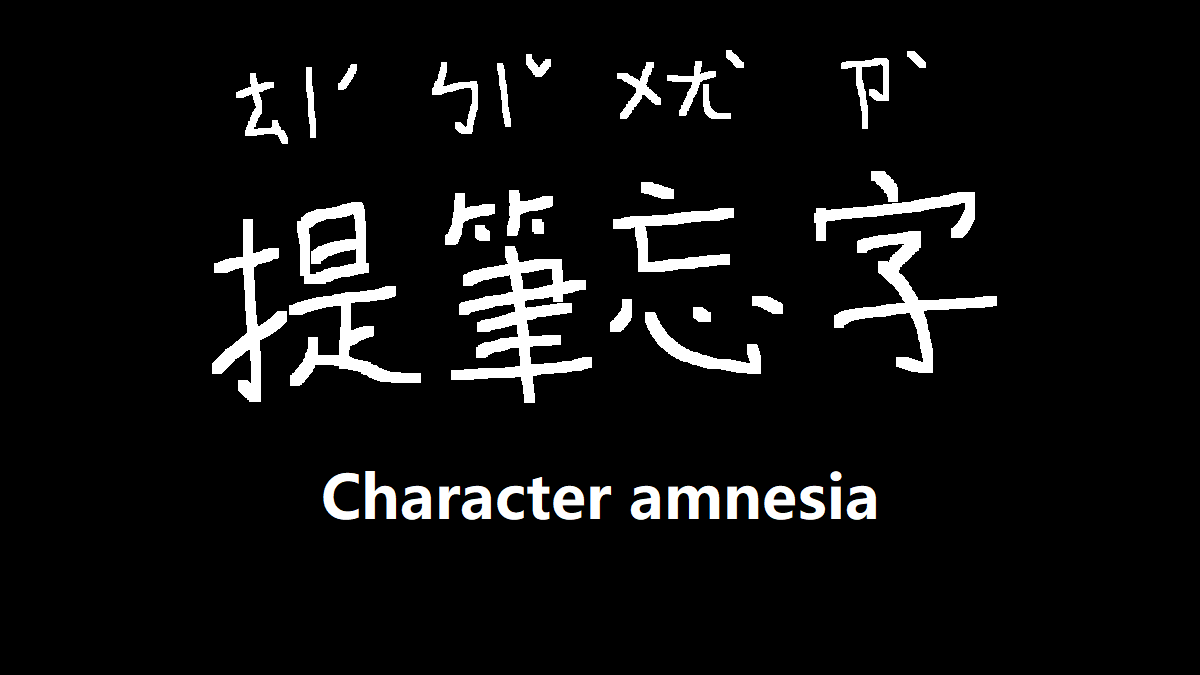
Character amnesia, or 提笔忘字 (tíbǐ wàngzì), refers to the phenomenon where native Chinese speakers forget how to write certain characters due to reliance on digital input methods like Pinyin. While they can recognize characters when reading, writing them by hand becomes challenging without technological aids.
| Term | Description |
|---|---|
| Character Amnesia | Forgetting how to write characters despite recognizing them. |
| Pinyin | Romanization system used for typing Chinese characters. |
How Common Is Character Amnesia Among Chinese Speakers?
Studies suggest that younger generations are more prone to character amnesia, as they primarily use smartphones and computers. A 2010 survey by China Youth Daily found that 83% of respondents admitted struggling with handwriting characters.
See AlsoA Guide to All Dialects of Chinese| Age Group | Affected by Character Amnesia |
|---|---|
| Teenagers | High susceptibility |
| Adults (40+) | Less affected |
Does Character Amnesia Affect Language Proficiency?
While it may weaken handwriting skills, it doesn’t necessarily impair overall language proficiency. Speakers retain oral fluency and reading comprehension. However, educators emphasize the cultural importance of maintaining handwriting.
| Aspect | Impact |
|---|---|
| Handwriting | Declines |
| Speaking/Reading | Unaffected |
Are There Efforts to Combat Character Amnesia?
Yes! Schools and cultural organizations promote calligraphy classes and handwriting competitions. Apps like Skritter also help users practice writing characters.
| Initiative | Purpose |
|---|---|
| Calligraphy Courses | Revive traditional writing |
| Handwriting Exams | Test character recall |
How Does Chinese Compare to Other Languages in This Aspect?
Unlike alphabetic languages, Chinese relies on thousands of unique characters, making memorization harder. However, similar issues arise in languages like Japanese (Kanji) due to digital dependence.
See AlsoHow to not teach Chinese characters to beginners: A 12-step approach| Language | Challenge |
|---|---|
| Chinese | Character memorization |
| Japanese | Kanji retention |
What do Chinese speakers struggle with in English?
Pronunciation Challenges
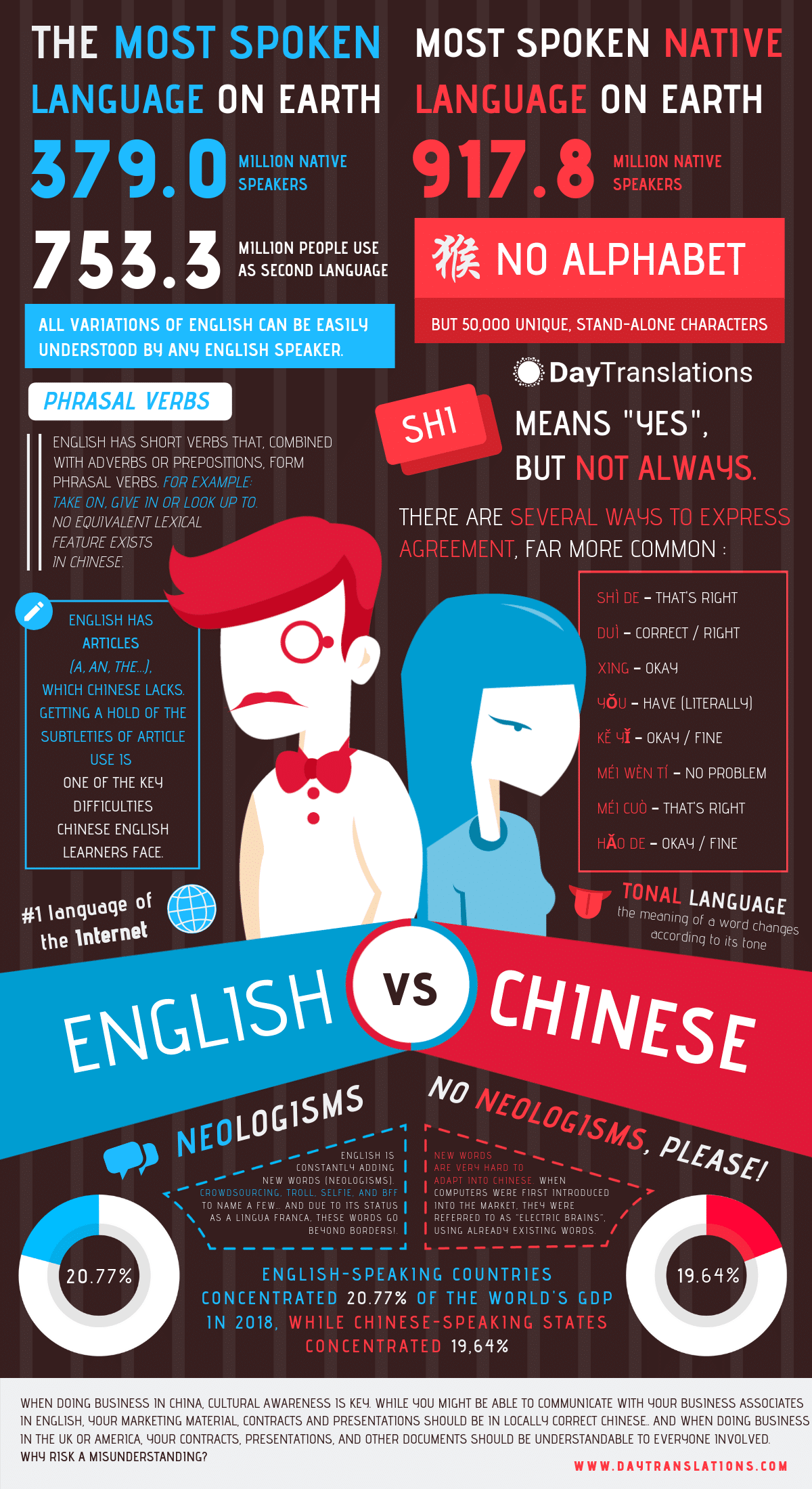
Chinese speakers often struggle with English pronunciation due to differences in phonetic systems. Key issues include:
- Consonant clusters: English words like strengths are difficult because Mandarin lacks such combinations.
- Vowel sounds: Distinguishing between /æ/ (cat) and /ɑː/ (car) is challenging, as Mandarin has fewer vowel variations.
- Intonation and stress: English uses stress patterns, while Mandarin relies on tones, making rhythm hard to master.
Grammar Differences
English grammar poses hurdles for Chinese speakers because of structural contrasts. Common struggles include:
See AlsoDo you really know how to count in Chinese?- Verb tenses: Mandarin doesn’t conjugate verbs, leading to errors like I go yesterday.
- Articles (a, an, the): Mandarin omits articles, causing omissions or overuse.
- Plural forms: Forgetting to add -s (e.g., two book) is frequent.
Vocabulary and Idioms
Mastering English vocabulary and idioms is tough due to cultural and linguistic gaps. Issues involve:
- False friends: Words like embarrassed (误会 in Chinese) are misused.
- Phrasal verbs: Give up or look after lack direct translations.
- Idiomatic expressions: Phrases like hit the books confuse literal-minded learners.
Listening Comprehension
Understanding spoken English is difficult because of speed and accents. Key problems:
- Connected speech: Words blend (e.g., wanna for want to).
- Regional accents: British vs. American pronunciation varies widely.
- Slang and colloquialisms: Informal terms like gonna aren’t taught formally.
Writing and Punctuation
English writing conventions differ significantly from Chinese. Challenges include:
See AlsoLearn Chinese faster by leaving your comfort zone- Sentence structure: Mandarin often places verbs at the end, unlike English SVO order.
- Punctuation rules: Misuse of commas or apostrophes (e.g., its vs. it’s).
- Formal vs. informal tone: Essays may sound too direct or lack cohesion.
What do Chinese people do when they don't know a character?

Using Digital Tools to Identify Characters
When Chinese people encounter an unfamiliar character, they often rely on digital tools to identify it. Here are common methods:
- Pinyin input: Typing the suspected pronunciation in a keyboard app to find matching characters.
- Handwriting recognition: Drawing the character on a touchscreen to let software suggest possible matches.
- OCR apps: Scanning printed text with optical character recognition tools like Pleco or Google Translate.
Asking Others for Help
Seeking assistance from peers or experts is another practical approach. Key scenarios include:
See AlsoHow learning some basic theory can improve your Mandarin pronunciation- Teachers or colleagues: Asking someone with stronger literacy skills for clarification.
- Online forums: Posting the character on platforms like Zhihu or Reddit for explanations.
- Family members: Consulting older generations familiar with traditional or complex characters.
Consulting Physical Dictionaries
Though less common today, traditional dictionaries remain useful. Steps involve:
- Radical lookup: Identifying the character’s radical component and searching by stroke count.
- Index systems: Using methods like the Four-Corner System for older dictionaries.
- Bilingual dictionaries: Cross-referencing meanings in Chinese-English or other language pairs.
Breaking Down the Character
Analyzing the character’s structure aids comprehension. Strategies include:
- Component analysis: Separating the character into radicals and phonetic parts.
- Context clues: Inferring meaning from surrounding words or sentences.
- Mnemonic devices: Creating stories or associations to remember the character.
Ignoring or Skipping the Character
In casual settings, people might temporarily overlook the character. Reasons include:
- Low priority: If the character isn’t critical to understanding the overall text.
- Time constraints: Skipping it during fast-paced conversations or readings.
- Intentional avoidance: Choosing simpler synonyms or paraphrasing to bypass the unknown term.
What are the three interesting facts about Chinese language?
The Chinese Language Has the Most Native Speakers Worldwide
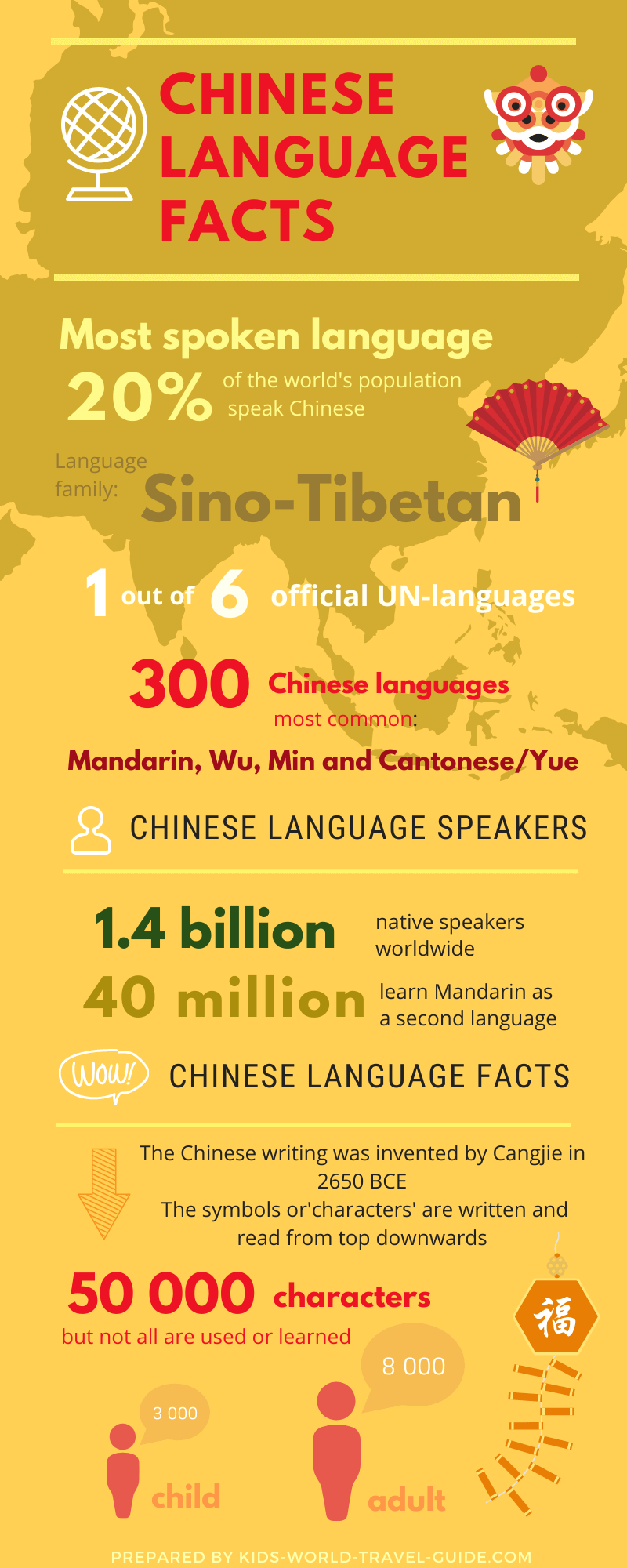
Mandarin Chinese is the most spoken language globally, with over 1 billion native speakers. Here are some key points:
- Mandarin alone accounts for roughly 70% of all Chinese speakers.
- It is one of the six official languages of the United Nations.
- The language's dominance is due to China's massive population and cultural influence.
Chinese Uses a Logographic Writing System
Unlike alphabetic languages, Chinese relies on characters (汉字/hànzì), each representing a word or concept. Key details include:
- There are over 50,000 characters, but only about 20,000 are in regular use.
- Simplified characters were introduced in the 1950s to improve literacy rates.
- Each character carries meaning and sound, making it a unique linguistic system.
Chinese Is a Tonal Language
Tones are crucial in Chinese, as they change the meaning of words. Important facts:
- Mandarin has four primary tones and a neutral tone.
- A single syllable like ma can mean mother (妈), hemp (麻), or horse (马) depending on tone.
- Tonal variations make pronunciation challenging for learners but add richness to the language.
Chinese Has Influenced Many Other Languages
The language has left a significant mark on neighboring cultures and languages. Highlights:
- Japanese, Korean, and Vietnamese incorporate Chinese characters or vocabulary.
- Loanwords like kung fu (功夫) and tofu (豆腐) are used globally.
- Classical Chinese was the literary language of East Asia for centuries.
Chinese Dialects Can Be Mutually Unintelligible
Despite sharing a writing system, spoken dialects vary widely. Notable points:
- Cantonese, Shanghainese, and Hokkien differ significantly from Mandarin.
- Some dialects preserve ancient pronunciations lost in Mandarin.
- Linguists classify these as separate languages due to their differences.
What is character amnesia?
What is Character Amnesia?
Character amnesia is a phenomenon where individuals, particularly those who frequently use digital devices, struggle to recall how to write certain Chinese characters or other logographic script symbols by hand. This occurs due to reliance on pinyin input methods or predictive text, which reduce the need for manual writing. The brain's muscle memory for these characters weakens over time, leading to temporary or even permanent forgetfulness.
- Digital dependency reduces the need for handwriting.
- Pinyin input systems prioritize pronunciation over character structure.
- Lack of practice diminishes retention of complex characters.
Causes of Character Amnesia
The primary causes of character amnesia stem from modern technological habits. The shift from pen-and-paper writing to digital communication has significantly altered how people engage with written language.
- Overuse of smartphones and computers for typing.
- Education systems focusing less on handwriting drills.
- Predictive text tools reducing cognitive effort in writing.
Effects of Character Amnesia
Character amnesia can have both personal and cultural consequences, impacting literacy and traditional language preservation.
- Decline in handwriting proficiency among younger generations.
- Difficulty recalling rare or complex characters in professional settings.
- Erosion of cultural heritage tied to calligraphy and manual writing.
How to Prevent Character Amnesia
To combat character amnesia, individuals can adopt habits that reinforce manual writing and character recognition.
- Practice handwriting regularly, even in short sessions.
- Use paper dictionaries instead of digital lookups.
- Engage in calligraphy or traditional writing arts.
Character Amnesia in Different Languages
While commonly associated with Chinese characters, similar phenomena occur in other logographic or complex writing systems.
- Japanese kanji users experience forgetfulness due to kana input.
- Korean hanja (Chinese characters in Korean) face declining usage.
- Non-logographic scripts may also see reduced spelling accuracy.
Frequently Asked Questions (FAQ)
What is character amnesia, and do Chinese speakers really suffer from it?
Character amnesia refers to the phenomenon where individuals, particularly native speakers of logographic languages like Chinese, forget how to write certain characters despite recognizing them when reading. This often occurs due to increased reliance on digital input methods, such as pinyin keyboards, which reduce the need for handwriting. Studies suggest that many Chinese speakers, especially younger generations, experience this to some degree. However, it doesn’t necessarily impair their overall language proficiency, as they can still recognize and understand the characters in context.
How does the complexity of Chinese characters contribute to character amnesia?
The intricate structure of Chinese characters, with their numerous strokes and components, makes them more susceptible to being forgotten when not regularly practiced. Unlike alphabetic systems, where letters represent sounds, Chinese characters often require memorization of visual patterns. When individuals rely heavily on digital tools that prioritize phonetic input, the muscle memory and mental reinforcement needed for handwriting diminish, exacerbating character amnesia over time.
Are there any benefits to using digital input methods despite the risk of character amnesia?
Absolutely. Digital input methods, such as pinyin or voice recognition, significantly enhance typing speed and efficiency, making communication faster and more accessible. They also lower the barrier for learners by allowing them to focus on meaning and pronunciation before mastering handwriting. While they may contribute to character amnesia, these tools democratize language use and adapt to modern, technology-driven lifestyles, ensuring Chinese remains functional in digital spaces.
Can character amnesia be reversed or prevented?
Yes, through consistent handwriting practice and mindful engagement with written Chinese. Techniques like regular journaling, calligraphy, or even writing shopping lists by hand can reinforce memory. Some educators advocate for balancing digital and traditional methods in schools to preserve character retention. While technology is unlikely to disappear, conscious effort can mitigate the effects of character amnesia and maintain literacy in both forms of communication.
Leave a Reply
Related Posts