
Best Chinese Podcasts to Learn Mandarin in an Immersive Environment

Learning Mandarin can be a rewarding yet challenging journey, and immersing yourself in the language is one of the most effective ways to accelerate progress. Podcasts offer a convenient and engaging way to absorb Mandarin naturally, whether you're a beginner or an advanced learner. From conversational practice to cultural insights, the best Chinese podcasts provide authentic content that mimics real-life interactions. This article highlights top podcasts designed to enhance your listening skills, expand vocabulary, and deepen cultural understanding—all while fitting seamlessly into your daily routine. Discover immersive audio experiences that make mastering Mandarin both enjoyable and practical, no matter your current proficiency level.
Best Chinese Podcasts to Learn Mandarin in an Immersive Environment
Learning Mandarin through podcasts is an excellent way to immerse yourself in the language. Podcasts offer real-life conversations, cultural insights, and flexible learning at your own pace. Below, we explore some of the best Chinese podcasts that can help you improve your listening skills, vocabulary, and pronunciation while keeping you engaged.
1. Why Learn Mandarin Through Podcasts?
Podcasts provide an immersive experience by exposing learners to authentic speech patterns, tones, and cultural contexts. Unlike textbooks, podcasts offer dynamic content, such as interviews, stories, and news, making learning more interactive and engaging.
See AlsoDuolingo With Friends: Team Up with Friends & Family| Advantage | Description |
|---|---|
| Flexibility | Listen anytime, anywhere—perfect for busy learners. |
| Real-life Context | Hear native speakers in natural conversations. |
| Variety of Topics | Choose from news, stories, or casual dialogues. |
2. Top Podcasts for Beginners
For beginners, it’s essential to start with podcasts that use simple vocabulary and slow speech. Some great options include:
- ChinesePod Beginner – Structured lessons with clear explanations.
- Slow Chinese – News and stories spoken slowly for comprehension.
| Podcast | Key Feature |
|---|---|
| ChinesePod Beginner | Step-by-step lessons with transcripts. |
| Slow Chinese | Slow-paced narration for easy understanding. |
3. Intermediate-Level Mandarin Podcasts
Once you’ve mastered the basics, intermediate learners should focus on podcasts with natural speed and diverse topics. Recommended podcasts:
See AlsoChinese Social Media: WeChat – An Introduction- Learn Taiwanese Mandarin – Covers daily life and slang.
- Popup Chinese – Engaging dialogues and cultural insights.
| Podcast | Key Feature |
|---|---|
| Learn Taiwanese Mandarin | Focuses on practical, colloquial language. |
| Popup Chinese | Balanced mix of grammar and conversation. |
4. Advanced Mandarin Podcasts for Fluency
For advanced learners, podcasts should challenge comprehension with fast speech, idioms, and complex topics. Top picks:
- The Chairman’s Bao – News-based learning with analysis.
- Mandarin Monkey – Deep dives into language nuances.
| Podcast | Key Feature |
|---|---|
| The Chairman’s Bao | Current events with vocabulary breakdowns. |
| Mandarin Monkey | Explores advanced grammar and slang. |
5. Podcasts for Business Mandarin
If you're learning Mandarin for business, specialized podcasts can help with professional vocabulary and formal communication. Recommended:
- Business Chinese Podcast – Covers corporate terminology.
- Chinese Business Etiquette – Discusses cultural norms in work settings.
| Podcast | Key Feature |
|---|---|
| Business Chinese Podcast | Focuses on workplace language. |
| Chinese Business Etiquette | Teaches formal interactions. |
What is the most effective way to learn Mandarin?
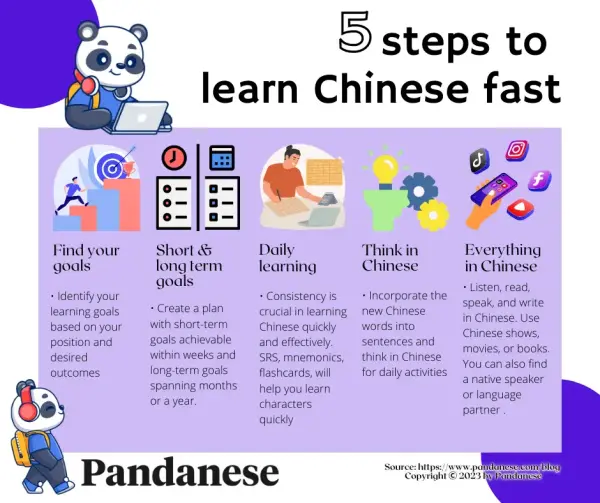
Immerse Yourself in the Language Environment
The most effective way to learn Mandarin is through immersion. Surrounding yourself with the language daily accelerates comprehension and speaking skills. Here’s how:
- Live or study in a Mandarin-speaking country to practice with native speakers.
- Watch Mandarin TV shows, movies, and news to improve listening and cultural understanding.
- Label objects in your home with their Mandarin names to reinforce vocabulary.
Prioritize Speaking and Listening Practice
Conversational practice is key to mastering Mandarin. Focus on real-life interactions to build fluency:
- Join language exchange programs or find a Mandarin-speaking partner.
- Use apps like HelloTalk or Tandem to practice speaking daily.
- Repeat phrases aloud from podcasts or audiobooks to improve pronunciation.
Master Pinyin and Tones Early
Pinyin (Romanization) and tones are foundational in Mandarin. Mispronouncing tones can change meanings entirely:
See AlsoUsing Chinese textbooks to improve reading ability- Learn the four tones and practice them with native speakers.
- Use Pinyin charts to associate sounds with characters.
- Record yourself and compare with native pronunciations.
Build Vocabulary with Flashcards and Spaced Repetition
Memorizing characters efficiently requires structured methods:
- Use apps like Anki or Pleco for spaced repetition.
- Focus on high-frequency words first to quickly gain practical skills.
- Write characters repeatedly to reinforce muscle memory.
Consistency and Structured Learning
Regular practice and a structured plan prevent burnout and ensure progress:
- Set daily goals, like learning 5 new words or 1 grammar rule.
- Follow a textbook or online course (e.g., HSK materials) for systematic learning.
- Track progress weekly to stay motivated and adjust methods.
How many years does it take to learn Mandarin fluently?

Factors Affecting the Time to Learn Mandarin Fluently
The time it takes to learn Mandarin fluently depends on several factors, including:
- Prior language experience: Knowing other tonal languages like Cantonese or Vietnamese can speed up the process.
- Study intensity: Full-time immersion programs yield faster results than casual part-time study.
- Learning methods: Structured classes with native speakers are more effective than self-study alone.
Estimated Timeframes for Fluency in Mandarin
Fluency timelines vary, but general estimates include:
- Basic conversational skills: 1-2 years with consistent practice.
- Intermediate proficiency: 3-5 years, including reading and writing.
- Advanced fluency: 5+ years, especially for mastering Chinese characters and nuances.
The Role of Immersion in Learning Mandarin
Immersion significantly reduces learning time by:
- Daily exposure: Forces constant practice and real-world application.
- Cultural context: Helps understand idioms and social cues faster.
- Accelerated retention: Reinforces vocabulary and tones naturally.
Challenges That Prolong Mandarin Fluency
Common obstacles include:
- Tonal system: Mandarin’s four tones are difficult for non-native speakers.
- Character memorization: Learning 3,000+ characters for literacy takes years.
- Grammar differences: Sentence structure contrasts sharply with English.
Strategies to Speed Up Mandarin Learning
Effective approaches to shorten the timeline:
- Spaced repetition: Tools like Anki reinforce vocabulary efficiently.
- Language partners: Practicing with natives improves speaking and listening.
- Media consumption: Watching Chinese shows or reading news builds comprehension.
Is Ni Hao Kai Lan good for learning Chinese?

Does Ni Hao Kai Lan Teach Basic Chinese Vocabulary?
Ni Hao Kai-Lan is designed to introduce young learners to basic Chinese vocabulary and phrases. The show incorporates simple words like greetings, numbers, and everyday expressions in a repetitive manner, which aids memorization. Here’s how it helps:
- Repetition: Key phrases are repeated often, reinforcing learning.
- Contextual Use: Words are used in relatable situations, making them easier to understand.
- Visual Cues: The animation provides visual context for the spoken language.
Is Ni Hao Kai-Lan Culturally Accurate for Learning Chinese?
The show blends Chinese culture with language learning, though it simplifies elements for a young audience. It introduces traditions, festivals, and values, but may not delve deeply into regional nuances. Key aspects include:
- Festivals: Celebrates events like Lunar New Year with basic explanations.
- Family Values: Emphasizes respect for elders, a core Chinese cultural trait.
- Visual Representation: Uses symbols like dragons and lanterns to reflect cultural imagery.
How Effective Is Ni Hao Kai-Lan for Pronunciation Practice?
While Ni Hao Kai-Lan provides exposure to Mandarin pronunciation, it may not offer rigorous practice. The show’s pace and simplicity are suited for beginners, but advanced learners might need additional resources. Strengths include:
- Clear Speech: Characters speak slowly and clearly for comprehension.
- Native Speakers: Uses native Mandarin voice actors for authenticity.
- Limited Complexity: Focuses on short phrases rather than full sentences.
Can Ni Hao Kai-Lan Replace Formal Chinese Lessons?
Ni Hao Kai-Lan is a supplementary tool, not a replacement for structured lessons. It excels in sparking interest but lacks grammar explanations or writing practice. Considerations:
- Engagement: Keeps young learners interested in the language.
- Limited Scope: Covers basics without advancing to complex grammar.
- No Writing: Focuses solely on spoken Mandarin and listening skills.
What Age Group Benefits Most from Ni Hao Kai-Lan?
The show is tailored for preschoolers and early elementary children, aligning with their cognitive and attention spans. Older learners may find it too simplistic. Key features for this age group:
- Simple Language: Uses short, easy-to-remember phrases.
- Interactive Elements: Encourages participation through questions and prompts.
- Colorful Animation: Holds attention while teaching.
How many hours a day should I study Mandarin?
How Many Hours a Day Should a Beginner Study Mandarin?
For beginners, consistency is more important than long study sessions. Aim for 1 to 2 hours daily to build a strong foundation without overwhelming yourself. Here’s a breakdown:
- 30 minutes for vocabulary and basic phrases.
- 30 minutes for listening practice (e.g., podcasts or simple dialogues).
- 30 minutes for writing characters or grammar exercises.
- 30 minutes of speaking practice (if possible, with a tutor or language partner).
How Many Hours Should an Intermediate Learner Study Mandarin Daily?
Intermediate learners should increase their study time to 2 to 3 hours daily to reinforce skills and expand fluency. Focus on:
- 1 hour for advanced vocabulary and sentence structures.
- 1 hour of immersive listening (TV shows, news, or audiobooks).
- 30 minutes for writing essays or journaling in Mandarin.
- 30 minutes of conversation practice with native speakers.
How Many Hours Should an Advanced Student Study Mandarin Per Day?
Advanced learners aiming for near-native fluency should dedicate 3+ hours daily, focusing on refinement and real-world usage:
- 1 hour for specialized vocabulary (business, literature, etc.).
- 1 hour of advanced listening (debates, documentaries).
- 1 hour for writing complex texts or translations.
- 30+ minutes of debate or in-depth discussions in Mandarin.
Can You Learn Mandarin with Only 30 Minutes of Daily Study?
While 30 minutes a day is better than nothing, progress will be slow. To make it effective:
- Focus on high-frequency words (10-15 new terms daily).
- Use apps like Duolingo or Anki for spaced repetition.
- Prioritize listening (e.g., short dialogues or songs).
- Practice speaking aloud, even if alone.
Is Studying Mandarin for 4+ Hours a Day Effective?
4+ hours daily can accelerate learning but risks burnout. To sustain this intensity:
- Break sessions into 45-60 minute blocks with breaks.
- Mix activities (reading, speaking, watching media).
- Track progress weekly to stay motivated.
- Rest adequately to retain information.
Frequently Asked Questions (FAQ)
What are the best Chinese podcasts for immersive Mandarin learning?
When looking for the best Chinese podcasts to immerse yourself in Mandarin, consider shows like ChinesePod, which offers structured lessons for all levels, or Slow Chinese, perfect for intermediate learners seeking natural pacing. For advanced learners, The Chairman's Bao provides news-based content, while Learn Taiwanese Mandarin focuses on colloquial speech. These podcasts create an immersive environment by blending vocabulary, culture, and real-life conversations.
How can podcasts help with Mandarin pronunciation and listening skills?
Podcasts are an excellent tool for improving Mandarin pronunciation and listening comprehension because they expose learners to native speakers' tones, rhythms, and accents. Many podcasts, like Mandarin Corner, include transcripts and repetition exercises to reinforce learning. By regularly listening to authentic conversations, learners train their ears to distinguish between similar sounds, such as sh and x, while mimicking hosts helps refine their own speech.
Are there any free Chinese podcasts suitable for beginners?
Yes! Several free Chinese podcasts cater to beginners, such as Learn Chinese | ChineseClass101, which offers bite-sized lessons with cultural insights. Another great option is HSK Academy, focusing on vocabulary for the HSK exams. These podcasts often start with basic phrases, pinyin support, and slow speech to build confidence. While some may offer premium content, their free episodes still provide substantial immersion opportunities for new learners.
What makes a podcast effective for immersive Mandarin learning?
An effective Mandarin-learning podcast combines engaging content, clear audio, and structured progression. Look for shows that balance teaching and real-world usage, like TeaTime Chinese, which discusses everyday topics. Features like bilingual hosts, interactive exercises, and cultural notes enhance immersion. The best podcasts also adapt to different learning speeds—whether through slow narration for beginners or unfiltered dialogues for advanced learners—keeping the experience both challenging and enjoyable.
Leave a Reply
Related Posts