
How Accurate Is Duolingo? Insights on Language Learning


Duolingo has become one of the most popular language-learning platforms worldwide, offering accessible and gamified lessons for over 40 languages. But how accurate is it as a tool for mastering a new language? While its engaging interface and bite-sized lessons make it appealing, questions remain about its effectiveness in achieving fluency. This article explores the accuracy of Duolingo’s teaching methods, its strengths in vocabulary and grammar, and its limitations in real-world communication. By examining user experiences, expert opinions, and comparative studies, we aim to provide a balanced perspective on whether Duolingo can truly help learners achieve their language goals.
- How Accurate Is Duolingo? Insights on Language Learning
-
Are Duolingo language levels accurate?
- How Does Duolingo Measure Language Proficiency?
- Can Duolingo Levels Replace Formal Language Certifications?
- How Accurate Are Duolingo's Language Levels for Real-World Communication?
- What Are the Limitations of Duolingo's Language Levels?
- How Does Duolingo Compare to Other Language Learning Platforms?
- Has Duolingo actually helped people learn a language?
- Can you actually learn a language fluently with Duolingo?
- What is one criticism of Duolingo?
- Frequently Asked Questions From our Community
How Accurate Is Duolingo? Insights on Language Learning
Duolingo is one of the most popular language-learning platforms globally, but its accuracy and effectiveness are often debated. While it provides a user-friendly and gamified approach to learning, its precision in teaching grammar, vocabulary, and pronunciation varies. Below, we explore the accuracy of Duolingo and provide insights into its strengths and limitations.
1. How Does Duolingo Teach Vocabulary?
Duolingo uses a spaced repetition system to help learners retain vocabulary. Words and phrases are introduced gradually and repeated over time to reinforce memory. However, the platform sometimes focuses on less practical vocabulary in the early stages, which can be frustrating for users seeking immediate conversational skills.
See AlsoSpaced repetition isn’t rote learning| Aspect | Details |
|---|---|
| Vocabulary Range | Broad but sometimes impractical |
| Repetition System | Effective for long-term retention |
2. Is Duolingo's Grammar Instruction Reliable?
Duolingo introduces grammar through contextual examples rather than explicit rules. While this method is intuitive for some learners, it can lead to misunderstandings for those who need clear explanations. Advanced learners might find the grammar instruction too simplistic.
| Aspect | Details |
|---|---|
| Grammar Approach | Contextual, not rule-based |
| Complexity | Limited for advanced learners |
3. How Accurate Is Duolingo's Pronunciation Practice?
Duolingo's speech recognition technology is decent but not flawless. It can struggle with accents and subtle pronunciation differences, which may lead to incorrect feedback. For beginners, this can be misleading, but it improves with more common phrases.
| Aspect | Details |
|---|---|
| Speech Recognition | Good but imperfect |
| Accent Sensitivity | Limited accuracy |
4. Does Duolingo Prepare You for Real Conversations?
Duolingo excels in building basic conversational skills but falls short in preparing users for real-life interactions. The platform lacks cultural context and idiomatic expressions, which are crucial for fluency. It’s best used as a supplement to other learning methods.
See AlsoDuolingo Max Android: Features and Benefits Overview In 2025| Aspect | Details |
|---|---|
| Conversational Skills | Basic level only |
| Cultural Context | Minimal or absent |
5. How Does Duolingo Compare to Traditional Language Learning?
Duolingo is more accessible and affordable than traditional language classes, but it lacks the personalized feedback and structured curriculum that a teacher provides. It’s a great tool for beginners or casual learners but may not suffice for advanced proficiency.
| Aspect | Details |
|---|---|
| Accessibility | High, with free options |
| Personalization | Limited compared to classes |
Are Duolingo language levels accurate?
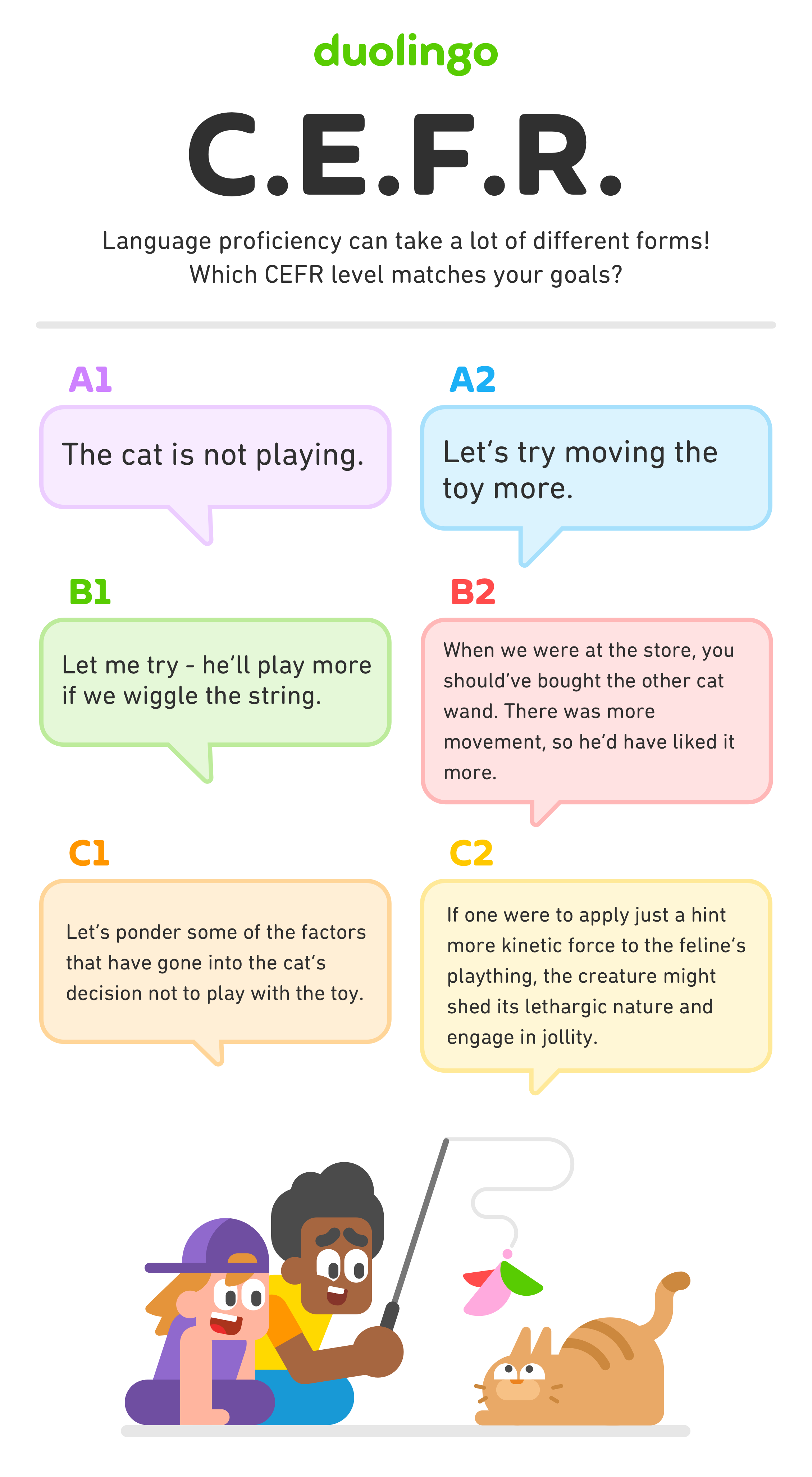
How Does Duolingo Measure Language Proficiency?
Duolingo uses a combination of gamified lessons, quizzes, and progress tracking to measure language proficiency. The platform assigns users a language level based on their performance in various exercises, including vocabulary, grammar, and listening comprehension. However, these levels are not directly aligned with standardized frameworks like the CEFR (Common European Framework of Reference for Languages), which makes it difficult to compare Duolingo's levels with real-world language proficiency.
See AlsoSimplified Chinese vs Traditional Chinese - What’s Best For Me?- Duolingo's levels are based on internal metrics rather than external standards.
- The platform focuses on gamification, which may not fully reflect real-world language skills.
- Users progress through levels by completing repetitive exercises, which may not cover all aspects of language learning.
Can Duolingo Levels Replace Formal Language Certifications?
Duolingo levels are not a substitute for formal language certifications such as TOEFL, IELTS, or DELE. While Duolingo can help build foundational skills, it lacks the rigorous testing and comprehensive evaluation required for official certifications. Formal exams assess speaking, writing, reading, and listening skills in a structured manner, whereas Duolingo primarily focuses on gamified learning.
- Duolingo does not test speaking and writing skills as thoroughly as formal exams.
- Certifications like TOEFL are recognized by educational institutions and employers, unlike Duolingo levels.
- Duolingo's approach is more suited for casual learners rather than those seeking professional validation.
How Accurate Are Duolingo's Language Levels for Real-World Communication?
Duolingo's language levels can provide a basic understanding of a language, but they may not fully prepare users for real-world communication. The platform emphasizes vocabulary and grammar but often lacks practical scenarios, such as conversational practice or cultural context. As a result, users might find themselves struggling in authentic interactions despite achieving high levels on Duolingo.
- Duolingo's lessons are often isolated and lack real-life context.
- The platform does not emphasize pronunciation or fluency as much as other methods.
- Users may need additional resources to bridge the gap between Duolingo and real-world usage.
What Are the Limitations of Duolingo's Language Levels?
Duolingo's language levels have several limitations, including a lack of personalized feedback and limited exposure to advanced topics. The platform's one-size-fits-all approach may not cater to individual learning needs, and its content often stops at an intermediate level, leaving advanced learners wanting more.
See Also12 ways chatting online will improve your Chinese- Duolingo does not provide customized learning paths based on individual strengths and weaknesses.
- The platform's content is often repetitive, which can hinder progress for advanced learners.
- Duolingo's levels do not account for cultural nuances or regional dialects.
How Does Duolingo Compare to Other Language Learning Platforms?
Compared to other language learning platforms like Babbel, Rosetta Stone, or Busuu, Duolingo is more accessible and affordable but less comprehensive. While Duolingo excels in gamification and user engagement, it falls short in providing in-depth lessons and real-world application. Other platforms often include features like live tutoring, advanced grammar explanations, and cultural insights, which Duolingo lacks.
- Duolingo is more budget-friendly but less feature-rich than competitors.
- Platforms like Babbel offer structured courses aligned with CEFR levels.
- Duolingo's focus on gamification may not suit learners seeking a more traditional approach.
Has Duolingo actually helped people learn a language?

How Effective is Duolingo for Language Learning?
Duolingo has proven to be an effective tool for many language learners, particularly for beginners. The app uses a gamified approach to make learning engaging and accessible. Here are some key points:
See AlsoWhom should you trust for advice about learning Chinese?- Accessibility: Duolingo is free and available on multiple platforms, making it easy for anyone to start learning a new language.
- Gamification: The app incorporates game-like elements such as streaks, points, and levels, which motivate users to practice regularly.
- Vocabulary Building: Duolingo focuses heavily on vocabulary acquisition, which is essential for basic communication.
Can Duolingo Help Achieve Fluency?
While Duolingo is excellent for building foundational skills, achieving fluency requires more comprehensive practice. Here’s why:
- Limited Speaking Practice: The app offers limited opportunities for real-time speaking practice, which is crucial for fluency.
- Grammar Depth: Duolingo covers basic grammar but may not delve deeply into complex structures needed for advanced proficiency.
- Supplemental Learning: Users often need to combine Duolingo with other resources like conversation practice or immersion to achieve fluency.
What Are the Strengths of Duolingo?
Duolingo has several strengths that make it a popular choice for language learners:
- User-Friendly Interface: The app is intuitive and easy to navigate, even for those new to language learning.
- Daily Practice: The daily reminders and streak system encourage consistent practice, which is vital for language retention.
- Variety of Languages: Duolingo offers a wide range of languages, including less commonly taught ones.
What Are the Limitations of Duolingo?
Despite its popularity, Duolingo has some limitations that users should be aware of:
- Repetitive Exercises: Some users find the exercises repetitive, which can lead to boredom over time.
- Lack of Cultural Context: The app focuses on language mechanics but often lacks cultural insights, which are important for understanding a language fully.
- Over-Reliance on Translation: Many exercises rely on translation, which may not always reflect natural language use.
How Does Duolingo Compare to Traditional Language Learning Methods?
Duolingo offers a modern alternative to traditional language learning methods, but it has its pros and cons:
- Flexibility: Unlike traditional classes, Duolingo allows users to learn at their own pace and on their own schedule.
- Cost-Effective: It is more affordable than language courses or private tutors.
- Less Personalized: Traditional methods often provide personalized feedback, which Duolingo cannot fully replicate.
Can you actually learn a language fluently with Duolingo?

Is Duolingo Effective for Language Learning?
Duolingo can be a helpful tool for language learning, especially for beginners. It provides a structured approach to vocabulary, grammar, and pronunciation. However, achieving fluency requires more than just using Duolingo. Here are some key points:
- Vocabulary Building: Duolingo is excellent for learning new words and phrases.
- Grammar Basics: It introduces fundamental grammar rules in an interactive way.
- Practice: Regular use can improve reading and listening skills.
What Are the Limitations of Duolingo?
While Duolingo is a good starting point, it has limitations that can hinder fluency. Here’s why:
- Limited Speaking Practice: The app focuses less on conversational skills.
- Repetitive Content: Advanced learners may find the material too basic.
- Lack of Cultural Context: It doesn’t deeply explore cultural nuances of the language.
Can Duolingo Help with Fluency?
Duolingo alone is unlikely to make you fluent, but it can be part of a broader learning strategy. Consider the following:
- Supplemental Learning: Combine Duolingo with other resources like language classes or tutors.
- Consistency: Daily practice on Duolingo can reinforce learning.
- Real-World Practice: Use the language in real-life situations to improve fluency.
How Does Duolingo Compare to Traditional Learning Methods?
Duolingo offers a more flexible and gamified approach compared to traditional methods. Here’s how they differ:
- Accessibility: Duolingo is available anytime, anywhere, unlike scheduled classes.
- Engagement: Its game-like structure keeps users motivated.
- Depth: Traditional methods often provide deeper understanding and personalized feedback.
What Are the Best Ways to Use Duolingo for Language Learning?
To maximize Duolingo’s effectiveness, follow these tips:
- Set Goals: Define clear objectives for your language learning journey.
- Combine Resources: Use Duolingo alongside podcasts, books, or language exchange partners.
- Track Progress: Regularly review your achievements and areas for improvement.
What is one criticism of Duolingo?
Limited Depth in Language Learning
One major criticism of Duolingo is its limited depth in teaching languages. While it is effective for beginners, it often falls short in providing advanced language skills. The app focuses heavily on vocabulary and basic grammar, but lacks in-depth explanations and real-world conversational practice. For example:
- It does not teach complex grammar rules in detail.
- There is minimal focus on cultural context or idiomatic expressions.
- Advanced learners may find the content repetitive and insufficient for fluency.
Over-Reliance on Gamification
Duolingo's gamification approach, while engaging, can sometimes detract from serious language learning. The app prioritizes earning points and maintaining streaks over mastering the language. This can lead to:
- Users focusing more on completing levels than understanding the material.
- A lack of motivation once the novelty of the game-like features wears off.
- Superficial learning without retention of long-term knowledge.
Lack of Speaking Practice
Another criticism is the limited speaking practice provided by Duolingo. While the app includes speaking exercises, they are often basic and lack real-time feedback. This results in:
- Users not developing proper pronunciation or fluency.
- Minimal opportunities for interactive conversation practice.
- Over-reliance on text-based learning rather than verbal communication.
Inconsistent Quality Across Languages
Duolingo's course quality varies significantly depending on the language. Popular languages like Spanish or French are well-developed, while less common languages often suffer from:
- Incomplete or outdated content.
- Lack of native speaker audio for accurate pronunciation.
- Fewer resources and updates compared to mainstream languages.
Limited Customization for Learners
Duolingo offers little customization for individual learning needs. The one-size-fits-all approach can be problematic because:
- It does not adapt to different learning speeds or styles.
- Users cannot skip topics they already know, leading to repetition.
- There is no option to focus on specific skills like business or travel language.
Frequently Asked Questions From our Community
How accurate is Duolingo in teaching a new language?
Duolingo is generally considered accurate for beginners and intermediate learners, as it focuses on building a strong foundation in vocabulary, grammar, and basic sentence structures. However, its accuracy depends on the language being learned and the user's goals. For widely spoken languages like Spanish or French, Duolingo provides reliable content aligned with common language standards. For less common languages, the accuracy might vary due to limited resources. While Duolingo is excellent for practice and reinforcement, it may not cover advanced nuances or cultural context as thoroughly as traditional language courses.
Can Duolingo help achieve fluency in a language?
Duolingo is a great tool for building foundational skills, but achieving fluency typically requires additional resources. The app focuses on gamified learning, which helps with vocabulary retention and basic grammar. However, fluency involves mastering speaking, listening, reading, and writing at an advanced level, which Duolingo alone may not fully provide. To achieve fluency, users should complement Duolingo with real-world practice, such as conversations with native speakers, immersion experiences, or advanced language courses.
How does Duolingo ensure the accuracy of its language courses?
Duolingo employs a combination of linguistic experts, native speakers, and advanced algorithms to ensure the accuracy of its courses. Each course is developed by a team of language specialists who design lessons based on established language standards. Additionally, Duolingo uses machine learning to refine its content based on user feedback and performance data. While the app strives for accuracy, occasional errors or outdated phrases may still occur, especially in less commonly taught languages.
What are the limitations of Duolingo's accuracy in language learning?
Despite its strengths, Duolingo has some limitations in terms of accuracy. For example, it may not always account for regional dialects or cultural nuances, which are crucial for real-world communication. Additionally, the app's automated voice recognition system may not always accurately assess pronunciation, especially for languages with complex sounds. Furthermore, Duolingo's focus on gamification can sometimes prioritize speed over depth, leading to a lack of detailed explanations for advanced grammar or idiomatic expressions. Users should be aware of these limitations and seek supplementary resources when necessary.
Leave a Reply
Related Posts