
Does Duolingo Work for Learning Languages? An In-Depth Look


In recent years, Duolingo has become one of the most popular language-learning platforms, boasting millions of users worldwide. Its gamified approach, accessibility, and free model have made it an attractive option for beginners and casual learners alike. But does Duolingo truly deliver on its promise to help users achieve fluency? This article takes an in-depth look at the effectiveness of Duolingo for language learning, examining its strengths, limitations, and how it compares to traditional methods. From vocabulary acquisition to grammar mastery, we explore whether this app is a viable tool for serious language learners or simply a fun way to dip your toes into a new language.
Does Duolingo Work for Learning Languages? An In-Depth Look
How Effective Is Duolingo for Language Learning?
Duolingo is a popular language-learning platform that uses gamification to make learning engaging. While it is effective for beginners and those looking to build a basic vocabulary, it may not be sufficient for achieving fluency. The app focuses heavily on vocabulary and basic grammar, but it lacks in-depth conversational practice and cultural context. For casual learners or those looking to supplement their studies, Duolingo can be a useful tool.
What Are the Strengths of Duolingo?
Duolingo’s strengths lie in its accessibility and user-friendly interface. It offers bite-sized lessons that fit into busy schedules, making it ideal for daily practice. The app also uses spaced repetition to reinforce learning, which is scientifically proven to improve memory retention. Additionally, its gamified approach keeps users motivated through streaks, rewards, and leaderboards.
See AlsoHow Accurate Is Duolingo? Insights on Language LearningWhat Are the Limitations of Duolingo?
Despite its strengths, Duolingo has several limitations. It often lacks real-world context, such as idiomatic expressions and cultural nuances. The app’s speech recognition can be inconsistent, which may hinder pronunciation practice. Furthermore, Duolingo’s free version includes ads and limited features, which can disrupt the learning experience. For advanced learners, the platform may feel too basic and repetitive.
How Does Duolingo Compare to Traditional Language Learning Methods?
Compared to traditional methods like classroom instruction or private tutoring, Duolingo is more affordable and flexible. However, it cannot replicate the interactive experience of speaking with a native speaker or receiving personalized feedback. Traditional methods often provide a more comprehensive understanding of the language, including advanced grammar and cultural immersion, which Duolingo lacks.
Can Duolingo Help You Achieve Fluency?
Duolingo alone is unlikely to help you achieve fluency. While it is excellent for building a foundation, fluency requires extensive practice in speaking, listening, and writing. Supplementing Duolingo with language exchanges, tutoring, or immersion programs is recommended for those aiming for proficiency. The app is best viewed as a stepping stone rather than a complete solution.
See AlsoWhat Should Duolingo Add: User Suggestions for Improvement| Aspect | Duolingo | Traditional Methods |
|---|---|---|
| Cost | Free (with optional premium) | Expensive |
| Flexibility | High | Low |
| Speaking Practice | Limited | Extensive |
| Cultural Context | Minimal | In-depth |
| Gamification | Yes | No |
Can you realistically learn a language on Duolingo?

What Does Duolingo Offer for Language Learning?
Duolingo provides a gamified approach to language learning, offering bite-sized lessons that focus on vocabulary, grammar, and pronunciation. The platform uses a combination of exercises, including:
- Translation tasks to build vocabulary and sentence structure.
- Listening exercises to improve comprehension and pronunciation.
- Speaking exercises to practice verbal communication.
Can Duolingo Help You Achieve Fluency?
While Duolingo is a useful tool for beginners, achieving fluency requires more than just app-based learning. Fluency involves:
See AlsoSpaced repetition isn’t rote learning- Real-world practice through conversations with native speakers.
- Immersive experiences such as watching movies or reading books in the target language.
- Advanced grammar and vocabulary that Duolingo may not fully cover.
What Are the Limitations of Duolingo?
Duolingo has some limitations that can hinder comprehensive language learning:
- Lack of depth in cultural context and idiomatic expressions.
- Repetitive exercises that may not challenge advanced learners.
- Limited speaking practice compared to real-life interactions.
How Effective Is Duolingo for Beginners?
For beginners, Duolingo can be an effective starting point due to its:
- User-friendly interface that makes learning accessible.
- Structured lessons that introduce basic vocabulary and grammar.
- Motivational features like streaks and rewards to keep learners engaged.
What Are the Best Ways to Supplement Duolingo?
To maximize the benefits of Duolingo, learners should consider supplementing their studies with:
See AlsoDuolingo Max Android: Features and Benefits Overview In 2025- Language exchange partners for conversational practice.
- Additional resources like textbooks, podcasts, or online courses.
- Cultural immersion through travel or consuming media in the target language.
How can I learn a language in depth?
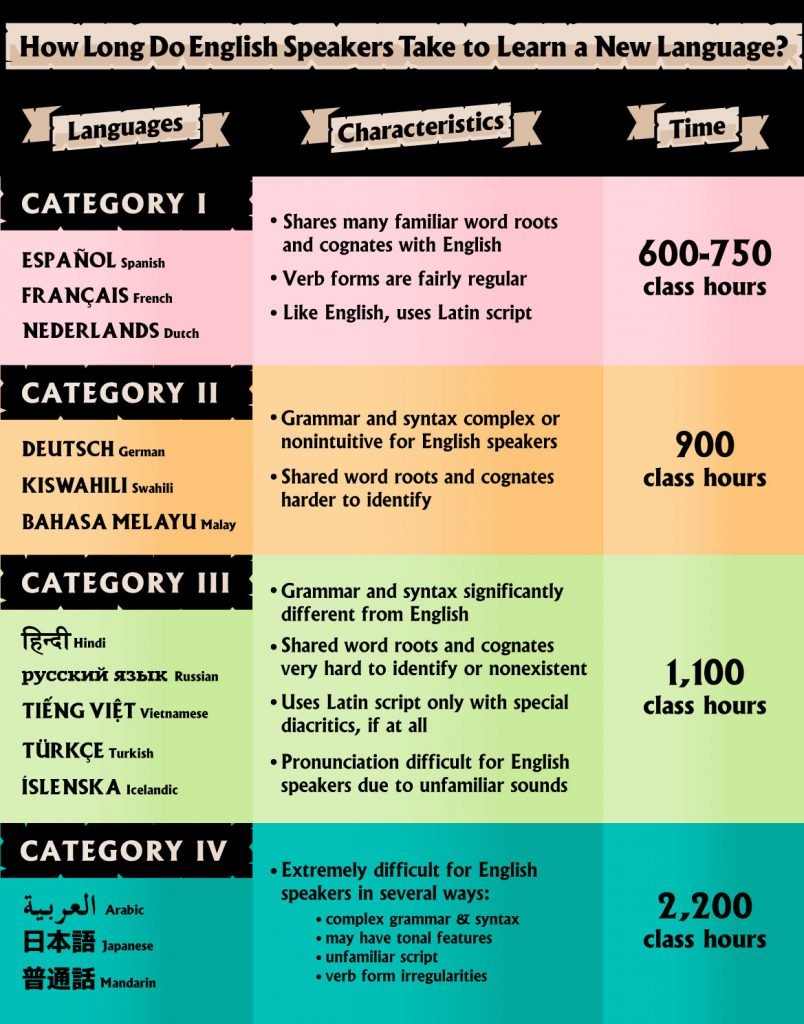
Immerse Yourself in the Language
To learn a language in depth, immersion is key. Surround yourself with the language as much as possible to accelerate your learning process. Here are some effective strategies:
- Watch movies and TV shows in the target language with subtitles to improve listening and comprehension skills.
- Listen to podcasts or music in the language to get accustomed to its rhythm and pronunciation.
- Change your device settings to the target language to practice reading and navigating in it daily.
Practice Speaking Regularly
Speaking is one of the most challenging aspects of learning a language, but it is essential for mastery. Here’s how you can improve:
- Find a language partner or join a conversation group to practice speaking regularly.
- Record yourself speaking and compare it to native speakers to identify areas for improvement.
- Use language exchange apps like Tandem or HelloTalk to connect with native speakers worldwide.
Expand Your Vocabulary Systematically
Building a strong vocabulary is crucial for understanding and expressing yourself in a new language. Follow these steps:
- Learn thematic vocabulary related to your interests or daily life to make it more relevant and memorable.
- Use flashcards or apps like Anki or Quizlet to review and retain new words effectively.
- Read books, articles, or blogs in the target language to encounter new words in context.
Master Grammar and Sentence Structure
Grammar forms the backbone of any language. To learn it in depth, consider these methods:
- Study grammar rules systematically using textbooks or online resources tailored to your level.
- Practice writing sentences and essays to apply grammar rules in context.
- Analyze native content to see how grammar is used naturally in conversations and writing.
Engage with Native Speakers and Culture
Understanding the culture behind a language enhances your learning experience. Here’s how to engage effectively:
- Travel to a country where the language is spoken to experience the culture firsthand.
- Participate in cultural events or festivals related to the language to deepen your connection.
- Follow social media accounts or blogs of native speakers to stay updated on trends and colloquialisms.
What learning style does Duolingo use?
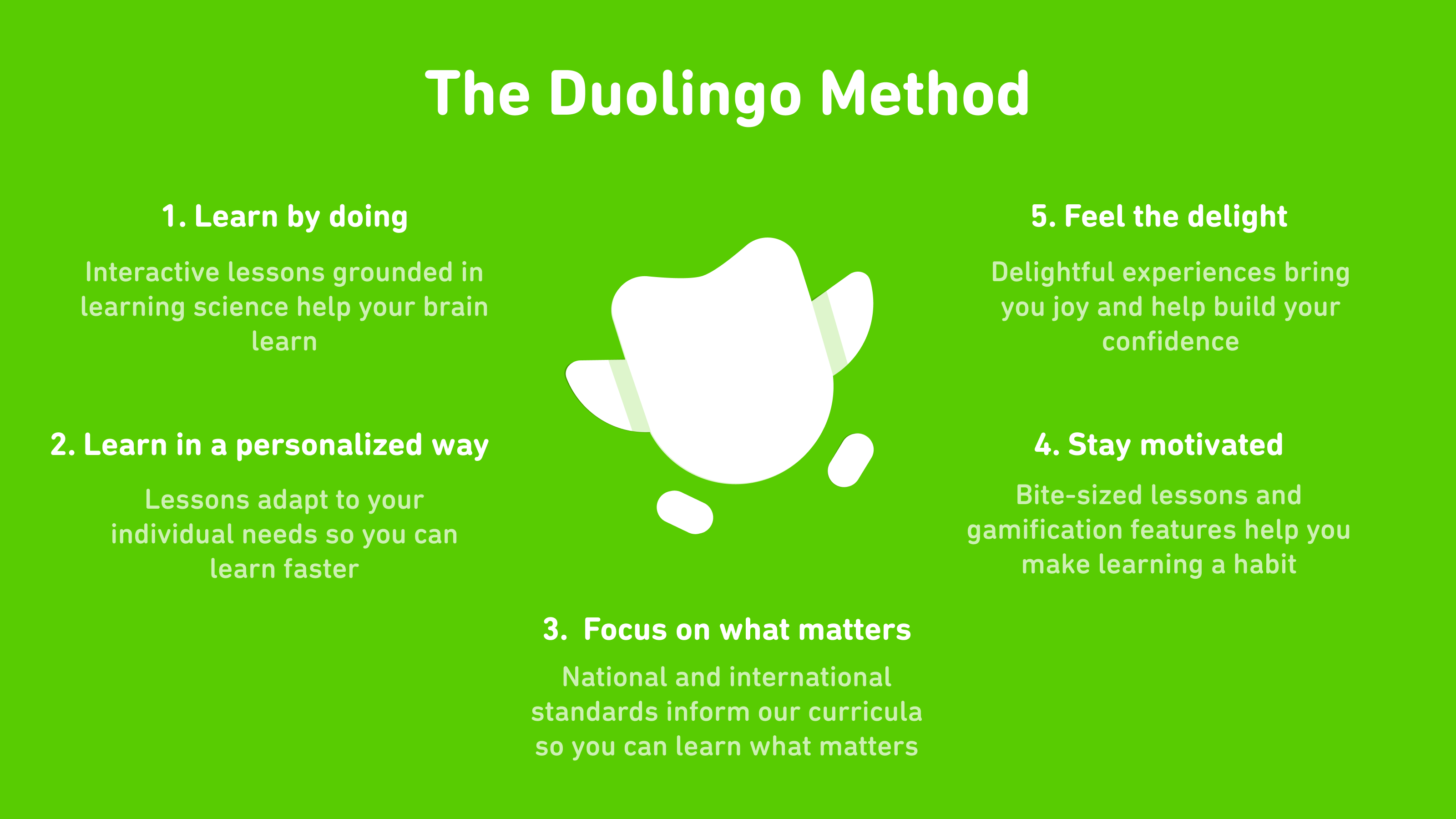
What Learning Style Does Duolingo Use?
Duolingo primarily uses a gamified and adaptive learning style to teach languages. It combines elements of visual, auditory, and kinesthetic learning to create an engaging and interactive experience. The platform focuses on repetition, immediate feedback, and bite-sized lessons to reinforce learning.
How Does Duolingo Incorporate Visual Learning?
Duolingo integrates visual learning through the use of images, icons, and color-coded exercises. This helps users associate words and phrases with visual cues, making it easier to retain information. Key features include:
- Images paired with vocabulary to reinforce word meanings.
- Color-coded progress bars to track learning milestones.
- Interactive exercises that use visual elements like matching words to pictures.
How Does Duolingo Use Auditory Learning?
Duolingo emphasizes auditory learning by incorporating spoken language exercises. Users listen to native speakers and practice pronunciation, which helps improve listening and speaking skills. Key features include:
- Audio exercises where users listen to phrases and repeat them.
- Pronunciation feedback using speech recognition technology.
- Listening comprehension tasks to identify spoken words or sentences.
How Does Duolingo Support Kinesthetic Learning?
Duolingo supports kinesthetic learning by encouraging active participation through typing, tapping, and dragging exercises. This hands-on approach helps users engage physically with the material. Key features include:
- Typing exercises to practice spelling and sentence construction.
- Drag-and-drop activities to match words or phrases.
- Interactive challenges that require quick responses to reinforce learning.
How Does Duolingo Use Gamification in Learning?
Duolingo employs gamification to make learning fun and motivating. It uses game-like elements such as points, levels, and rewards to keep users engaged. Key features include:
- Experience points (XP) earned for completing lessons.
- Streaks to encourage daily practice.
- Leaderboards to foster competition among users.
How Does Duolingo Adapt to Individual Learning Styles?
Duolingo uses an adaptive learning algorithm to personalize the experience based on user performance. It adjusts the difficulty and content to match the learner's pace and needs. Key features include:
- Skill level adjustments based on quiz results.
- Personalized review sessions to reinforce weak areas.
- Customizable goals to align with individual learning preferences.
What are the downsides of Duolingo?
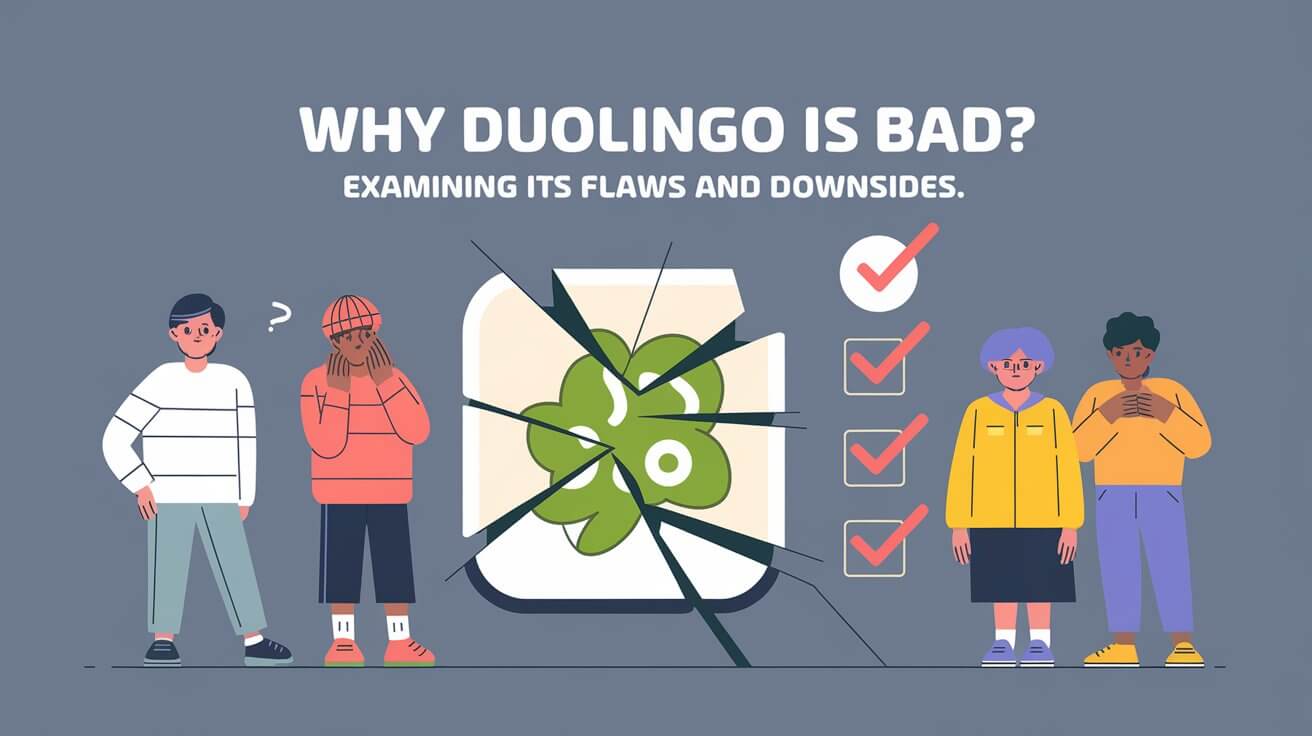
Limited Depth in Language Learning
Duolingo is often criticized for its superficial approach to language learning. While it is effective for beginners, it lacks the depth needed for advanced learners. The platform focuses heavily on vocabulary and basic grammar, but it does not provide enough context or cultural nuances. Here are some specific limitations:
- Lack of advanced grammar: The lessons rarely go beyond basic sentence structures.
- Minimal conversational practice: There is limited opportunity to practice speaking and listening in real-life scenarios.
- No cultural context: The app does not teach idioms, slang, or cultural references that are crucial for fluency.
Over-Reliance on Gamification
Duolingo's gamified approach can be both a strength and a weakness. While it makes learning fun, it can also lead to superficial engagement. Users might focus more on earning points and maintaining streaks rather than truly understanding the material. Key issues include:
- Prioritizing streaks over learning: Users may rush through lessons to keep their streak alive, sacrificing comprehension.
- Repetitive exercises: The same types of questions are often repeated, which can become monotonous.
- Limited long-term retention: The focus on short-term rewards may not translate into long-term language retention.
Inconsistent Quality Across Languages
The quality of Duolingo's courses varies significantly depending on the language. Popular languages like Spanish and French are well-developed, but less common languages often suffer from poor quality content. Specific problems include:
- Incomplete courses: Some languages have fewer lessons and less comprehensive content.
- Errors in translation: Less popular languages may contain more mistakes or awkward phrasing.
- Lack of updates: Rarely used languages are not updated as frequently, leading to outdated material.
Limited Speaking and Listening Practice
Duolingo's speaking and listening exercises are often criticized for being too simplistic and not reflective of real-world conversations. The app uses automated voice recognition, which can be unreliable. Key drawbacks include:
- Unnatural speech patterns: The app's voice recognition may not accurately reflect natural speech.
- Limited dialogue practice: There are few opportunities to engage in back-and-forth conversations.
- Poor accent recognition: The app may not recognize regional accents or variations in pronunciation.
Lack of Personalized Learning
Duolingo's one-size-fits-all approach does not cater to individual learning styles or paces. The app lacks personalized feedback and adaptive learning features. Specific issues include:
- No tailored lessons: The app does not adjust to the user's specific strengths and weaknesses.
- Limited feedback: Users receive minimal explanation for incorrect answers, making it hard to learn from mistakes.
- Fixed progression: The linear structure does not allow users to skip ahead or focus on areas they find challenging.
Frequently Asked Questions From our Community
How effective is Duolingo for learning a new language?
Duolingo is an effective tool for beginners and casual learners who want to build a foundation in a new language. Its gamified approach makes learning engaging and accessible, especially for vocabulary and basic grammar. However, its effectiveness depends on the learner's goals. For those seeking fluency or advanced proficiency, Duolingo should be supplemented with other resources like conversation practice, immersive experiences, or formal classes. While it excels in teaching vocabulary and basic sentence structures, it may fall short in developing advanced speaking and listening skills.
Can Duolingo help with speaking and pronunciation?
Duolingo includes speaking exercises that encourage users to practice pronunciation by repeating phrases and sentences. While this feature is helpful for beginners, it may not be sufficient for mastering nuanced pronunciation or conversational fluency. The app's speech recognition technology is decent but not perfect, and it lacks real-time feedback from native speakers. For more advanced speaking skills, pairing Duolingo with language exchange platforms or tutoring sessions is highly recommended.
Is Duolingo suitable for advanced language learners?
Duolingo is primarily designed for beginners and intermediate learners, so it may not meet the needs of advanced learners. While the app offers some higher-level content, it often lacks the depth and complexity required for advanced proficiency. Advanced learners might find the exercises repetitive or too simplistic. For those aiming to achieve fluency, combining Duolingo with more rigorous resources like authentic media (books, movies, podcasts) or advanced courses is essential.
How does Duolingo compare to traditional language learning methods?
Duolingo offers a more flexible and accessible approach compared to traditional methods like classroom learning. Its gamified structure keeps users motivated, and the ability to practice anytime, anywhere is a significant advantage. However, traditional methods often provide more comprehensive instruction, including detailed grammar explanations, cultural context, and opportunities for real-time interaction. For serious learners, a combination of both approaches—using Duolingo for daily practice and traditional methods for deeper understanding—can yield the best results.
Leave a Reply
Related Posts