
Does Duolingo Teach Mandarin Chinese: Is It Worth Your Time?


Learning Mandarin Chinese is a goal for many, given its global importance and cultural richness. With the rise of language-learning apps like Duolingo, many wonder if it’s an effective tool for mastering this complex language. Duolingo’s gamified approach and accessibility make it a popular choice, but how well does it cater to Mandarin’s unique challenges, such as tones, characters, and grammar? This article explores whether Duolingo truly equips learners to navigate Mandarin Chinese effectively and evaluates if investing time in the app is worthwhile for achieving fluency or basic proficiency. Let’s dive into its strengths, limitations, and overall value.
-
Does Duolingo Teach Mandarin Chinese: Is It Worth Your Time?
- What Does Duolingo Offer for Mandarin Chinese Learners?
- How Effective Is Duolingo for Learning Mandarin Chinese?
- What Are the Pros of Using Duolingo for Mandarin Chinese?
- What Are the Cons of Using Duolingo for Mandarin Chinese?
- How Does Duolingo Compare to Other Mandarin Learning Resources?
- Is Duolingo Worth Your Time for Learning Mandarin Chinese?
- Is Duolingo a good way to learn Mandarin?
- Can you become fluent in Mandarin with Duolingo?
- What level does Duolingo get you to in Chinese?
- How long does it take to finish Duolingo Mandarin?
- Frequently Asked Questions From our Community
Does Duolingo Teach Mandarin Chinese: Is It Worth Your Time?
What Does Duolingo Offer for Mandarin Chinese Learners?
Duolingo provides a structured course for learning Mandarin Chinese, focusing on vocabulary, grammar, and pronunciation. The app uses gamification to make learning engaging, with lessons that include listening, speaking, reading, and writing exercises. However, it primarily emphasizes vocabulary building and basic sentence structures, which may not be sufficient for advanced learners.
How Effective Is Duolingo for Learning Mandarin Chinese?
Duolingo is effective for beginners who want to learn basic Mandarin Chinese. The app's bite-sized lessons are convenient for daily practice, and its repetition-based system helps reinforce learning. However, it lacks depth in teaching tones and cultural context, which are crucial for mastering Mandarin. For intermediate or advanced learners, Duolingo may feel limited.
See AlsoHow To Get Fluent With Duolingo: Expert Tips & MethodsWhat Are the Pros of Using Duolingo for Mandarin Chinese?
- Accessibility: Free to use with optional premium features.
- Gamified Learning: Makes the process fun and motivating.
- Daily Practice: Encourages consistent learning habits.
- Beginner-Friendly: Great for building a foundation in Mandarin.
- Portability: Learn anytime, anywhere via the app.
What Are the Cons of Using Duolingo for Mandarin Chinese?
- Limited Speaking Practice: The speech recognition feature is not always accurate.
- Lack of Cultural Context: Does not teach cultural nuances or real-life conversational skills.
- Tone Mastery: Struggles to effectively teach Mandarin tones, which are critical for fluency.
- Advanced Content: Lacks depth for intermediate or advanced learners.
- Grammar Explanations: Minimal explanations for complex grammar rules.
How Does Duolingo Compare to Other Mandarin Learning Resources?
| Resource | Strengths | Weaknesses |
|---|---|---|
| Duolingo | Gamified, beginner-friendly, free | Limited depth, poor tone teaching |
| Rosetta Stone | Immersive, focuses on pronunciation | Expensive, less interactive |
| HelloChinese | Focuses on tones, includes cultural tips | Shorter course length |
| Pimsleur | Strong emphasis on speaking and listening | Less focus on reading and writing |
| Italki | Personalized lessons with native speakers | Can be costly, requires scheduling |
Is Duolingo Worth Your Time for Learning Mandarin Chinese?
Duolingo is worth your time if you are a beginner looking for a free and engaging way to start learning Mandarin Chinese. It is particularly useful for building vocabulary and practicing basic sentences. However, if your goal is to achieve fluency or master tones and cultural nuances, you may need to supplement Duolingo with other resources like tutoring, language exchange programs, or immersive apps.
See AlsoDuolingo Guide To Grammar: Tips, Rules & Practice MethodsIs Duolingo a good way to learn Mandarin?
What Makes Duolingo Effective for Learning Mandarin?
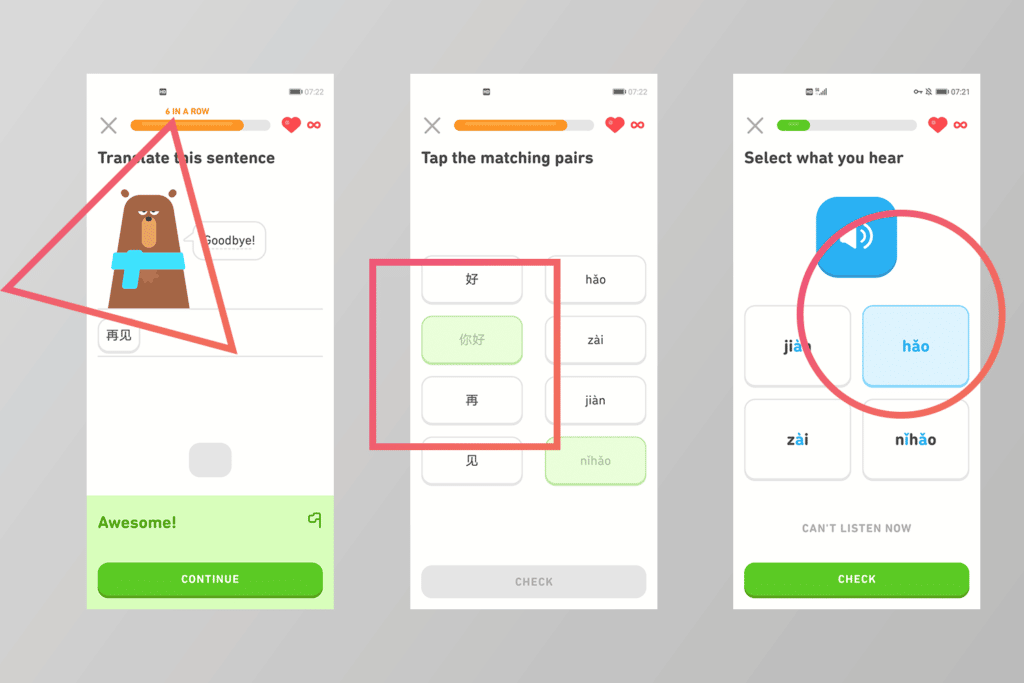
Duolingo is a popular language-learning platform that offers a structured approach to learning Mandarin. Its effectiveness lies in several key features:
- Gamified Learning: The app uses game-like elements such as streaks, points, and levels to keep users motivated and engaged.
- Daily Practice: It encourages consistent practice with short, manageable lessons that fit into busy schedules.
- Audio and Visual Aids: Duolingo incorporates audio pronunciations and visual cues to help learners associate characters with sounds and meanings.
Does Duolingo Cover Essential Mandarin Skills?
Duolingo focuses on building foundational skills in Mandarin, but it has limitations in certain areas:
See AlsoDuolingo Exposed: How This App Is Revolutionizing Language Learning- Vocabulary and Grammar: It introduces basic vocabulary and grammar rules, which are essential for beginners.
- Listening and Speaking: The app includes listening exercises and speaking practice, though the latter relies on voice recognition technology, which may not always be accurate.
- Reading and Writing: It teaches simplified Chinese characters and basic sentence structures, but advanced writing practice is limited.
How Does Duolingo Handle Mandarin Pronunciation?
Pronunciation is a critical aspect of learning Mandarin, and Duolingo addresses it in the following ways:
- Audio Examples: Native speakers provide audio examples for words and phrases, helping learners mimic correct pronunciation.
- Speaking Exercises: Users can practice speaking Mandarin through voice recognition, though this feature may not always detect subtle pronunciation errors.
- Tone Practice: Mandarin tones are introduced, but the app may not provide enough depth for mastering this challenging aspect of the language.
What Are the Limitations of Duolingo for Learning Mandarin?
While Duolingo is a useful tool, it has some limitations for Mandarin learners:
- Limited Cultural Context: The app focuses on language skills but does not provide much cultural context, which is important for understanding Mandarin fully.
- Advanced Content: It is more suited for beginners and intermediate learners, as advanced vocabulary and complex grammar are not extensively covered.
- Real-Life Conversations: The app lacks opportunities for real-life conversational practice, which is crucial for fluency.
Can Duolingo Be Used Alongside Other Resources for Learning Mandarin?
Duolingo can be a helpful supplement when combined with other resources for a more comprehensive learning experience:
- Textbooks and Workbooks: These can provide deeper explanations of grammar and vocabulary.
- Language Exchange Partners: Practicing with native speakers can improve conversational skills and cultural understanding.
- Online Courses and Tutors: These can offer structured lessons and personalized feedback to address specific learning needs.
Can you become fluent in Mandarin with Duolingo?
What Does Duolingo Offer for Learning Mandarin?
Duolingo provides a structured approach to learning Mandarin, focusing on vocabulary, grammar, and pronunciation. The app uses gamification to make learning engaging, with lessons that include:
- Vocabulary building through flashcards and repetition.
- Grammar exercises that introduce sentence structures gradually.
- Pronunciation practice using speech recognition technology.
Can Duolingo Help You Achieve Fluency in Mandarin?
While Duolingo is a useful tool for beginners, achieving fluency in Mandarin requires more than just an app. Fluency involves:
- Advanced vocabulary that goes beyond basic phrases.
- Cultural understanding to grasp idioms and context.
- Real-life practice through conversations with native speakers.
What Are the Limitations of Duolingo for Learning Mandarin?
Duolingo has some limitations when it comes to mastering Mandarin, such as:
- Limited speaking practice due to reliance on pre-recorded phrases.
- Lack of cultural context in lessons.
- Insufficient focus on tones, which are critical in Mandarin.
How Can Duolingo Be Used Effectively for Mandarin?
To maximize Duolingo's effectiveness for learning Mandarin, consider the following strategies:
- Supplement with other resources like textbooks or language exchange partners.
- Practice daily to reinforce learning and build consistency.
- Focus on tones by using additional tools like tone drills or native speaker feedback.
What Are the Alternatives to Duolingo for Learning Mandarin?
If Duolingo doesn’t meet your needs, consider these alternatives:
- Language classes with a qualified instructor.
- Immersion programs in Mandarin-speaking regions.
- Online platforms like HelloChinese or iTalki for more personalized learning.
What level does Duolingo get you to in Chinese?
What is the proficiency level achieved with Duolingo in Chinese?
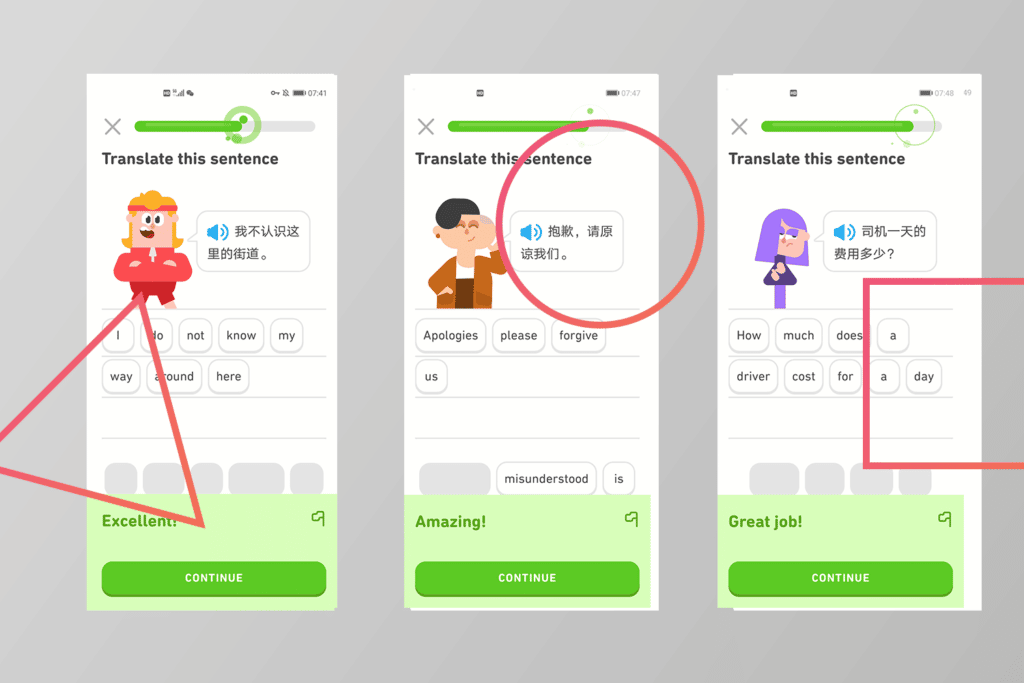
Duolingo is designed to help learners reach a basic to intermediate level in Chinese. While it provides a solid foundation in vocabulary, grammar, and pronunciation, it is not sufficient to achieve advanced fluency. Most users can expect to reach around A2 or B1 on the CEFR (Common European Framework of Reference for Languages) scale after completing the course. This means you can handle everyday conversations and understand simple texts but may struggle with complex topics or native-level content.
- Vocabulary: Duolingo introduces around 1,500-2,000 words, which is enough for basic communication.
- Grammar: The app covers essential grammar rules but lacks depth for advanced structures.
- Listening and Speaking: While it includes audio exercises, the practice may not be sufficient for real-world listening or speaking fluency.
How does Duolingo structure its Chinese course?
Duolingo's Chinese course is structured into thematic units that focus on practical topics like greetings, food, travel, and family. Each unit includes a mix of vocabulary, grammar, and sentence-building exercises. The app uses gamification to keep learners engaged, with features like streaks, rewards, and daily goals. However, the course primarily focuses on Mandarin Chinese and uses simplified characters, which may not suit learners interested in traditional characters or other dialects.
- Thematic Units: Topics are organized by real-life scenarios to make learning practical.
- Gamification: Features like XP points and leaderboards motivate consistent practice.
- Simplified Characters: The course emphasizes simplified Chinese, which is widely used in mainland China.
What are the limitations of Duolingo for learning Chinese?
While Duolingo is a useful tool, it has several limitations for learning Chinese. It lacks cultural context, which is crucial for understanding the language deeply. Additionally, the app does not provide enough practice for tone mastery, a critical aspect of Mandarin. The absence of live interaction with native speakers or teachers also limits opportunities for real-time feedback and conversational practice.
- Cultural Context: The app does not teach cultural nuances or idiomatic expressions.
- Tone Practice: Mandarin tones are challenging, and Duolingo's exercises may not be sufficient for mastery.
- Lack of Interaction: No live speaking practice with native speakers or teachers.
Can Duolingo prepare you for Chinese proficiency tests?
Duolingo alone is unlikely to prepare you for official Chinese proficiency tests like the HSK (Hanyu Shuiping Kaoshi). While it can help you build a foundation, the app does not cover the advanced vocabulary, grammar, or listening skills required for higher HSK levels. For test preparation, additional resources like textbooks, tutoring, or specialized courses are recommended.
- HSK Levels: Duolingo may help with HSK 1 or 2 but falls short for higher levels.
- Test-Specific Content: The app does not focus on the format or requirements of proficiency tests.
- Supplementary Resources: Additional study materials are necessary for test success.
How does Duolingo compare to other Chinese learning methods?
Duolingo is a convenient and affordable option for beginners, but it cannot replace more comprehensive methods like language classes, tutoring, or immersion programs. While it excels in teaching basic vocabulary and grammar, other methods provide deeper cultural understanding, advanced practice, and personalized feedback. Combining Duolingo with other resources can create a more balanced and effective learning experience.
- Convenience: Duolingo is accessible and easy to use for daily practice.
- Comprehensiveness: Other methods offer more in-depth learning and cultural insights.
- Combination Approach: Using Duolingo alongside other tools can enhance overall progress.
How long does it take to finish Duolingo Mandarin?
How Long Does It Take to Complete Duolingo Mandarin?
The time it takes to finish Duolingo Mandarin depends on several factors, including your learning pace, consistency, and prior experience with the language. On average, completing all the levels and lessons in Duolingo Mandarin can take anywhere from 6 months to 2 years. Here are some key factors that influence the timeline:
- Daily Commitment: Spending 15-30 minutes daily can help you progress steadily.
- Prior Knowledge: If you already know some Mandarin basics, you might progress faster.
- Course Structure: Duolingo Mandarin has multiple units and levels, each requiring time to master.
What Is the Structure of Duolingo Mandarin?
Duolingo Mandarin is divided into units and levels, each focusing on different aspects of the language. The course covers vocabulary, grammar, pronunciation, and cultural insights. Here’s a breakdown of the structure:
- Units: Each unit contains multiple lessons grouped by themes like greetings, food, or travel.
- Levels: Within each unit, there are levels that increase in difficulty as you progress.
- Checkpoints: Periodic checkpoints test your understanding and reinforce learning.
How Many Lessons Are in Duolingo Mandarin?
Duolingo Mandarin consists of hundreds of lessons spread across various units. The exact number can vary as Duolingo updates its content, but here’s an estimate:
- Total Lessons: Approximately 200-300 lessons, depending on updates.
- Lesson Length: Each lesson takes about 5-10 minutes to complete.
- Practice Sessions: Additional practice lessons are available to reinforce learning.
Can You Learn Mandarin Fluently with Duolingo?
While Duolingo is a great tool for learning Mandarin, achieving fluency requires additional resources and practice. Here’s what Duolingo offers and its limitations:
- Vocabulary Building: Duolingo helps you learn essential words and phrases.
- Grammar Basics: It introduces fundamental grammar rules.
- Speaking Practice: The app includes speaking exercises, but real-life conversation practice is essential for fluency.
What Are the Best Strategies to Finish Duolingo Mandarin Faster?
If you want to complete Duolingo Mandarin more quickly, consider these strategies:
- Set Goals: Define daily or weekly goals to stay on track.
- Use Streaks: Maintain a daily streak to build consistency.
- Supplement Learning: Combine Duolingo with other resources like textbooks, podcasts, or language exchange partners.
Frequently Asked Questions From our Community
Does Duolingo offer Mandarin Chinese as a language course?
Yes, Duolingo offers a comprehensive course for learning Mandarin Chinese. The course is designed to help beginners and intermediate learners build a strong foundation in the language. It covers essential aspects such as vocabulary, grammar, pronunciation, and character recognition. The lessons are structured in a way that makes learning Mandarin accessible and engaging, even for those who have no prior experience with the language.
Is Duolingo effective for learning Mandarin Chinese?
Duolingo can be an effective tool for learning Mandarin Chinese, especially for beginners. The platform uses a gamified approach to keep learners motivated, with bite-sized lessons that focus on practical vocabulary and phrases. However, it’s important to note that Duolingo alone may not be sufficient for achieving fluency. While it excels in teaching basic grammar and vocabulary, additional resources like speaking practice with native speakers, advanced grammar books, or immersion programs are recommended for a more comprehensive understanding of the language.
What are the limitations of using Duolingo to learn Mandarin Chinese?
One of the main limitations of using Duolingo for Mandarin Chinese is its focus on simplified characters and Pinyin, which may not fully prepare learners for reading traditional characters or understanding regional dialects. Additionally, the platform lacks in-depth explanations of cultural context and advanced grammar. While Duolingo is great for building a foundation, learners aiming for proficiency should supplement their studies with other resources, such as language exchange partners, tutors, or immersion experiences.
Is Duolingo worth your time for learning Mandarin Chinese?
Whether Duolingo is worth your time depends on your learning goals. If you’re looking for a free, flexible, and engaging way to start learning Mandarin, Duolingo is an excellent choice. It’s particularly useful for building a basic vocabulary and understanding sentence structure. However, if your goal is to achieve fluency or professional proficiency, you’ll likely need to combine Duolingo with other learning methods. Overall, it’s a valuable tool for beginners and casual learners but should be part of a broader language-learning strategy for more advanced goals.
Leave a Reply
Related Posts