
Drops vs Duolingo: Complete App Comparison [2025]

![Drops vs Duolingo: Complete App Comparison [2025]](https://3isolution.org/wp-content/uploads/2025/03/Drops-vs-Duolingo-Complete-App-Comparison-2025_1741536695-1024x574.webp "Drops vs Duolingo: Complete App Comparison [2025]")
In the ever-evolving world of language learning apps, Drops and Duolingo have emerged as two of the most popular tools for learners worldwide. Both platforms offer unique approaches to mastering new languages, but their methods, features, and user experiences differ significantly. This comprehensive comparison dives into the strengths and weaknesses of Drops and Duolingo, examining their teaching styles, gamification elements, pricing models, and overall effectiveness in 2025. Whether you're a beginner or an advanced learner, understanding the nuances of these apps can help you choose the one that best aligns with your language goals. Let’s explore which app reigns supreme in the battle of Drops vs Duolingo.
Drops vs Duolingo: Complete App Comparison [2025]
1. User Interface and Experience
When comparing Drops and Duolingo, the user interface (UI) and user experience (UX) are critical factors. Duolingo is known for its gamified approach, featuring a colorful and interactive design that appeals to a broad audience. On the other hand, Drops focuses on visual learning, using vibrant images and minimal text to teach vocabulary. Both apps are intuitive, but Duolingo offers a more structured path, while Drops excels in quick, bite-sized lessons.
| Feature | Drops | Duolingo |
|---|---|---|
| UI Design | Visual-heavy, minimal text | Gamified, colorful, and interactive |
| UX Focus | Quick, bite-sized lessons | Structured, progressive learning |
2. Language Learning Methodology
Drops and Duolingo employ different learning methodologies. Drops emphasizes vocabulary acquisition through visual associations and spaced repetition. It’s ideal for learners who want to build a strong vocabulary foundation quickly. In contrast, Duolingo uses a comprehensive approach, combining grammar, vocabulary, and speaking exercises to provide a well-rounded learning experience. While Drops is great for beginners, Duolingo caters to both beginners and intermediate learners.
See AlsoIs Duolingo Really Free? Uncovering the Truth Behind Duolingo’s Pricing Model| Feature | Drops | Duolingo |
|---|---|---|
| Focus | Vocabulary and visual learning | Grammar, vocabulary, and speaking |
| Best For | Beginners | Beginners and intermediate learners |
3. Available Languages
Both apps offer a wide range of languages, but their offerings differ. Drops supports over 45 languages, with a strong focus on less commonly taught languages. Duolingo, on the other hand, provides courses in 40+ languages, including popular ones like Spanish, French, and German, as well as constructed languages like Klingon and High Valyrian. If you’re looking for rare languages, Drops might be the better choice.
| Feature | Drops | Duolingo |
|---|---|---|
| Total Languages | 45+ | 40+ |
| Unique Offerings | Less commonly taught languages | Constructed languages (e.g., Klingon) |
4. Pricing and Subscription Models
When it comes to pricing, both Drops and Duolingo offer free versions with optional premium subscriptions. Drops Premium costs $13 per month or $89.99 annually, providing ad-free access and unlimited learning time. Duolingo Plus is priced at $12.99 per month or $83.88 annually, offering offline access and ad-free learning. Both apps are affordable, but Duolingo’s free version is more robust compared to Drops.
| Feature | Drops | Duolingo |
|---|---|---|
| Free Version | Limited daily time | Full access with ads |
| Premium Cost | $13/month or $89.99/year | $12.99/month or $83.88/year |
5. Gamification and Motivation
Gamification is a key feature in both apps, but they implement it differently. Duolingo is famous for its streaks, leaderboards, and XP system, which keep users motivated to practice daily. Drops uses a time-based system, limiting free users to 5-minute sessions and encouraging them to return daily. While Duolingo offers more long-term engagement, Drops is perfect for quick, daily practice.
See AlsoWhy Does Duolingo Teach Konglish: The Mio of Korean & English| Feature | Drops | Duolingo |
|---|---|---|
| Gamification | Time-based sessions | Streaks, leaderboards, XP |
| Motivation | Daily quick practice | Long-term engagement |
Is there any app better than Duolingo?
What Makes an App Better Than Duolingo?
When determining if an app is better than Duolingo, several factors come into play. These include the depth of content, teaching methodology, and user experience. Here are some key aspects to consider:
- Content Depth: Some apps offer more advanced grammar and vocabulary lessons compared to Duolingo's gamified approach.
- Teaching Methodology: Apps like Babbel focus on conversational skills, while others emphasize grammar or cultural context.
- User Experience: A better app might provide more personalized learning paths or offline access.
Top Alternatives to Duolingo
Several apps are considered strong competitors to Duolingo, each with unique features. Here are some notable options:
See AlsoBabbel, Duolingo, Memrise, Rosetta Stone: Which App to Choose?- Babbel: Known for its structured lessons and focus on real-life conversations.
- Rosetta Stone: Offers immersive learning with a focus on pronunciation and listening skills.
- Memrise: Combines spaced repetition with video content from native speakers.
How Do These Apps Compare in Pricing?
Pricing is a significant factor when choosing a language-learning app. Here’s how some alternatives stack up:
- Duolingo: Free with optional premium features.
- Babbel: Subscription-based, starting at $6.95 per month.
- Rosetta Stone: Higher-priced, with plans starting at $11.99 per month.
Which App Offers the Best Speaking Practice?
Speaking practice is crucial for language fluency. Here’s how some apps excel in this area:
- Pimsleur: Focuses heavily on audio lessons and pronunciation.
- Busuu: Offers speaking exercises with feedback from native speakers.
- HelloTalk: Connects users with native speakers for real-time conversations.
Are There Apps with Better Cultural Context?
Understanding cultural nuances is essential for language learning. Here are apps that emphasize cultural context:
See AlsoDoes Duolingo Work for Learning Languages? An In-Depth Look- Mango Languages: Includes cultural notes alongside language lessons.
- LingQ: Uses real-world content like articles and podcasts to teach languages.
- FluentU: Incorporates videos from native media to teach language and culture simultaneously.
Who is Duolingo's biggest competitor?
Duolingo's biggest competitor is Babbel, a language-learning platform that focuses on structured courses and practical conversations. Babbel is known for its high-quality content and personalized learning paths, making it a strong alternative to Duolingo. Other notable competitors include Rosetta Stone, Busuu, Memrise, and Lingvist, each offering unique features and approaches to language learning.
What makes Babbel a strong competitor to Duolingo?
Babbel stands out as a strong competitor to Duolingo due to its structured curriculum and focus on real-life conversations. Unlike Duolingo's gamified approach, Babbel emphasizes practical language skills and grammar explanations. Key features include:
See AlsoCan Duolingo Make You Fluent? Pros and Limitations In 2025- Personalized learning paths tailored to individual goals and proficiency levels.
- Speech recognition technology to improve pronunciation.
- Offline access for learning without an internet connection.
How does Rosetta Stone compare to Duolingo?
Rosetta Stone is another major competitor, known for its immersion-based learning method. Unlike Duolingo, which uses translation exercises, Rosetta Stone focuses on visual and auditory associations to teach languages. Key differences include:
- No translations: Rosetta Stone avoids using the learner's native language.
- Pronunciation feedback: Advanced speech recognition helps refine speaking skills.
- Higher price point: Rosetta Stone is more expensive than Duolingo's free model.
Why is Busuu a notable competitor to Duolingo?
Busuu is a strong competitor due to its community-driven approach and certified language courses. Unlike Duolingo, Busuu offers interaction with native speakers and official certifications through McGraw-Hill Education. Key features include:
- Conversation practice with native speakers via the platform.
- Grammar lessons integrated into each course.
- Certification recognized by employers and institutions.
What sets Memrise apart from Duolingo?
Memrise differentiates itself from Duolingo with its focus on vocabulary building and real-world language usage. It uses video clips of native speakers to teach phrases in context. Key features include:
- Real-life videos: Learn phrases as used by native speakers.
- Spaced repetition: Enhances long-term memory retention.
- Gamified learning: Similar to Duolingo but with a stronger focus on vocabulary.
How does Lingvist compete with Duolingo?
Lingvist competes with Duolingo by offering a data-driven approach to language learning. It uses artificial intelligence to adapt lessons to the learner's progress. Key features include:
- AI-powered learning: Adjusts content based on performance.
- Fast vocabulary acquisition: Focuses on the most frequently used words.
- Compact lessons: Designed for quick, efficient learning sessions.
What is the 1 best language learning app?

What Makes Duolingo the 1 Best Language Learning App?
Duolingo is widely regarded as the 1 best language learning app due to its user-friendly interface, gamified learning experience, and accessibility. It offers courses in over 40 languages, making it a versatile choice for learners worldwide. The app uses a combination of interactive exercises, such as matching, speaking, and listening tasks, to reinforce learning. Additionally, its free version provides substantial value, while the premium version removes ads and offers offline access.
- Gamification: Duolingo uses a points system, streaks, and rewards to keep users motivated.
- Accessibility: Available on both mobile and desktop platforms, making it easy to learn anytime, anywhere.
- Variety of Languages: Offers courses in popular languages like Spanish, French, and German, as well as less common ones like Hawaiian and Navajo.
How Does Duolingo Compare to Other Language Learning Apps?
Duolingo stands out from competitors like Babbel, Rosetta Stone, and Memrise due to its free accessibility and engaging approach. While Babbel focuses on conversational skills and Rosetta Stone emphasizes immersion, Duolingo combines both methods with a playful twist. Its bite-sized lessons are ideal for busy learners, whereas other apps may require longer time commitments.
- Cost: Duolingo’s free version is more comprehensive compared to other apps that require subscriptions.
- Engagement: The gamified structure keeps users more engaged than traditional methods.
- Flexibility: Lessons are shorter and can be completed in just a few minutes, unlike other apps with longer sessions.
What Are the Key Features of Duolingo?
Duolingo’s success lies in its key features, which include personalized learning paths, speech recognition, and a strong community aspect. The app adapts to your learning pace and provides instant feedback on exercises. Its speech recognition technology helps improve pronunciation, while the discussion forums allow users to interact and seek help from fellow learners.
- Personalized Learning: Tailors lessons based on your progress and performance.
- Speech Recognition: Helps users practice and perfect their pronunciation.
- Community Support: Forums and leaderboards foster a sense of community and competition.
Is Duolingo Suitable for All Language Levels?
Duolingo is designed to cater to learners of all levels, from beginners to intermediate users. However, advanced learners may find the content less challenging. The app starts with basic vocabulary and grammar, gradually increasing in difficulty. For those seeking advanced proficiency, supplementing Duolingo with other resources is recommended.
- Beginner-Friendly: Starts with simple words and phrases, ideal for newcomers.
- Intermediate Focus: Builds on foundational knowledge with more complex sentences.
- Limited Advanced Content: Advanced learners may need additional tools for mastery.
What Are the Pros and Cons of Using Duolingo?
While Duolingo is highly praised, it has its strengths and weaknesses. Its pros include being free, engaging, and accessible, while its cons involve limited depth for advanced learners and occasional over-reliance on translation exercises. Understanding these aspects can help users decide if it’s the right tool for their language learning journey.
- Pros: Free, fun, and easy to use; great for building vocabulary and basic grammar.
- Cons: Limited conversational practice; may not be sufficient for advanced learners.
- Balanced Approach: Best used as a supplementary tool alongside other resources.
Is the Drops app any good?
What is the Drops app?
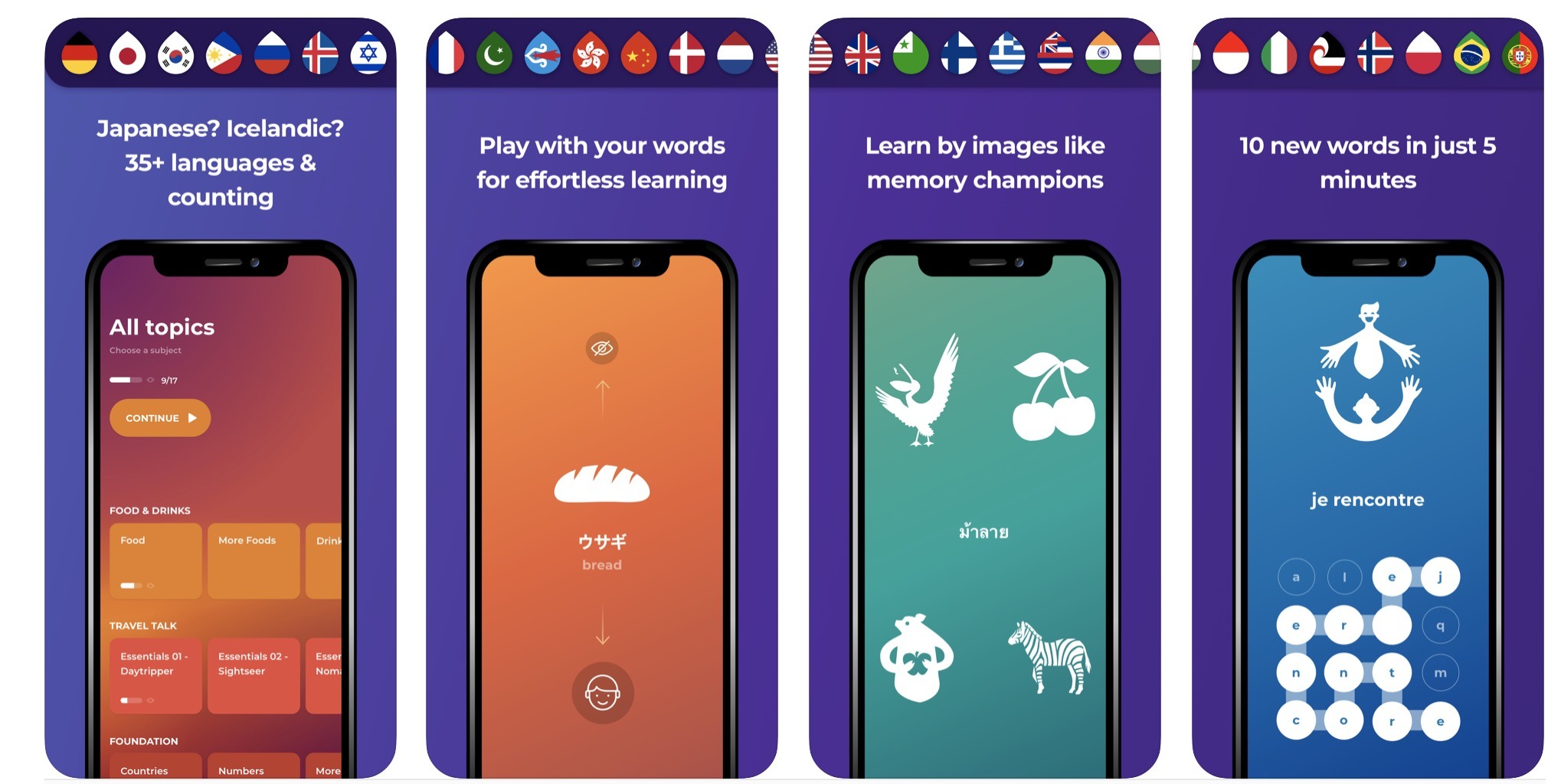
The Drops app is a language learning platform designed to help users learn new languages through visual and gamified methods. It focuses on vocabulary acquisition and uses a 5-minute daily limit to encourage consistent learning. The app supports over 40 languages and is available on both iOS and Android devices.
- It uses visual associations to help users remember words.
- The app offers a gamified experience with rewards and progress tracking.
- It includes a wide variety of languages, from popular ones like Spanish to less common ones like Hawaiian.
How effective is Drops for learning vocabulary?
The Drops app is highly effective for vocabulary building, especially for beginners. Its visual learning approach makes it easier to memorize words, and the spaced repetition system ensures long-term retention. However, it may not be as effective for advanced learners or those looking to improve grammar and conversational skills.
- It uses spaced repetition to reinforce learning.
- The app is ideal for beginners and casual learners.
- It lacks grammar lessons and conversational practice.
What are the key features of the Drops app?
The Drops app offers several key features that make it stand out. These include a minimalist design, a focus on visual learning, and a time-limited daily practice system. Additionally, it provides offline access and a premium version with expanded features.
- Minimalist design for easy navigation.
- Visual learning with images and illustrations.
- Offline access for learning without an internet connection.
Is the Drops app suitable for all language levels?
The Drops app is best suited for beginners and intermediate learners who want to expand their vocabulary. Advanced learners may find it less useful, as the app primarily focuses on vocabulary rather than grammar, sentence structure, or conversational skills.
- Great for beginners to build a strong vocabulary foundation.
- Limited for advanced learners due to lack of grammar and conversation practice.
- Useful for intermediate learners looking to expand their word bank.
What are the pros and cons of the Drops app?
The Drops app has several advantages, such as its engaging design, focus on visual learning, and support for multiple languages. However, it also has some limitations, including the lack of grammar lessons and a reliance on premium features for full functionality.
- Pros: Engaging design, visual learning, and support for over 40 languages.
- Cons: Limited grammar lessons and reliance on premium features.
- Pros: Offline access and time-limited daily practice to encourage consistency.
Frequently Asked Questions (FAQ)
What are the main differences between Drops and Duolingo?
Drops and Duolingo are both popular language-learning apps, but they cater to different learning styles. Drops focuses primarily on vocabulary acquisition through visual and gamified methods, making it ideal for learners who want to expand their word bank quickly. On the other hand, Duolingo offers a more comprehensive approach, including grammar, sentence structure, and conversational practice. While Drops excels in teaching vocabulary through repetition and imagery, Duolingo provides a broader curriculum that covers reading, writing, listening, and speaking skills.
Which app is better for beginners: Drops or Duolingo?
For beginners, Duolingo is often the better choice due to its structured lessons and gradual progression. It introduces learners to basic grammar, common phrases, and essential vocabulary in a systematic way. Drops, while excellent for vocabulary building, lacks the grammatical foundation that beginners need to form sentences and understand language rules. However, Drops can be a great supplementary tool for beginners who want to focus on memorizing words and phrases in a fun, engaging manner.
Can Drops and Duolingo be used together effectively?
Yes, Drops and Duolingo can complement each other effectively. Duolingo provides a well-rounded language-learning experience, while Drops enhances vocabulary retention through its unique visual and gamified approach. By using both apps, learners can benefit from Duolingo's comprehensive lessons and Drops' focus on word memorization. This combination can accelerate language acquisition, especially for learners who want to build a strong vocabulary while also mastering grammar and conversational skills.
Which app offers better long-term language retention: Drops or Duolingo?
When it comes to long-term retention, Duolingo has an edge due to its spaced repetition system and varied exercises that reinforce learning over time. It also includes speaking and writing practices, which are crucial for retaining language skills. Drops, while effective for short-term vocabulary memorization, may not provide the same level of retention for grammar and sentence structure. However, Drops' visual and gamified approach can make vocabulary recall more enjoyable and memorable, especially for visual learners. For the best results, combining both apps can maximize retention across different aspects of language learning.
Leave a Reply
Related Posts