
Easing yourself into reading novels in Chinese

Reading novels in Chinese can seem daunting, especially for learners, but with the right approach, it becomes an enriching and achievable goal. Starting with simpler texts, such as graded readers or children’s stories, helps build confidence and familiarity with common vocabulary and sentence structures. Gradually increasing the complexity of the material allows readers to adapt naturally without feeling overwhelmed. Tools like bilingual editions, digital dictionaries, and audiobooks can provide valuable support. By setting realistic goals and embracing the process, learners can develop both language skills and a deeper appreciation for Chinese literature. This guide offers practical steps to ease into reading Chinese novels with confidence.
- How to Gradually Start Reading Novels in Chinese
- What are the benefits of reading Chinese books?
- What are the 4 great novels of China?
-
How many Chinese characters do you need to know to read a novel?
- How Many Chinese Characters Are Needed for Basic Novel Comprehension?
- What’s the Difference Between Reading Modern vs. Classical Novels?
- How Does Literacy in Chinese Compare to Alphabet-Based Languages?
- Can You Read a Novel with Just HSK Vocabulary?
- What Strategies Help Read Novels with Limited Characters?
- Frequently Asked Questions (FAQ)
How to Gradually Start Reading Novels in Chinese
1. Start with Simplified Chinese Novels
Reading simplified Chinese novels is often easier for beginners due to the less complex characters. Choose books with basic vocabulary and short sentences to build confidence. Many learners begin with children's books or graded readers before moving to more complex texts.
| Recommended Novels | Difficulty Level |
|---|---|
| 《小王子》 (The Little Prince) | Beginner |
| 《活着》 (To Live) | Intermediate |
| 《哈利波特》 (Harry Potter) | Intermediate |
2. Use Bilingual or Annotated Editions
Bilingual books or those with pinyin annotations can help bridge the gap between comprehension and learning. Look for editions with footnotes explaining cultural references or difficult terms. This method reduces frustration and improves retention.
See AlsoUsing Chinese textbooks to improve reading ability| Resource Type | Benefit |
|---|---|
| Bilingual books | Side-by-side translation |
| Pinyin annotations | Pronunciation guide |
| Footnoted editions | Contextual explanations |
3. Build a Vocabulary List While Reading
Highlight unknown words and create a personal glossary. Focus on high-frequency terms first, as they appear often in novels. Tools like Pleco or Anki can help organize and review vocabulary efficiently.
| Tool | Use Case |
|---|---|
| Pleco | Instant dictionary lookup |
| Anki | Spaced repetition flashcards |
| Notebook | Handwritten word lists |
4. Set Achievable Reading Goals
Start with short sessions (10-15 minutes daily) and gradually increase time. Track progress by pages or chapters completed. Consistency matters more than speed—small steps lead to long-term success.
| Goal Type | Example |
|---|---|
| Daily | Read 1 page |
| Weekly | Finish 1 chapter |
| Monthly | Complete a short novel |
5. Join a Reading Group or Forum
Engage with communities of learners or native speakers. Platforms like Reddit or HelloTalk offer discussion threads where you can ask questions and share insights. Peer support keeps motivation high.
See Also10 of the Best Chinese Graded Readers and Where to Find Them| Platform | Purpose |
|---|---|
| Reddit (r/ChineseLanguage) | Discussion & recommendations |
| HelloTalk | Language exchange |
| Local book clubs | In-person practice |
What are the benefits of reading Chinese books?
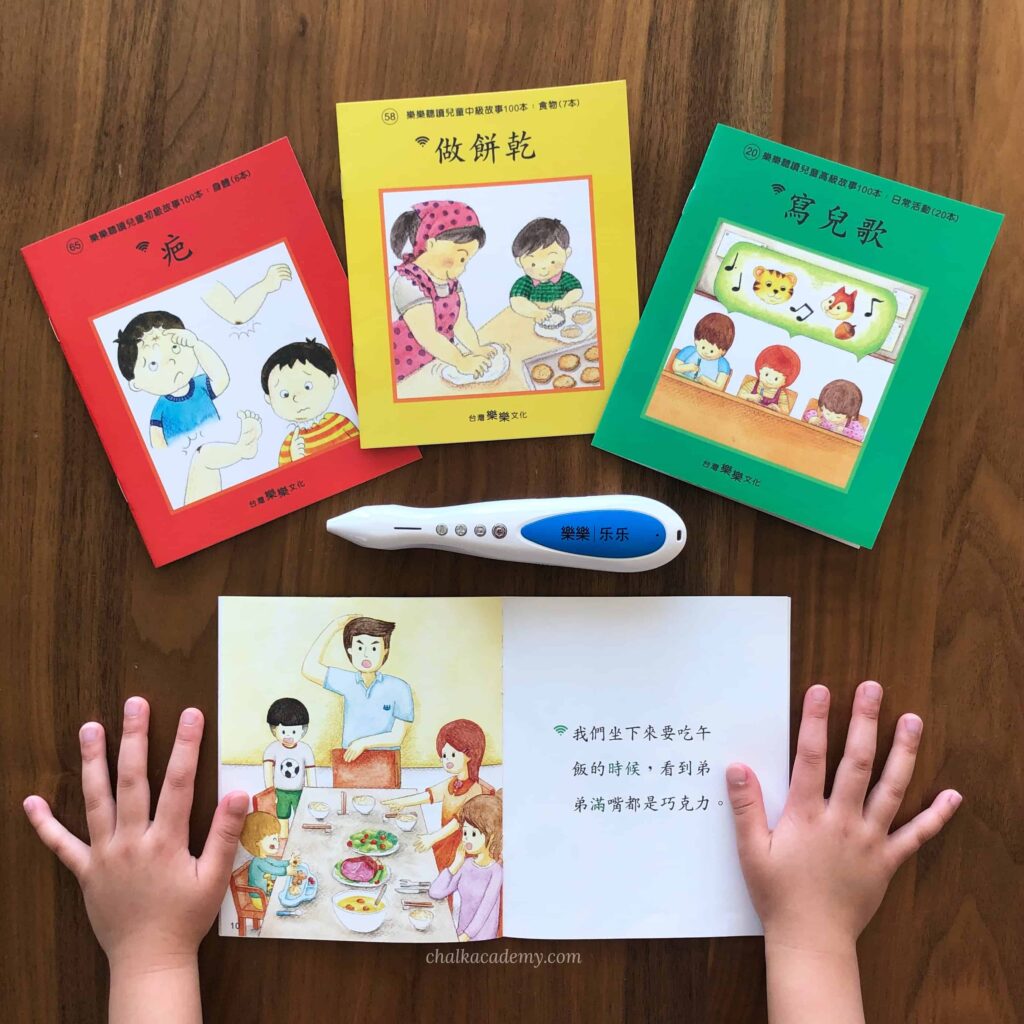
Enhancing Language Proficiency and Vocabulary
Reading Chinese books significantly improves language skills, especially for learners. It exposes readers to authentic vocabulary, grammar structures, and idiomatic expressions. Here’s how:
- Expands vocabulary by introducing context-specific words and phrases.
- Improves reading comprehension through exposure to varied sentence structures.
- Strengthens character recognition, aiding in fluency and writing skills.
Gaining Cultural Insight and Historical Knowledge
Chinese literature offers a deep dive into the country’s rich history and cultural traditions. It provides context for societal norms, values, and philosophies. Key benefits include:
See AlsoIntroducing TCB’s New Chinese Reading App: Now Live!- Understanding Confucian ideals and Daoist principles embedded in texts.
- Learning about historical events and dynasties through narratives.
- Appreciating festivals, customs, and regional diversity.
Boosting Cognitive and Analytical Skills
Engaging with complex texts in Chinese challenges the brain, fostering critical thinking. Benefits include:
- Enhancing problem-solving abilities through nuanced storytelling.
- Developing memory retention by memorizing characters and plots.
- Improving focus and concentration due to the intricate nature of the language.
Accessing Diverse Literary Genres and Styles
Chinese literature spans classics, modern works, poetry, and more, offering something for every reader. Advantages include:
- Exploring classic masterpieces like Dream of the Red Chamber.
- Discovering contemporary authors addressing global themes.
- Experiencing unique genres such as wuxia (martial arts fiction).
Building Career and Academic Opportunities
Proficiency in Chinese literature can open doors in academia, diplomacy, and business. Key advantages:
- Strengthening resumes for roles in international relations or trade.
- Providing research material for sinology or comparative literature studies.
- Facilitating networking with Chinese-speaking professionals.
What are the 4 great novels of China?
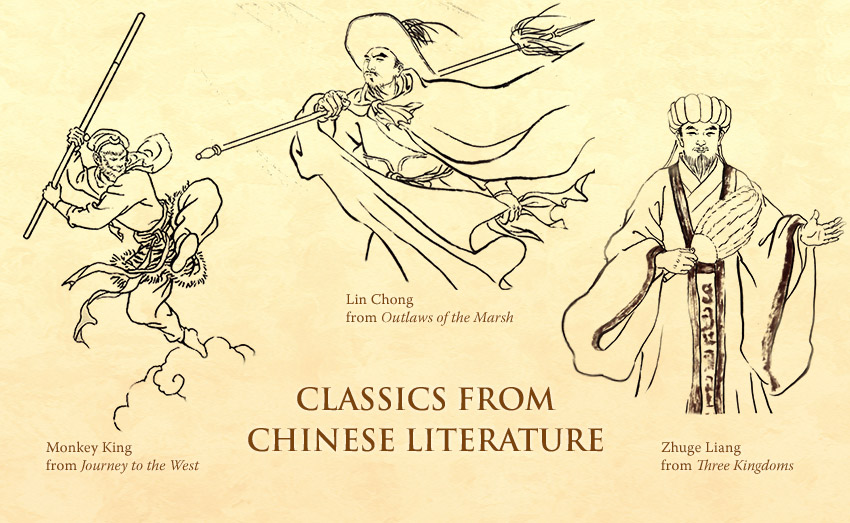
The Four Great Classical Novels of China
The Four Great Classical Novels of China are foundational works in Chinese literature, written during the Ming and Qing dynasties. These novels are celebrated for their intricate storytelling, cultural significance, and enduring influence. Below is the list:
- Romance of the Three Kingdoms (三国演义) - A historical epic set in the turbulent late Han dynasty.
- Water Margin (水浒传) - A tale of rebellion and heroism featuring 108 outlaws.
- Journey to the West (西游记) - A mythological adventure following Monkey King and his companions.
- Dream of the Red Chamber (红楼梦) - A family saga exploring love, wealth, and societal decline.
Romance of the Three Kingdoms: Historical Epic
Attributed to Luo Guanzhong, this novel dramatizes the power struggles between the Three Kingdoms (Wei, Shu, and Wu). Key features include:
- Focus on military strategy and political intrigue.
- Iconic characters like Liu Bei, Cao Cao, and Zhuge Liang.
- Blends history with folklore, shaping Chinese cultural identity.
Water Margin: Tale of Outlaws and Brotherhood
Written by Shi Nai'an, this novel glorifies 108 rebels who defy corrupt officials. Highlights include:
- Themes of justice and loyalty among the marginalized.
- Influenced martial arts and rebellion narratives in East Asia.
- Features legendary figures like Song Jiang and Wu Song.
Journey to the West: Mythological Adventure
Authored by Wu Cheng'en, this novel follows the pilgrimage of Tang Sanzang and his disciples. Notable aspects:
- The mischievous yet powerful Sun Wukong (Monkey King).
- Blends Buddhist teachings with fantastical quests.
- Inspired countless adaptations in film, TV, and theater.
Dream of the Red Chamber: Family Saga
Written by Cao Xueqin, this novel depicts the decline of the Jia family. Key elements:
- Explores themes of love, fate, and societal decay.
- Centers on the tragic romance between Baoyu and Daiyu.
- Considered a masterpiece of realist fiction in Chinese literature.
Cultural Impact of the Four Great Novels
These works have profoundly shaped Chinese culture and beyond. Their influence includes:
- Inspiring adaptations in opera, film, and modern media.
- Embedding moral and philosophical lessons in East Asian societies.
- Remaining essential reading for understanding Chinese history and values.
How many Chinese characters do you need to know to read a novel?

How Many Chinese Characters Are Needed for Basic Novel Comprehension?
To understand basic content in a Chinese novel, you need to know around 2,000 to 3,000 characters. This covers approximately 98% of the characters used in everyday writing. Here’s why:
- Frequency: The most common 1,000 characters make up about 90% of written text.
- Context: Even with gaps, readers can infer meanings from surrounding words.
- Repetition: Novels reuse core vocabulary, reducing the need for rare characters.
What’s the Difference Between Reading Modern vs. Classical Novels?
Modern novels require fewer characters (2,000–3,000), while classical literature may demand 4,000+ due to archaic terms. Key distinctions:
- Simplified vs. Traditional: Modern books use simplified characters, which are easier.
- Idioms: Classical works rely on chengyu (four-character idioms) and allusions.
- Specialized Vocabulary: Historical genres include obscure terms for rituals or titles.
How Does Literacy in Chinese Compare to Alphabet-Based Languages?
Unlike alphabet-based languages, Chinese relies on character recognition, making fluency slower to achieve. Key contrasts:
- No Phonetic Rules: Each character must be memorized individually.
- Compound Words: Recognizing components (radicals) helps but isn’t always enough.
- Reading Speed: Even proficient readers process characters more slowly than letters.
Can You Read a Novel with Just HSK Vocabulary?
The HSK 6 exam tests 2,600 characters, which is sufficient for many novels but with limitations:
- Genre Matters: Romance or slice-of-life books are easier than wuxia or sci-fi.
- Unknown Words: You’ll need a dictionary for proper nouns or niche terms.
- Fluency: HSK doesn’t cover all colloquialisms or regional expressions.
What Strategies Help Read Novels with Limited Characters?
To tackle novels with a smaller character bank, use these methods:
- Graded Readers: Start with books tailored to your level.
- Pinyin Annotations: Choose editions with pronunciation aids.
- Digital Tools: Apps like Pleco allow instant lookups while reading.
Frequently Asked Questions (FAQ)
What are the best Chinese novels for beginners?
Starting with simplified and shorter novels is key for beginners. Books like The Little Prince (小王子) in Chinese or Charlotte's Web (夏洛的网) are excellent choices because they use basic vocabulary and have straightforward plots. Another great option is graded readers, which are specifically designed for learners, such as the Mandarin Companion series. These books gradually introduce new characters and grammar structures while keeping the story engaging.
How can I improve my vocabulary while reading Chinese novels?
Consistent exposure to new words is essential. Highlight or jot down unfamiliar characters and review them using apps like Pleco or Anki. Focus on high-frequency words first, as they appear often in texts. Additionally, try reading bilingual editions or using pop-up dictionaries on e-readers to quickly check meanings. Over time, seeing words in different contexts will help reinforce your memory and understanding.
Should I use pinyin when reading Chinese novels?
While pinyin can be helpful at the very beginning, relying on it too much can slow your progress in recognizing Chinese characters. Instead, try to read texts with minimal pinyin or switch to books that only include characters. If you're struggling, use annotated versions where pinyin appears sparingly. The goal is to train your brain to associate meaning and pronunciation directly with the characters, not just their romanized forms.
How do I stay motivated when reading feels overwhelming?
Set small, achievable goals, like reading a few pages a day or finishing one chapter per week. Choose books with engaging stories that match your interests, whether it's romance, mystery, or fantasy. Joining a book club or finding a study partner can also keep you accountable. Celebrate milestones, like finishing your first novel, and remember that progress in language learning is gradual—every page you read brings you closer to fluency.
Leave a Reply
Related Posts