
8 tips for learning Chinese as an introverted student

Learning Chinese can be a rewarding yet challenging journey, especially for introverted students who may find traditional classroom settings overwhelming. However, being introverted doesn’t have to be a barrier—it can even be an advantage with the right approach. By leveraging quiet focus, self-paced study, and targeted strategies, introverts can master Mandarin effectively. This article explores eight practical tips tailored for introverted learners, from utilizing online resources to creating a personalized study routine. Whether you prefer solo practice or low-pressure interactions, these methods will help you build confidence and fluency at your own pace. Discover how to turn your introversion into a strength while learning Chinese.
8 Effective Tips for Learning Chinese as an Introverted Student
1. Leverage Online Learning Platforms
Introverted students often thrive in self-paced and private learning environments. Online platforms like Duolingo, HelloChinese, or italki allow you to study Mandarin at your own pace without social pressure. These tools offer structured lessons, interactive exercises, and even one-on-one tutoring with minimal social interaction.
| Platform | Features |
|---|---|
| Duolingo | Gamified lessons, vocabulary drills |
| HelloChinese | Speech recognition, handwriting practice |
| italki | Private tutors, flexible scheduling |
2. Use Flashcards for Vocabulary Building
Flashcards are a powerful tool for introverts who prefer solitary study. Apps like Anki or Pleco help reinforce Chinese characters and phrases through spaced repetition. This method reduces the need for constant social practice while ensuring long-term retention.
See AlsoAll the resources you need to learn and teach Chinese stroke order| Tool | Advantage |
|---|---|
| Anki | Customizable decks, SRS algorithm |
| Pleco | Integrated dictionary, stroke order guides |
3. Practice Writing in a Journal
Writing in Chinese daily helps introverts internalize grammar and vocabulary without speaking. Start with simple sentences about your day and gradually increase complexity. This method builds confidence before engaging in conversations.
| Tip | Benefit |
|---|---|
| Start with short entries | Reduces overwhelm |
| Use a grammar checker | Improves accuracy |
4. Watch Chinese Media with Subtitles
Introverts can improve listening skills passively by watching Chinese dramas, YouTube channels, or podcasts with subtitles. This exposes you to natural speech patterns without the stress of live interaction.
| Resource | Focus Area |
|---|---|
| C-dramas (e.g., The Untamed) | Casual dialogue, cultural context |
| Slow Chinese Podcast | Clear pronunciation, intermediate content |
5. Join Small Online Study Groups
For introverts who prefer limited interaction, small online study groups (e.g., Discord or WeChat) offer a low-pressure way to practice. These groups often focus on text-based exchanges or scheduled voice chats, allowing you to participate at your comfort level.
See AlsoReading manga in Chinese for more than just pleasure| Platform | Group Type |
|---|---|
| Discord | Topic-specific servers, text channels |
| Language exchange groups, voice messages |
How to learn a language as an introvert?

1. Use Self-Study Resources
Introverts often thrive in self-paced environments where they can control the learning process. Utilize resources that allow independent study without social pressure.
- Language apps like Duolingo or Memrise offer structured lessons.
- Textbooks and workbooks provide grammar and vocabulary practice.
- YouTube channels or podcasts let you learn passively at your own pace.
2. Practice Writing First
Writing is a low-pressure way to engage with a new language, ideal for introverts who prefer solitary activities.
See AlsoWhy High School in China 5 Reasons Why You Should Do It- Journal daily in the target language to build fluency.
- Join online forums or language exchange platforms where written communication is the focus.
- Use grammar-check tools like Grammarly to refine your skills.
3. Leverage Technology for Speaking Practice
Introverts can avoid face-to-face interactions by using digital tools to practice speaking comfortably.
- Speech recognition apps (e.g., Rosetta Stone) provide feedback without human judgment.
- Record yourself speaking and compare it to native audio.
- Use chatbots or AI language models to simulate conversations.
4. Create a Comfortable Learning Environment
Design a stress-free space where you can focus without external distractions.
- Set a routine for consistent, quiet study sessions.
- Minimize interruptions by turning off notifications or using noise-canceling headphones.
- Personalize your materials (e.g., choose topics you enjoy).
5. Engage in Passive Listening
Immerse yourself in the language without active participation, which suits introverted learners.
See AlsoA Guide to Baidu : the First Chinese Search Engine- Watch movies or TV shows with subtitles in the target language.
- Listen to music or audiobooks to train your ear naturally.
- Play background audio (e.g., news channels) during daily activities.
What is the most efficient way to learn Chinese?

Immerse Yourself in the Language Daily
The most efficient way to learn Chinese is through daily immersion. Surround yourself with the language as much as possible to accelerate comprehension and retention.
- Listen to Chinese podcasts, music, or radio to train your ear.
- Watch Chinese TV shows or movies with subtitles to associate words with context.
- Speak daily, even if just repeating phrases, to build muscle memory.
Master Pinyin and Tones Early
A strong foundation in Pinyin and tones is critical for accurate pronunciation and understanding.
- Practice tone pairs to distinguish between similar-sounding words.
- Use apps like Pleco or HelloChinese for interactive tone drills.
- Record yourself and compare with native speakers to refine pronunciation.
Prioritize High-Frequency Vocabulary
Focus on learning the most commonly used words first to quickly gain conversational fluency.
- Memorize the top 500-1000 words for basic communication.
- Use flashcards (Anki or Quizlet) for spaced repetition.
- Apply new words in sentences immediately to reinforce memory.
Practice Writing Characters Consistently
Writing reinforces memory and helps recognize characters faster.
- Learn radicals first to understand character composition.
- Write characters repeatedly using grid paper for proper structure.
- Review old characters regularly to prevent forgetting.
Engage with Native Speakers
Real-world practice with native speakers improves fluency and cultural understanding.
- Join language exchange platforms like Tandem or HelloTalk.
- Attend local Chinese meetups or online conversation groups.
- Ask for feedback on mistakes to correct them early.
How to learn Chinese easily for beginners?
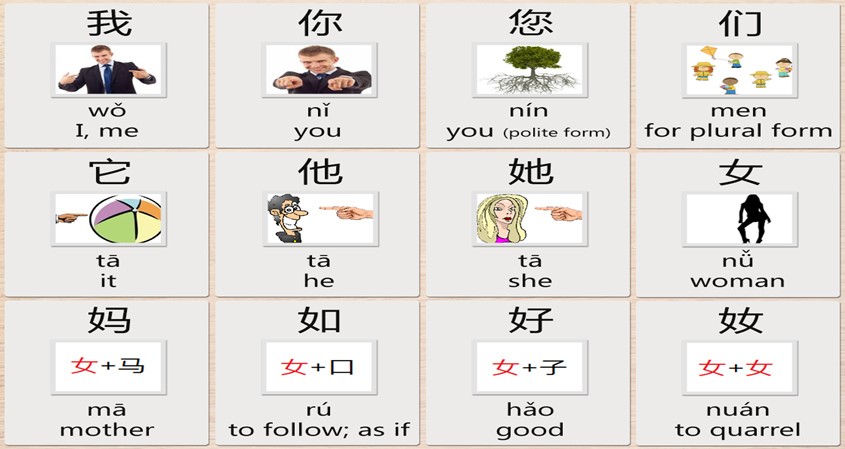
Start with Basic Chinese Pronunciation (Pinyin)
Learning Pinyin is the foundation for mastering Chinese pronunciation. It uses the Roman alphabet to represent Mandarin sounds, making it easier for beginners. Focus on the four tones, as they change the meaning of words.
- Practice tones daily – Use apps like HelloChinese or Pinyin Trainer.
- Listen and repeat – Mimic native speakers via YouTube or podcasts.
- Record yourself – Compare your pronunciation with native audio.
Build a Strong Vocabulary with Common Words
Begin with high-frequency words and phrases to quickly engage in simple conversations. Flashcards and spaced repetition tools like Anki can help reinforce memory.
- Learn greetings first – 你好 (nǐ hǎo) and 谢谢 (xiè xie) are essential.
- Use visual aids – Label objects in your home with their Chinese names.
- Focus on survival phrases – Like ordering food or asking for directions.
Master Simple Sentence Structures
Chinese grammar is relatively straightforward compared to many languages. Start with basic Subject-Verb-Object (SVO) sentences to form simple statements.
- Practice with 是 (shì) sentences – Example: 我是学生 (wǒ shì xuéshēng) – I am a student.
- Use measure words correctly – Like 个 (gè) for general objects.
- Keep sentences short – Avoid complex clauses at first.
Immerse Yourself in Chinese Media
Exposure to native content accelerates learning. Watch shows, listen to music, or follow Chinese social media to improve comprehension.
- Watch children’s shows – Like Peppa Pig in Chinese for simple dialogue.
- Listen to Mandarin songs – Artists like Jay Chou blend modern and clear pronunciation.
- Follow Chinese YouTubers – Channels like Learn Chinese with Emma are beginner-friendly.
Practice Speaking with Native Speakers
Regular conversation is key to fluency. Use language exchange platforms or hire a tutor for real-time feedback.
- Join language apps – Tandem or HelloTalk connect learners with natives.
- Find a tutor – Websites like iTalki offer affordable lessons.
- Speak daily – Even short, simple sentences help build confidence.
Frequently Asked Questions (FAQ)
How can introverted students practice speaking Chinese without feeling overwhelmed?
Introverted students can start by practicing in low-pressure environments, such as speaking to themselves in front of a mirror or recording their voice. Language apps with voice recognition, like Duolingo or HelloTalk, allow for private practice without immediate social interaction. Another effective method is joining small online language groups where participation is optional, reducing social anxiety while still providing speaking opportunities.
What are the best resources for learning Chinese independently?
Self-paced resources are ideal for introverted learners. Platforms like Anki for flashcards, Pleco for dictionary and reading practice, and YouTube channels like Chinese Zero to Hero offer structured yet flexible learning. Books such as Integrated Chinese or New Practical Chinese Reader provide comprehensive lessons without requiring social interaction, making them perfect for independent study.
How can introverts build confidence in understanding spoken Chinese?
Listening to Chinese podcasts or watching TV shows with subtitles can help introverts gradually acclimate to the language's sounds and rhythms. Starting with slower-paced content, like children's shows or language-learning podcasts, builds listening comprehension without pressure. Repeating and shadowing dialogues can also reinforce understanding while keeping the practice solitary and stress-free.
Are there ways to learn Chinese characters effectively without group classes?
Yes, introverted students can master characters through spaced repetition systems (SRS) like Anki or Skritter, which personalize review sessions. Breaking characters into radicals and components simplifies memorization, and writing practice with grid paper improves retention. Online tools like HanziCraft analyze character structures, making self-study both efficient and engaging without needing group settings.
Leave a Reply
Related Posts