
Two types of pronunciation problems and what to do about them

Pronunciation challenges can significantly impact communication, even for those with strong grammar and vocabulary. Generally, these issues fall into two categories: sound production and intonation patterns. Sound production problems involve difficulties in articulating specific phonemes, such as confusing l and r sounds. Intonation issues, on the other hand, relate to the rhythm, stress, and melody of speech, which can alter meaning. Both types can lead to misunderstandings, but targeted practice can help. This article explores these pronunciation challenges in detail, offering practical strategies—from minimal pair exercises to shadowing techniques—to improve clarity and confidence in spoken English.
Two Types of Pronunciation Problems and What to Do About Them
1. Phoneme Pronunciation Errors
Phoneme pronunciation errors occur when a speaker struggles to produce specific sounds that don’t exist in their native language. For example, Spanish speakers may confuse the English /b/ and /v/ sounds, while Japanese speakers might mix up /l/ and /r/. To fix this, learners should practice minimal pairs (words that differ by only one sound) and use mouth positioning guides to master unfamiliar sounds.
| Common Phoneme Errors | Example Words | Solution |
|---|---|---|
| /θ/ vs. /s/ (thin vs. sin) | think, sink | Tongue placement drills |
| /ɪ/ vs. /i:/ (ship vs. sheep) | bit, beat | Vowel length practice |
2. Stress and Intonation Mistakes
Stress and intonation mistakes happen when learners misplace emphasis in words or sentences, making speech sound unnatural. English uses syllable stress (e.g., ˈpresent vs. preˈsent) and rising/falling tones for questions or statements. To improve, learners should listen to native speakers, mimic rhythm patterns, and practice with shadowing techniques (repeating audio in real-time).
See AlsoUsing memory aids and mnemonics to make Chinese easier| Common Stress Errors | Example | Solution |
|---|---|---|
| Wrong word stress | DEsert vs. deSSERT | Stress-marked dictionaries |
| Flat intonation | Monotone questions | Recording and self-analysis |
3. The Role of Native Language Interference
Native language interference is a major cause of pronunciation issues. Learners often apply the sound rules of their first language to English. For instance, French speakers may omit English /h/ sounds, while Mandarin speakers might add vowels to consonant clusters (e.g., school becomes eschool). Combat this by identifying language-specific challenges and targeting them with focused exercises.
| Language | Common Interference | Fix |
|---|---|---|
| Spanish | No /z/ sound (busy → bisi) | Voiced consonant practice |
| Russian | Hardening final consonants (dog → dok) | Final devoicing drills |
4. Tools to Improve Pronunciation
Several tools can help learners correct pronunciation problems. Speech recognition apps (e.g., ELSA Speak) provide instant feedback, while IPA charts clarify sound production. YouTube tutorials and language exchange partners offer real-world practice. Consistency with these tools is key to progress.
| Tool | Purpose |
|---|---|
| Forvo | Hear native pronunciations |
| Anki | Practice difficult words with audio |
5. Practicing with Authentic Materials
Using authentic materials (movies, podcasts, news) exposes learners to natural speech patterns. Focus on imitating pauses, emotion, and linking sounds (e.g., wanna for want to). Start with slower content (TED Talks, audiobooks) and gradually increase speed.
See AlsoFocusing on radicals, character components and building blocks| Material | Benefit |
|---|---|
| TV shows with subtitles | Learn casual speech and slang |
| News broadcasts | Hear clear, formal pronunciation |
What are the major problems in pronunciation?
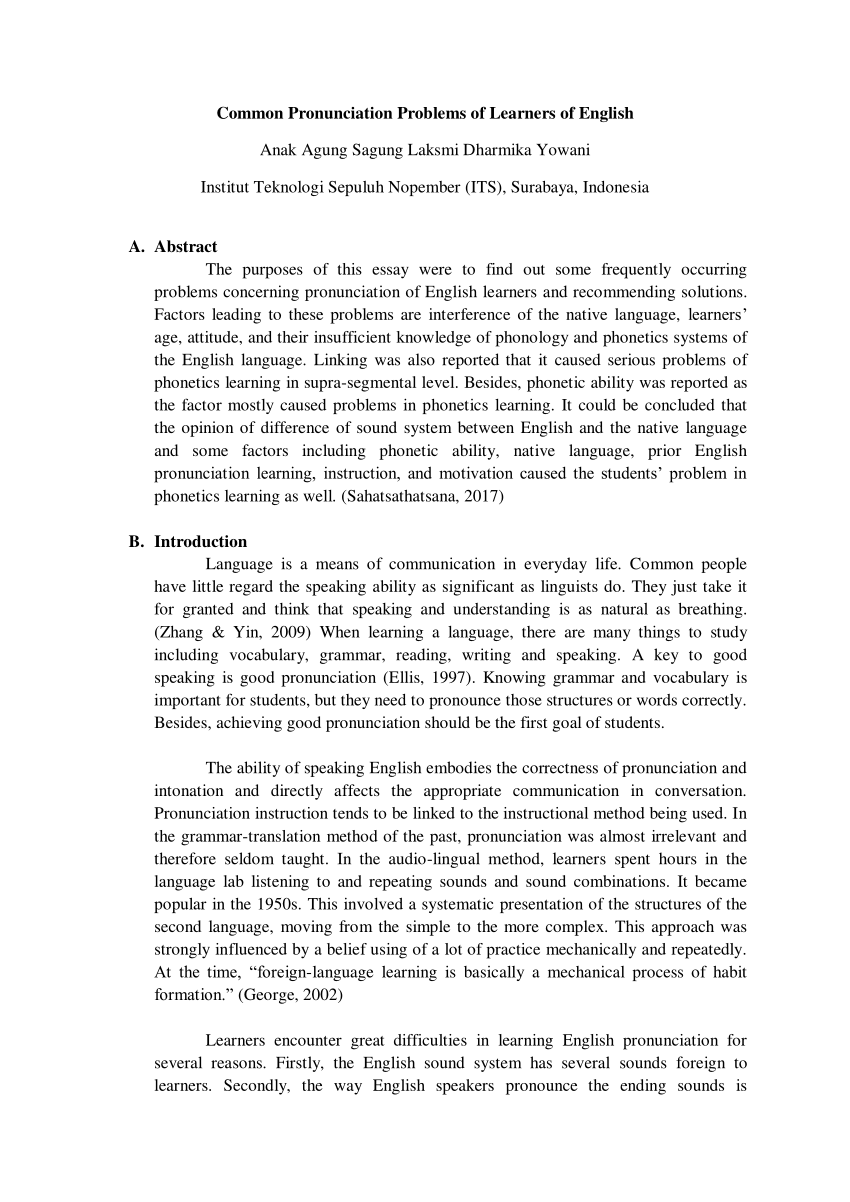
1. Mispronunciation of Vowel Sounds
One of the most common pronunciation issues is the mispronunciation of vowel sounds, which can drastically alter word meanings. Non-native speakers often struggle with distinguishing between similar sounds, leading to confusion.
- Short vs. long vowels: Words like ship and sheep sound different but are frequently confused.
- Diphthongs: Sounds like /aɪ/ in time or /oʊ/ in go require smooth transitions that learners may find difficult.
- Schwa sound: The unstressed /ə/ in words like sofa is often overlooked but critical for natural speech.
2. Consonant Clusters and Silent Letters
Many languages lack consonant clusters or silent letters, making English pronunciation challenging. Learners tend to omit or mispronounce these sounds.
See AlsoWhatsApp vs WeChat || Who Wins?- Initial clusters: Words like strength (/strɛŋθ/) are hard to articulate correctly.
- Final clusters: Sounds like -sts in tests are often simplified.
- Silent letters: Letters in knight (/naɪt/) or debt (/dɛt/) are frequently mispronounced.
3. Stress and Intonation Patterns
Incorrect stress and intonation can make speech sound unnatural or unclear. English relies heavily on rhythmic patterns for meaning.
- Word stress: Misplacing stress (e.g., REcord vs. reCORD) changes meaning.
- Sentence stress: Emphasizing the wrong word can alter the message.
- Intonation: Rising or falling tones in questions vs. statements are often misused.
4. Influence of Native Language
Learners frequently apply native language rules to English, causing persistent errors. This is known as phonetic interference.
- Sound substitutions: Replacing /θ/ with /t/ or /d/ (e.g., thing → ting).
- Rhythm differences: Syllable-timed languages (e.g., Spanish) clash with English's stress-timed rhythm.
- Absent sounds: Some languages lack sounds like /æ/ or /ʌ/, leading to approximations.
5. Lack of Exposure and Practice
Insufficient listening practice and speaking opportunities hinder pronunciation improvement. Many learners focus more on grammar than spoken fluency.
See AlsoDon’t learn Mandarin pronunciation by reading, listen and mimic instead- Limited immersion: Not hearing native speakers regularly slows progress.
- Fear of mistakes: Avoiding speaking prevents corrective feedback.
- Over-reliance on text: Reading without audio leads to incorrect sound associations.
What are the different types of pronunciation errors?

Mispronunciation of Individual Sounds
Mispronunciation of individual sounds occurs when a speaker fails to produce a specific phoneme correctly. This can happen due to interference from their native language or lack of familiarity with the target language's sound system. Common examples include:
- Substitution: Replacing a difficult sound with a similar one (e.g., saying tree instead of three).
- Omission: Leaving out a sound entirely (e.g., pronouncing asked as ast).
- Distortion: Producing a sound inaccurately without substituting or omitting it (e.g., a rolled r in English where it should be soft).
Stress and Intonation Errors
Stress and intonation errors involve incorrect emphasis on syllables or words, leading to unnatural speech patterns. These errors can change the meaning of words or sentences. Key issues include:
See AlsoRemembering is a skill you can learn- Word stress: Placing emphasis on the wrong syllable (e.g., saying REcord instead of reCORD).
- Sentence stress: Failing to emphasize key words in a sentence, making speech monotonous.
- Intonation patterns: Using rising or falling tones inappropriately, affecting questions or statements.
Linking and Reduction Mistakes
Linking and reduction mistakes occur when speakers fail to connect words smoothly or reduce sounds naturally in connected speech. This can make speech sound choppy or overly formal. Examples include:
- Ignoring linking: Pronouncing words in isolation (e.g., I am instead of I'm).
- Over-enunciation: Pronouncing every sound clearly where native speakers would blend or drop sounds (e.g., going to instead of gonna).
- Misapplying reductions: Incorrectly shortening words (e.g., saying wanna where want to is needed).
Rhythm and Timing Errors
Rhythm and timing errors disrupt the natural flow of speech, making it sound uneven or rushed. These errors often stem from differences in syllable-timed vs. stress-timed languages. Common problems include:
- Uneven pacing: Speaking too quickly or too slowly without proper pauses.
- Ignoring weak forms: Stressing function words (e.g., the, and) unnecessarily.
- Lack of chunking: Failing to group words into meaningful phrases, leading to disjointed speech.
Vowel and Consonant Cluster Errors
Vowel and consonant cluster errors arise when speakers struggle with sequences of sounds that are uncommon in their native language. These errors can lead to unclear pronunciation. Examples include:
- Vowel length confusion: Not distinguishing between short and long vowels (e.g., ship vs. sheep).
- Cluster simplification: Omitting or altering consonant clusters (e.g., saying bes instead of best).
- Inserting extra vowels: Adding vowels to break up clusters (e.g., eschool instead of school).
How do you solve pronunciation problems?

Identify Common Pronunciation Mistakes
To solve pronunciation problems, the first step is to identify the most common errors. This involves recognizing which sounds or words are frequently mispronounced. For example, non-native speakers often struggle with vowel sounds, consonant clusters, or stress patterns. Here’s how to address this:
- Record yourself speaking and compare it to native speakers.
- Use pronunciation apps or tools that highlight mistakes.
- Consult a language coach or take a specialized course.
Practice with Phonetic Transcriptions
Learning phonetic symbols can significantly improve pronunciation. The International Phonetic Alphabet (IPA) provides a visual guide to correct sounds. Here’s how to use it effectively:
- Study the IPA chart to understand sound representations.
- Look up phonetic transcriptions of difficult words in dictionaries.
- Practice mimicking the sounds while following the symbols.
Use Shadowing Techniques
Shadowing involves repeating speech immediately after hearing it, which helps train your mouth and ears. This method is especially useful for mastering intonation and rhythm. Follow these steps:
- Choose audio clips from native speakers (e.g., podcasts or videos).
- Listen carefully and repeat aloud simultaneously or right after.
- Focus on matching the speed and tone of the speaker.
Engage in Conversational Practice
Regular conversation with native speakers accelerates pronunciation improvement. Real-time feedback helps correct errors instantly. Here’s how to maximize this approach:
- Join language exchange programs or online communities.
- Participate in speaking clubs or discussion groups.
- Ask for constructive criticism from fluent speakers.
Leverage Technology and Tools
Modern technology offers numerous resources to refine pronunciation. Apps, software, and online platforms provide interactive ways to practice. Consider these tools:
- Use speech recognition apps like ELSA or Forvo.
- Watch YouTube tutorials focused on pronunciation drills.
- Try AI-powered language learning platforms for personalized feedback.
What are the types of pronunciation?
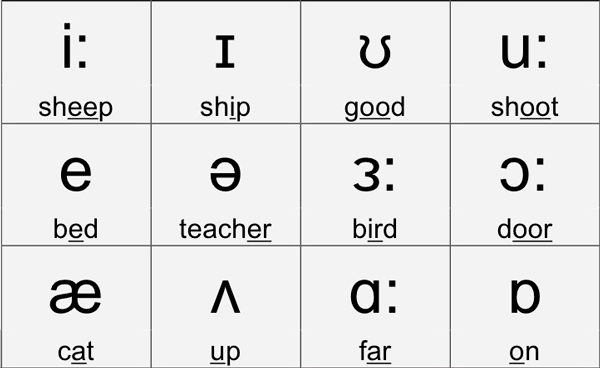
1. Standard Pronunciation
Standard pronunciation refers to the most widely accepted and recognized way of speaking a language, often based on educated or formal usage. This type is typically taught in schools and used in media. Key features include:
- Clear articulation of sounds and syllables.
- Adherence to established phonetic rules of the language.
- Neutral accent, avoiding regional or social variations.
2. Regional Pronunciation
Regional pronunciation involves variations in how words are spoken based on geographic location. These differences can include changes in vowel sounds, stress patterns, or intonation. Examples include:
- British English vs. American English (e.g., tomato pronounced as tuh-mah-toh vs. tuh-may-toh).
- Dialects within a country, like Southern U.S. accents or Scottish English.
- Local slang or colloquialisms affecting pronunciation.
Social pronunciation reflects how speech varies among different social groups, influenced by factors like education, class, or ethnicity. Characteristics include:
- Prestige accents (e.g., Received Pronunciation in the UK).
- Non-standard forms, such as African American Vernacular English (AAVE).
- Code-switching, where speakers adjust pronunciation based on social context.
4. Foreign-Accented Pronunciation
Foreign-accented pronunciation occurs when non-native speakers retain features of their first language while speaking another. This can lead to:
- Substitution of sounds not present in the speaker's native language.
- Different rhythm or intonation patterns.
- Mispronunciations due to unfamiliarity with phonetic rules.
5. Stylistic Pronunciation
Stylistic pronunciation involves deliberate alterations for artistic, rhetorical, or expressive purposes. Common in performances or public speaking, it includes:
- Exaggerated intonation in theater or singing.
- Slowed or sped-up speech for emphasis.
- Use of archaic or poetic pronunciations (e.g., thee instead of you).
Frequently Asked Questions (FAQ)
What are the two main types of pronunciation problems in English?
The two primary types of pronunciation problems are segmentals and suprasegmentals. Segmentals refer to individual sounds, such as vowels and consonants, where learners might struggle with distinctions like ship vs. sheep. Suprasegmentals, on the other hand, involve broader speech patterns like intonation, stress, and rhythm, which affect the flow and clarity of speech. Mispronouncing these can lead to misunderstandings, even if individual sounds are correct.
How can I improve my segmental pronunciation issues?
To tackle segmental problems, focus on minimal pairs (words that differ by only one sound, like bit and beat) to train your ear and mouth. Recording yourself and comparing it to native speakers can highlight discrepancies. Additionally, use phonetic exercises and tongue placement guides to master tricky sounds, such as the th in think. Consistent practice with feedback from teachers or language apps is crucial for progress.
What strategies help with suprasegmental pronunciation challenges?
For suprasegmental issues, practice sentence stress and intonation patterns by shadowing native speakers—imitating their rhythm and emphasis. Tools like karaoke-style subtitles or podcasts with transcripts can help visualize stress and pitch. Reading aloud with attention to pausing and emphasis also builds natural flow. Joining conversation groups to practice in real-time reinforces these skills.
Why is it important to address both types of pronunciation problems?
Ignoring either segmental or suprasegmental issues can hinder communication. Perfecting individual sounds (segmentals) ensures words are recognizable, while mastering intonation and rhythm (suprasegmentals) makes speech sound natural and engaging. Balancing both aspects boosts listener comprehension and confidence, whether in casual conversations or professional settings.
Leave a Reply
Related Posts