
Learning to read handwritten Chinese

Learning to read handwritten Chinese is a challenging yet rewarding endeavor that opens doors to understanding a rich cultural heritage. Unlike printed characters, handwritten script often features variations, abbreviations, and personal styles, making it difficult for learners to decipher. Mastering this skill requires familiarity with stroke order, common simplifications, and contextual clues. While textbooks and digital tools provide a solid foundation, exposure to real-life examples—such as notes, letters, or historical documents—is essential for proficiency. Whether for academic, professional, or personal reasons, developing the ability to read handwritten Chinese enhances comprehension and deepens appreciation for the language's artistic and functional nuances.
Mastering the Art of Reading Handwritten Chinese
Understanding the Basics of Handwritten Chinese Characters
Reading handwritten Chinese requires familiarity with stroke order, radicals, and character structure. Unlike printed text, handwriting often includes variations and simplifications. Beginners should start by studying common radicals and basic strokes to recognize patterns in handwritten forms. Practice with tracing exercises and copying samples to build muscle memory.
| Element | Importance |
|---|---|
| Stroke Order | Critical for character recognition |
| Radicals | Helps identify meaning and pronunciation |
| Character Structure | Key to distinguishing similar-looking characters |
Common Challenges in Reading Handwritten Chinese
Handwritten Chinese can be difficult due to cursive styles, personal handwriting quirks, and abbreviations. Learners often struggle with connected strokes and unconventional shapes. To overcome this, expose yourself to diverse handwriting samples and use context clues to guess unfamiliar characters.
See AlsoIs Chinese difficult to learn?| Challenge | Solution |
|---|---|
| Cursive Writing | Study common cursive forms |
| Personal Style Variations | Practice with multiple handwriting samples |
| Abbreviations | Learn frequently used shorthand |
Effective Practice Techniques for Handwritten Chinese
To improve, engage in active reading of handwritten notes, copying exercises, and flashcards with real-life examples. Use annotated texts to compare printed and handwritten forms. Consistent practice with feedback from native speakers accelerates progress.
| Technique | Benefit |
|---|---|
| Copying Exercises | Reinforces muscle memory |
| Flashcards | Enhances recognition speed |
| Native Feedback | Corrects misunderstandings |
Resources for Learning Handwritten Chinese
Utilize handwriting workbooks, online courses, and mobile apps designed for reading practice. Websites like Skritter and Hanzi Grids offer tailored exercises. Join language exchange groups to access authentic handwritten materials.
| Resource | Use Case |
|---|---|
| Handwriting Workbooks | Structured practice |
| Mobile Apps | Interactive learning |
| Language Exchange | Real-world exposure |
Recognizing Regional Variations in Handwriting
Handwritten Chinese differs across regions, such as Mainland China, Taiwan, and Hong Kong, due to simplified vs. traditional characters and local writing habits. Study regional differences to avoid confusion and improve adaptability.
See AlsoHow many Chinese characters do I need to know to be fluent?| Region | Notable Differences |
|---|---|
| Mainland China | Uses simplified characters |
| Taiwan | Prefers traditional characters |
| Hong Kong | Mix of traditional and local styles |
How to learn to read and write Chinese?
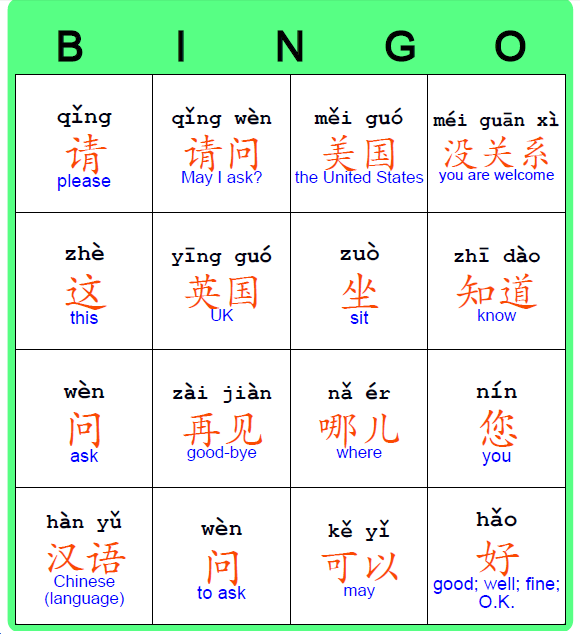
Understanding the Basics of Chinese Characters
To start learning Chinese characters, it's essential to grasp their structure. Chinese is a logographic language, meaning each character represents a word or a concept. Begin by learning radicals, the building blocks of characters, which often hint at meaning or pronunciation. Practice stroke order, as it’s crucial for writing correctly and efficiently.
- Study radicals to recognize patterns in characters.
- Practice stroke order to improve handwriting speed and accuracy.
- Use flashcards to memorize common characters systematically.
Mastering Pinyin for Pronunciation
Pinyin is the Romanization system for Mandarin Chinese, helping learners pronounce characters correctly. Focus on tones, as Mandarin is a tonal language, and mispronunciation can change meanings. Listening to native speakers and repeating sounds will reinforce accuracy.
See AlsoGuide to the Duolingo App: Learn Languages Effectively & Enjoyably- Learn the four tones to avoid misunderstandings.
- Practice with audio resources like apps or language partners.
- Write Pinyin alongside characters to connect sounds with symbols.
Building Vocabulary Through Repetition
Expanding your vocabulary requires consistent exposure and repetition. Start with high-frequency words and gradually incorporate more complex terms. Reading simple texts and labeling objects in your environment can reinforce retention.
- Focus on common words used in daily conversations.
- Use spaced repetition systems (SRS) like Anki for memorization.
- Read children’s books or graded readers to see words in context.
Practicing Writing Characters Regularly
Writing Chinese characters by hand reinforces memory and improves recognition. Dedicate time to copying characters and composing simple sentences. Grid paper helps maintain proper proportions and alignment.
- Write daily to build muscle memory.
- Use grid notebooks for consistent character size.
- Review mistakes to correct stroke order and structure.
Immersing Yourself in Chinese Media
Exposure to Chinese media like TV shows, podcasts, and news articles accelerates learning. Listening and reading in context helps internalize grammar, vocabulary, and cultural nuances.
See AlsoHow To Get Duolingo Math On Windows: Step-by-Step Guide- Watch subtitled content to connect spoken and written language.
- Follow Chinese social media to see informal language usage.
- Join language exchange groups to practice with native speakers.
Is there an app to read Chinese writing?

What Are the Best Apps to Read Chinese Writing?
Several apps are designed to help users read Chinese writing, offering features like OCR (Optical Character Recognition), translations, and pronunciation guides. Here are some top options:
- Pleco – A comprehensive dictionary app with OCR for scanning and translating Chinese text.
- Google Translate – Supports real-time camera translation for Chinese characters.
- Hanping Chinese Camera – Focuses on OCR for recognizing and translating printed Chinese text.
How Do OCR Apps Help with Reading Chinese Characters?
OCR apps use image recognition technology to identify and translate Chinese characters in real time. Key benefits include:
- Instant translation – Converts scanned text into readable translations.
- Offline functionality – Some apps work without an internet connection.
- Learning aid – Helps users understand stroke order and pronunciation.
Are There Free Apps to Read Chinese Writing?
Yes, several free apps allow users to read Chinese writing with basic features. Popular choices include:
- Microsoft Translator – Offers camera translation for Chinese text.
- Waygo – Specializes in translating Chinese menus and signs via camera.
- Baidu Translate – A free alternative with OCR capabilities.
Can These Apps Translate Handwritten Chinese?
Some apps support handwritten Chinese character recognition, though accuracy may vary. Notable options:
- Pleco – Allows handwriting input for character lookup.
- Google Translate – Supports manual drawing of characters for translation.
- Skritter – Focuses on handwriting practice with real-time feedback.
Do These Apps Provide Pronunciation Assistance?
Many apps include pronunciation guides to help users read Chinese aloud. Key features:
- Pinyin display – Shows romanized pronunciation alongside characters.
- Audio playback – Lets users hear correct pronunciation from native speakers.
- Tone guides – Highlights the tonal variations in Mandarin Chinese.
Is Chinese handwriting hard?
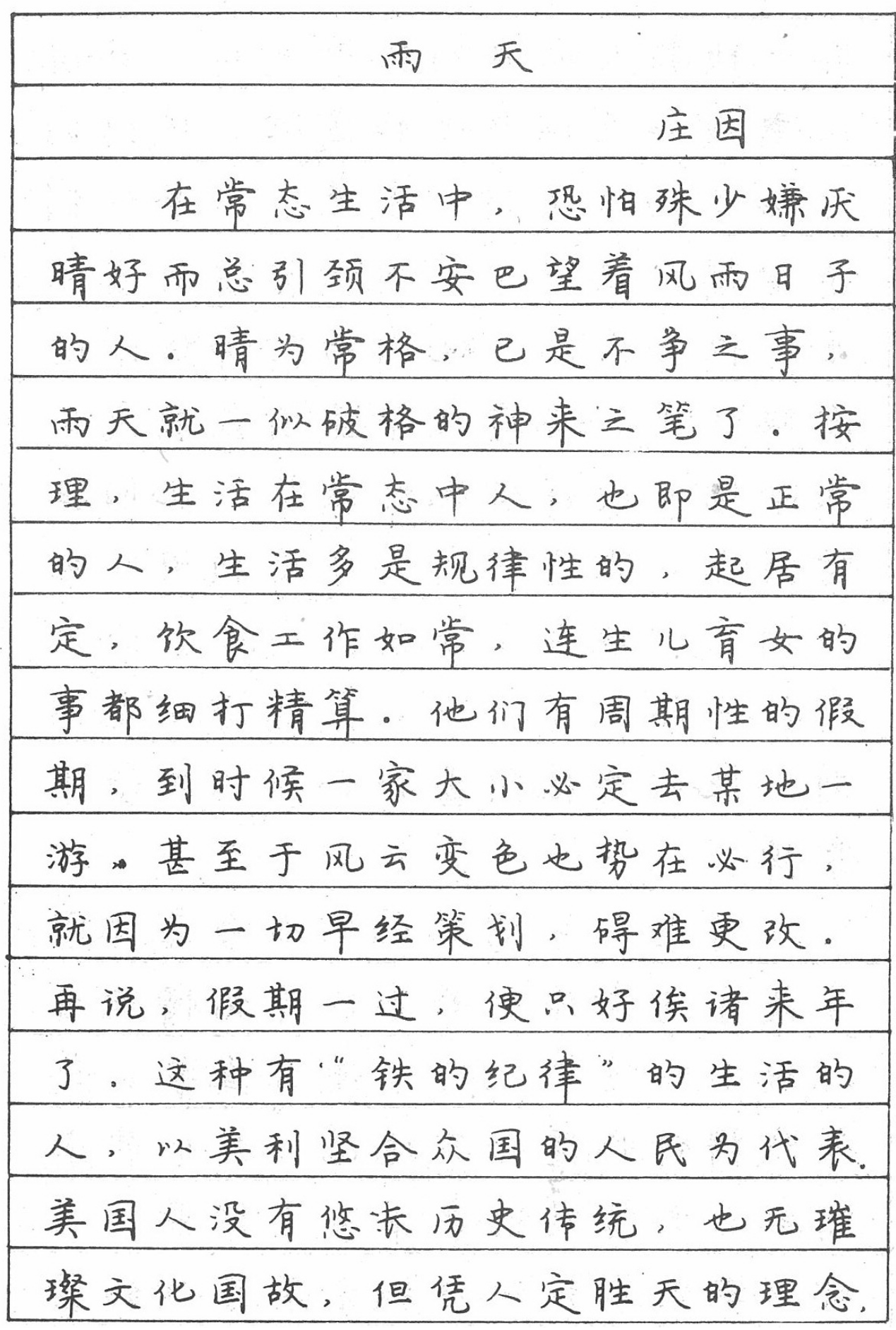
Why is Chinese handwriting considered difficult?
Chinese handwriting is often perceived as challenging due to its complex characters, which require memorization of thousands of unique symbols. Unlike alphabetic systems, each character represents a word or concept, demanding precision in stroke order and structure. Key reasons include:
- Stroke order rules: Characters must be written in a specific sequence, which can be unintuitive for learners.
- Character complexity: Some characters contain over 20 strokes, making them time-consuming to write.
- Lack of phonetic clues: Unlike alphabets, characters don’t directly indicate pronunciation.
How does stroke order affect Chinese handwriting?
Stroke order is fundamental in Chinese handwriting, as it ensures consistency and legibility. Incorrect stroke order can distort characters and slow down writing. Important aspects include:
- Top-to-bottom, left-to-right: The standard directional flow for most characters.
- Horizontal before vertical: A key rule for balanced character formation.
- Outer before inner: Enclosures are drawn before filling in internal strokes.
What are the most challenging aspects of writing Chinese characters?
The difficulty in writing Chinese characters stems from several unique features of the script. Learners often struggle with:
- Homophones and radicals: Many characters sound alike but look completely different.
- Proportions and spacing: Balancing components within a character requires practice.
- Cursive and semi-cursive styles: Handwritten forms often deviate from printed fonts.
Can handwriting Chinese characters improve language fluency?
Handwriting Chinese characters can significantly enhance language mastery by reinforcing memory and understanding. Benefits include:
- Deeper character recognition: Writing helps internalize radicals and components.
- Improved recall: The physical act of writing aids long-term retention.
- Cultural connection: Handwriting preserves traditional artistic elements of the language.
Are there tools or techniques to make Chinese handwriting easier?
Several strategies and tools can simplify learning Chinese handwriting. Effective methods include:
- Grid paper practice: Helps maintain proper proportions and spacing.
- Stroke order animations: Visual guides for correct character formation.
- Mobile apps: Interactive platforms like Skritter or Pleco offer real-time feedback.
How long does it take to learn to read and write Mandarin?

Factors Affecting the Time to Learn Mandarin Reading and Writing
The time required to learn to read and write Mandarin depends on several factors, including prior language experience, study intensity, and learning methods. Here are key considerations:
- Prior exposure to tonal languages may shorten the learning curve.
- Daily practice (1–2 hours) can lead to basic literacy in 1–2 years.
- Complexity of characters: Mastering 3,000+ commonly used Hanzi takes significant time.
Basic Literacy vs. Fluency in Mandarin
Achieving basic literacy (recognizing 1,000–1,500 characters) differs from full fluency (3,000+ characters). Key distinctions:
- Basic reading: 6–12 months with focused study.
- Newspaper comprehension: 2–3 years to recognize 2,500+ characters.
- Writing proficiency often lags behind reading due to stroke-order complexity.
Intensive vs. Casual Learning Approaches
The learning pace varies dramatically based on study intensity:
- Immersion programs (20+ hours/week): 1 year for functional literacy.
- University courses (5–10 hours/week): 2–4 years for intermediate level.
- Self-study (1–3 hours/week): 5+ years for basic competency.
Role of Character Memorization Techniques
Effective memorization strategies significantly impact learning speed:
- Mnemonics and radicals breakdown accelerate character retention.
- Spaced repetition systems (SRS) like Anki optimize review time.
- Handwriting practice reinforces memory but slows initial progress.
Technology's Impact on Learning Efficiency
Modern tools alter traditional timelines for literacy:
- Pinyin input systems allow communication before mastering characters.
- OCR apps like Pleco bridge the gap between reading and writing.
- Digital flashcards reduce handwriting practice requirements.
Frequently Asked Questions (FAQ)
Why is learning to read handwritten Chinese challenging?
Handwritten Chinese presents unique difficulties because it often deviates from standardized printed characters. Stroke order, cursive simplifications, and individual writing styles can make characters barely recognizable to beginners. Unlike printed text, handwriting may lack clarity, with connected strokes or omitted details. Additionally, regional variations and personal habits further complicate comprehension, requiring learners to develop a flexible approach to character recognition.
What strategies can help beginners read handwritten Chinese?
To master handwritten Chinese, start by solidifying your knowledge of standard stroke order and common radicals. Practice analyzing real-life samples, such as notes or letters, to familiarize yourself with variations. Using flashcards with both printed and handwritten forms can reinforce recognition. Additionally, studying cursive scripts (行书) and semi-cursive scripts (草书) systematically will help you decode faster. Patience and consistent exposure are key.
Are there resources specifically for learning handwritten Chinese?
Yes, several resources focus on handwritten Chinese. Books like Chinese Cursive Script by Fred Fang-yu Wang break down cursive forms. Mobile apps such as Skritter include handwriting recognition exercises. Online platforms like YouTube offer tutorials comparing printed and handwritten characters. For immersive practice, joining language exchange groups or reviewing historical documents (e.g., diaries) can provide authentic material. Always prioritize resources with annotated explanations to bridge the gap between print and script.
How long does it take to become proficient in reading handwritten Chinese?
The timeline varies based on prior knowledge and practice intensity. Learners with a strong grasp of printed characters may take 6–12 months of dedicated study to read basic handwriting comfortably. For advanced cursive scripts, years of exposure may be needed. Consistency is crucial—daily practice with diverse samples accelerates progress. Setting milestones, like deciphering shopping lists or personal letters, can help track improvement and maintain motivation.
Leave a Reply
Related Posts