
Reading is a lot like spaced repetition, only better

Reading is often compared to spaced repetition, a learning technique that involves reviewing material at increasing intervals. However, reading offers something far richer—a dynamic, immersive experience that engages the mind on multiple levels. While spaced repetition reinforces memory through repetition, reading cultivates deeper understanding, creativity, and critical thinking. Each page turned builds upon the last, weaving knowledge into a cohesive narrative that sticks effortlessly. Unlike rigid review schedules, reading adapts to curiosity, allowing ideas to resonate naturally. It’s not just about retention; it’s about connection. In this way, reading doesn’t just mimic spaced repetition—it elevates it, transforming learning into an organic, lifelong journey.
Why Reading is a More Effective Form of Spaced Repetition
Reading is a powerful cognitive tool that enhances memory retention, comprehension, and long-term learning. Unlike traditional spaced repetition, which relies on systematic review intervals, reading engages the brain through contextual learning, narrative structures, and emotional connections, making it a more natural and effective way to reinforce knowledge. While spaced repetition is useful for memorizing isolated facts, reading builds deeper understanding by linking ideas within a broader framework.
How Reading Strengthens Memory Retention
Reading reinforces memory by exposing the brain to information in a varied and engaging way. Unlike rote repetition, which can feel mechanical, reading presents knowledge within stories, examples, and logical progressions, helping the brain encode information more effectively. Studies show that contextual learning leads to stronger neural connections, making recall easier over time.
See AlsoHow to verify that you use the right Chinese font| Method | Memory Retention | Engagement Level |
|---|---|---|
| Spaced Repetition | High for isolated facts | Low (mechanical) |
| Reading | High for contextual knowledge | High (immersive) |
The Role of Context in Learning
Reading embeds information within a meaningful context, making it easier to remember. When facts are part of a story or argument, the brain processes them more deeply than when reviewing flashcards. This contextual reinforcement mimics real-world learning, where knowledge is rarely isolated.
| Learning Method | Contextual Depth |
|---|---|
| Spaced Repetition | Low (isolated facts) |
| Reading | High (integrated ideas) |
Emotional Engagement Enhances Recall
Books often evoke emotions, whether through compelling narratives or thought-provoking arguments. Emotional engagement strengthens memory encoding, making details more memorable than dry repetition. This is why people remember stories better than raw data.
| Factor | Impact on Memory |
|---|---|
| Emotional Connection | High recall retention |
| Mechanical Review | Moderate recall retention |
Reading Builds Long-Term Understanding
While spaced repetition is great for short-term memorization, reading fosters long-term comprehension. By revisiting themes and ideas across different texts, readers develop a cohesive knowledge base rather than fragmented facts.
See AlsoHSK 6 Vocabulary Test - Quick & Full Quizzes| Learning Approach | Knowledge Durability |
|---|---|
| Spaced Repetition | Short to medium-term |
| Reading | Long-term |
Natural Spacing in Reading
Reading naturally incorporates spacing effects—when you revisit books or related materials, you reinforce knowledge without rigid scheduling. This organic repetition is more flexible and sustainable than artificial review intervals.
| Repetition Type | Flexibility |
|---|---|
| Spaced Repetition (SRS) | Fixed intervals |
| Reading | Natural revisiting |
Why is spaced repetition so effective?
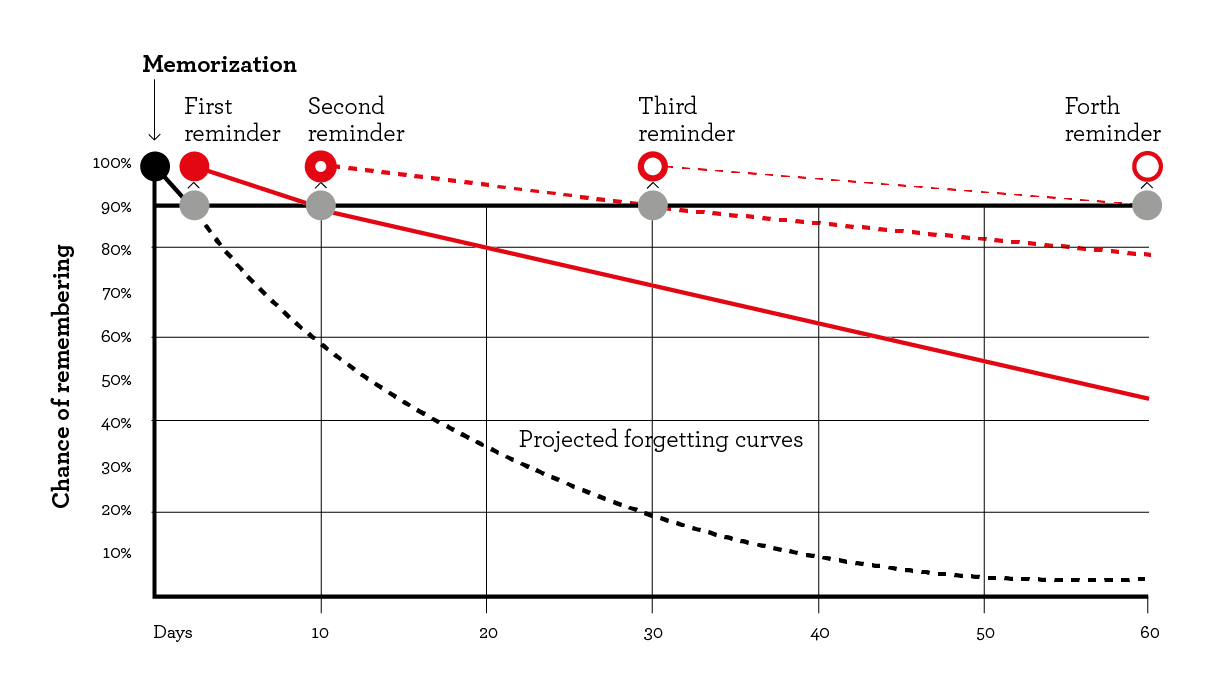
The Science Behind Spaced Repetition
Spaced repetition leverages the psychological phenomenon known as the spacing effect, which suggests that information is better retained when learning sessions are spread out over time. This method aligns with how the brain naturally processes and stores memories.
See AlsoKickstart your Chinese character learning with the 100 most common radicals- Memory consolidation: The brain strengthens neural connections when information is revisited at optimal intervals.
- Forgetting curve: Spaced repetition counters the natural decline in memory retention by reinforcing knowledge before it fades.
- Active recall: This technique forces the brain to retrieve information, enhancing long-term retention.
Optimal Timing for Review Sessions
The effectiveness of spaced repetition hinges on strategically timed reviews. Algorithms or schedules determine the ideal intervals to revisit material, ensuring maximum retention.
- Short intervals initially for new or difficult material to prevent forgetting.
- Gradually increasing gaps as mastery improves, reducing unnecessary reviews.
- Personalized adjustments based on individual performance to optimize learning efficiency.
Enhanced Long-Term Retention
Unlike cramming, spaced repetition promotes durable memory by repeatedly exposing the brain to information over extended periods.
- Reduces cognitive load by breaking learning into manageable sessions.
- Encourages deeper encoding of information into long-term memory.
- Minimizes interference from competing information, improving recall accuracy.
Efficiency in Learning
Spaced repetition maximizes study time by focusing on material that is most likely to be forgotten, eliminating redundant reviews.
See AlsoHow and why to watch the world cup in Chinese- Targets weaknesses: Prioritizes items the learner struggles with, saving time.
- Adaptive learning: Adjusts review frequency based on progress, avoiding over-practice.
- Scales effectively: Works for both small facts and complex concepts across subjects.
Applications Beyond Academic Learning
The principles of spaced repetition extend to skill acquisition, language learning, and professional training.
- Language apps: Tools like Anki or Duolingo use spaced repetition to build vocabulary.
- Medical training: Helps students retain vast amounts of anatomical and pharmacological knowledge.
- Corporate training: Ensures employees retain critical procedures or compliance information.
What are the disadvantages of spaced repetition?
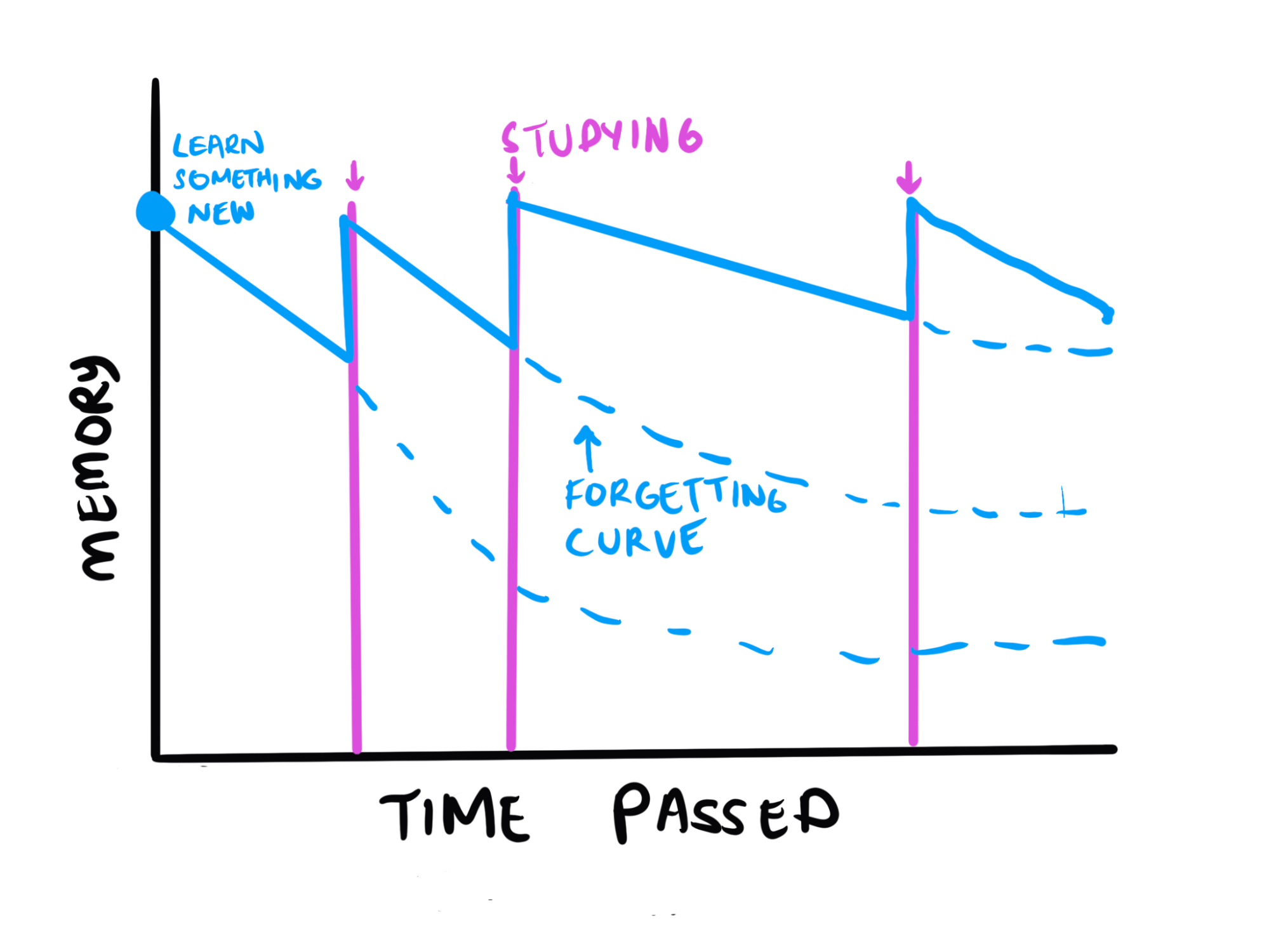
Time-Consuming Implementation
One of the main disadvantages of spaced repetition is the time investment required to set it up and maintain it effectively. Users must consistently review material at optimal intervals, which can be demanding.
See AlsoNBA: Why is it so popular in China?- Initial setup requires careful planning of intervals and material organization.
- Daily reviews can become tedious, especially with large volumes of information.
- Adjusting intervals based on performance adds another layer of complexity.
Overwhelming for Beginners
New learners may find spaced repetition intimidating due to its structured nature and the need for self-discipline.
- Steep learning curve for understanding how intervals work.
- Frustration may arise if reviews pile up due to missed sessions.
- Lack of guidance can lead to inefficient use of the technique.
Potential for Burnout
The repetitive nature of spaced repetition can lead to mental fatigue or disengagement over time.
- Monotony from reviewing the same material repeatedly.
- Diminished motivation if progress feels slow.
- Stress from keeping up with scheduled reviews.
Ineffective for Certain Subjects
Spaced repetition is not universally applicable and may underperform for some types of learning.
- Concept-heavy subjects may require deeper understanding rather than rote memorization.
- Creative skills like writing or art benefit less from repetition.
- Dynamic information that changes frequently may render reviews obsolete.
Dependence on Technology
Many spaced repetition systems rely on digital tools, which can introduce drawbacks.
- Technical issues like app crashes or data loss can disrupt progress.
- Screen fatigue from prolonged use of digital platforms.
- Access limitations for users without reliable devices or internet.
Are flashcards better than reading?
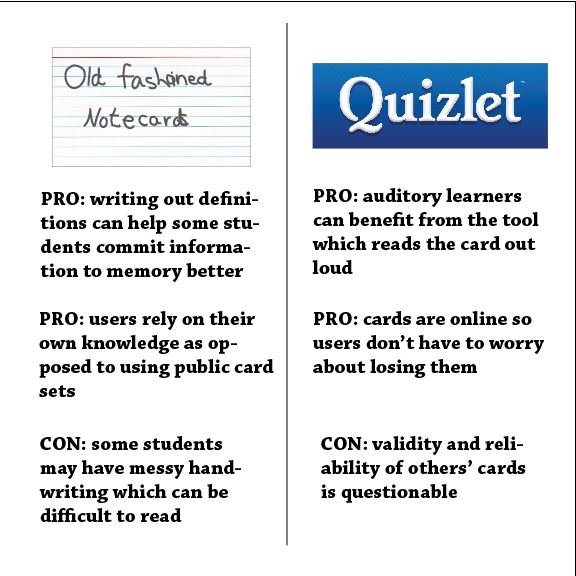
Are Flashcards More Effective for Memorization Than Reading?
Flashcards are often considered superior for memorization because they leverage active recall and spaced repetition, two scientifically proven learning techniques. Here’s why:
- Active recall: Flashcards force you to retrieve information from memory, strengthening neural pathways.
- Spaced repetition: Tools like Anki optimize review timing to enhance long-term retention.
- Focused content: Flashcards break down complex topics into bite-sized, manageable pieces.
Does Reading Provide Deeper Understanding Than Flashcards?
Reading allows for a comprehensive grasp of concepts, making it better for contextual learning. Key advantages include:
- Nuanced understanding: Reading exposes you to explanations, examples, and connections between ideas.
- Critical thinking: Longer texts encourage analysis and synthesis of information.
- Engagement: Narratives and detailed descriptions can make learning more immersive.
When Should You Use Flashcards Instead of Reading?
Flashcards excel in specific scenarios where efficiency and memorization are priorities. Consider using them when:
- Learning facts: Dates, vocabulary, formulas, or definitions are ideal for flashcards.
- Preparing for exams: Quick review of key points is essential for test performance.
- Time constraints: Flashcards allow for rapid, targeted study sessions.
Can Reading and Flashcards Be Combined for Better Learning?
Combining both methods can maximize retention and comprehension. Here’s how to integrate them:
- Read first: Gain a foundational understanding of the material.
- Create flashcards: Summarize key points or challenging concepts for review.
- Review regularly: Use flashcards to reinforce what you’ve read over time.
What Are the Limitations of Flashcards Compared to Reading?
While flashcards are powerful, they have drawbacks when compared to reading. Limitations include:
- Lack of context: Flashcards may oversimplify complex topics.
- Passive creation: Poorly made flashcards can hinder learning.
- Over-reliance: They shouldn’t replace deeper study methods for nuanced subjects.
Can you do spaced repetition every day?

Is Daily Spaced Repetition Effective?
Daily spaced repetition can be highly effective if implemented correctly. The technique relies on reviewing material at increasing intervals to reinforce memory. Here’s why it works:
- Consistency: Daily practice ensures continuous engagement with the material.
- Adaptability: Algorithms adjust intervals based on performance, optimizing retention.
- Reduced cognitive load: Shorter, frequent sessions prevent overwhelm.
How to Structure Daily Spaced Repetition Sessions
To maximize daily spaced repetition, structure sessions with clear goals and timing:
- Prioritize difficult material: Focus on challenging items first.
- Limit session duration: Keep sessions under 30 minutes to maintain focus.
- Use active recall: Test yourself instead of passively reviewing.
Common Mistakes in Daily Spaced Repetition
Avoid these pitfalls when practicing daily spaced repetition:
- Overloading sessions: Adding too many new items at once reduces effectiveness.
- Ignoring feedback: Not adjusting intervals based on recall accuracy.
- Skipping reviews: Inconsistency undermines long-term retention.
Tools for Daily Spaced Repetition
Several tools can enhance daily spaced repetition practice:
- Anki: A customizable flashcard app with built-in algorithms.
- Quizlet: Offers spaced repetition features for varied learning styles.
- RemNote: Combines note-taking with spaced repetition.
Balancing Spaced Repetition with Other Study Methods
While daily spaced repetition is powerful, balance it with other techniques:
- Interleaving: Mix topics to improve retention.
- Elaboration: Connect new information to existing knowledge.
- Practice testing: Simulate real-world application of learned material.
Frequently Asked Questions (FAQ)
How is reading similar to spaced repetition?
Reading shares similarities with spaced repetition because both involve revisiting information over time to reinforce memory. When you read a book, especially one with complex ideas, you naturally return to key concepts or sections, much like spaced repetition schedules revisit material at optimal intervals. However, reading often provides deeper context and narrative flow, making the retention process more engaging and meaningful compared to isolated flashcards or drills.
Why is reading considered better than spaced repetition?
Reading is often seen as superior to spaced repetition because it fosters a richer understanding of the material. While spaced repetition focuses on rote memorization, reading encourages comprehension, critical thinking, and the ability to connect ideas. The narrative structure of books allows for contextual learning, which helps embed information more naturally into long-term memory. Additionally, reading can be more enjoyable, increasing motivation and consistency.
Can reading replace spaced repetition entirely?
While reading offers many advantages, it may not fully replace spaced repetition for all learning goals. Spaced repetition excels at memorizing discrete facts, such as vocabulary or formulas, where repetition is key. However, for subjects requiring deep understanding or synthesis of ideas, reading is far more effective. A balanced approach—using reading for comprehension and spaced repetition for factual recall—can often yield the best results.
How can I optimize reading to mimic spaced repetition?
To leverage the benefits of spaced repetition while reading, adopt strategies like active recall and note-taking. After finishing a chapter, summarize key points from memory or revisit highlighted sections days later. Re-reading dense material at intervals or discussing it with others can also reinforce retention. Tools like annotations or digital apps that schedule review sessions based on your reading progress can further bridge the gap between reading and spaced repetition.
Leave a Reply
Related Posts